
1. Global Maternity Wear Market & Sourcing Dynamics
The global maternity wear market has witnessed a profound structural shift over the past decade. Previously categorized as a niche, seasonal segment, maternity apparel—specifically pants for pregnant women—has emerged as a high-growth category within the textile and garment industry. Industry projections indicate that the global maternity wear market is on track to exceed USD 24 billion by 2028, registering a compound annual growth rate (CAGR) of over 4.8%. This growth is driven by demographic transitions, increasing labor force participation among pregnant women, and a fundamental shift in user expectations regarding comfort, versatility, and environmental responsibility.
From a manufacturing standpoint, maternity pants require highly specialized production protocols. Unlike standard ladies' bottoms, maternity pants must accommodate progressive anatomical changes over a 40-week cycle and post-partum recovery phases. This demands advanced structural engineering in the waistbands, highly resilient fabric blends, and physiological compliance that ensures non-restrictive support. B2B buyers and brand managers must navigate these nuances to source products that prevent skin irritation, retain shape recovery, and withstand rigorous washing cycles.
2. Chinese Manufacturing Efficiency & Supply Chain Dominance
China remains the undisputed epicentre for high-volume, premium-quality maternity apparel manufacturing. The core competitive advantage of Chinese factories lies not merely in raw labor capacity, but in the dense integration of the industrial supply chain. In regions like Zhejiang and Guangdong, fiber extrusion, yarn spinning, circular knitting, dyeing, pattern design, and final assembly are clustered within tight geographic hubs. This proximity dramatically compresses lead times, enabling factories to transition from design mock-ups to ready-to-ship bulk cargo in as little as 14 to 21 days.
Furthermore, Chinese manufacturers have heavily invested in automated manufacturing technologies. Computerized pattern grading, laser fabric cutting, and high-precision overlock sewing machines ensure consistency across millions of units. This technological adoption mitigates human error, optimizes fabric utilization yields, and directly translates into lower Unit FOB costs for international buyers. Additionally, deep integration with logistics partners facilitates streamlined customs clearances and multimodal freight solutions, ensuring cargo lands safely in regional distribution centers across North America, Europe, and the Asia-Pacific.
3. Sourcing Guide: Key Fabric & Structural Innovations
When procurement managers evaluate potential factories, the product specification analysis should focus heavily on raw material composition and panel design. Premium wholesale pants for pregnant women must feature fabrics that balance elasticity with structural support. Standard synthetic blends often trap heat and moisture, leading to gestational contact dermatitis. To combat this, industry leaders utilize advanced botanical and natural fibers:
- Organic Bamboo Viscose: Highly breathable, naturally hypoallergenic, and featuring a silky hand-feel. Sourced from rapidly renewable bamboo crops, this fiber provides exceptional thermo-regulation and skin comfort.
- Hemp-Organic Cotton Blends: Ideal for structured maternity trousers, cargo pants, and utility wear. Hemp brings unmatched durability and tensile strength, while organic cotton ensures softness against sensitive skin.
- Lycra Elastane Integration (10% to 15%): Standard elastane degrades and loses retention after multiple stretches. Utilizing genuine Lycra ensures multi-directional stretch recovery (360-degree stretch), preventing the knees and belly panels from sagging over time.
Structurally, maternity pants are categorized by waistband placement: Over-the-Belly (OTB) panels and Under-the-Belly (UTB) cutlines. OTB bands require circular seamless knitting technology to eliminate bulky seams that can press against the abdomen. UTB styles utilize cross-front elastic bands that sit low on the hips, engineered to support the lower back without putting pressure on the bladder.
4. Localized Application Scenarios
Modern expectant mothers expect maternity wear that adapts to various facets of daily life. The contemporary lifestyle demands transitions between professional workspaces, active exercise routines, casual leisure activities, and formal gatherings. Successful commercial brands customize their product catalogs based on these distinct scenarios:
- Corporate Office Wear: Tailored maternity trousers, straight-leg slacks, and wide-leg knit pants designed to match executive dress codes. These products require premium drape characteristics and concealed, adjustable elastic button bands inside the waist.
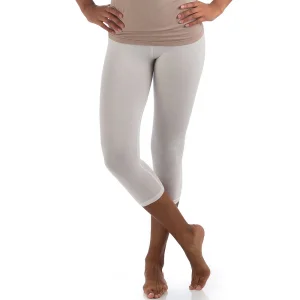
- Maternity Activewear & Yoga: High-compression, moisture-wicking leggings and cropped pants. These items require moisture-management finishes, flatlock anti-chafing seams, and gusseted crotch panels to ensure full range of motion.
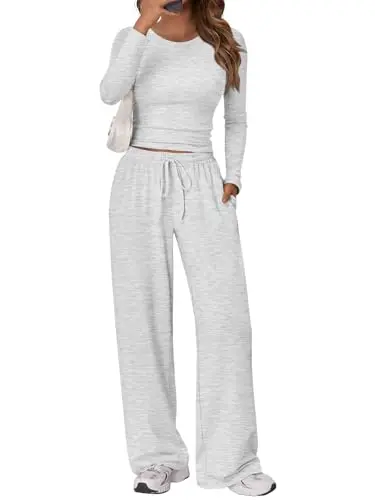
- Casual loungewear & Sleepwear: Loose-fitting joggers, wide-leg bamboo pants, and soft pajama bottoms. Focus is placed on breathability, thermal comfort, and minimizing friction points.
- Post-Partum Transition Wear: Pants designed with targeted, gentle abdominal compression to support recovering muscles during the fourth trimester.
5. B2B Sourcing Best Practices: Quality Assurance & Logistics
Securing a reliable wholesale manufacturing partner requires a structured approach to quality assurance (QA) and regulatory compliance. B2B buyers must implement rigorous vetting criteria prior to initiating high-volume purchasing contracts:
- Verify Textile Certifications: Ensure the factory's raw material suppliers possess verified certifications from bodies such as the Control Union. Vital certifications include the Global Organic Textile Standard (GOTS), OEKO-TEX Standard 100 (ensuring fabrics are free from harmful levels of toxic substances), and the Recycled Claim Standard (RCS).
- Inspect Manufacturing Equipment: Top-tier factories utilize premium machinery. Verify that the facility runs computerized embroidery, automated fabric spreaders, and dedicated seam-sealing lines.
- Implement AQL Quality Controls: Require the factory to adhere to standardized Acceptance Quality Limits (AQL 2.5 or AQL 4.0) during final inline and pre-shipment inspections. This mitigates risks associated with stitching slips, color variations, and dimensional deviation.
- Customization (OEM/ODM Solutions): Request a detailed breakdown of the manufacturer's R&D department capacity. A robust partner will offer custom color lab-dips, tailored CAD pattern layouts, packaging design, and professional photography options.