Under the principles of the circular economy and strict environmental standards, B2B procurement of womenswear requires high traceability, supply chain stability, and pricing transparency.
In the contemporary B2B apparel landscape, the procurement of dresses has shifted far beyond mere aesthetics. Today's global buyers—spanning enterprise fashion brands, direct-to-consumer (DTC) giants, and institutional retailers—demand a rigorous synthesis of ecological compatibility, regulatory compliance, and transparent price structures. As a leading specialized manufacturer, Ecogarments has pioneered the integration of organic textile sciences and highly flexible factory outputs to address this evolution.
This whitepaper acts as an analytical guide to navigating the Dress Pricelist & Companies landscape. It provides an exhaustive breakdown of production methodologies, local application strategies, and structural advantages inherent to Chinese manufacturing hubs. By looking into raw material indexes, digital supply chains, and compliance protocols, procurement directors can glean critical insights to optimize their cost-to-benefit ratios without sacrificing ESG mandates.
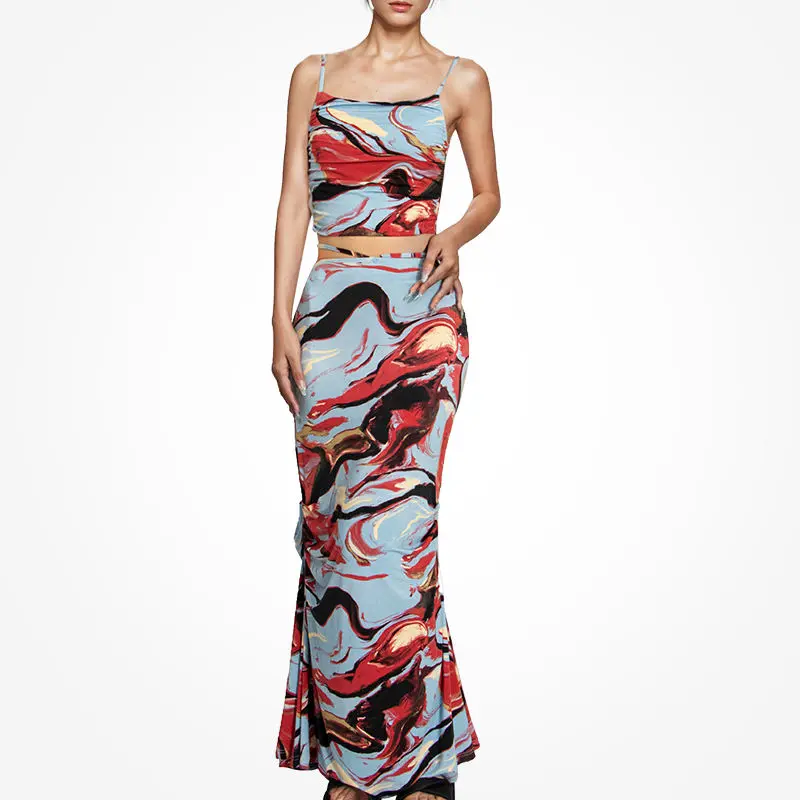
Explore our primary B2B product line, showcasing CE-certified bamboo knits, organic cotton blends, and customized silhouettes.
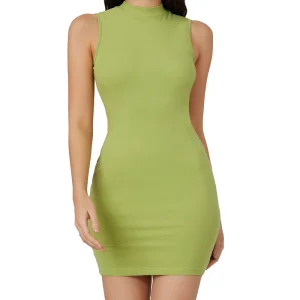
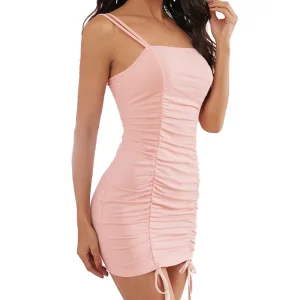
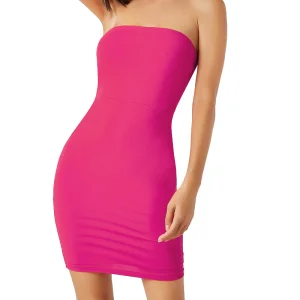
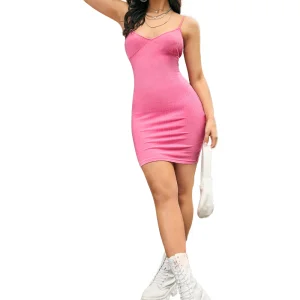
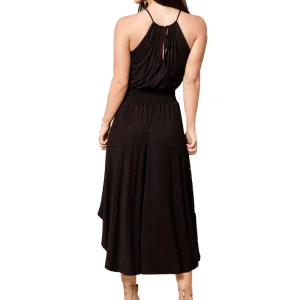
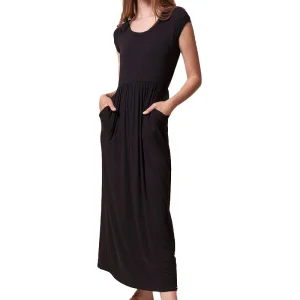
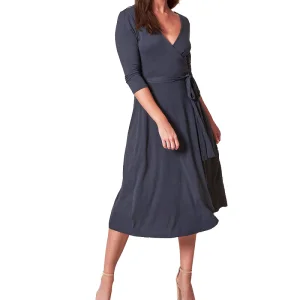
Adapting design parameters, fabric weights, and compliance frameworks to meet regional market dynamics.
In the US and Canadian markets, consumers prioritize versatility. The integration of bamboo-viscose with spandex provides structural recovery. Bodycon and tube top silhouettes double as active streetwear and indoor athleisure, requiring fabrics with excellent moisture wicking and a weight of 210g–250g to ensure coverage and durability.
EU markets demand high ecological credentials. The bamboo knit maternity and pure white gauze pleated lines are tailored for European standards. These products emphasize OEKO-TEX Standard 100 certificates, raw organic purity, and hypoallergenic characteristics. Styling leans toward timeless cuts, earthy tones, and zero toxic processing.
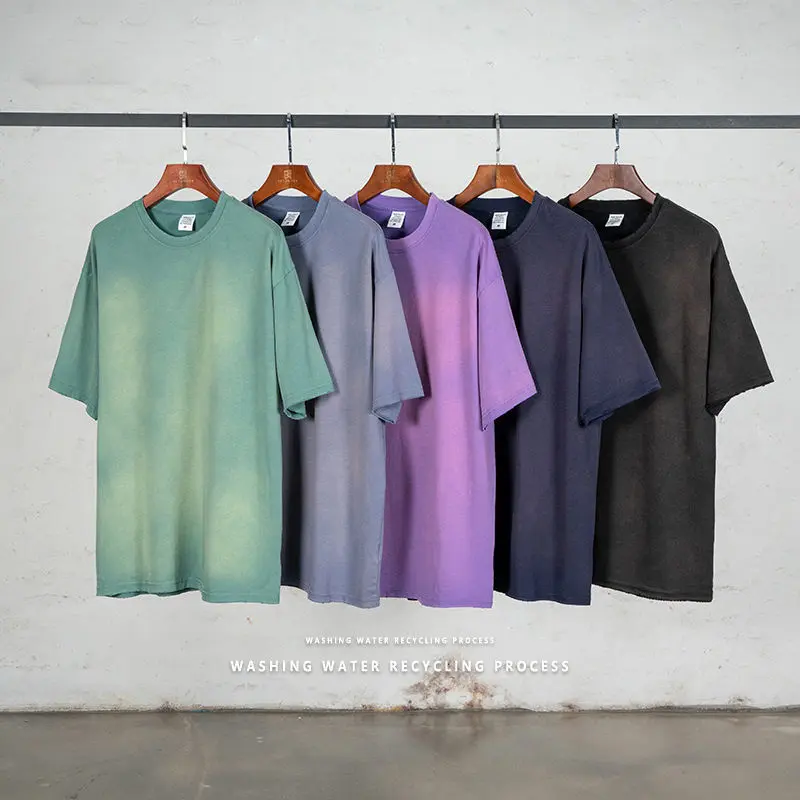
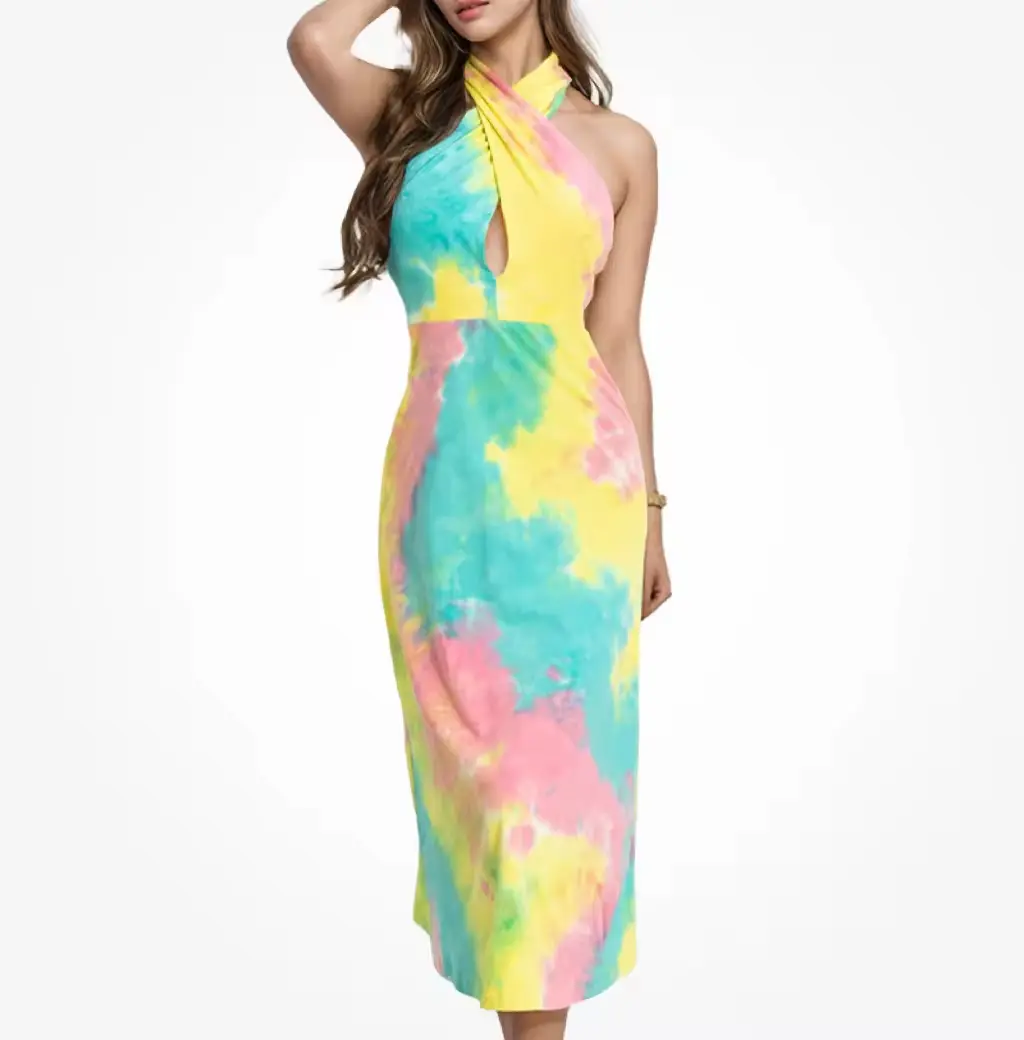
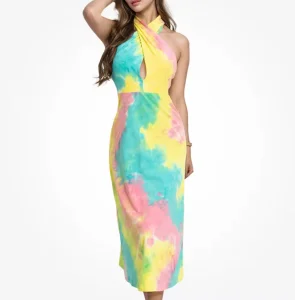
In hot, humid coastal regions of the Asia-Pacific, lightweight fabrics dominate. The summer tie-dye bamboo cotton bodycon is highly requested. Combining the cooling hand-feel of bamboo viscose with the natural structural integrity of cotton ensures breathability, natural UV resistance, and quick-dry characteristics for regional consumers.
How engineering advancements in fiber chemistry and closed-loop manufacturing shape our next-generation garments.
The progression of sustainable womenswear depends heavily on textile engineering. While standard viscose relies on chemical solvents that require extensive filtration, the next generation of materials incorporates closed-loop solvent spinning. This method recycles over 99% of processing liquids, reducing chemical run-offs close to zero.
Ecogarments' technical pipeline focuses on three key areas:
Leveraging domestic textile clusters, raw material abundance, and vertical manufacturing integration.
China's apparel sector remains resilient due to its concentrated supply chain ecosystems. At Ecogarments, our production facility spans over 4,000 square meters and is strategically located within China's major raw textile cluster. This proximity provides key operational benefits:
First, our yarn processing, knitting, dyeing, cutting, and finishing operations are situated within a localized radius. This vertical consolidation minimizes transit delays, ensuring consistent material quality. Second, it allows us to transition from digital mockups to physical samples within 48 to 72 hours, helping our clients keep pace with moving fashion timelines.
Additionally, our domestic supply network offers high cost stability. While international logistics can fluctuate, our localized raw material sourcing protects buyers from unexpected price spikes. The efficiency of our automated machinery lowers cost-per-unit, passing savings directly to the client's final pricelist.
"Preserve our planet, back to nature" — Integrating social responsibility and eco-stewardship into modern B2B manufacturing.
"At Ecogarments we care about Apparel, about the people who wear them and the people who make them. We believe that success is not measured solely in money, but in the positive impact we have on those around us and our planet."
We are passionate. We are pure. We challenge those around us to take responsibility for their ecological footprint. And we always strive to think outside the box to build a lasting business case for sustainable, good quality Apparel.
As an apparel manufacturer, we use natural and organic materials where possible, avoiding plastic and toxic substances.

More than 10+ years of professional manufacturing experience in sustainable organic apparel production.

Our large-scale manufacturing infrastructure houses over 1000 specialty sewing and finishing machines.

From custom fabric development to final logistics and branding, we provide end-to-end solutions.

We specialized in organic and natural fiber products to help minimize our global ecological footprint.

Our large raw material inventory ensures stable B2B unit pricing and consistent production timelines.

Our monthly catalog updates keep our partners aligned with global design shifts and fabric innovations.
With over 12 years of experience, we specialize in high-capacity OEM/ODM partnerships, compliance management, and full-service aftercare.

We work closely with client design teams to construct product cases that balance eco-efficiency with marketability.

Our services include professional model photography and video capture, streamlining the path from factory floor to digital catalog.

Our raw material suppliers are certified by Control Union. All processing chemicals are free of AOX and toxic compounds.

We maintain a steady, direct-source organic fiber network, specializing in sustainable materials that promote a circular lifestyle.

We monitor shifting consumer styles to provide monthly design releases, keeping our B2B partners aligned with consumer demand.

We offer comprehensive after-sales support, assisting with logistics management, customs clearances, and inventory replenishment.
An analytical breakdown of raw textile sourcing costs, manufacturing labor, and export scaling parameters.
Understanding B2B apparel pricing requires analyzing three main variables: raw materials, manufacturing complexity, and order volume. The table below outlines how these factors influence our pricing models across typical OEM/ODM production runs:
| Dress Type & Spec | Fabric Composition | Est. price (MOQ 500) | Est. price (MOQ 5000+) | Key Cost Factor |
|---|---|---|---|---|
| Mock-Neck Bodycon | 95% Bamboo Viscose, 5% Spandex | $6.50 – $7.80 / pc | $4.20 – $5.10 / pc | Dye lot weight (230g) |
| Sleeveless Halter | 70% Bamboo, 30% Organic Cotton | $5.80 – $6.90 / pc | $3.80 – $4.60 / pc | Yarn blending complexity |
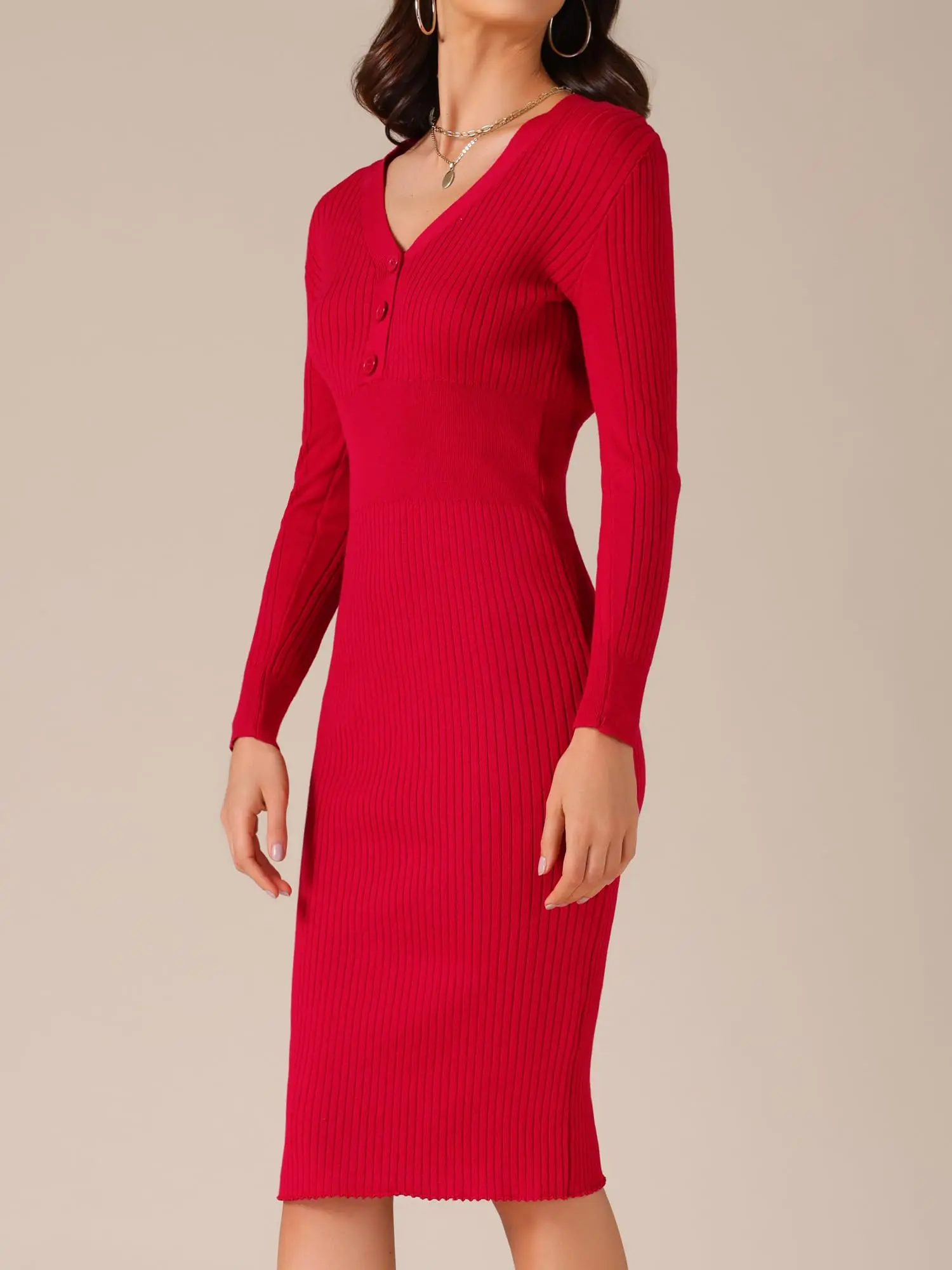
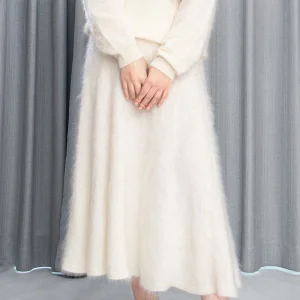
| Ribbed Knit Sweater Dress | 100% Organic Cotton / Cashmere blend | $14.50 – $18.00 / pc | $9.80 – $12.50 / pc | Stitch density and yarn gauge |
| Pleated White Gauze | Pure Regenerated Cellulose Blend | $9.20 – $11.50 / pc | $6.10 – $7.90 / pc | Finishing & heat-pleating labor |
For custom orders, costs are adjusted based on specific additions (like branded hardware, labels, and hangtags) and complexity requirements. Larger volumes allow us to optimize cutting layouts and reduce waste, lowering raw material costs per piece. Our sales team provides customized itemized quotes to ensure price transparency throughout the sourcing process.
We provide high-performance, high-quality, and environmentally friendly solutions designed for the modern lifestyle.
Safeguarding trade compliance, textile certification standards, and end-to-end B2B logistic support.
Navigating cross-border trade requires compliance with regional environmental and safety regulations. Ecogarments addresses these requirements systematically, helping brand partners minimize trade and legal risks. Our material inputs are backed by Control Union certifications, verifying that our bamboo and organic cotton crops are grown without synthetic pesticides or harmful fertilizers.
Key areas of compliance include:
Addressing common queries regarding manufacturing lead times, customization, and pricing models.
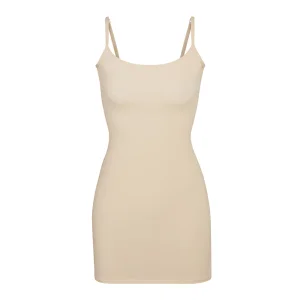
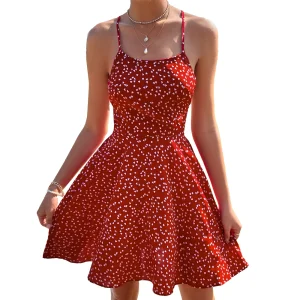
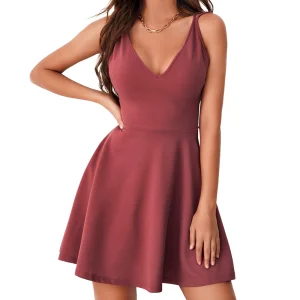
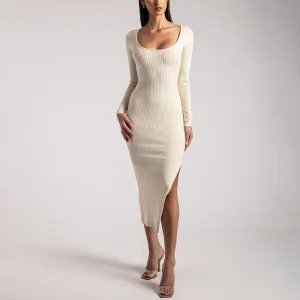
Select from our specialized knits, including maternity options, knitted slip designs, and pleated details.
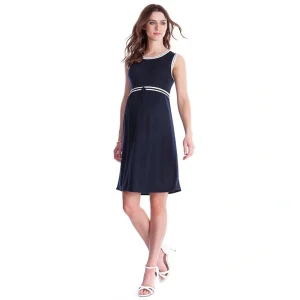
Insights into resource conservation, sustainable materials, and circular solutions.
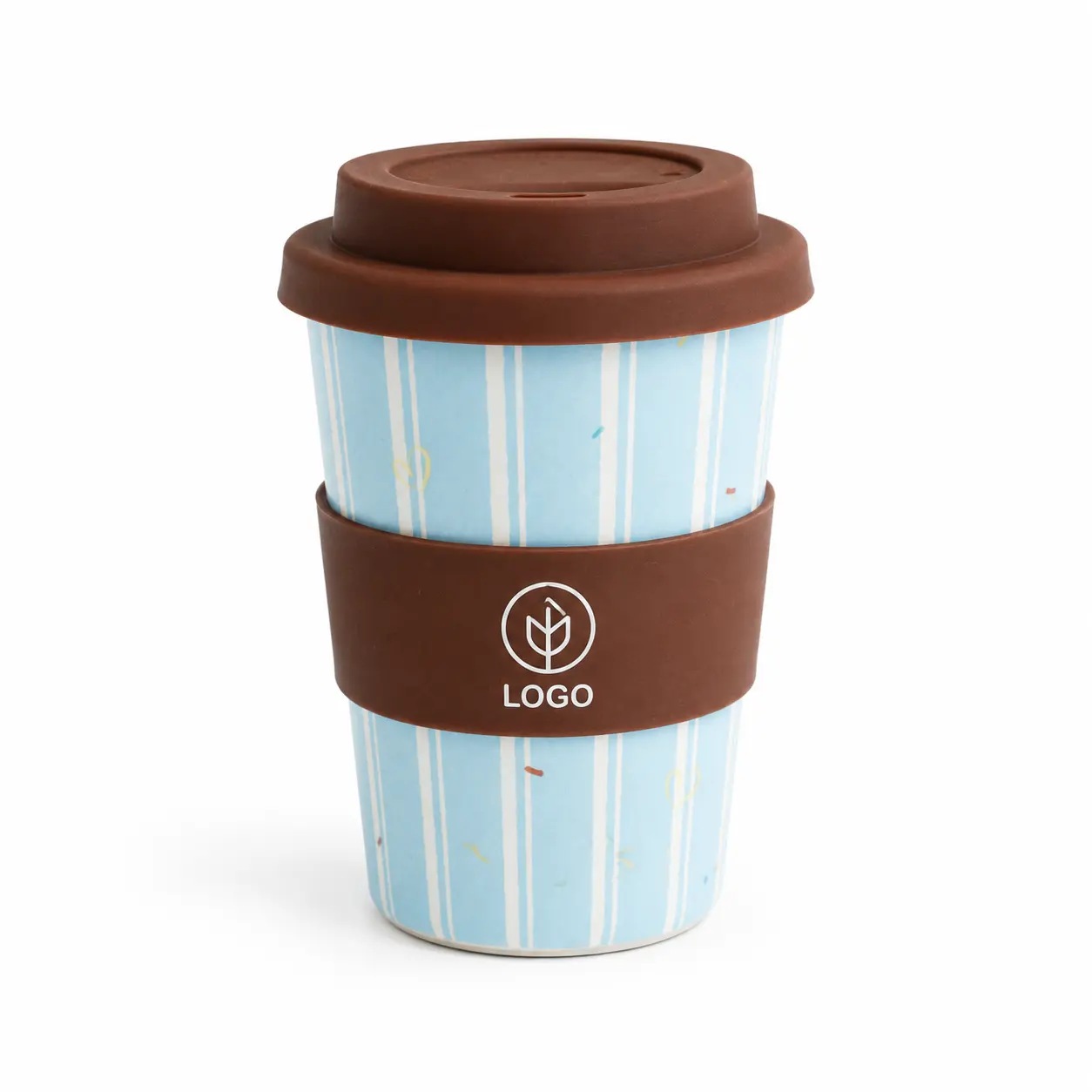
The zero-waste movement has evolved from a niche trend into a global necessity. Households worldwide are rethinking every item in their cupboards, from food storage containers to drinking vessels. In the quest for a truly sustainable kitchen, bamboo fiber cups have taken center stage as a staple...
See More →For millions of people around the world, the morning routine starts with a hot cup of coffee on the way to work. Unfortunately, this convenient habit often comes with a heavy environmental price tag: single-use takeaway paper cups lined with plastic. If you are looking to green up your daily comm...
See More →In today’s fast-paced world, the environmental impact of single-use plastics has become an undeniable crisis. Millions of plastic cups end up in landfills and oceans every day, taking hundreds of years to decompose. As consumers become more conscious, the global movement toward “Plast...
See More →