Explore our certified organic fiber, raw bamboo, and industrial hemp blends designed for international distributors and global apparel brands.
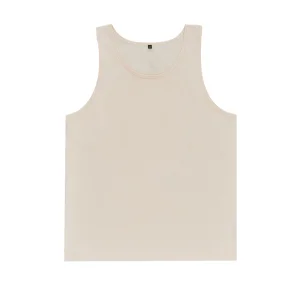
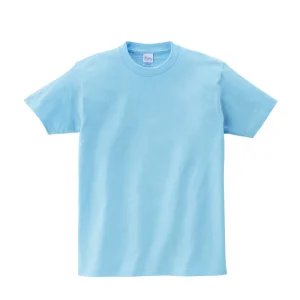
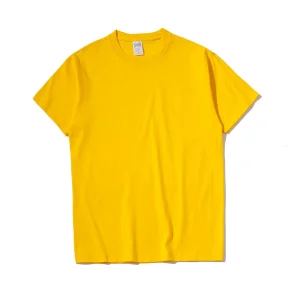
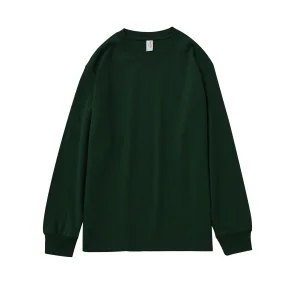
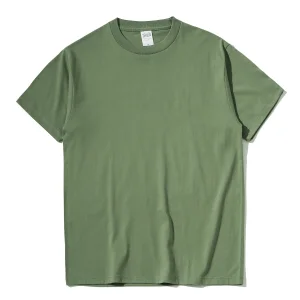

At Ecogarments, we care deeply about apparel, the people who wear them, and the dedicated craftsmen who manufacture them. We firmly believe that corporate success is not measured solely in balance sheets, but in the positive impact we deliver to our communities and our fragile planet.
We are passionate about preserving nature. We challenge our B2B partners, distributors, and consumer brands to take measurable responsibility for their ecological footprint. That is why we continually strive to think outside the box—engineering a lasting, profitable, and highly ethical business case for sustainable, premium-quality apparel worldwide.
The global t-shirt market has graduated from a standard commodity category into a complex arena of technological, social, and ecological considerations. As consumer preferences tilt sharply toward transparency and circularity, global procurement agencies are abandoning high-impact conventional cotton in favor of alternative textiles like organic bamboo fiber and industrial hemp. Sourcing professionals must navigate supply chains that not only optimize unit economics but also comply with stringent international standards regarding chemical discharge, labor ethics, and carbon offsets.
Today's market demands t-shirts that are structurally durable, hypoallergenic, and possess natural performance traits such as moisture-wicking and thermal regulation. By leveraging advanced agriculture and green chemistry, modern manufacturers can offer fabrics that provide maximum comfort with a minimal environmental footprint, transforming the basic garment into an asset of corporate sustainability index reporting.
Providing custom, scalable, and environmentally sound OEM/ODM apparel solutions globally.


China remains the undisputed anchor of global textile intelligence. The concentration of upstream fiber processing, vertical dye-house integrations, and highly automated downstream assembly lines within industrial corridors allows for unprecedented operational speed. In contrast to fragmented sourcing hubs, Chinese manufacturers offer centralized logistics, rapid prototyping, and close-loop supply chains that reduce times-to-market from months to days.
By implementing IoT-driven production tracking, smart pattern-nesting software, and computerized cutting systems, Chinese textile firms dramatically lower fabric waste. This efficiency is coupled with a highly skilled workforce and mature raw material supply chains—specifically for advanced organic cotton, organic bamboo, and eco-viscose. This results in stable, highly predictable wholesale pricing models for global buyers.
Our raw material suppliers are fully certified by the Control Union. All process dyestuffs are certified AOX-free (Adsorbable Organic Halogens) and toxin-free, exceeding European REACH and North American Oeko-Tex Standard 100 guidelines. This guarantees that no hazardous chemicals leach into water tables or remain on the consumer's skin.
Comprehensive B2B capabilities configured to scale your brand identity and secure market share.

We push boundaries to ensure a viable, highly profitable business model centered on ethical sourcing. Our circular business models and low-emission logistical operations safeguard your brand's corporate social responsibility initiatives.
Read Whitepaper
Leverage the expertise of our experienced R&D division. We provide end-to-end support, including tech-pack drafting, sample prototyping, custom color matching, and professional photography (model, flat-lay, and marketing assets).
Explore Process
Our raw material lines are certified by the Control Union. All finished products comply with global eco-label parameters, utilizing non-toxic, AOX-free dyes to meet strict corporate compliance checks globally.
View Certificates
Operating out of a modern 4,000 m² factory space housing state-of-the-art machinery. We scale seamlessly from short-run custom capsules to high-volume recurring inventory shipments for major retail buyers.
Factory Tour
Stay ahead of fast-moving fashion trends. Our integrated design team continuously monitors street-culture aesthetics, material science breakthroughs, and consumer patterns to supply you with monthly designs.
See Trends
We guarantee end-to-end supply chain security. From transport coordination and custom clearing support to product quality guarantees, our post-sales infrastructure ensures zero logistics friction.
Support PolicyApparel performance is context-dependent. The modern t-shirt must cross seamlessly between distinct consumer scenarios without compromising utility or aesthetic value. For instance, in gym and high-intensity training environments, shirts made of pure hemp fiber or specialized bamboo-cotton blends are preferred due to their natural antimicrobial and breathability characteristics. In street-culture markets, heavy cotton blanks, oversized cuts, and dropped-shoulder details define the high-end retail experience.
Additionally, corporate uniform procurement demands robust performance, wash-and-wear resilience, and clean, high-density embroidery. Modern eco-friendly alternatives also cater to specialty markets such as maternal and infant wear, where the extreme softness and hypoallergenic nature of bamboo viscose fibers prevent skin irritations, making them highly desirable for sensitive wearers.
When sourcing t-shirts on a global level, procurement executives must prioritize key fabric metrics over simple unit cost. Below are the critical performance indicators that dictate consumer satisfaction and brand integrity:
As a leading eco-conscious apparel manufacturer, we actively seek out and utilize natural and organic materials, strictly avoiding hazardous plastics, petroleum-heavy synthetics, and toxic chemical dyes. Our production footprint is mapped to support both rapid prototyping and mass-market rollouts, ensuring that large brands can switch to sustainable lines without facing supply disruptions.
Eco Garment specializes in natural fiber textiles. Our product portfolio spans beyond organic t-shirts to include activewear, hoodies, yoga apparel, kids' clothing, and sustainable lifestyle items. We provide B2B clients with the certifications, testing protocols, and design flexibility required to confidently grow their eco-friendly product categories.

The garment sector is on the verge of a structural paradigm shift. By 2030, extended producer responsibility (EPR) regulations in the European Union and North America will require brands to design products with post-consumer recyclability in mind. Consequently, monolithic synthetic materials are being phased out in favor of biodegradable natural fibers. Multi-material blends that cannot be easily separated are being replaced by bio-based mono-materials or clean blends such as organic bamboo-cotton and hemp-cotton.
Simultaneously, digital fashion workflows, such as 3D digital sampling and AI-driven pattern making, are significantly shortening the prototyping phase. Brands can now visualize and test fabrics in digital spaces before cutting raw cloth, reducing material wastage. In physical factories, smart machinery, waterless dye systems, and zero-waste cutting systems are setting new standards for low-impact apparel production.
Expert B2B insights into our production processes, raw materials, and ordering procedures.
Explore our premium custom apparel designs featuring performance fabrics, tailored fits, and eco-certified blends for global markets.
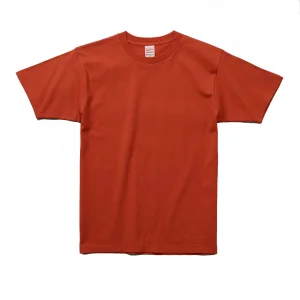
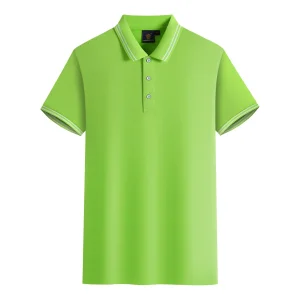

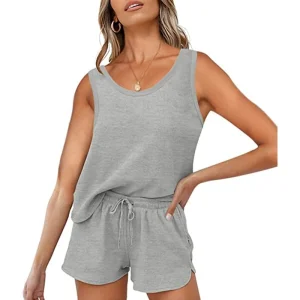
Stay up to date with the latest developments in materials science, zero-waste initiatives, and B2B apparel trends.
The zero-waste movement has evolved from a niche trend into a global necessity. Households worldwide are rethinking every item in their cupboards, from food storage containers to drinking vessels. In the quest for a truly sustainable kitchen, bamboo fiber cups have taken center stage as a staple replacement for single-use plastics.
Read ArticleFor millions of people around the world, the morning routine starts with a hot cup of coffee on the way to work. Unfortunately, this convenient habit often comes with a heavy environmental price tag. Swapping out standard cups for reusable bamboo fiber options is a major step toward supporting circular economy practices.
Read ArticleIn today's fast-paced world, the environmental impact of single-use plastics has become an undeniable crisis. Millions of plastic cups end up in landfills and oceans every day, taking hundreds of years to decompose. As consumers become more conscious, the global movement toward alternative fibers gains massive momentum.
Read Article