1 / 5
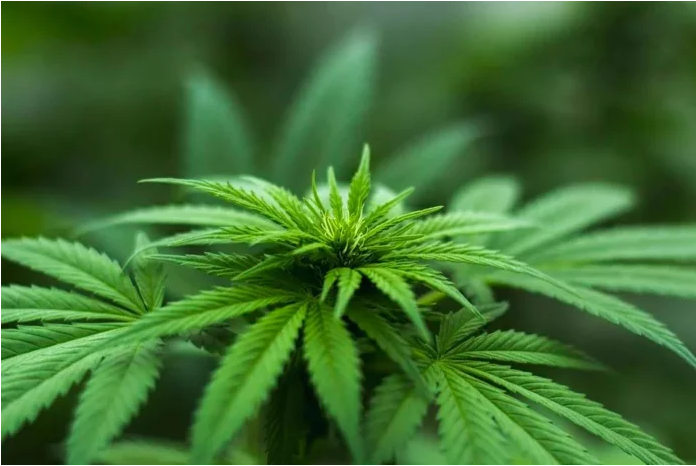
Every industry has to think about the carbon footprint and its global warming implications. The fashion industry, for one, is a major contributor to the issue of global warming and environmental issues. Current fast fashion has created a culture of rapid production and disposal of clothing which is not good for the earth. Hemp clothing helps this issue because, as a crop, it absorbs carbon dioxide from the atmosphere. A lot of the other conventional crops including cotton damage the earth. Hemp can help combat such climate challenges.
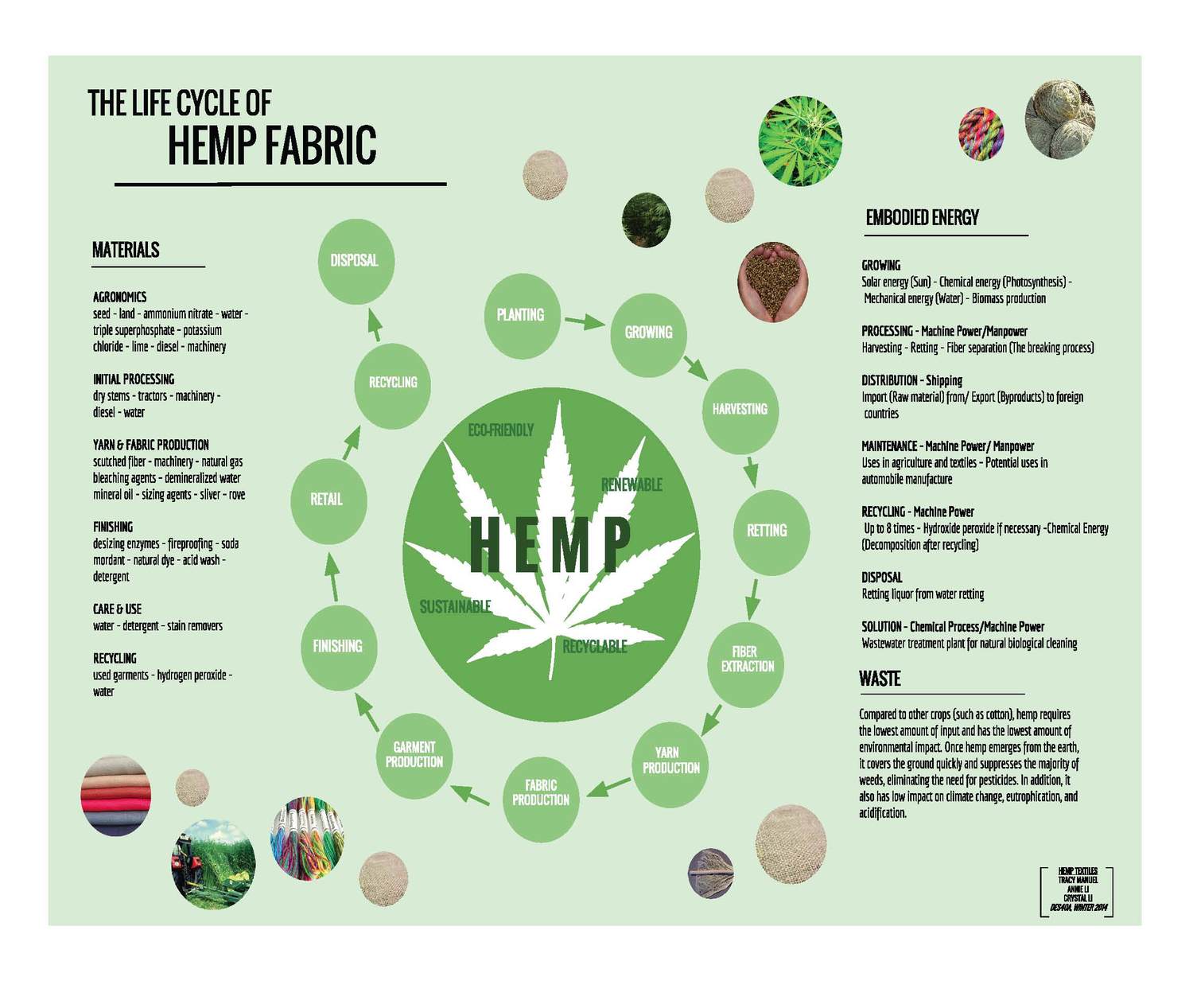
Crops like cotton that give us clothing need a lot of heavy irrigation. This puts a strain on our resources such as freshwater. Hemp is the kind of crop that can thrive well without needing heavy irrigation. The water consumption requirement is a lot less compared to any other crop. That’s why switching to hemp clothing and help cultivation is an excellent way to save water. The minimal use of chemicals avoids soil erosion that happens due to logging. This inadvertently helps water bodies from pollution such as lakes, streams, and rivers.
You can grow hemp in almost all types of soil. It doesn’t rob soil off of its nutrients or other properties. In fact, it helps restore some of the vital nutrients that might have previously been lost. As a farmer, you can grow multiple cycles of hemp on the same land and also plant it as part of crop rotation. Hemp is inherently resistant to pests. It doesn’t need fertilizers either because the shedding of the leaves itself provides the soil with adequate fertilization. If all that wasn’t enough to convince you about the greatness of this crop, then get this – hemp is biodegradable as well.
Hemp as a fabric holds up really well. It’s easy on the skin too. Hemp t-shirts are really breathable. The fabric absorbs sweat well and it’s also easy to dye. It’s resistant to fading. Hemp clothing doesn’t abrase easily. It continues to hold shape. It doesn’t wear off easily even after multiple washes. But, it does get softer and gentler after every wash. Hemp clothes are resistant to mold, UV rays, and mildew.
Other than being incredibly durable, hemp fabric also fights against microbes. If you have a bad odor, then hemp clothing might help you. It prevents the growth of odor-causing bacteria. It packs excellent antimicrobial properties which make it last longer than any other textile fiber like cotton, polyester, etc. Hemp clothes don’t become distorted even after multiple uses and washes.
Hemp clothes are incredibly comfortable to wear. The thing that makes it even more fascinating is that with every wash, you’ll feel the cloth getting softer (but not weaker).
You know that sun rays can damage you. The thread count in hemp clothing is high which means it’s tightly woven. That’s why the sun rays are unable to penetrate through the material. It, therefore, keeps you protected from the harmful effects of UV rays. If you want to stay protected from all kinds of skin issues including cancer, then choose hemp clothing.
Hemp plants help the environment by actively absorbing carbon dioxide from the atmosphere. Cultivating hemp helps reduce the carbon footprint, making it a highly sustainable alternative to other conventional crops like cotton.
No, hemp requires significantly less water and irrigation compared to standard textile crops like cotton. This minimal water requirement helps conserve vital freshwater resources.
Yes, hemp fabric is exceptionally durable, holds its shape well, and is highly resistant to abrasion, mold, mildew, and fading, ensuring it lasts much longer than typical textile fibers.
On the contrary, while hemp fabric holds its strength and durability, it actually becomes softer and gentler against the skin with every single wash.
Hemp fibers are tightly woven, resulting in a high thread count that prevents sun rays from penetrating through the fabric, thereby offering natural protection against harmful UV radiation.
Yes, hemp has natural antimicrobial properties that resist the growth of odor-causing bacteria, keeping your clothes smelling fresh for a longer period of time.