The global maternity and nursing wear market is witnessing an unprecedented evolution, driven by the intersecting demands of modern parenting, ergonomic design, and environmental sustainability. Globally valued at billions of USD, this market has shifted from basic structural garments to highly technical, multi-functional apparel. Modern mothers demand clothing that seamlessly transitions from professional environments to active lifestyles, all while facilitating effortless, discreet nursing.
For B2B buyers, global sourcing directors, and retail brands, finding the right OEM breastfeeding clothes exporters is a strategic priority. Fast fashion methods are no longer sufficient. Today's market dictates that garments be made of skin-safe, certified organic materials, incorporating smart technical innovations such as invisible dual-direction zipper closures, magnetic nursing clips, and overlap privacy layers. Developing these advanced features requires factory partners with mature technical infrastructure, specialized raw material access, and strict quality control protocols.
Postpartum skin, both for mothers and infants, is highly sensitive. The demand for hypoallergenic, temperature-regulating fabrics has pushed sustainable textiles to the forefront of OEM production. Bamboo viscose, organic cotton, and eco-modal are the standard-bearers for premium maternity lines. Viscose from bamboo is naturally moisture-wicking and exceptionally soft, which prevents skin irritation during prolonged breastfeeding. Lenzing Modal, derived from sustainably harvested beechwood, retains its silk-like drape and structural integrity even after dozens of machine washes.
Choosing certified safe textiles is crucial. Respected manufacturers use OEKO-TEX Standard 100 and Global Organic Textile Standard (GOTS) certified fabrics. These certifications guarantee that no harmful chemicals, heavy metals, or toxic dyes touch the mother or the baby. Ecogarments ensures that all dyestuffs are AOX and toxin-free, which provides retail partners with reliable compliance documentation for strict markets like the EU and North America.
At Ecogarments we care about Apparel, about the people who wear them and the people who make them. We believe that success is not measured solely in money, but in the positive impact we have on those around us and our planet.
We are passionate. We are pure. We challenge those around us to take responsibility for their ecological footprint. And we always strive to think outside the box to build a lasting business case for sustainable, good quality Apparel.
As an eco-friendly apparel manufacturer, we prioritize natural and organic materials, avoiding plastic and toxic substances in our production workflows.


Producing functional nursing wear requires a deep understanding of postpartum body changes. Mothers need adaptive support, breathable panels, and secure fastening mechanisms that do not pinch the skin. The technical design roadmap focuses on the following key innovations:
OEM factories must be equipped with specialized apparel machinery, flat-lock stitching capabilities, and high-precision laser cutting machines to avoid rough edges. These techniques ensure the seams lay completely flat, preventing chafing against sensitive breast tissue.
Importing maternity apparel on a global scale demands robust logistics and compliance handling. When choosing exporters, purchasing directors must verify supply chain tracking from raw plant material to finished product. This ensures transparency, which can then be marketed directly to the end-consumer.
B2B importers should pay close attention to tariff structures, seasonal shipping capacities, and raw material pricing. By establishing key warehousing agreements and securing reliable raw fiber allocations, factories can stabilize FOB quotes even when global shipping indexes fluctuate. A stable supplier chain ensures on-time deliveries for seasonal collection launches.
With over 12 years of experience in our pocket, we don't shy away from a challenge. Here are the top 6 segments that we cater to.

We always strive to think outside the box to build a lasting business case for sustainable, good quality Apparel.

With the help of Ecogarments powerful R&D team, we provide one-stop services for ODE/OEM clients. We have a great professional photography team, that can help us to deal with video capture, model shooting, and still life shooting.

Our fabric suppliers and manufacturers are certified by Control Union. Dyestuffs are AOX and TOXIN free. We accept custom order configurations to match exact structural specifications.

10+ years in eco-friendly textiles with steady organic fabric supply chains. Guided by 'Preserve our planet, back to nature' to spread a sustainable lifestyle. Our 4,000+ sqm factory handles complex designs smoothly.

Follow us on social media for updates. Having spent over a decade in the apparel industry, we are often among the first to design and publish new functional patterns.

From online retail setup to massive marketplace supply, we deliver solutions for your business. We update styles and designs monthly to help you stay ahead of ever-evolving fashion trends.
Combining structural performance, sustainable fabrics, and certified safety parameters.
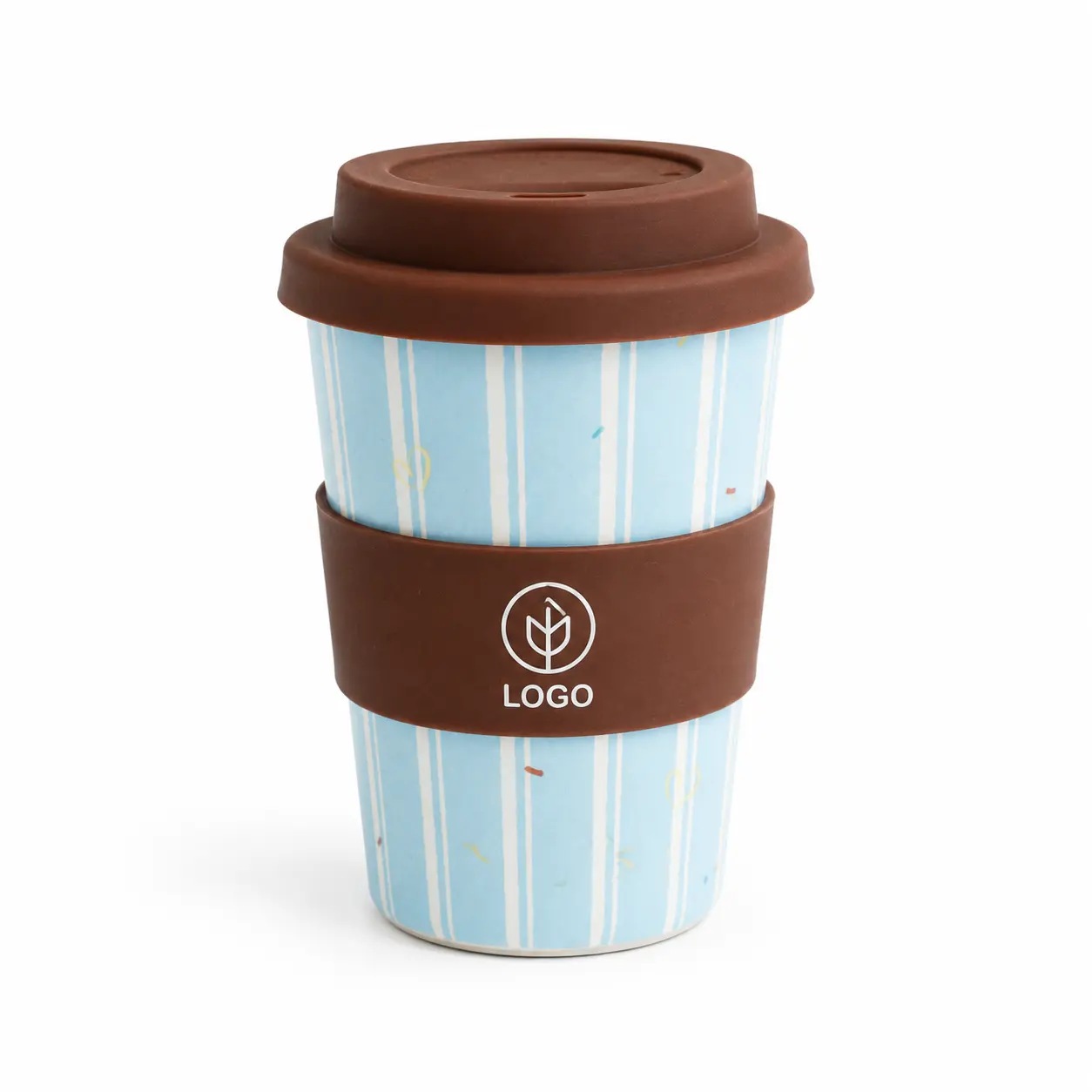
Made from rapidly renewable natural bamboo fiber. Free of BPA, PVC and toxic additives. Shatterproof & lightweight build, perfect for commute and travel.
View Details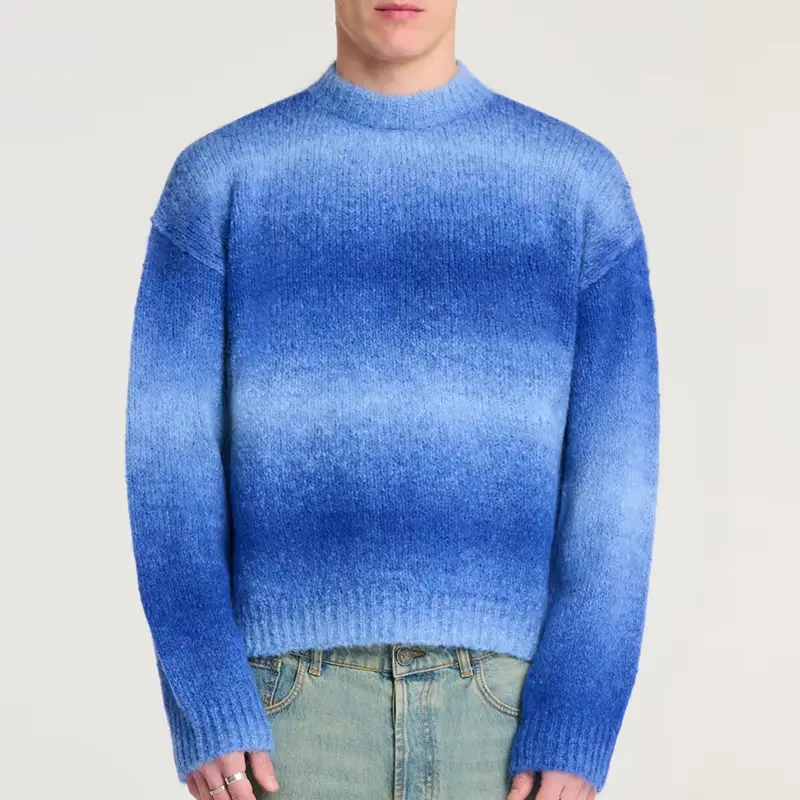
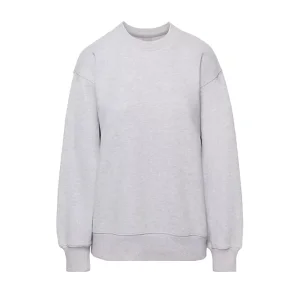
Our custom mohair sweaters come in a stunning palette of colors—from rich neutrals to vibrant hues. Classic crewnecks, chic turtlenecks, or trendy oversized fits.
View Details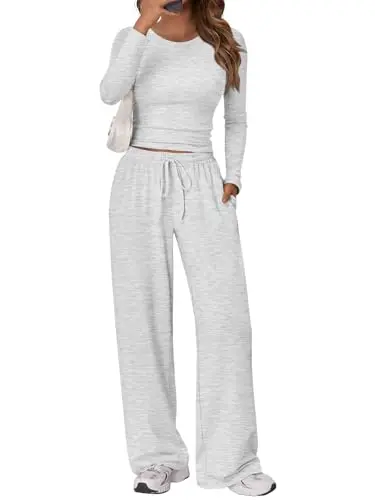
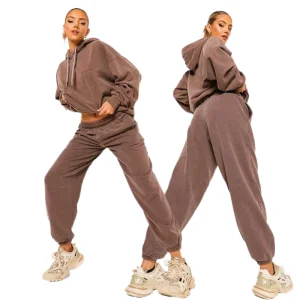
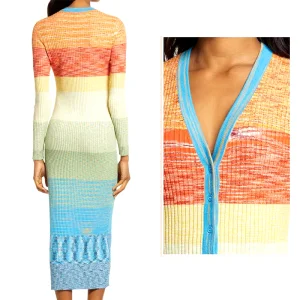
Fitted without being constricting, it flatters the collarbone line. Simple yet refined detailing, this casual sports style is widely popular. Effortlessly versatile.
View Details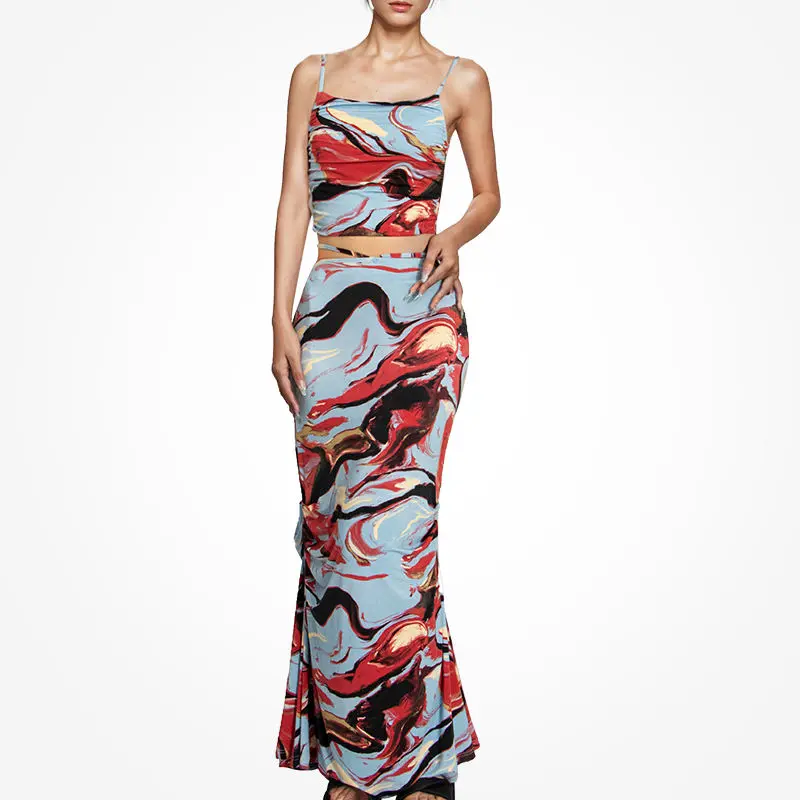
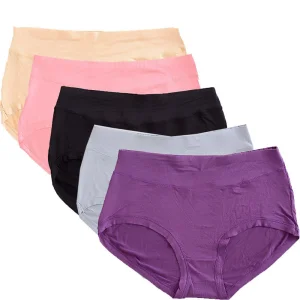
The bamboo viscose, derived from sustainable pulp, introduces a luxuriously soft and silky hand-feel. Ideal for everything from casual outings to more refined occasions.
View Details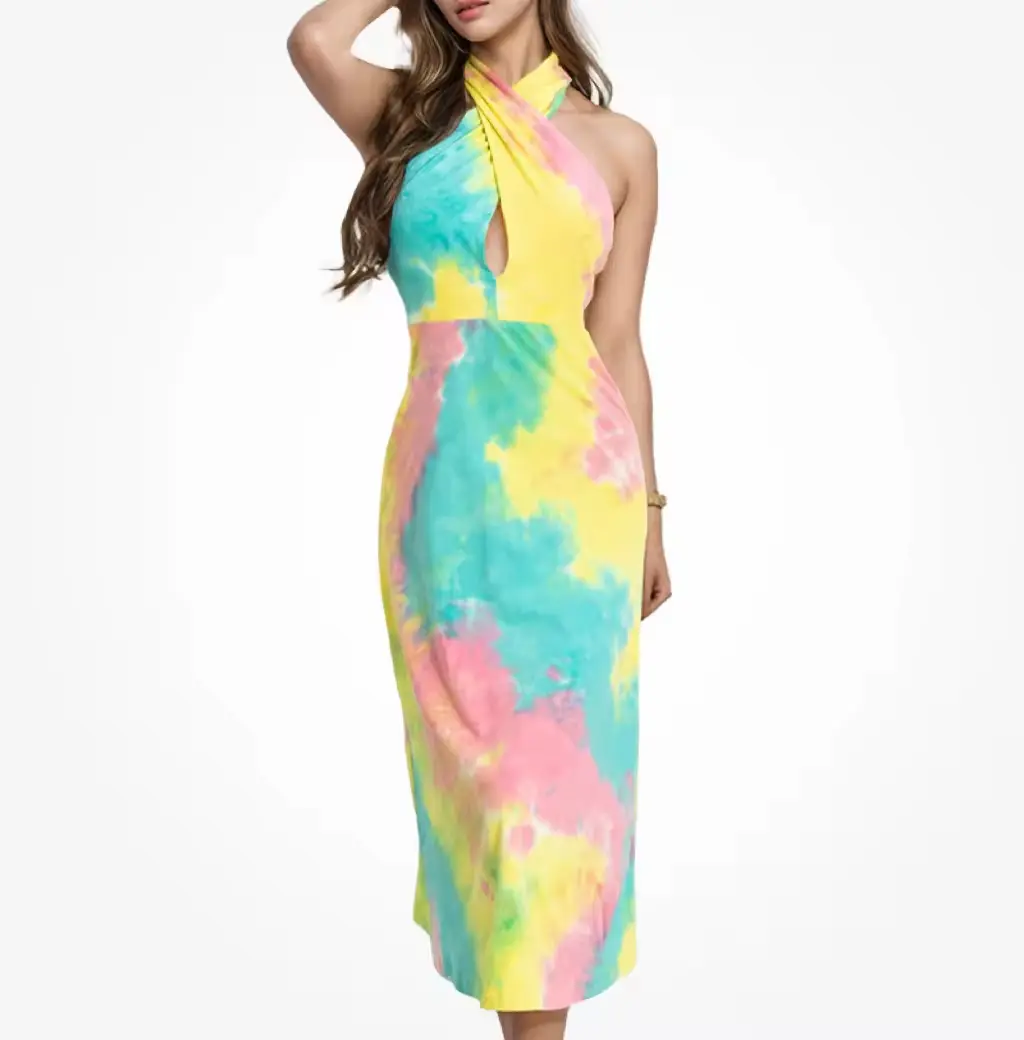
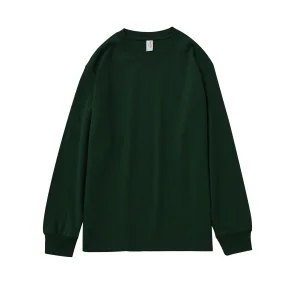
The unique style modifies the line of your neck, showing your charming clavicle. Embellishes your slender waist and shows the proportion of the whole body.
View Details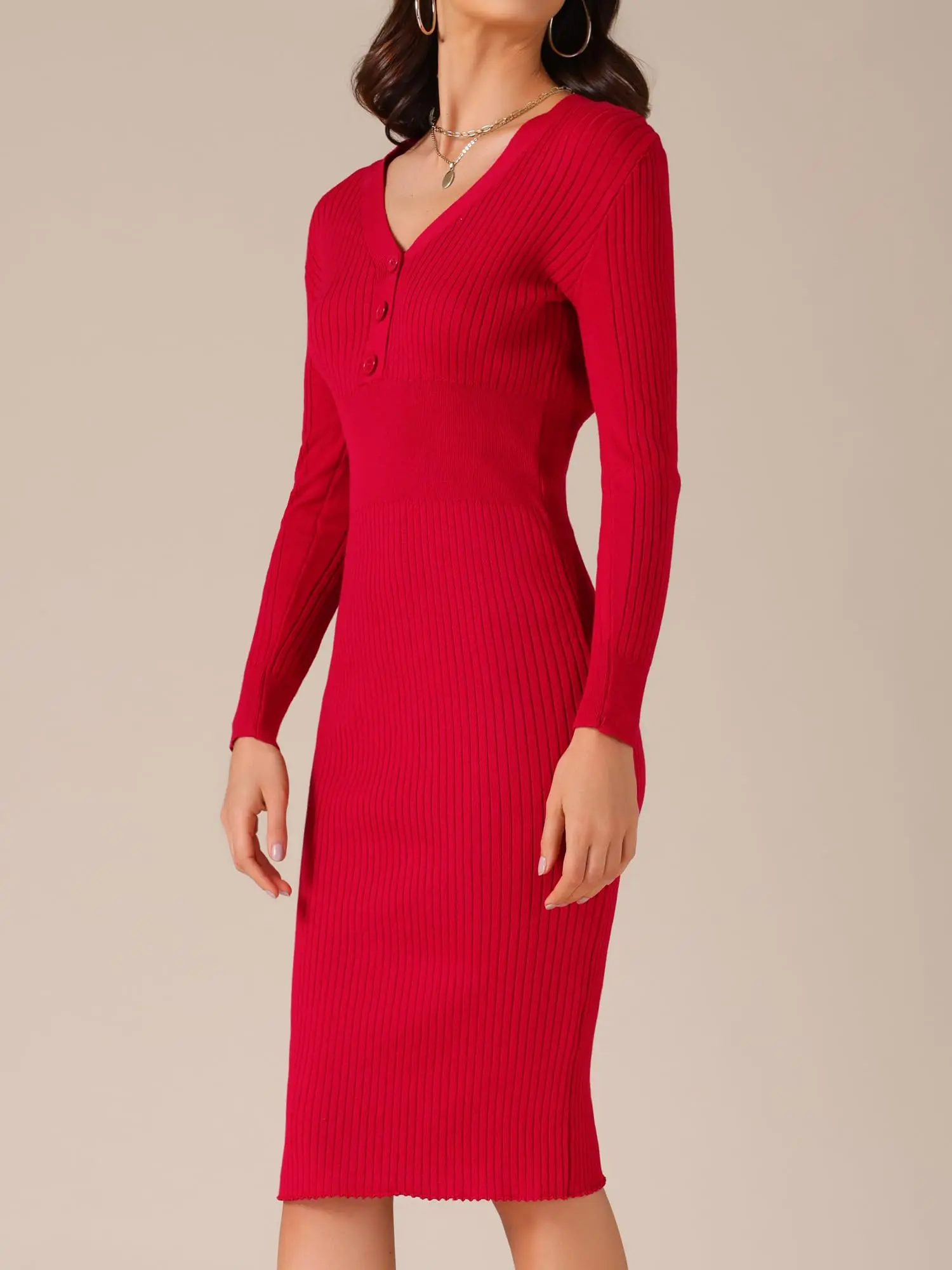
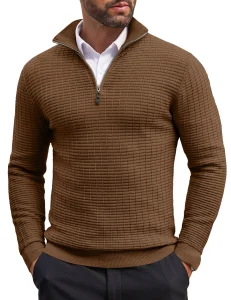
Crafted for unparalleled softness, this sweater feels like a gentle hug. It is the foundational sweater that ties countless outfits together.
View DetailsNavigating the raw pricing matrices of OEM maternity garments is essential for global buyers. Production costs are predominantly determined by four variables: fabric weight (GSM), yarn count (e.g., 40s vs 60s modal), closure hardware complexity, and total order volume (MOQ). Understanding these components allows sourcing directors to optimize their purchasing strategies.
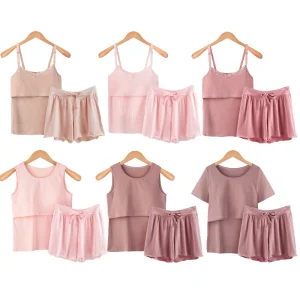
For instance, lightweight summer confinement pajamas might utilize a 180 GSM bamboo-spandex blend, which keeps production costs lower while ensuring excellent breathability. Conversely, mid-weight active nursing hoodies require 280-320 GSM French Terry structures, raising the raw material cost but yielding a durable, premium product. Standardizing hardware components like invisible side zippers across multiple SKUs is a smart way to lower unit costs and simplify production processes.
When reviewing custom export quotes, buyers should clarify the pricing structure (FOB vs CIF). Leading exporters provide detailed bills of materials (BOM), outlining chemical treatment compliance (like AOX and toxin-free processes), packaging specs, and structural testing metrics. Working with transparent manufacturers reduces compliance risks when importing into highly regulated markets.
The zero-waste movement has evolved from a niche trend into a global necessity. Households worldwide are rethinking every item in their cupboards, from food storage containers to drinking vessels...
For millions of people around the world, the morning routine starts with a hot cup of coffee on the way to work. Unfortunately, this convenient habit often comes with a heavy environmental price tag...
In today's fast-paced world, the environmental impact of single-use plastics has become an undeniable crisis. Millions of plastic cups end up in landfills and oceans every day, taking hundreds of years to decompose...
Key information for B2B buyers looking to source custom maternity and nursing apparel.