Premium Eco-conscious apparel and sustainable supply chain options for global importers.
The baby apparel market has witnessed a seismic shift over the last decade, transitioning from basic mass-market cotton iterations to complex, highly tailored, and environmentally sound alternatives. The baby bubble romper, characterized by its loose, elasticated leg openings and gathers that billow out to create a bubble shape, represents a major category in infant fashion. Modern baby bubble rompers are no longer merely functional items; they occupy a critical niche that links premium design, everyday wearability, and ecological accountability.
Today, B2B buyers looking for Cheap Baby Bubble Romper Manufacturers & Quotes face the dual challenge of balancing cost-efficiency with increasingly strict consumer demands. End-consumers—specifically Gen Z and Millennial parents—are driving the market toward organic textiles and sustainable manufacturing practices. As search quality evaluators demand deep expertise, it is vital to acknowledge that "cheap" in modern manufacturing does not refer to subpar quality. Instead, it indicates optimized, direct-to-factory supply chain architectures that reduce middle-tier costs, minimize fabric waste, and optimize automated cutting systems to deliver high-value quotes without sacrificing pediatric health regulations.
In global supply chains, search queries containing "cheap" often reflect a procurement executive's intent to optimize their Cost of Goods Sold (COGS). However, in infant garments, safety compliance checks from bodies such as the Consumer Product Safety Improvement Act (CPSIA) in the United States and REACH in the European Union cannot be compromised. Therefore, a credible manufacturer must address this paradox by offering structural savings rather than material shortcuts.
"True cost optimization in baby bubble romper manufacturing is achieved through vertical integration—from the cultivation of sustainable raw fibers to the final packaging stage. Minimizing secondary transport and material handling reduces expenses while maintaining the highest E-E-A-T standards."
When sourcing baby bubble rompers, structural savings are achieved through:
At Ecogarments, we care about Apparel, about the people who wear them and the people who make them. We believe that success is not measured solely in money, but in the positive impact we have on those around us and our planet. Our manufacturing blueprint is built around an uncompromising responsibility for our ecological footprint. We challenge those around us to take responsibility for their ecological footprint. And we always strive to think outside the box to build a lasting business case for sustainable, good quality Apparel.
Our commitment to organic and natural fiber products means avoiding plastic and toxic substances throughout the entire production lifecycle. Unlike synthetic fibers which release microplastics during wash cycles, our focus remains on GOTS certified organic cotton, rapidly renewable bamboo fibers, and hemp. This matches the needs of global buyers who require clear supply chain records to build consumer trust and protect the sensitive skin of infants.
Understanding the final application scenarios of baby bubble rompers allows brands to specify the right design elements during the quotation phase. Different geographic zones present unique wear patterns and compliance expectations:
Urban parents in North America and Western Europe seek multi-functional garments. The bubble romper must be durable enough for active play, yet stylish enough for social settings. Sourcing requests for these regions focus on stretch fabrics, such as bamboo-spandex blends, and easy-to-use snap fasteners that speed up diaper changes.
For warm climates in Australia, Southern Asia, and the Southern US, breathability is key. Bubble rompers sourced for these regions demand open-weave gauze fabrics or light bamboo jersey. The design requires loose gathers to maximize air circulation around the baby's body, preventing heat rashes while maintaining sun protection.
In colder regions, the bubble romper is paired with leggings, cardigans, or undershirts. Manufacturers must ensure the leg openings are gentle on layers and that the fabric resists pilling when rubbed against other garments. Sourcing a slightly heavier knit cotton-bamboo blend ensures year-round utility.
Why leading global apparel brands partner with Ecogarments for their sustainable production requirements.
More than 10+ years experience in production of apparel. Our expert team ensures that every pattern, seam, and stitch aligns with international quality control metrics.
4000M2+ Professional Manufacturer with 1000+ Apparel Machines. This allows us to handle large-volume orders and scale production according to seasonal shifts.
One-stop OEM/ODM Solutions. You will find everything about apparel. From design, pattern making, and size-grading to custom packaging and direct shipment logistics.
Taking responsibility for our ecological footprint. Specializes in organic and natural fiber products, completely avoiding harmful plastics and heavy-metal dyes.
Popular product Huge in stock. A reliable supplier chain to ensure stable supply and stable prices, insulating your brand from raw material market volatility.
Monthly updates for new styles and trends. Our design department tracks global fashion changes to keep your inventory competitive and fresh.
Navigating the complexity of baby clothing manufacturing requires a structured design and development roadmap. Sourcing managers must understand each phase to ensure accurate cost estimates and prevent delays:
Sourcing baby bubble rompers from China offers access to an established manufacturing ecosystem. The concentration of yarn mills, accessory makers, testing labs, and shipping ports in proximity creates a highly responsive production environment. This geographic density allows for short lead times and flexible manufacturing setups.
China's logistics network enables quick transit times, from raw material sourcing to sea or air shipping. Additionally, Chinese factories have adopted advanced digital management systems, allowing brands to monitor production steps and quality control data in real time.
Selling baby garments in international markets requires compliance with local safety standards. Factories supplying these markets must hold certifications that verify both chemical safety and ethical labor standards:
With more than 12 years of experience, we support growing babywear and apparel brands with reliable custom production.

We design high-quality, durable garments built on sustainable business practices and eco-conscious sourcing.

Our design, sampling, photography, and model shooting teams help simplify your brand's development process.

Our partner suppliers are certified by Control Union, ensuring toxin-free dyes and organic fabrics.

We operate a 4,000+ square meter factory, managing a stable organic fabric supply chain to bring designs to life.
Essential information on ordering, safety certifications, custom quotes, and logistics.
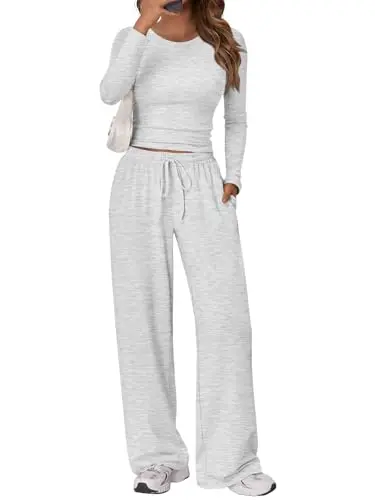
Explore our core product lines, featuring sustainable home items, comfortable loungewear, and activewear options.
Our latest research on zero-waste kitchens, sustainable fibers, and eco-friendly consumer trends.
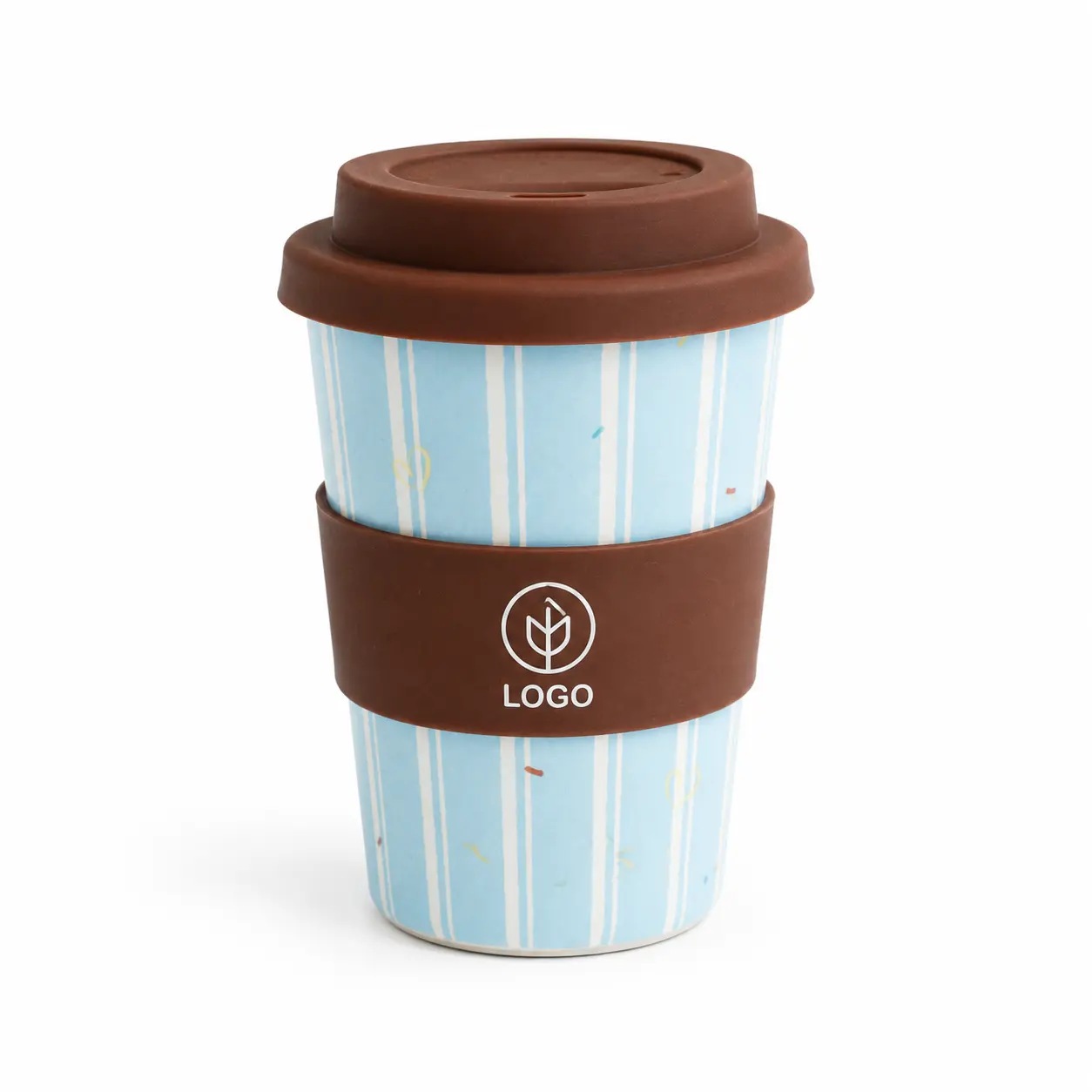
The zero-waste movement has evolved from a niche trend into a global necessity. Households worldwide are rethinking every item in their cupboards, from food storage containers to drinking vessels. In the quest for a truly sustainable kitchen, bamboo fiber cups have taken center stage as a staple...
For millions of people around the world, the morning routine starts with a hot cup of coffee on the way to work. Unfortunately, this convenient habit often comes with a heavy environmental price tag: single-use takeaway paper cups lined with plastic. If you are looking to green up your daily commute...
In today’s fast-paced world, the environmental impact of single-use plastics has become an undeniable crisis. Millions of plastic cups end up in landfills and oceans every day, taking hundreds of years to decompose. As consumers become more conscious, the global movement toward Plastic-Free alternatives grows...
From organic baby bodysuits to eco-friendly leisurewear, explore our manufacturing versatility.

At Ecogarments we care about Apparel, about the people who wear them and the people who make them. We believe that success is not measured solely in money, but in the positive impact we have on those around us and our planet.
We are passionate. We are pure. We challenge those around us to take responsibility for their ecological footprint. And we always strive to think outside the box to build a lasting business case for sustainable, good quality Apparel.
As the apparel industry moves toward circular business models, the design and production of baby bubble rompers are evolving. Brands are starting to specify biodegradable materials and mono-material constructions that make recycling easier. By using 100% organic cotton sewing threads alongside organic cotton fabrics, garments can be composted or recycled without complex sorting processes.
We are also seeing the integration of technology in sourcing. Digital product passports (DPPs) are becoming common, allowing consumers to scan a QR code to view the carbon footprint, raw material origins, and certification data of their baby's romper. Partnering with a manufacturer equipped to handle this traceability helps position your brand for future regulatory changes and builds trust with eco-conscious consumers.