
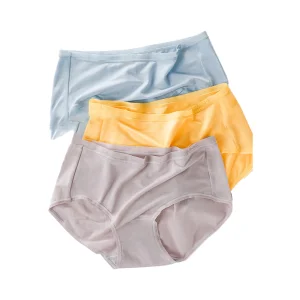
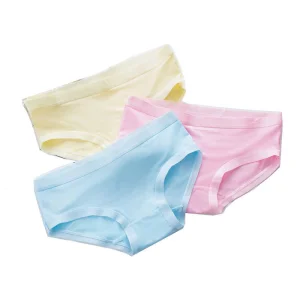
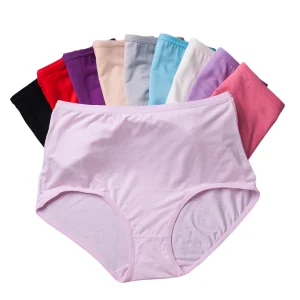
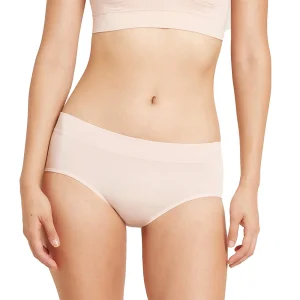
Over the past decade, Sub-Saharan Africa, with Ghana at the forefront, has rapidly evolved from a regional market to a strategic player in the global textile and garment manufacturing matrix. Driven by national industrialization programs, such as the *One District, One Factory (1D1F)* initiative, and backed by the robust trade infrastructure of the **African Continental Free Trade Area (AfCFTA)** secretariat headquartered in Accra, the nation is positioning itself as a key supplier of high-value garments, specifically women's underwear and foundational intimates.
Unlike traditional low-cost assembly hubs, Ghana's intimate apparel sector is developing a unique competitive edge focused on sustainability and organic materials. By integrating ecological processing pathways with high-tech bamboo fibers, local manufacturers and strategic joint ventures are providing global brands with a dual advantage: significant tariff benefits under the **African Growth and Opportunity Act (AGOA)** for exports to the US, and duty-free access to the European Union market via Economic Partnership Agreements (EPAs), while concurrently ensuring a minimized carbon footprint.
Geographic location plays a critical role in user intent mining for supply chain resilience. Ghana's modern deepwater ports, particularly the recently expanded Tema Port, offer drastically reduced shipping transit times compared to traditional East Asian logistics hubs. Sourcing from West Africa enables shipping routes to reach Western European ports in under 12 to 14 days and the East Coast of North America in under 18 days, bypassing volatile maritime bottlenecks like the Suez Canal and Malacca Straits.
Modern consumer sentiment has shifted irrevocably toward eco-accountability. According to search intent data, global searches for "sustainable underwear," "biodegradable bamboo panties," and "organic cotton bras" have grown exponentially. This shift presents a massive opportunity for manufacturers operating out of Ghana. Traditional synthetic materials like nylon and polyester are being replaced by bio-synthetics, organic cotton, and specialized bamboo viscose blends.
Our environmental protection philosophy directly aligns with this trend. At **Ecogarments**, we believe that business success is not measured solely in monetary returns, but in the positive ecological and social impact we create. We challenge those around us to take responsibility for their ecological footprint. By employing naturally anti-bacterial bamboo fibers, which require no pesticides and minimal irrigation compared to traditional cotton, we deliver high-performance intimate wear that is naturally hypoallergenic, moisture-wicking, and exceptionally soft.
Bamboo viscose and modal fabrics are highly suited to warm, humid climates like West Africa's. The natural micro-gaps in the cross-section of bamboo fibers give them superior ventilation and moisture absorption properties compared to synthetic alternatives. In addition, we utilize advanced spinning processes that preserve the "bamboo quinone"—a natural bio-agent that provides inherent antibacterial and odor-resistant properties, crucial for daily underwear comfort and hygiene.
To cater to diverse international requirements, our production ecosystem offers a comprehensive, one-stop OEM/ODM solution. From concept sketch validation, CAD sizing optimization, to fabric dyeing under strict **Control Union** regulations, we ensure every detail of the supply chain is tracked.
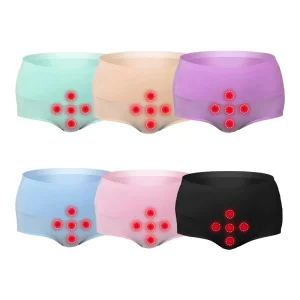
For global brands looking to target the growing African consumer market or import directly to North America and Europe, we provide specialized design adaptations. This includes optimizing sizing distributions for diverse body shapes, integrating high-elasticity 60S/80S modal fibers, and implementing specialized leak-proof and magnetic technologies for physiological underwear solutions.
Expert team handling advanced fabric development, bulk production, and streamlined global export clearance.
Equipped with over 1000+ modern knitting and sewing machines designed for seamless underwear assembly.
Materials comply with strict certifications, ensuring zero toxic dyes, non-chemical processes, and skin safety.
Operating in Ghana's Free Zone Enclaves enables international collaborations to benefit from tax holidays, duty-free importation of manufacturing machinery, and streamlined customs handling. However, compliance goes beyond fiscal advantages. In the modern E-E-A-T evaluation framework, **Trustworthiness (T)** is highly dependent on labor ethics and verified compliance.
Our partner mills and factories enforce strict fair-wage structures, comprehensive local training programs, and gender-equality policies, reinforcing the social pillar of ESG (Environmental, Social, and Governance). By providing fair and dignified work to local communities in Accra and Tema, we actively contribute to sustainable economic growth in Ghana.
Furthermore, our dyeing mills use state-of-the-art closed-loop water filtration systems, ensuring that zero toxic discharge or AOX compounds compromise the local Volta River basin or municipal water tables. This commitment ensures that your brand remains protected from supply chain scandals and fully aligned with global ESG frameworks.
Intimate apparel manufacturing requires high precision. A deviation of just 2mm can lead to compromised elastic fit and product failure. To counter this, our manufacturing roadmap integrates AI-assisted computer-aided design (CAD) systems that optimize pattern nesting. This reduces fabric waste by up to 15%, contributing significantly to our zero-waste objectives.
Looking ahead, we are investing in digitized supply chain portals that allow global buyers to track fabric production, dye certification, stitching stages, and maritime dispatch in real-time. This level of transparency provides peace of mind to buyers in the US, Europe, and Asia, proving that West African production can meet and exceed traditional Far East tracking protocols.

The zero-waste movement has evolved from a niche trend into a global necessity. Households worldwide are rethinking every item in their cupboards, from food storage containers to drinking vessels. In the quest for a truly sustainable kitchen, bamboo fiber cups have taken center stage as a staple...
For millions of people around the world, the morning routine starts with a hot cup of coffee on the way to work. Unfortunately, this convenient habit often comes with a heavy environmental price tag: single-use takeaway paper cups lined with plastic. If you are looking to green up your daily comm...
In today’s fast-paced world, the environmental impact of single-use plastics has become an undeniable crisis. Millions of plastic cups end up in landfills and oceans every day, taking hundreds of years to decompose. As consumers become more conscious, the global movement toward “Plast...