At Ecogarments we care about Apparel, about the people who wear them and the people who make them. We believe that success is not measured solely in money, but in the positive impact we have on those around us and our planet.
We are passionate. We are pure. We challenge those around us to take responsibility for their ecological footprint. And we always strive to think outside the box to build a lasting business case for sustainable, good quality Apparel.
Learn More & Contact UsAs Africa's most populous nation and one of its largest economic blocks, Nigeria presents a highly dynamic and structurally complex market for apparel and textiles. While sub-Saharan Africa is historically recognized for its warm climate, local geographical microclimates, seasonal weather patterns, and the rise of formal corporate and educational structures create a robust, recurring demand for knitwear. From the cold, dry winds of the northern Harmattan to the chilly mountainous regions of Jos, Obudu, and Mambilla, sweaters and cardigans are not merely decorative fashion items, but essential, utilitarian garments.
This whitepaper analyzes the mechanical, economical, and logistical dynamics of importing premium knitwear into Nigeria. By mapping out custom manufacturing metrics, cost components, material engineering, and supply-chain resilience models in partnership with modern Chinese factories, this document serves as a master sourcing playbook for Nigerian distributors, corporate purchasing agents, and fashion brand managers.
"For high-volume retail buyers in Lagos, Kano, and Abuja, establishing a reliable OEM/ODM pipeline that balances moisture-wicking synthetic blends with premium natural fibers like bamboo and cashmere is the key to capturing market share."
To accurately capture user intent, designers and sourcing managers must understand the geographical distribution of temperature variations within Nigeria. The country experiences three distinct climate zones: the wet equatorial in the south, the tropical wet-and-dry in the center, and the arid dry in the far north. This divergence dictates knitwear preferences:
While local production in Nigeria is encouraged by federal import substitution programs, domestic textile mills face significant headwinds. Issues such as structural grid instability, dependency on expensive diesel power generation, and limited access to high-precision computerized knitting machines make local production cost-prohibitive for intricate patterns (e.g., custom jacquards and mohair blends).
In contrast, China's premium knitwear ecosystems (located in manufacturing clusters like Zhejiang and Guangdong) leverage highly automated supply chains. Using advanced electronic flat knitting machinery (such as Shima Seiki and Stoll), factories can achieve high-speed, zero-waste construction. This efficiency results in a cost-per-unit that remains lower than localized African production, even after factoring in international shipping, insurance, and import duties.
For the Nigerian market, fabric selection must balance thermodynamic properties, durability under harsh washing conditions, and economic viability. Our factory specializes in the following key compositions:
| Yarn Material | Gauge Range | Key Performance Features | Primary Nigeria Target Audience |
|---|---|---|---|
| Bamboo Viscose Blend | 12G - 14G | Highly breathable, antibacterial, moisture-wicking, luxurious drape. | Lagos Corporate Attire, Modern Hijabs, Luxury Loungewear. |
| Acrylic / Cotton Mix | 7G - 12G | High washing durability, colorfastness, lightweight warmth, economical. | Academic/School Uniforms, General Retail Fast Fashion. |
| Premium Silk Cashmere | 12G - 14G | Ultra-soft feel, heat regulation, prestige market appeal. | Boutiques in Abuja (Maitama, Asokoro) & Lagos (Ikoyi). |
| Heavyweight Cotton Fleece | Brush Fleece | Maximum wind protection, streetwear aesthetic, soft brushed interior. | Gen-Z Streetwear Brands, Northern Harmattan Wear. |
Understanding the cost composition of a sweater order is crucial for maintaining retail margins. The final Unit Landed Cost (ULC) in Nigeria consists of four major pricing tiers: FOB Factory Price, Ocean/Air Freight, Custom Clearing (including SONCAP fees), and In-Country Logistics.
Our OEM/ODM factory optimizes margins by implementing a sliding scale pricing structure based on minimum order quantities (MOQ). For example, acrylic school cardigans can be manufactured at extremely low price points when ordered in volumes exceeding 3,000 units. Conversely, custom mohair boutique items with low-volume production requirements will command a premium due to yarn dye-lot minimums and detailed machine setups.
To avoid costly delays at ports like Apapa or Tin Can Island, Nigerian importers must strictly adhere to the regulatory framework of the federal government:
The global shift toward sustainable and ethical apparel is rapidly gaining traction among middle-class African consumers. Brands that offer "Information Gain" via transparent sourcing, organic cotton certifications, and biodegradable bamboo fibers are successfully differentiating themselves from low-quality second-hand clothing (locally known as "Okrika"). By aligning your brand with verified eco-friendly factories, you protect your long-term reputation and tap into a growing market segment that values planetary health alongside personal fashion.
As an apparel manufacturer, we use natural and organic materials where possible, avoiding plastic and toxic substances. Eco Garment, an eco-friendly garment company, specializes in organic and natural fiber products.
More than 10+ years experience in production of apparel.
4000M2+ Professional Manufacturer 1000+ Apparel Machine.
One-stop OEM/ODM Solutions. You will find everything about apparel.
Taking responsibility for our ecological footprint. Specializes in organic and natural fiber products.
Popular product Huge in stock, A great supplier chain to ensure stable supply and price.
Monthly update for New styles and trends.
With more than 12 years of experience in our pocket, we don't shy away from a challenge. Here are the top 6 segments that we cater to. Don't see where you fit? Give us a call!
We always strive to think outside the box to build a lasting business case for sustainable, good quality Apparel.
With the help of Ecogarments powerful R&D team, we provide one-stop services for ODE/OEM clients. We have a great professional photography team that can help with video capture, model shooting, and still life shooting.
Our fabric suppliers and manufacturers are all certified by Control Union. The dyestuffs are all AOX and TOXIN free. We design and develop new products according to buyers' specific requirements.
With more than 10 years of experience in eco-friendly textiles, we established a steady organic fabric supply chain. Our 4,000 square meters factory allows us to process any idea from you.
We are the first to get pieces or publish content about what's going on in the sustainable design sector globally.
From online retail to marketplace integrations, we provide complete solutions for your business. We update styles and designs monthly to match the rapid fashion cycles.
We are not only committed to providing customers with high-performance, high-quality products, but also safe and pleasant environmentally friendly choices.
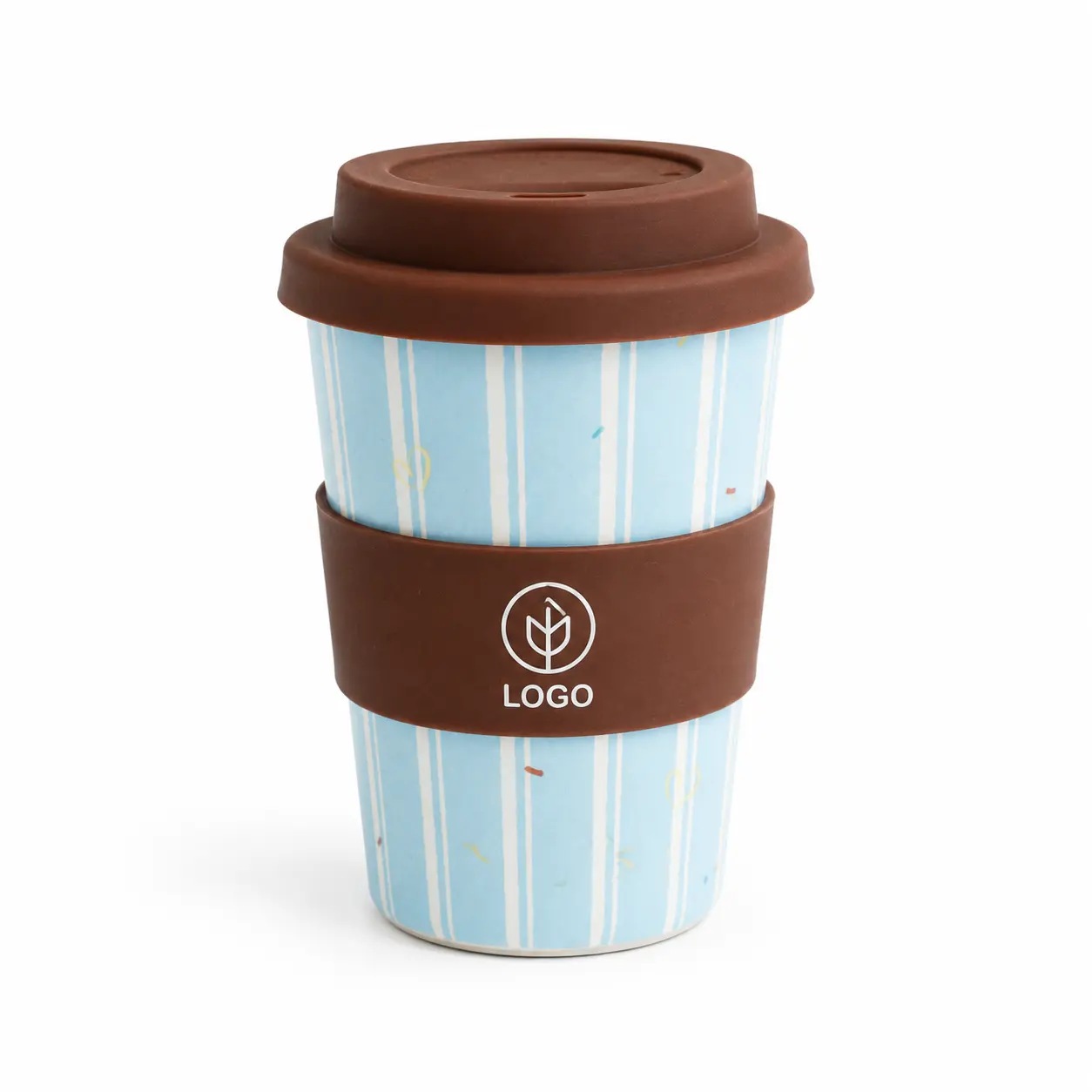
Made from rapidly renewable natural bamboo fiber, a sustainable alternative to single-use plastic cups. Free of BPA, PVC and toxic additives. Shatterproof & lightweight build, perfect for home, office, commute, and travel.
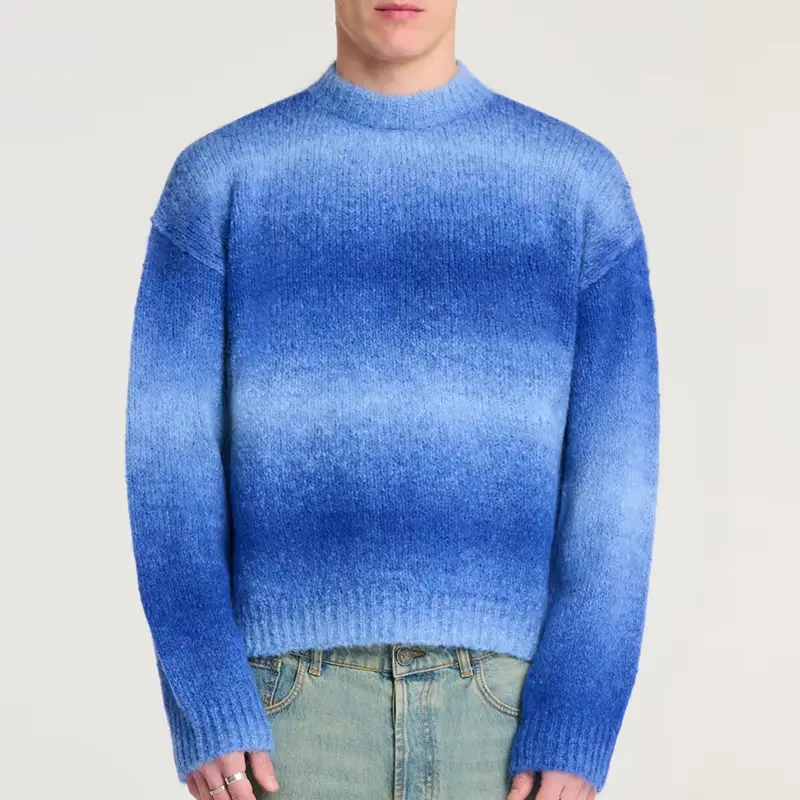
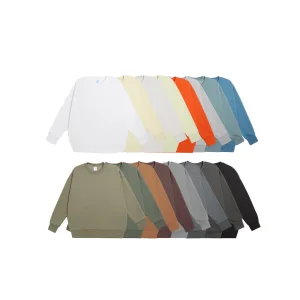
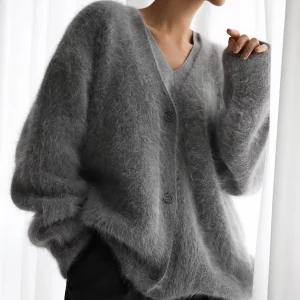
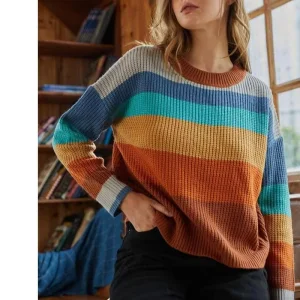
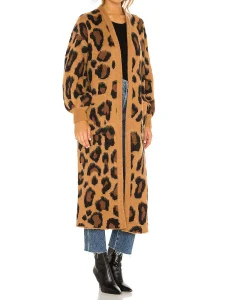
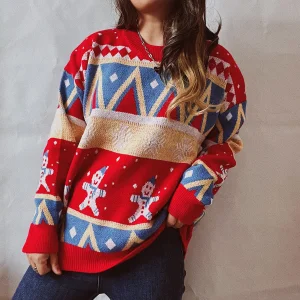
Our custom mohair sweaters come in a stunning palette of colors—from rich neutrals to vibrant hues. Choose from classic crewnecks, chic turtlenecks, or trendy oversized fits. Perfect for gifting, branding, or personal wardrobe staples.
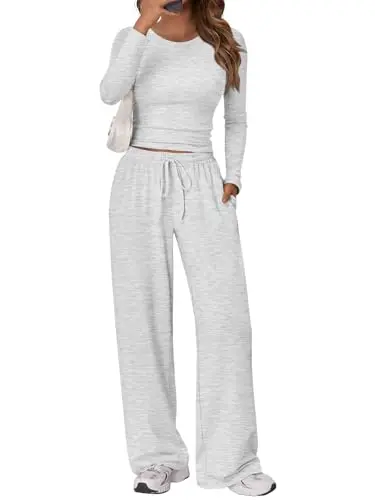
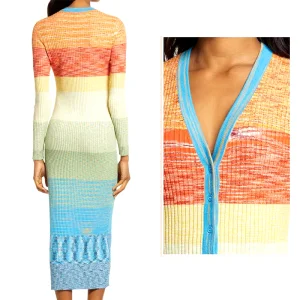
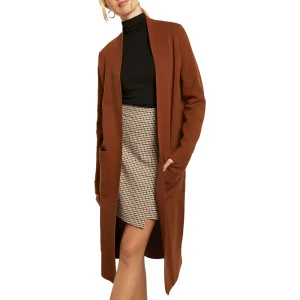
Fitted without being constricting, it flatters the collarbone line. Effortlessly versatile for any occasion, offering simplicity and comfort while elongating your silhouette. Warm tones remain suitable throughout the seasons.
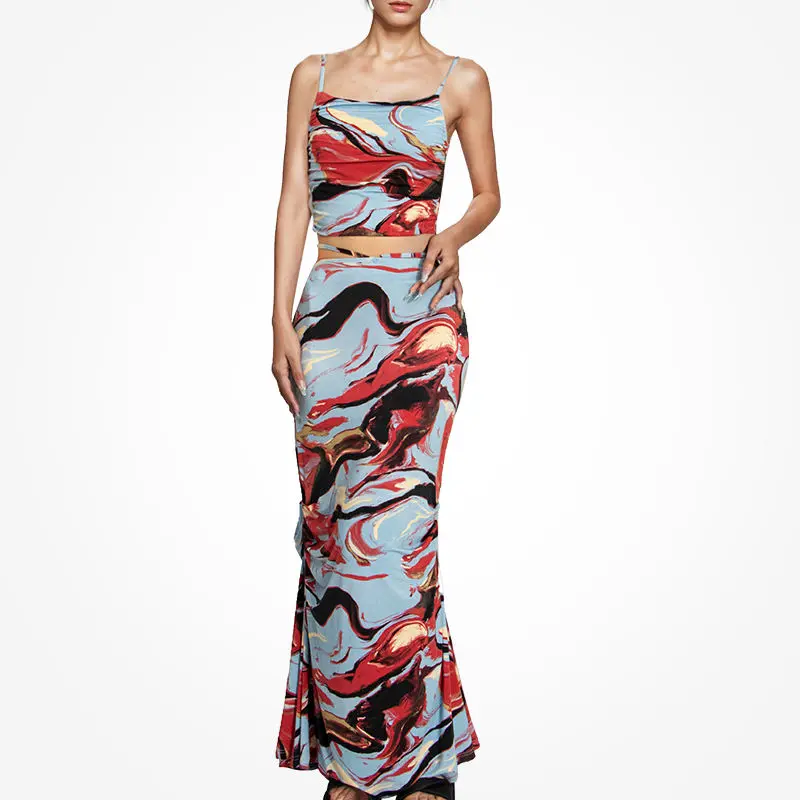
The bamboo viscose, derived from sustainable pulp, introduces a luxuriously soft and silky hand-feel. Ideal for everything from casual outings to more refined occasions, this dress is a testament to smart, sustainable fashion.
Stay up to date with the latest advancements in fiber science, environmental compliance, and zero-waste design developments.
The zero-waste movement has evolved from a niche trend into a global necessity. Households worldwide are rethinking every item in their cupboards, from food storage containers to drinking vessels.
For millions of people around the world, the morning routine starts with a hot cup of coffee. Unfortunately, this convenient habit often comes with a heavy environmental price tag: single-use takeaway paper cups.
In today's fast-paced world, the environmental impact of single-use plastics has become an undeniable crisis. Millions of plastic cups end up in landfills and oceans every day.
Find solutions to common questions regarding logistics, material specifications, MOQ restrictions, and technical support for importing our knitwear to Sub-Saharan Africa.
Our standard manufacturing MOQ is 500 units per style for baseline blends, and can scale down to 300 units for specialized natural fiber items (like silk and cashmere). For custom school and institutional uniforms, volume-based discounts are triggered when order blocks exceed 2,000 units.
Yes, we provide extensive OEM customization services. Utilizing computerized multi-head embroidery systems and specialized jacquard knit panels, we can incorporate detailed school crests, local business logos, and complex lettering patterns directly into the garment weave.
Sea freight from Chinese base ports (such as Ningbo or Shenzhen) to Lagos ports (Apapa or Tin Can Island) typically takes 35 to 45 days. For high-demand fashion replenishment cycles, air cargo options via Murtala Muhammed International Airport (LOS) can deliver shipments within 7 to 10 working days, including basic customs processing.
All our knitwear yarns undergo pre-shrinking and heat-setting treatments prior to and after assembly. We test our batches to meet ISO standards for colorfastness under wet and dry friction conditions, ensuring the vibrant color schemes required by the West African market do not bleed or fade during domestic laundry cycles.
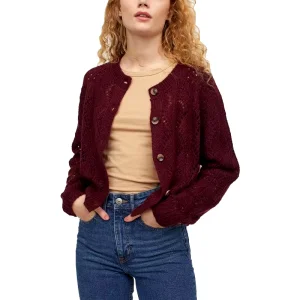
Connect with our engineering team to design, configure, and secure your shipment. Request our complete wholesale pricelist and free samples tailored for the Nigerian market.
Send Inquiry Now