High-demand sustainable textiles, custom-fit casual wear, and negative-ion technology fabrics engineered for modern retail environments.
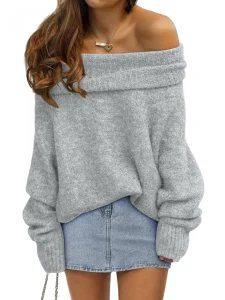
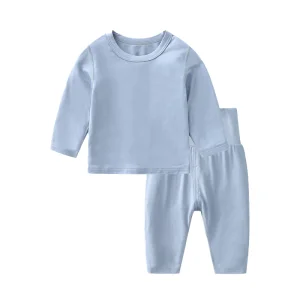
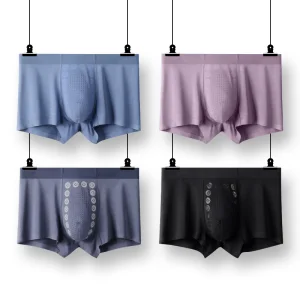
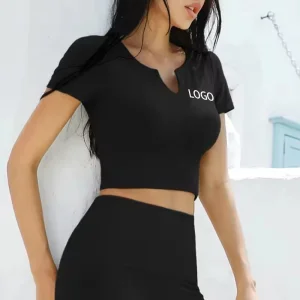
The Seoul apparel and retail landscape remains one of the world's most dynamic test beds for fast fashion and premium fabric integration. Central to this eco-system is the skirt and women's bottom-wear sector, which bridges the gap between high-end corporate elegance in the Gangnam business district and avant-garde street fashion in Hongdae and Dongdaemun. Sourcing directors looking to scale their inventory in the Seoul market must navigate a highly competitive pricing framework, where consumer demands oscillate rapidly between high-durability fabrics and zero-waste sustainable production models.
Local brand managers in South Korea face strict requirements regarding chemical and ecological compliance. A significant shift toward modal, organic cotton, and bamboo fiber blends has altered the typical "skirt pricelist" paradigms. Traditionally, pricing was determined purely by fabric weight and cut complexity. Today, factors such as dynamic stretch, certification by organizations like the Control Union, and carbon footprint metrics heavily influence B2B procurement agreements.
The Dongdaemun Fashion Town represents the core distribution node for mid-to-high volume skirt shipments in East Asia. Here, speed-to-market is the primary metric of success. However, local Seoul factories often face high overhead and labor costs, leading major Korean brands to seek robust manufacturing partnerships abroad—most notably with high-capacity Chinese facilities. By outsourcing the foundational production of basic knits, eco-friendly t-shirts, activewear tops, and sustainable skirts, brands achieve a balanced price-to-quality ratio that ensures retail profitability.

At Ecogarments, we care deeply about apparel, the people who wear them, and the individuals who craft them. We believe that long-term business success is not measured solely in financial metrics, but in the positive, measurable footprint we leave on our communities and the planet.
We challenge our industry partners to take responsibility for their ecological footprint. We constantly push the boundaries of materials science to build a lasting, sustainable business case for premium, non-toxic apparel. From low-waste cutting patterns to natural fiber sourcing, our methods align with global green directives.
Discuss Eco Sourcing OptionsYears Industry Experience
Modern Manufacturing Space
Advanced Apparel Machines
AOX & Toxin-Free Dyes
As retail margins in the Seoul market contract due to rising regional inflation and consumer demands for luxury-tier fabrications at mid-range prices, the role of Chinese OEM/ODM factories has evolved. Chinese manufacturing is no longer merely about low-cost labor; it is about high-tech manufacturing capacity, unparalleled fabric supply chains, and superior quality control certifications. For a Seoul-based boutique or corporate fashion group, leveraging a specialized manufacturer in mainland China offers three key structural advantages:
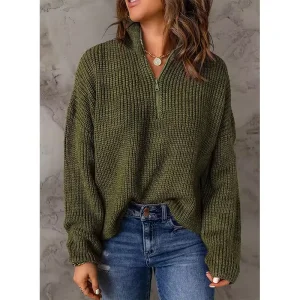
B2B pricing for skirts and activewear tops is determined by a matrix of fabric yield, weight (GSM), decorative elements (e.g., puff print, custom embroidery), and volume discounts. By structuring custom OEM agreements with highly automated factories, companies in Seoul can secure highly competitive wholesale rates. For example, bamboo fiber blended skirts or premium waffle knit sweater pull-overs can be produced at a fraction of local domestic costs, giving brands the financial breathing room to invest in localized marketing and customer acquisition.
Why retail leaders and commercial fashion houses in Seoul trust our international manufacturing infrastructure.
More than a decade of specialized expertise in raw material processing and premium commercial apparel production.
High-capacity production facility running over 1000 specialized knitting and finishing machines to meet tight market deadlines.
From initial design draft and tech-pack development to manufacturing, quality testing, and local customs logistics.
Focus on organic natural fibers and bamboo viscose, minimizing our footprint and ensuring premium skin health.
Resilient supply chains ensure steady raw material access, cushioning our partners against market price shocks.
Monthly iterations of catalog designs based on international runway trends and direct market intent analysis.
Modern fashion relies heavily on transparency and compliance. Retailers in Seoul cannot afford the reputational risk associated with low-quality fabrics or unsustainable dyes. Understanding this bottleneck, we have designed our global production lines to support the exact standards expected by international retailers, corporate buyers, and boutique designers.
We work closely with certified cotton and bamboo fiber plantations, ensuring that our supply chain is transparent from harvesting to final shipment. Our production models allow for custom designs that prioritize longevity, stretch recovery, and colorfastness. This means your brand can deliver premium value with every single collection.
We work exclusively with certified raw materials, reducing water waste and toxic emissions during processing.
Learn MoreReceive end-to-end design, modeling, photography, and custom packaging tailored for local distribution.
Learn MoreAll fabrics and finished garments adhere strictly to environmental and toxicity-free guidelines.
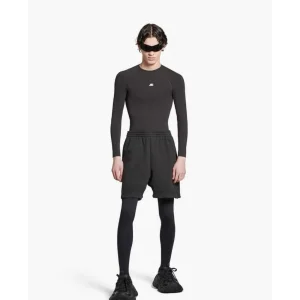
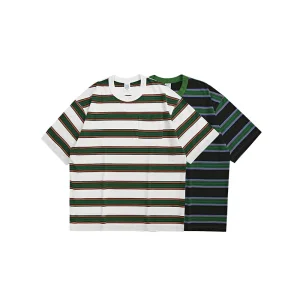
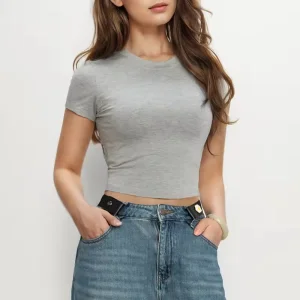
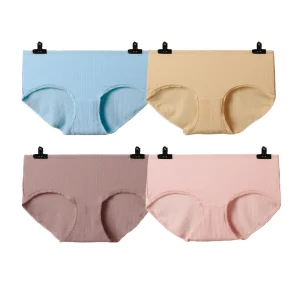
Learn MoreA balanced array of versatile custom tees, rayon loungewear, and heavy-duty activewear designed for long-lasting performance.
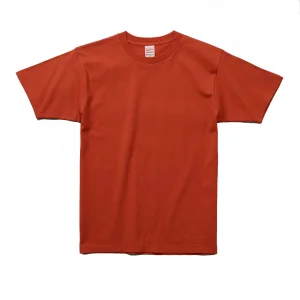
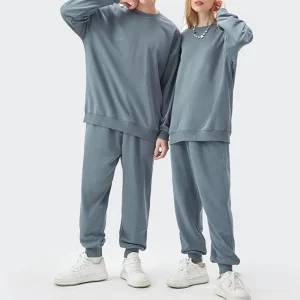
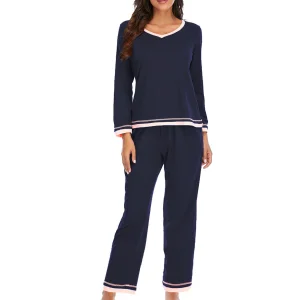
In the post-pandemic market, apparel brands operating in South Korea are hyper-focused on risk mitigation. Cotton price index volatility and petrochemical feed-stock instability for synthetic fibers have made budget forecasting incredibly complex. To maintain competitive retail margins, companies are forced to restructure their global sourcing portfolios.
This is where our long-term supplier contracts and localized material reserves show their value. By locking in organic yarn agreements and maintaining high factory stock reserves, we shield our brand partners from wild price fluctuations. Furthermore, our integrated shipping and logistics network simplifies imports into major ports like Incheon, ensuring stable lead times during busy autumn and winter retail seasons.
Critical procurement details regarding our custom clothing programs, factory specifications, and bulk shipping pipelines to South Korea.