1. The Strategic Position of Bangkok in Global Dress Manufacturing
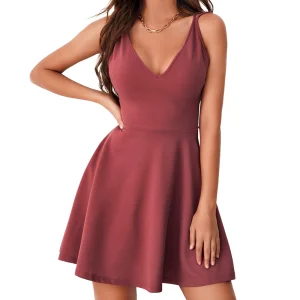
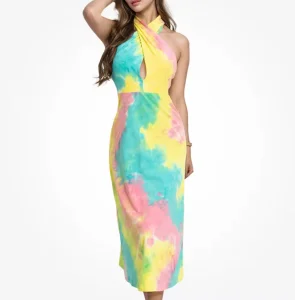
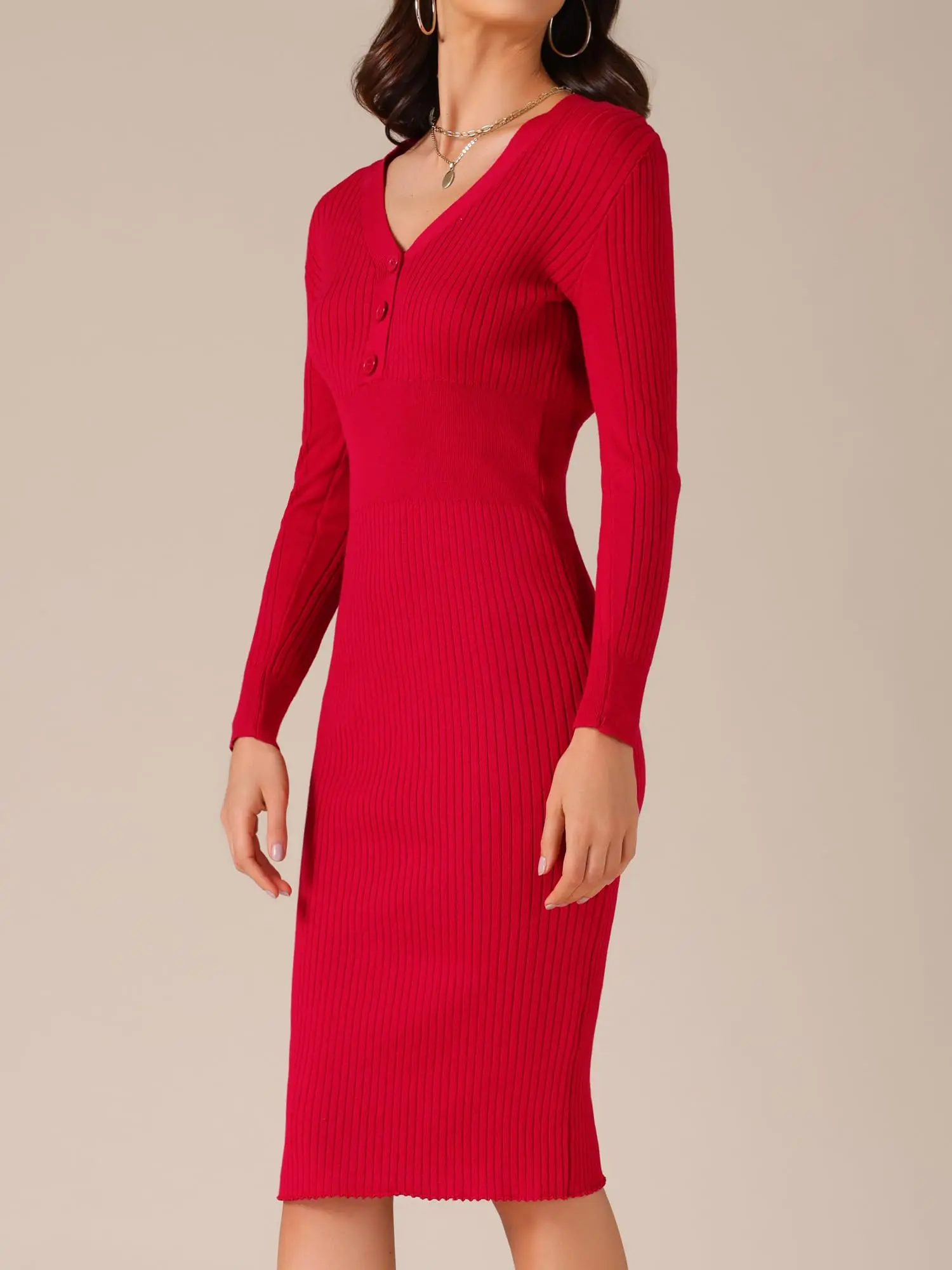
Bangkok, the dynamic capital of Thailand, has long solidified its status as a critical node in global apparel manufacturing. For international fashion brands, sourcing from a dress factory and exporter in Bangkok represents a strategic alignment with robust supply chains, state-of-the-art technological infrastructures, and highly skilled garment artisans. Over the past decade, Bangkok’s apparel sector has aggressively shifted from low-cost mass assembly to high-value-added, sustainable, and design-led production. This positioning serves global retailers looking for high-quality production under flexible procurement structures.
The geographical advantages of Bangkok are immense. Anchored close to major regional deep-sea ports such as Laem Chabang and backed by the transport efficiencies of Suvarnabhumi Airport, Bangkok-based manufacturers enjoy unparalleled logistical connectivity. Moreover, the integration of Thailand into ASEAN free trade agreements and generalized tariff preferences (GSP) offers competitive tax structures for markets across Europe, North America, and the Asia-Pacific region.
2. Industry Transformation: The Rise of Sustainable & Intelligent Textiles
Global consumer trends are shifting rapidly toward eco-responsibility. Modern buyers demand transparency in environmental footprint, supply chain logistics, and material safety. Responding to this demand, leading dress factories in Bangkok have integrated bio-circular textiles into their key lines. Among these, bamboo-viscose, organic cotton, and recycled polyester stand out as the pillars of next-generation apparel.
Bamboo fiber, in particular, has emerged as a premium fabric choice due to its organic cultivation process and inherent characteristics. As a raw material, bamboo requires no synthetic pesticides and minimal irrigation, growing rapidly while regenerating depleted soil. For the wearer, bamboo fabric offers exceptional breathability, thermal regulation, naturally high UV protection, and hypoallergenic properties. By combining bamboo fibers with combed organic cotton, Bangkok manufacturers create dress materials that exhibit a silky-soft drape, long-lasting color fastness, and structural resilience after multiple wash cycles.
| Material Profile | Structural Benefits | Ecological Impact | Primary Dress Application |
|---|---|---|---|
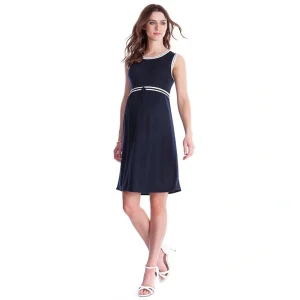
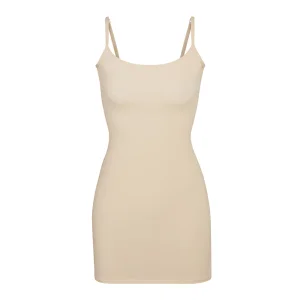
| Organic Bamboo Viscose | Silky drape, thermo-regulating, anti-odor, high elasticity | 100% Biodegradable, pesticide-free, low-water footprint | Maternity wear, bodycon dresses, soft slip dresses |
| Combed Organic Cotton | High tensile strength, breathable, skin-friendly texture | GOTS certified, toxin-free processing, crop-rotation friendly | Casual day dresses, structured shirt dresses |
| Recycled Polyester Blend | High durability, wrinkle resistance, fast drying | Post-consumer PET bottle recycling, lower carbon emissions | Activewear dresses, athletic pleated skirts, evening wear |
3. Sourcing Intent: Deciphering the Needs of International Apparel Buyers
International apparel procurement managers prioritize three major pillars when selecting a manufacturing partner in Bangkok: Reliability of Lead Times, Regulatory Compliance, and Flexible MOQ (Minimum Order Quantity) frameworks. As retail operations become increasingly lean, brands must minimize capital lockup in inventory while retaining the capacity to restock best-selling designs quickly.
To satisfy these market demands, Bangkok’s advanced exporters utilize digital twin workflows and automated production schedules. By implementing real-time CAD pattern nesting and automatic fabric spreaders, factories minimize material waste to under 3% while speeding up proto-sample creation from weeks to just 48 hours. Furthermore, Bangkok manufacturers provide end-to-end transparent logistics, offering FOB (Free on Board) or DDP (Delivered Duty Paid) shipping solutions to global ports, bypassing the friction of Customs clearance.
4. Quality Standards, Accreditations, and Regulatory Compliance
High-standard compliance is the bedrock of E-E-A-T (Experience, Expertise, Authoritativeness, Trustworthiness) in the apparel sector. Global markets require strict adherence to chemical safety, human labor rights, and material authenticity. Exporters in Thailand operate under rigorous global certification frameworks:
- CE Certification: Essential for European trade, verifying that products conform to safety, health, and environmental requirements.
- OEKO-TEX Standard 100: Ensures every yarn, button, and dye chemical used is completely free from harmful substances, safeguarding consumer skin health.
- Control Union & GOTS: Validates organic material chains from harvesting of raw fibers through environmentally and socially responsible manufacturing.
- SMETA (Sedex Members Ethical Trade Audit): Assesses ethical performance regarding labor rights, health and safety, environment, and business ethics.
For brands marketing to conscious consumers, presenting certified laboratory reports and audit trails is no longer optional. A verified Bangkok dress factory acts as a compliance shield, providing comprehensive certification dossiers with every shipment.
5. Localized Support, ESG Integration, and Corporate Social Responsibility (CSR)
Bangkok dress exporters operate under a progressive national framework called the Bio-Circular-Green (BCG) Economy model. This model champions renewable resources, low-emission manufacturing, and sustainable workforce structures. By localizing raw material sourcing within Southeast Asia, transport emissions are kept to a bare minimum.
Moreover, our factories maintain fair-wage guarantees, safe working environments, and continuous vocational training for the local workforce. By cultivating a skilled, respected, and highly motivated workforce, we prevent high turn-over rates, ensuring that the artisanal skills required for complex dress styling—such as delicate pleating, flatlock stitching, and custom embroidery—remain consistent year over year.
6. Technical Roadmap & Future Sourcing Outlook: 2026 and Beyond
As we gaze toward the future of retail, the integration of automation and eco-design is accelerating. Bangkok dress factories are building capabilities to meet the requirements of digital product passports (DPPs) required by future EU regulations. Every garment will feature a QR-code or RFID tag trace, showing consumers its complete life-cycle map—from bamboo grove to finished product.
Furthermore, our R&D divisions are actively testing plant-based, circular dyes derived from regional agricultural by-products (like coconut husks and pineapple leaves). These innovations eliminate chemical runoff and provide unique aesthetic value, offering brands a strong competitive edge through true "Information Gain" and unique product positioning.