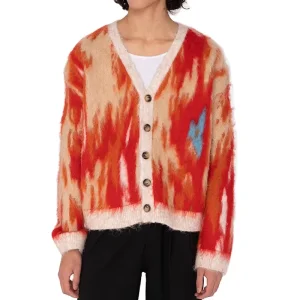
A curated selection of high-demand casual streetwear, functional maternity apparel, and high-quality knitwear specifically tailored to South African retail expectations and climatic demands.
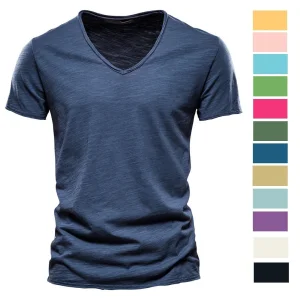
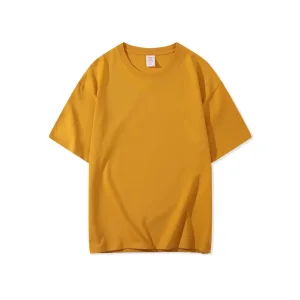
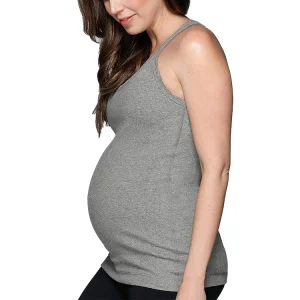
An in-depth evaluation of current market dynamics, supply chain stressors, and strategic importing methodologies for South African fashion businesses.
South Africa's retail clothing market represents one of the most sophisticated fashion ecosystems on the African continent. Led by powerhouse retail groups like TFG (The Foschini Group), Woolworths, Truworths, and Mr Price, the market is undergoing a structural transition. Consumers are moving rapidly away from low-quality, synthetic disposable fashion toward durable, high-comfort casual wear. The demand is highly concentrated in metropolitan hubs such as Johannesburg, Cape Town, and Durban. Environmental awareness is no longer a luxury differentiator but a baseline expectation. South African buyers are actively seeking fabrics like bamboo viscose, organic cotton, and hemp that offer excellent thermal regulation for the region's warm days and cool highveld nights.
While the South African government actively promotes localization under the Retail-CTFL Master Plan to support domestic Cut-Make-Trim (CMT) factories, local operators face critical headwinds. Persistent energy challenges (load shedding), fluctuating local cotton yields, and high operational costs make full-scale domestic production of specialized eco-apparel and complex custom knitwear difficult to scale. As a result, South African brands rely heavily on trusted global manufacturers. Partnering with a large-scale manufacturer in China offsets production risks, ensures continuous supply, and guarantees access to advanced materials like Bamboo-Cotton blends and high-stretch European twist yarn sweaters.
Strategic Insight: By sourcing raw fabrics that meet global environmental standards (such as GOTS and Control Union audits), South African importers can command premium pricing, aligning with the "green purchasing" trends observed among urban Gen Z and millennial demographics in SA.
Navigating the South African Revenue Service (SARS) customs regulations requires precise documentation. Imported clothing is subject to high customs duties (often up to 45% for finished garments) to protect the local sector. To optimize landed costs, importers must work with manufacturers who provide meticulous packaging lists, accurate HS Codes (typically under Chapter 61 for knitted and Chapter 62 for woven apparel), and certified product specifications. Proactive brands utilize specialized freight paths through the Port of Durban or air freight via OR Tambo International Airport, backed by reliable supply partners who ensure order conformity to mitigate custom delays.
At Ecogarments, we believe that business success is measured by our positive impact on the planet. Our operations balance technological innovation with strict ecological principles.
Our fabric suppliers and manufacturers are certified by the Control Union, maintaining strict custody of organic standards. In view of customers' diverse and ever-changing needs, we are fully structured to handle OEM or ODM orders. We design and develop new products according to buyers' specific regional requirements.
To support our corporate partners, we maintain a joint structure with global high-precision engineering partners, including PXCSC Group. The PXCSC enterprise brings integrated capabilities of product research and development, manufacture, business management, and quality control services to ensure our machinery runs at optimal precision, keeping production lines seamless and costs competitive.
Unlock major supply chain advantages by aligning with our advanced production infrastructure.
Supported by a powerful R&D department, we offer total product customization. We have a professional photography team to handle video capture, model shoots, and high-end marketing collateral to accelerate your local launch.
We keep huge volumes of popular eco-friendly fabrics in stock, guaranteeing stable pricing structures and continuous replenishment cycles regardless of external global market volatility.
Our raw materials focus on organic cotton, bamboo pulp viscose, and industrial hemp, eliminating toxic pesticides or harmful finishes. Everything is tested and verified skin-safe.
Exploring the physical attributes that make bamboo viscose and organic cotton the ultimate textile selection for the South African weather profile.
South Africa experiences significant variations in climate, from the Mediterranean humidity of the Western Cape to the hot, subtropical climate of KwaZulu-Natal. Traditional synthetic polyester fibers retain body heat and sweat, leading to discomfort and skin irritations. Bamboo fiber, processed via eco-responsible closed-loop methods, features a micro-porous structure. This structure gives the textile natural hygroscopic properties, allowing it to absorb and evaporate moisture up to four times faster than standard combed cotton.
Furthermore, our custom fabric blends contain naturally occurring bio-agents that resist microbial growth, keeping garments odor-free for longer periods—a highly valued attribute for active urban consumers in Johannesburg and Pretoria. By blending bamboo with long-staple organic cotton, we achieve a fabric that is structurally resilient, resistant to pill formulation, and incredibly soft, maintaining its shape through repeated washing.
Explore our extensive product line, custom-crafted to meet the high aesthetic and performance standards of retail shops and brands across South Africa.
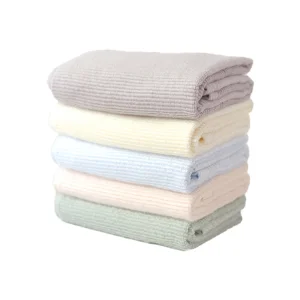

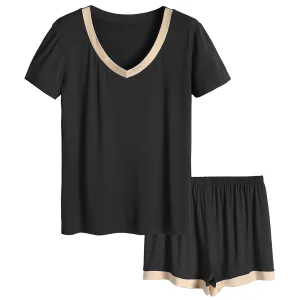
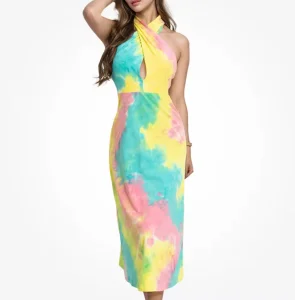
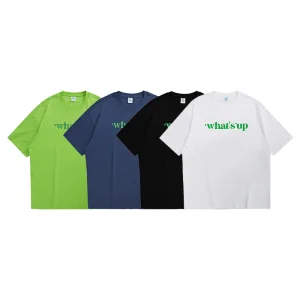
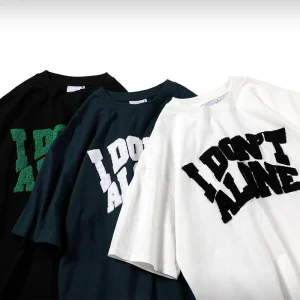
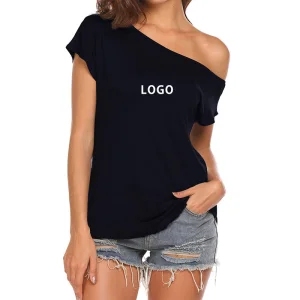
Understanding port routes, air freight options, and customized warehousing solutions to ensure timely delivery of fashion collections.
Managing apparel logistics from manufacturing zones in China to retail centers in South Africa requires strategic planning. Ocean shipping remains the most cost-effective method for bulk volume orders. Shipments moving from Ningbo or Shanghai port route through the Indian Ocean, arriving directly at the Port of Durban—the busiest shipping terminal in Sub-Saharan Africa—or the Port of Cape Town. Normal maritime transit times range between 22 to 30 days.
For high-turnover seasonal collections or fashion items that need to respond immediately to rising consumer trends, air freight via OR Tambo International Airport in Johannesburg offers a rapid solution, reducing transit times to just 5 to 7 business days. We provide comprehensive export documentation, including detailed customs clearance declarations, GOTS certification records, and clear labeling systems, ensuring smooth customs processing at South African entry points.
Get authoritative answers to the most common questions asked by procurement managers, fashion designers, and retail buyers importing into South Africa.
Our standard MOQ for custom-manufactured garments varies depending on the fabric selection. For standard organic cotton or combed cotton T-shirts, the MOQ starts at 500 units per style/color. For specialized eco-friendly fabrics like bamboo viscose, custom-dyed hemp, and complex knitwear (such as cashmere or European twist yarn pullovers), the MOQ typically starts at 800 to 1,000 units. We offer flex-capacity options for established South African retail groups handling seasonal rollouts.
We provide full shipping manifests and commercial invoices utilizing accurate HS codes for woven and knitted garments to make customs clearance through the South African Revenue Service (SARS) as straightforward as possible. All packages are prepared with clear weight specifications, fabric composition percentages, and origin certifications to prevent inspections delays. We can coordinate directly with your South African customs brokers to streamline the clearance process.
Yes. All of our fabric suppliers are certified by Control Union. We guarantee that all dyestuffs used in our manufacturing process are completely AOX (Adsorbable Organic Halogens) and toxin-free. Our products comply with major global safety regulations, including OEKO-TEX Standard 100 and REACH, ensuring our products are safe and free from heavy metals or skin-irritating chemicals.
Absolutely. As an experienced OEM/ODM provider, we offer complete branding solutions. We can manufacture custom woven neck labels, recycled cardboard hangtags, eco-friendly bio-plastic polybags, and embossed wash-care tags containing your brand's unique details and South African compliance requirements (such as local size guides and fiber disclosures).
The standard production lead time is 35 to 45 days after design confirmation and lab dip approval. For ocean transport to the Port of Durban, allow an additional 25 to 30 days transit. For fast-fashion items or tight deadlines, air freight to OR Tambo International takes approximately 5 to 7 days, allowing you to react quickly to shifting market trends in South Africa.
Elevate your brand with sustainable, high-quality, and competitively priced casual collections designed for the South African market. Contact our design and export specialists today.
Send Inquiry Now