Direct factory supply featuring sustainable bamboo-fiber composites configured for high-standard Japanese enterprise logistics and domestic markets.
An in-depth whitepaper on the shift toward bio-based, high-durability Personal Protective Equipment (PPE) in Japan's major manufacturing hubs.
Nagoya, the capital of Aichi Prefecture, stands as Japan's undisputed powerhouse for heavy industrial production, automotive assembly, and aerospace engineering. Anchoring the Chubu region, the Nagoya metropolitan area accounts for a substantial percentage of the nation's industrial output. However, as global markets transition to carbon neutrality, corporations within the Toyota supply network and associated aerospace enterprises are redefining their environmental procurement metrics. Specifically, environmental parameters require Scope 3 emissions reductions, which directly influence cleanroom and protective gear selection.
Bamboo fiber gloves present a highly viable technical solution. Derived from natural bamboo cellulose, these specialized work gloves have transitioned from simple horticultural accessories into essential gear for high-precision electronics manufacturing and high-output automotive plants. The natural properties of bamboo fiber—including native ESD (Electrostatic Discharge) prevention, high moisture absorption, and low lint emission—match the technical requirements of Nagoya's modern cleanroom standards.
Unlike traditional synthetic fabrics (such as polyester or nylon) that trap heat and generate high electrostatic voltage, bamboo fibers feature a microscopic cross-section filled with micro-gaps and micro-holes. This structural layout provides optimal ventilation and high moisture wicking, ensuring that workers' hands remain dry during long assembly shifts.
From a mechanical perspective, bamboo fibers contain "bamboo kun", a natural bio-agent that provides inherent antibacterial qualities. This reduces bacterial growth and odors, minimizing skin irritation for employees who wear gloves for extended periods. Furthermore, its natural anti-static properties offer crucial protection for precision electronics assembly in Nagoya’s component manufacturing plants, where minor electrostatic discharges can compromise entire silicon wafers.
"Bamboo fiber possesses a tensile strength comparable to conventional steel alloy wires on a micro-scale, while maintaining an elastic recovery rate of over 92%. Under tests simulating typical cleanroom environments, bamboo-based textiles exhibited a 55% reduction in dust/lint shedding compared to premium long-staple cotton."
As Nagoya's industrial production demands rapid turnaround times and tight inventory control, relying on traditional manufacturing systems creates operational bottlenecks. Our advanced factory production lines in China resolve this challenge through "Factory 4.0" automation. By integrating high-speed, automated circular knitting machines with AI-guided defect detection, we maintain uniform density and structural integrity across every production run.
This automated supply chain ensures high volume capabilities and strict compliance with global technical metrics. Our operations utilize closed-loop chemical treatment processes that recycle up to 99% of processing solvents. This allows us to supply Nagoya-based importers with premium protective gear that complies with both domestic safety standards and international environmental benchmarks.
How natural bamboo fiber compares to standard synthetic and cotton alternatives under industrial conditions.
| Performance Indicator | Natural Bamboo Fiber | Standard Cotton | Synthetic Polyester / Nylon |
|---|---|---|---|
| Moisture Wicking Rate | Excellent (micro-gaps facilitate rapid capillary action) | Moderate (absorbs moisture but retains dampness) | Poor (creates perspiration buildup inside the glove) |
| Inherent ESD Protection | High (natural low charge accumulation properties) | Medium (reliant on ambient air humidity levels) | Very Low (requires chemical treatment to prevent static) |
| Lint Emission Levels | Extremely Low (long-staple natural composite structure) | High (prone to fiber shedding during friction) | Low (stable synthetic filaments) |
| Biodegradability Profile | 100% biodegradable (decomposes in soil within 120 days) | Biodegradable (requires specific composting environments) | Non-biodegradable (persists in landfills for centuries) |

At Ecogarments, we care about apparel, the people who wear them, and the people who make them. We believe that success is not measured solely in monetary gain, but in the positive impact we have on those around us and our planet.
We are passionate. We are pure. We challenge those around us to take responsibility for their ecological footprint. And we always strive to think outside the box to build a lasting business case for sustainable, good quality apparel. Our mission is to integrate nature's solutions directly into modern supply chains.
Leveraging over a decade of high-performance textile engineering to streamline your industrial sourcing requirements.

We work to develop sustainable, premium garments and safety solutions that align with modern ecological standards.
Learn More →
Our dedicated R&D team handles video capture, model photography, and prototyping to simplify your procurement process.
Learn More →
Our supply chain holds Control Union certification, utilizing AOX-free and toxin-free dye formulations to ensure product safety.
Learn More →
Operating out of a modern 4,000m² factory facility, we manage production orders from initial concepts to final distribution.
Learn More →
We monitor global industrial and retail design trends to deliver high-quality, up-to-date products to our global partners.
Learn More →
We provide technical documentation, shipping logistics support, and monthly catalog updates for your distribution channels.
Learn More →Browse our full range of bamboo fiber, organic cotton, and eco-friendly textiles optimized for distribution in the Japanese market.
Technical details of our leading products engineered to support green initiatives in modern industrial facilities.
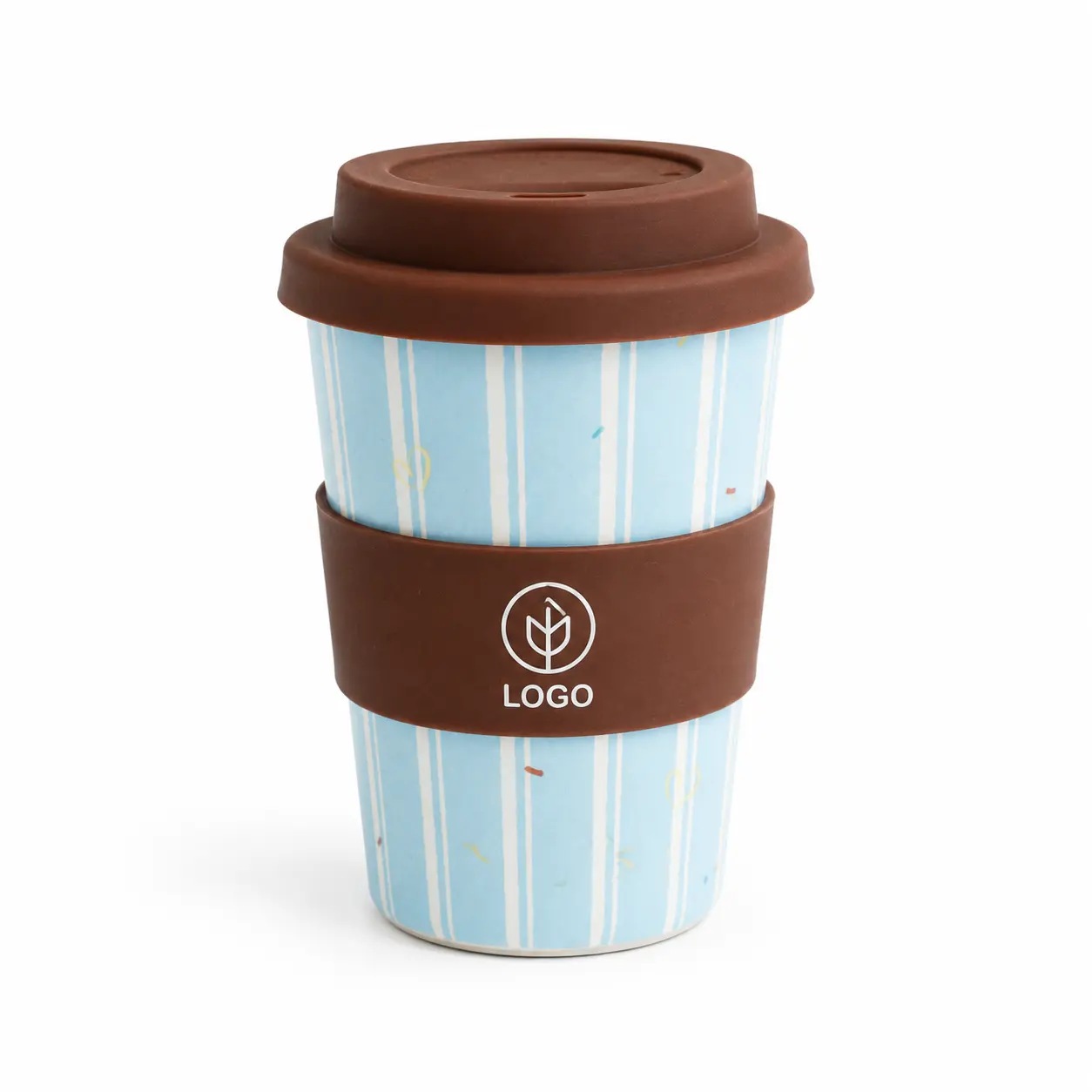
Made from rapidly renewable, sustainable natural bamboo fiber. Free of BPA, PVC, and toxic additives, this lightweight, shatterproof cup is ideal for office use, factory break rooms, and commuting in the Nagoya metropolitan area.
Request Wholesale Catalog →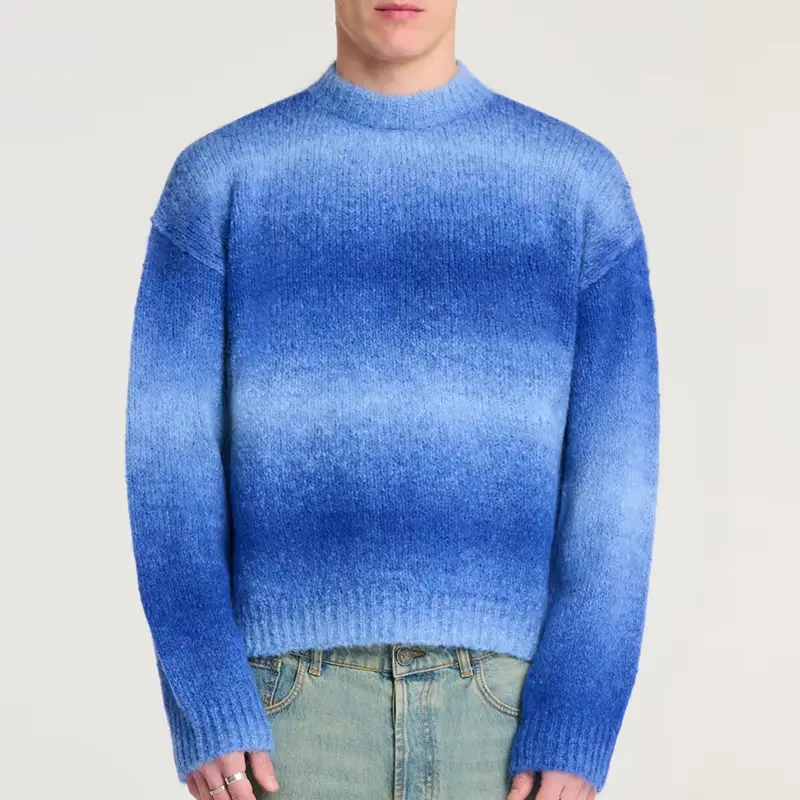
Our custom mohair sweaters feature fine yarn compositions for a soft feel, structural durability, and high insulation properties. Ideal for private label lines and corporate clothing initiatives in Japan.
Request Wholesale Catalog →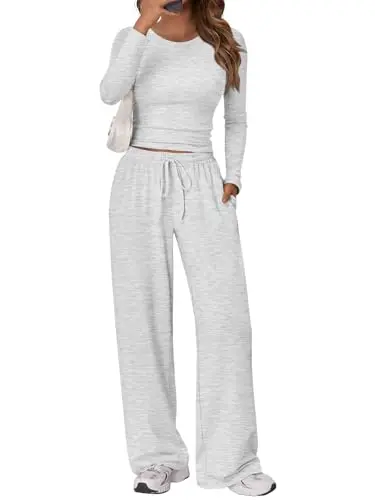
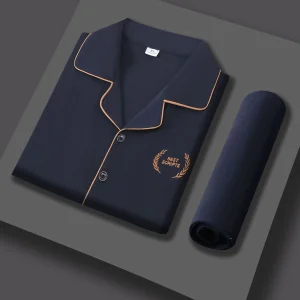
A functional suit set tailored with double-needle stitching and an ergonomic cut. Engineered with sustainable bamboo viscose to combine comfort with professional design, suitable for modern workplaces.
Request Wholesale Catalog →Addressing key technical questions from procurement officers, QA engineers, and supply chain managers in the Nagoya industrial zone.
Bamboo fiber gloves provide two key advantages for automotive precision assembly: they are virtually lint-free and highly breathable. Synthetic alternatives often collect sweat, leading to discomfort and surface contamination on high-value paint lines. Bamboo's natural moisture-wicking and low-linting structure protect sensitive automotive components and finishes while improving worker comfort.
Unlike nylon and polyester, which accumulate static charges quickly under friction, bamboo fiber has a low triboelectric generation profile. This makes it naturally conductive enough to dissipate static charges safely, helping to protect sensitive components in precision electronic and semiconductor manufacturing environments.
Our manufacturing processes and supply partners are certified by Control Union under recognized international standards. We utilize OEKO-TEX Standard 100-compliant raw fibers and AOX-free dye formulas, ensuring that no harmful chemical residues remain in the finished gloves or garments.
By utilizing automated production and streamlined logistics routes, standard wholesale orders are processed and ready for sea transport within 15 to 25 days. Transit time from our Chinese shipping hubs to the Port of Nagoya typically takes 4 to 7 days, ensuring a responsive and stable supply chain.