Explore our specialized range of bio-based towel solutions tailored for commercial supply chains, hospitality sectors, and conscious consumers in Morocco.
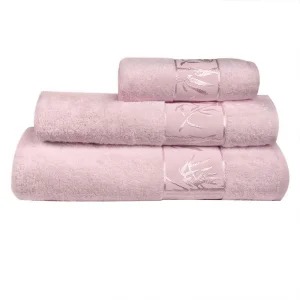
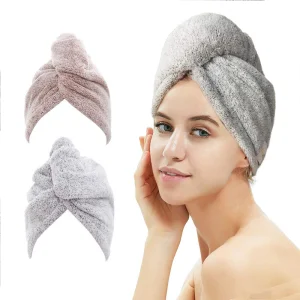
The global textile paradigm is undergoing a profound structural shift. As non-renewable, synthetic polymers face stringent environmental bans and conventional cotton production grapples with massive freshwater depletion and pesticide usage, bio-based cellulosic fibers have emerged as the leading alternative. Among these, Bamboo Fiber represents a technological milestone in circular economy frameworks. By utilizing structural materials derived from fast-growing, carbon-sequestering bamboo stalks, industrial manufacturers can now deliver high-performance linens that meet both performance and ecological demands.
In the context of the Moroccan market, this transition is particularly critical. Geographically positioned as a logistics gatekeeper between Europe, the Middle East, and Sub-Saharan Africa, Morocco is scaling its green industrial infrastructure under strategies such as the Industrial Acceleration Plan and national commitments to decarbonize key manufacturing and hospitality chains. Tourism hubs from Tangier to Agadir, alongside traditional Moroccan wellness ecosystems like the classic Hammam culture, demand durable, ultra-absorbent, hypoallergenic, and antibacterial textiles. This document provides a deep, industry-level technical breakdown, showcasing how bamboo fiber solutions resolve macro-environmental constraints while driving commercial value.
Morocco is rapidly positioning itself as a leader in green industrialization. With the government’s active focus on sustainability, Moroccan industries are aggressively modernizing. However, the country faces significant water scarcity challenges, which directly impacts the resource-heavy textile sector. Conventional cotton cultivation requires up to 20,000 liters of water per kilogram of yield, presenting a structural risk. Bamboo, by contrast, is a self-regenerating grass requiring no artificial irrigation, growing up to one meter per day with minimal water footprint.
Luxury eco-resorts, boutique Riads, and upscale spas in Morocco are seeking product differentiation. Modern consumers—particularly European travelers—make accommodation decisions based on environmental credentials. By replacing standard cotton linens and towels with premium bamboo fiber towels, Moroccan hotels can highlight carbon-neutral operations. Bamboo fiber contains a natural antimicrobial bio-agent called "Bamboo Kun," which remains active through multiple industrial laundering cycles. This drastically reduces the dependency on harsh chemical bleaches, lowering laundry operating costs while providing guests with an unparalleled, irritation-free tactile experience.
The traditional Hammam is an integral part of Moroccan culture and wellness tourism. Hammams subject textiles to high humidity, elevated temperatures, and intense friction. Traditional cotton towels often degrade under these conditions, retaining moisture, developing mildew, and emitting musty odors. Bamboo fiber towels feature a cross-section micro-structure riddled with microscopic gaps, yielding exceptional moisture wicking and breathability. They dry twice as fast as conventional cotton towels, preventing bacterial colonization and offering a prolonged lifecycle under intense thermal stresses.
Why commercial buyers across Morocco and Europe rely on our bamboo fiber technology and manufacturing capacity.
Over a decade of refining extraction, spinning, and weaving methodologies for high-durability bamboo fiber textiles.
From design blueprint and specialized yarn weights to customized brand packaging and local customs compliance.
State-of-the-art machinery featuring closed-loop solvent systems to ensure true environmental sustainability.
GOTS, Control Union, and OEKO-TEX certified fabrics ensuring zero toxic chemical leakage during processing.
Robust raw material stockpiles and logistics networks designed to buffer against global supply chain volatility.
Monthly iterations on weaves, including waffle textures, dual-sided bamboo/cotton blends, and jacquard pattern designs.
A rigorous, scientific evaluation of bamboo fiber relative to conventional cotton and synthetic microfibers.
| Performance Metric | Bamboo Fiber (EcoGarments) | Conventional Cotton | Synthetic Microfiber (Polyester) |
|---|---|---|---|
| Moisture Absorption | Excellent (Up to 3-4x of dry weight) | Moderate (Slow saturation) | Low (Relies on capillary structure) |
| Natural Antimicrobial Action | Yes (Bamboo Kun agent, active up to 50 washes) | No (Harbors bacteria easily if damp) | No (Requires chemical treatments) |
| Water Consumption during Growth | Very Low (Rain-fed, self-sustaining) | Extremely High (Requires heavy irrigation) | Zero (Petrochemical-derived) |
| Tensile Strength & Longevity | High (Long, linear cellulose fibers) | Moderate (Fibers break after high heat washes) | Very High (Non-biodegradable) |
| Biodegradability | 100% Biodegradable (Soil-active in 12 months) | Slowly Biodegradable (If untreated with chemicals) | Non-Biodegradable (Causes microplastics pollution) |
At Ecogarments, we care deeply about apparel, the professionals who engineer them, and the communities who wear them. We believe that modern industrial success is not measured solely in monetary revenue, but in the long-term positive impact we generate for our planet and regional eco-structures.
We challenge our supply partners and global distributors to take direct responsibility for their ecological footprint. We constantly push the boundaries of materials science to build a lasting, profitable, and green business case for sustainable, high-quality textiles in dynamic markets like Morocco.
Delivering enterprise-level ODM/OEM support engineered to streamline your distribution in North Africa.
We integrate circular economics into every commercial order, optimizing resource allocation from raw pulp to the final shipping container arriving at the port of Casablanca.
Our fully-equipped design team supports custom jacquards, GSM optimization (from lightweight 300 GSM for hair wraps to heavy 700 GSM for luxury bath rugs), and brand matching.
All raw materials pass certified Control Union protocols. The chemical dyes utilized are strictly AOX and Toxin-free, securing safe passage through EU and Moroccan customs inspections.
Understanding the mechanical properties of bamboo fiber is crucial for commercial purchasing. The processing of raw bamboo involves converting the plant’s natural cellulose into a regenerable fiber. Through our closed-loop extraction process, we treat the bamboo pulp with organic solvents, capturing and recycling 99% of the chemical inputs to prevent environmental runoff.
The resulting fibers are spun into yarns containing long, uniform cellulose chains. During weaving, these yarns form micro-pores that generate strong capillary action. This enables the towel to absorb moisture instantaneously, pulling wetness away from skin surfaces. Standard cotton relies on twist-density to increase surface area, adding weight. Bamboo achieves superior absorption at a lower GSM (grams per square meter), which reduces weight and drying times, making it ideal for large-scale commercial hotel laundries.
Furthermore, bamboo fibers exhibit high natural elasticity and dimensional stability. Under standard industrial washing protocols (temperatures up to 60°C), our products resist shrinking, warp stretching, and color fading. This resilience lowers replacement rates for commercial operators, delivering excellent lifetime ROI.
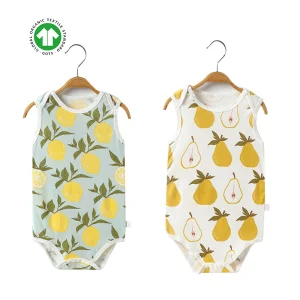
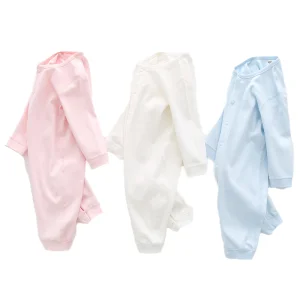
Premium raw-material towels, baby apparel, and specialty textiles designed to satisfy GOTS and CE certification standards.
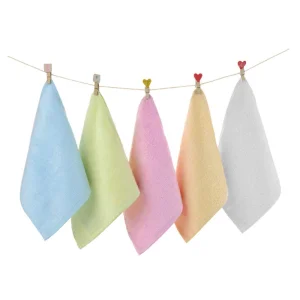
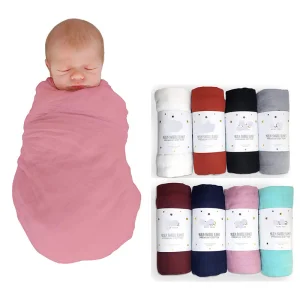
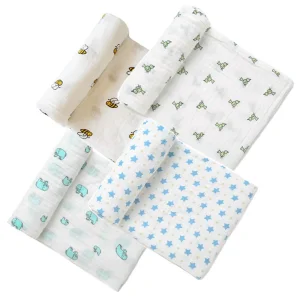
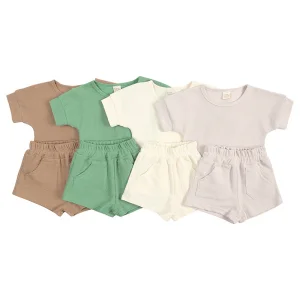
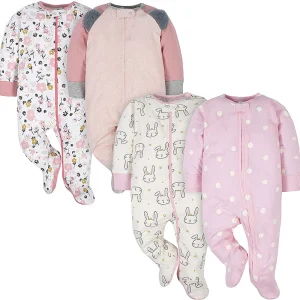
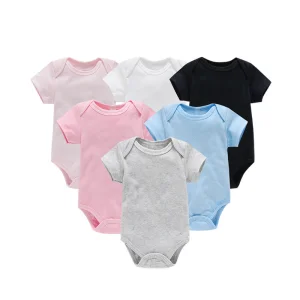
Entering the North African market requires strict adherence to trade protocols, customs clearances, and regulatory frameworks. At EcoGarments, we provide complete compliance documentation to facilitate import procedures through Moroccan sea and air hubs. Key guarantees include:
Stay updated on material sciences, global green standards, and sustainable hospitality developments.
The zero-waste movement has evolved from a niche trend into a global necessity. Households and hospitality providers are rethinking single-use plastics in favor of organic composite products.
Evaluating the dry-speed indices of bamboo fiber, this article illustrates the substantial water heating energy saved by large hotels when drying bamboo towels compared to high-weight cotton equivalents.
A detailed review of global eco-label changes, including new EU microplastic declarations and their direct impact on textile manufacturers in Morocco and neighboring regions.
Addressing key queries related to logistics, washing protocols, material blends, and ordering options for Moroccan buyers.
Bamboo fiber towels absorb moisture 3 to 4 times faster than standard cotton, dry twice as fast, and contain a natural antibacterial agent ("Bamboo Kun"). This makes them more hygienic, less prone to odor buildup, and highly durable in humid climates like Morocco's coastal regions.
Yes. Through our OEM/ODM services, we offer customized GSM weights (typically between 300 to 700 GSM), bespoke jacquards, embroidered logos, and eco-friendly packaging options designed to match your brand's unique identity.
Our raw organic fabrics and manufacturing processes are certified by Control Union and GOTS (Global Organic Textile Standard). Additionally, our finished goods are OEKO-TEX Standard 100 and CE certified, guaranteeing they are completely free of harmful substances and suitable for sensitive skin.
We handle all export documentation, including certified certificates of origin and custom packing lists, to ensure smooth clearances under Moroccan trade guidelines. We work closely with leading global logistics partners to manage sea and air freight efficiently.
We recommend machine washing in cold or warm water (up to 40°C) with mild, biodegradable detergents. Avoid fabric softeners, as they can coat the natural bamboo fibers and reduce absorption. Tumble dry on a low heat setting to preserve the soft, natural texture.
Optimize your commercial inventory, elevate your guest experience, and commit to verifiable environmental protection with EcoGarments' high-performance bamboo fiber towel systems.