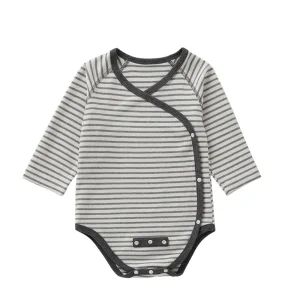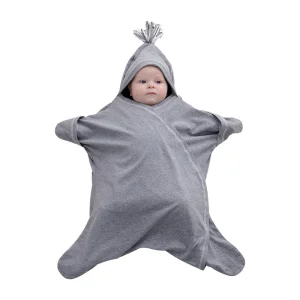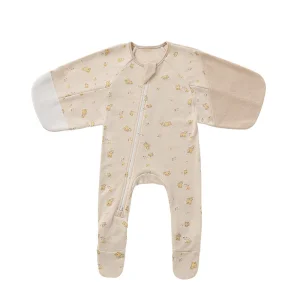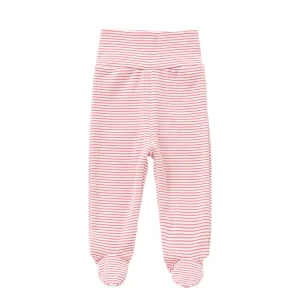
Engineered for absolute sustainability. Pure bamboo fiber structures tailored to meet high-absorbency, hypoallergenic requirements of modern commercial and retail lines in South Korea.
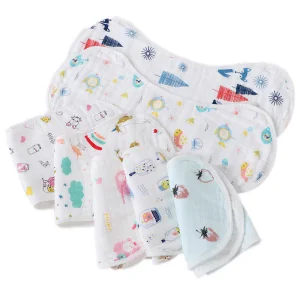
Ultra-soft layers optimized for delicate infant skin. Tailored to local baby-care hygiene requirements.
Inquire Details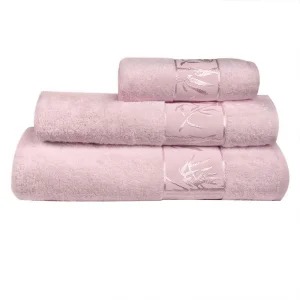
Complete multi-size configurations designed for institutional spa facilities and high-end hotel chains.
Inquire Details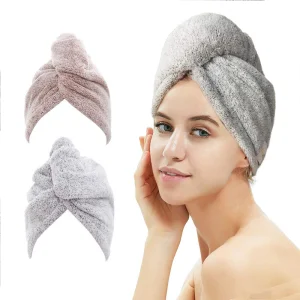
Fast-dry construction integrated with organic button loops. Popular in premium lifestyle channels.
Inquire Details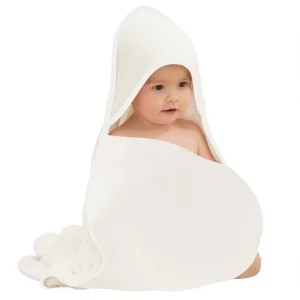
Optimal GSM ratings with chemical-free border stitching. Formulated to meet KC safety standards.
Inquire DetailsA deep dive into structural shifts driving South Korea's demand for high-end organic Bamboo Fiber solutions across sectors.
The South Korean textile industry is witnessing a rapid structural transition. Driven by the Korean Green New Deal and tightening domestic regulations regarding chemical treatments in consumer goods, major corporate buyers—ranging from high-end hospitality chains in Seoul and Jeju to premium baby care services (Sanhujoriwon)—are shifting their supply chains away from conventional synthetic fibers and pesticide-heavy cotton toward bio-based alternatives. Chief among these is organic bamboo fiber fabric.
In South Korea, consumers prioritize functional purity. This concern manifests as heightened sensitivity to skin irritation, making hypoallergenic textiles a core requirement rather than a luxury upgrade. Bamboo fiber contains a natural bio-agent termed "Bamboo Kun," which possesses inherent antibacterial and odor-resistant properties. According to industrial research, bamboo-based products retain up to 70% of their antibacterial efficacy even after multiple industrial washes, presenting a significant advantage over chemically coated synthetic materials.
From a logistics perspective, South Korean retailers, brands, and distributors demand highly responsive supply chains. The rise of eco-conscious lifestyle platforms like Kurly, Kakao Makers, and Coupang Rocket Delivery has intensified the pressure to source eco-certified goods quickly. Our corporate framework focuses on providing South Korean B2B buyers with comprehensive, certifiable documentation (GOTS, OEKO-TEX Standard 100, and KC safety certifications) along with local customs support, resolving regulatory hurdles before goods reach Korean ports.
Despite demographic changes, the consumer spend per child in South Korea is rising. Premium infant brands now mandate organic, ultra-absorbent bamboo-muslin fabrics to stand out in a highly competitive market.
The KC (Korea Certification) Mark is non-negotiable for skin-contact textiles. Our fabrics are pre-tested and certified free from formaldehyde, arylamines, and lead, ensuring friction-free clearance through Korean Customs.
B2B buyers in the hotel and spa sectors require products that can withstand high-temperature industrial laundry cycles. Our long-staple bamboo cotton blend is engineered to resist pilling and structural degradation.
Translating environmental values into measurable carbon reduction and rigorous quality assurance protocols.
At Ecogarments, we believe that environmental sustainability is not merely a marketing label, but a core component of supply chain security. We produce apparel with the conviction that long-term B2B partnerships rely on measurable quality and transparent eco-footprint reporting.
Our raw bamboo is harvested from sustainably managed forests without clearing natural woodlands. By utilizing closed-loop solvent processing systems, we recycle up to 99% of wastewater and organic spinning agents, minimizing chemical runoff into nearby waterways. This environmental philosophy aligns with the ESG commitments expected by South Korea’s leading distribution groups and retail conglomerates.
Equipped with a facility spanning over 4,000 square meters and housing more than 1,000 modern apparel machines, we maintain consistent production capacity. From raw fiber processing to multi-stage QC and shipping, our integrated workflow eliminates mid-supply chain inflation, offering competitive pricing structures for partners across Korea, North America, and Europe.
Why South Korean B2B buyers choose engineered bamboo-viscose and bamboo-cotton hybrids over conventional options.
| Performance Metric | 100% Raw Bamboo Fiber | Bamboo/Organic Cotton Blend | Traditional Cotton Fiber |
|---|---|---|---|
| Tensile Strength (Dry/Wet) | Excellent / Good (Dry: 3.2cN/dtex) | Superior (Combed blend resilience) | Moderate (Fails under repeated wash) |
| Moisture Absorption Speed | Instantaneous (< 1.5 seconds) | Rapid (< 2.2 seconds) | Moderate (> 4.5 seconds) |
| Natural Antibacterial Activity | High (Inherent Bamboo Kun) | Effective Protection (Blend balance) | None (Requires artificial coating) |
| KC Safety Grade Testing | Class I Infant Safe (No residue) | Class I Infant Safe (GOTS Certified) | Varies (Depends on pesticide usage) |
| Thermal Regulation | Cool in summer, insulating in winter | Highly breathable skin envelope | Standard thermal performance |
Tested and certified under international textile regulations. High-grade OEM/ODM solutions ready for bulk import into the South Korean market.
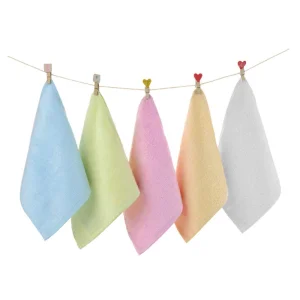
Durable multi-purpose face and hand washcloths designed for hospitality and domestic distribution.
Request Quote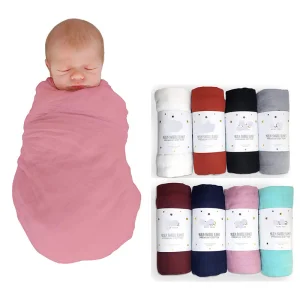
Premium open-weave construction offering maximum breathability and thermal regulation for newborns.
Request Quote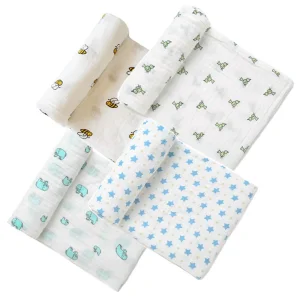
CE and GOTS compliant 2-layer gauze structure. High skin safety rating for maternal applications.
Request Quote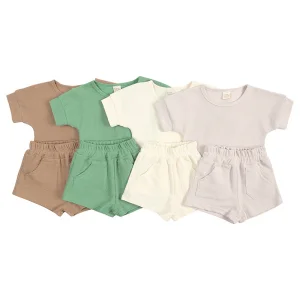
Waffle knit design optimizing surface area. Highly functional lounge option for eco-retail networks.
Request Quote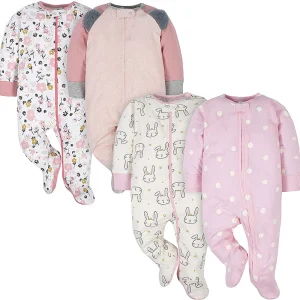
Premium insulation layer featuring organic cotton shells. Ideal for cooler weather retail cycles.
Request Quote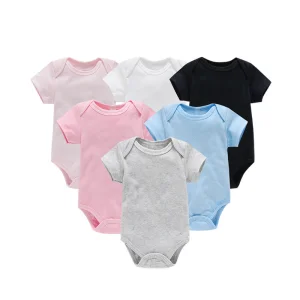
GOTS-certified combed cotton. High-grade stitching to support frequent dressing cycles.
Request Quote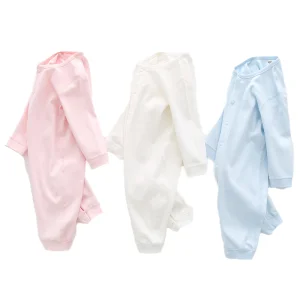
Flatlock seam construction to minimize friction against newborn skin. High-grade eco-dyes.
Request Quote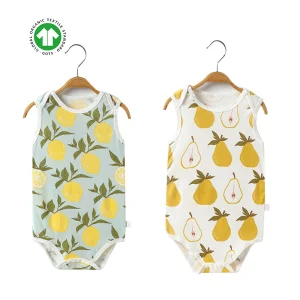
Lightweight sleeveless construction tailored for high-humidity summer seasons in South Korea.
Request QuoteAdditional GOTS-compliant, toxic-free products customized for boutique baby lines and department store retail channels.
How we support design processes, handle customs paperwork, and secure regulatory approvals for Korean distribution channels.
We customize fabric GSM (from 150 to 600+) and fiber composition (e.g., 70% bamboo / 30% organic cotton) to meet specific target metrics for absorbency, drying times, and weight classes.
Our suppliers operate under Control Union certifications. We utilize AOX-free and toxin-free low-impact reactive dyes, aligning with South Korea's environmental mandates.
We supply testing reports directly to KATRI (Korea Apparel Testing & Research Institute) or FITI, accelerating the KC (Korea Certification) application process for infant products.
Developing advanced textile technologies to enhance functional durability and support circular economies.
Our engineering roadmap focuses on two core challenges in sustainable textiles: wash durability and microplastic-free fiber blends. Conventional functional textiles rely on chemical coatings that wear off after washing. In contrast, our approach utilizes structurally engineered fibers that lock in natural performance characteristics.
To improve structural integrity, we are developing physical ring-spinning blends of long-staple organic cotton and premium bamboo viscose. This method creates a yarn with high torsional resistance, reducing fabric shedding during washing. By minimizing fiber shedding, we extend product lifespans and prevent microplastic pollution in wastewater systems, matching the high environmental standards expected by South Korea’s major distribution networks.
Select options featuring advanced knit patterns and functional material blends, designed for active and everyday wear.
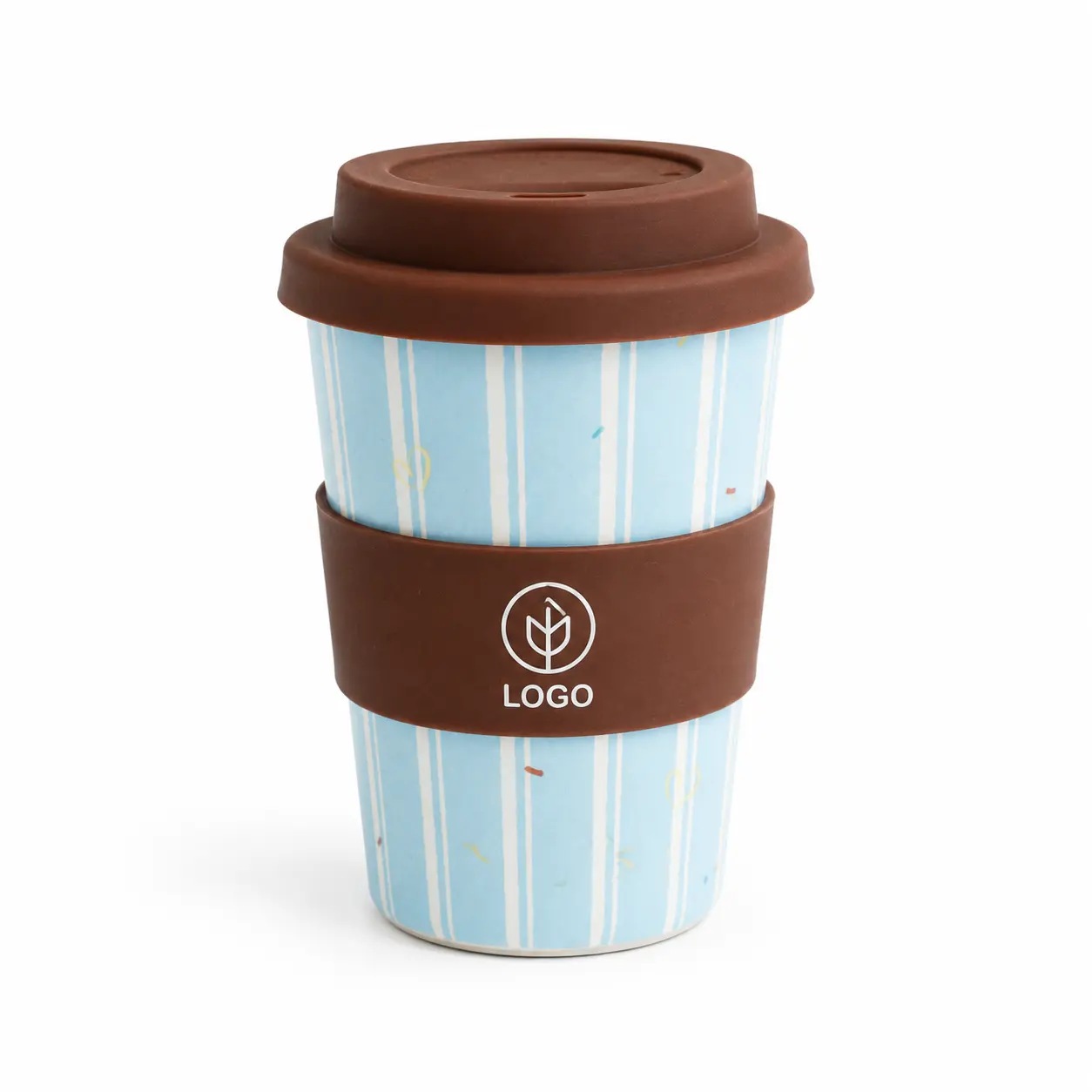
Constructed from rapidly renewable natural bamboo fiber. Biodegradable and food-grade safe.
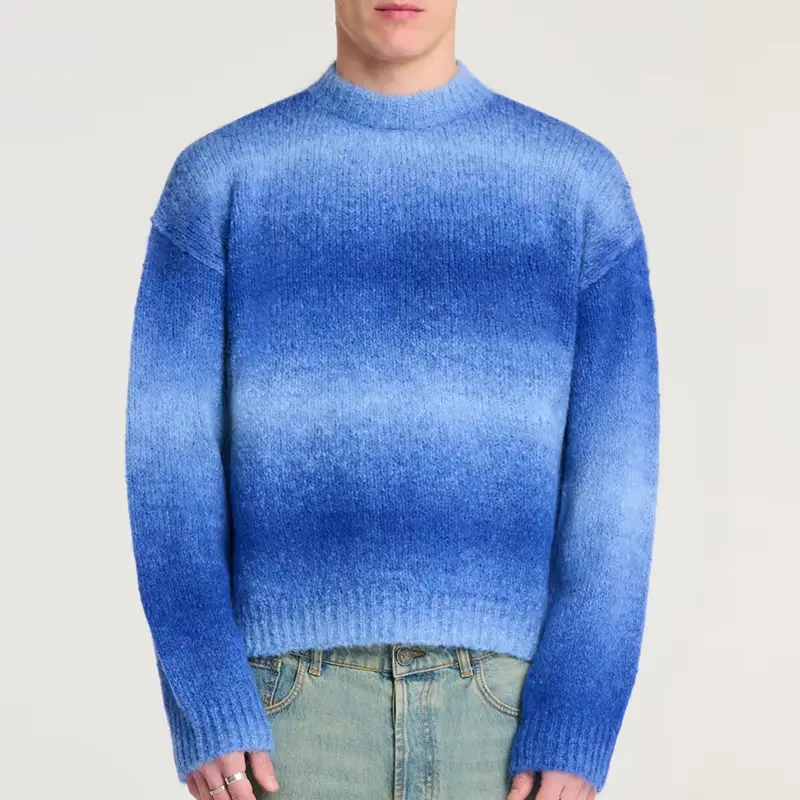
Premium fiber selection providing high thermal performance and custom branding versatility.
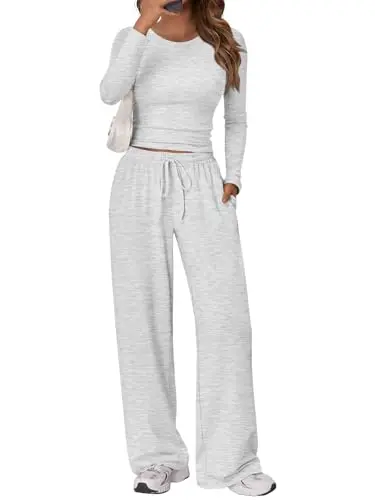
Ergonomic knit layout balancing freedom of movement with refined styling.
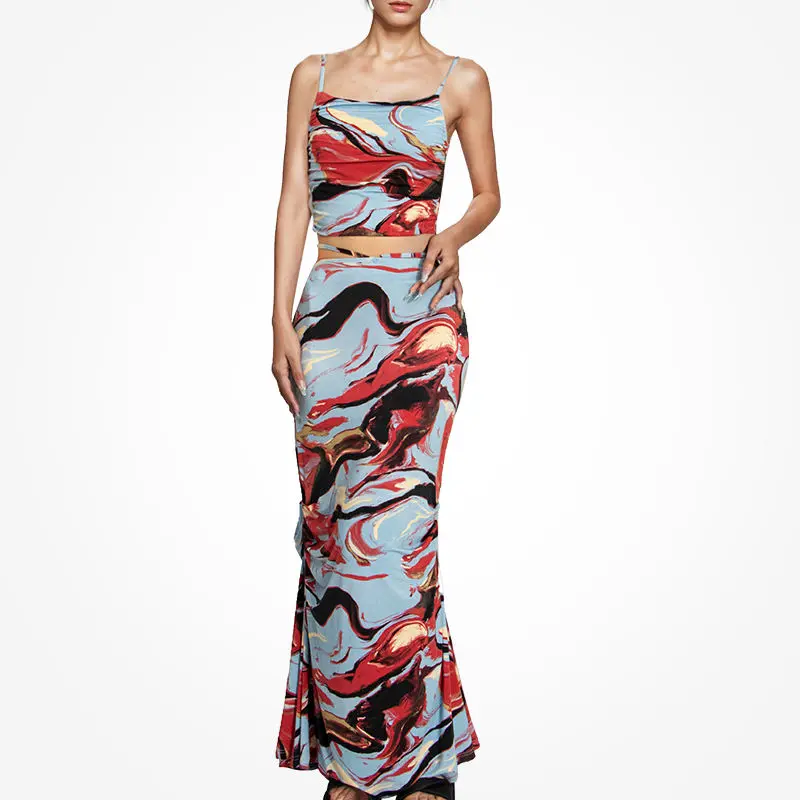
Super-soft bamboo viscose fibers yielding excellent drape and moisture management.
Technical analyses on raw material options and developments in zero-waste kitchenware and hospitality supply chains.
An analysis of the structural durability and biodegradability of bamboo fiber composite materials compared to traditional plastic-lined paper products.
Thermal stability profiling and odor neutrality performance metrics of natural fiber composites in hot beverage applications.
A life cycle assessment (LCA) tracking bamboo cultivation, manufacturing processes, and end-of-life options for B2B distribution.
Answers to common operational questions regarding customs clearance, certifications, and volume manufacturing.
Contact our B2B team today to request material samples, review custom pricing sheets, and confirm KC certification details.