Premium selection of sustainable apparel, activewear, and functional fabrics curated for wholesale buyers seeking high E-E-A-T manufacturing compliance.
The global maternity wear market has undergone a significant paradigm shift over the past decade. No longer considered a temporary niche segment, wholesale pregnant women dress companies are now at the center of an apparel revolution that merges ergonomic structural engineering with ecological materials. Industry forecasts project that the global maternity wear market size will reach USD 24.5 billion by 2028, growing at a steady Compound Annual Growth Rate (CAGR) of 4.3%.
Several macro factors drive this expansion. Rapid urbanization, increasing workforce participation among expectant mothers, and a deep-seated change in consumer psychology have transformed how maternity apparel is purchased. Today's consumers demand transition garments that offer "wardrobe longevity"—dresses that can be worn comfortably through all trimesters and seamlessly into postpartum nursing stages.
Geographically, manufacturing hubs in East Asia remain the leaders in fabric processing, while retail demands spike strongly in North America and Western Europe. However, as global supply chain disruptions necessitate higher resilience, enterprise buyers are prioritizing vertical manufacturers that can offer certified material traceability and verified operational sustainability.
Understanding the requirements of enterprise fashion brands, retail chains, and digital-first maternity platforms is critical for optimizing procurement chains.
During pregnancy, hormonal shifts make skin significantly more sensitive and susceptible to irritation and allergic contact dermatitis. Corporate buyers now require certifications showing that fabrics are free from formaldehyde, toxic azo dyes, and heavy metals. GOTS (Global Organic Textile Standard) and OEKO-TEX Standard 100 have transitioned from elective marketing badges to non-negotiable procurement prerequisites.
A high-quality maternity dress must adapt dynamically to changes in body shape. Designers utilize smart elastication, high-grade elastomeric blends, and pleated panels. The goal is to provide balanced support around the abdominal area without creating localized pressure points that could compromise blood circulation or maternal comfort.
High-volume buyers seek partner companies that can balance low minimum order quantities (MOQs) for trial collections with the industrial capacity to scale up production rapidly once a product succeeds in the market. Supply chain traceability, structured manufacturing timelines, and transparent logistics platforms are key parameters evaluated during the vendor selection process.
Addressing these challenges requires a structural transition away from polyester-heavy, non-breathable fabrics. Ecogarments offers systemic, industry-wide solutions by focusing on advanced natural fibers, notably organic cotton and bamboo viscose. Our environmental protection philosophy is rooted in protecting the people who wear the clothes, the artisans who assemble them, and the ecosystems that supply the raw materials.
By blending organic cotton with long-staple bamboo viscose, we create fabrics that are highly breathable, possess natural moisture-wicking properties, and feel exceptionally soft against the skin. This combination naturally regulates temperature, addressing the higher thermal output common during pregnancy. Furthermore, our raw fibers undergo mechanical spinning and closed-loop chemical processing to ensure that chemical residues do not enter local water systems or remain on the finished garments.
The future of maternity wear lies at the intersection of material science and digital technology. Below is the roadmap guiding next-generation product development.
Using 3D body-scanning data and machine learning algorithms, manufacturers are developing virtual avatars representing the structural changes across different weeks of pregnancy. This allows for predictive fit modeling, reducing the need for multiple physical iterations and shortening the development cycle for new designs.
Next-generation maternity fabrics will incorporate phase-change microcapsules. These materials absorb body heat when the skin temperature rises and release it when the temperature drops, helping expectant mothers maintain comfortable skin microclimates throughout the day.
Future designs will prioritize mono-material construction. A maternity dress composed entirely of cellulose-based fibers (such as 100% bamboo or organic cotton, including the stitching threads) can be easily recycled at the end of its life, eliminating the complex sorting processes required for mixed-blend fabrics.
As an apparel manufacturer, we use natural and organic materials where possible, avoiding plastic and toxic substances to minimize our environmental footprint.

More than 10+ years experience in production of eco-friendly apparel, ensuring high craftsmanship standards and operational quality control.

4000M2+ Professional Manufacturer equipped with over 1000+ specialized apparel machines to handle large-scale international orders.

End-to-end design and manufacturing solutions. We handle fabric development, pattern making, cutting, sewing, and final packaging.

Specializing in certified organic cotton, hemp, and bamboo fibers. We actively minimize microplastics and chemical dyes in our processes.

Robust raw material partnerships allow us to maintain steady fiber sourcing, protecting buyers from sudden price fluctuations.

Monthly catalog updates reflect changing trends in silhouette, coloration, and functional modifications for modern parents.

With more than 12 years of industry experience, we offer comprehensive services to brand managers, wholesale buyers, and e-commerce platforms.


We work to balance environmental responsibility with business viability, ensuring high-quality, durable garments that minimize environmental impact.


Our dynamic R&D and photography teams support your launch with video production, product imagery, and fit-testing documentation.


Our processing partners hold certifications from the Control Union. All dyes are AOX and toxin-free, meeting strict chemical safety requirements.


Our 4,000 square meter factory allows us to process high-volume orders while maintaining consistent construction and finishing quality.


Follow our product development updates on social channels. We continuously monitor and share shifts in styles, materials, and silhouettes.


We provide support for logistics, quality verification, and re-order processing to help maintain steady inventory levels.
A specialized view of our fabric samples and production highlights demonstrating texture, drape, and elasticity.
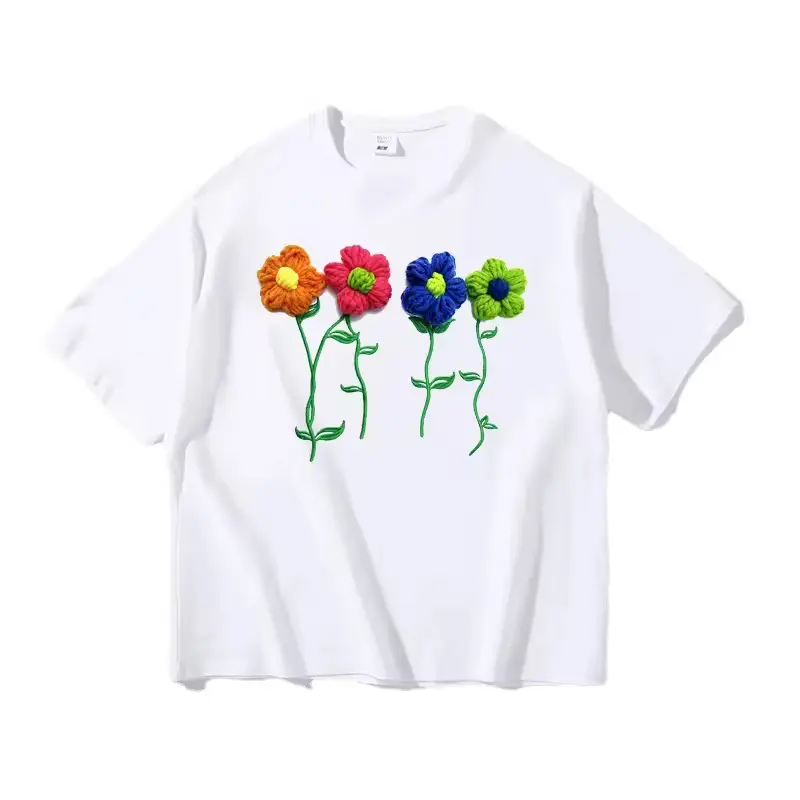
210g 100% Cotton...
Short Sleeve...
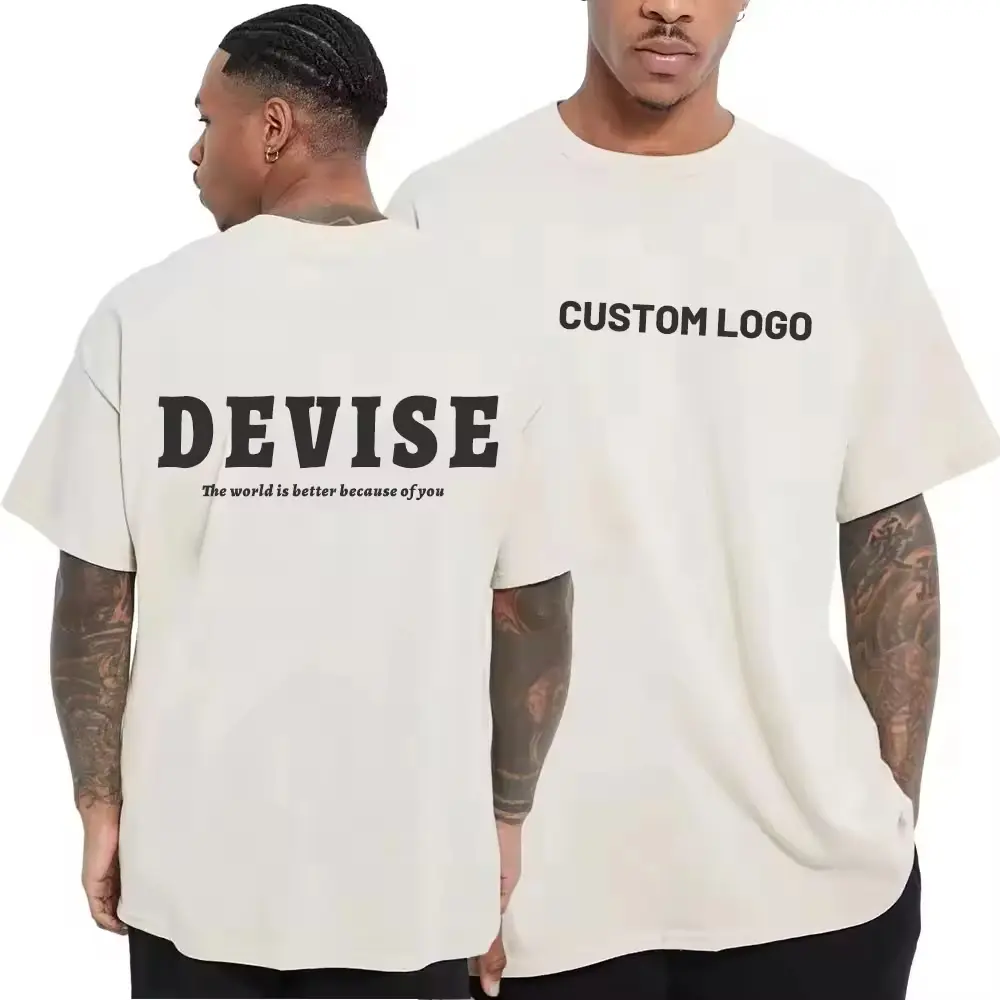
Custom Design...
Custom 100% ...
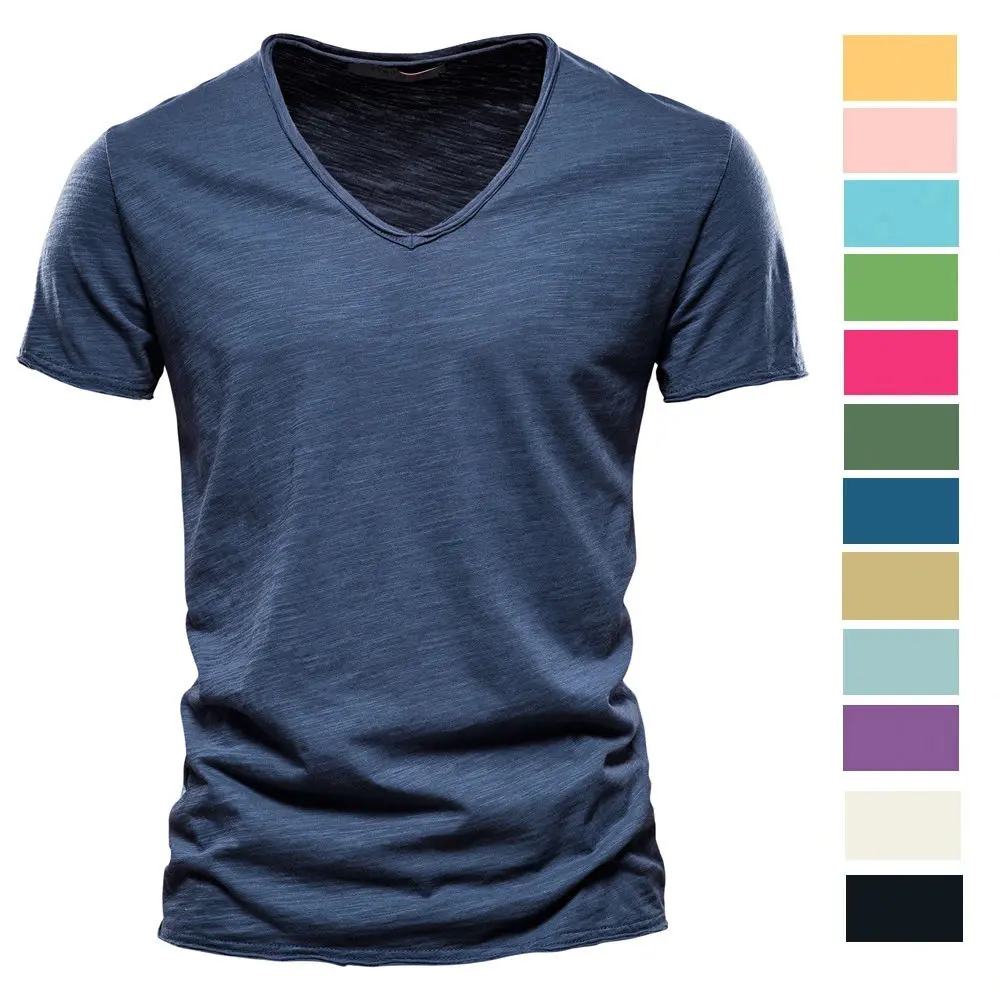
Men Tshirts ...
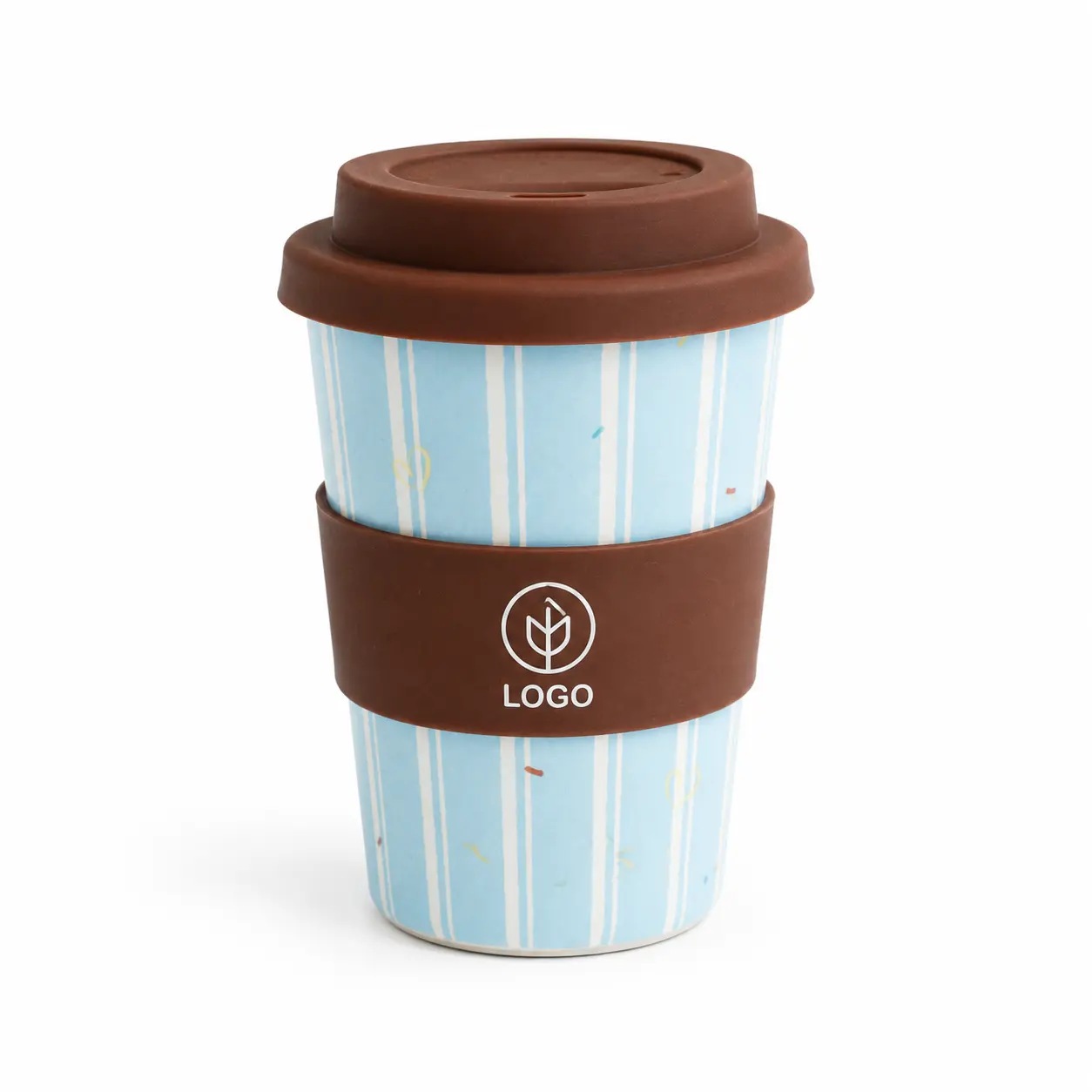
Reusable Bamboo...
Custom LOGO ...
Women's...
Pijamas De A...
Lightweight ...
We are committed to providing customers with functional, high-quality, and environmentally responsible products across our diverse textile operations.
Made from rapidly renewable natural bamboo fiber, a sustainable alternative to single-use plastic cups. Free of BPA, PVC, and toxic additives, safe for everyday hot and cold beverages. Lightweight and break-resistant.
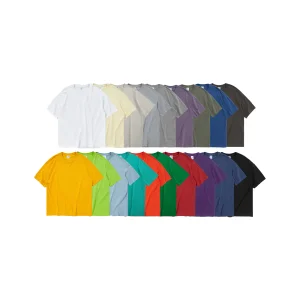
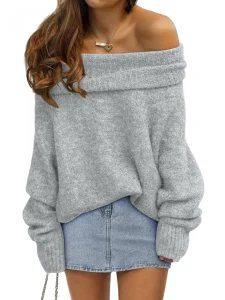
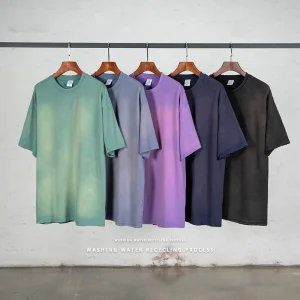
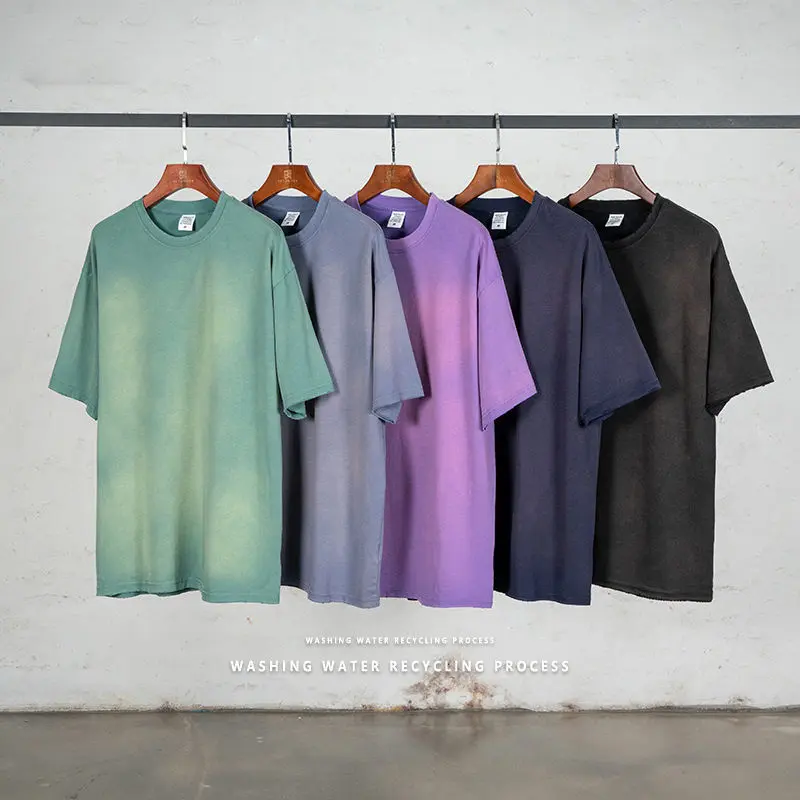
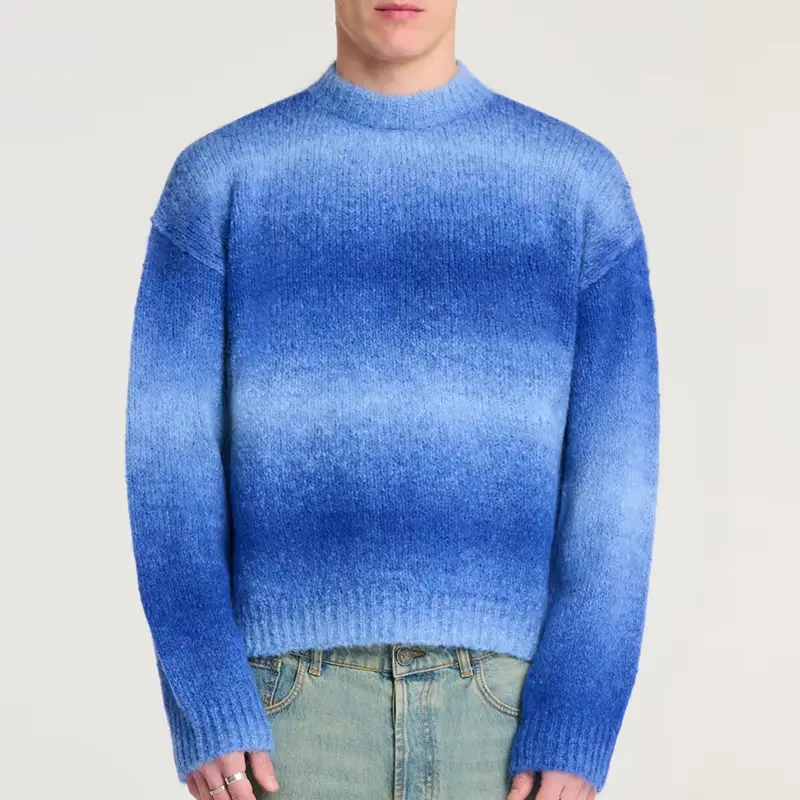
Crafted in a wide color palette from classic neutrals to seasonal hues. Available in classic crewnecks and oversized fits designed to drape comfortably. Lightweight and warm.
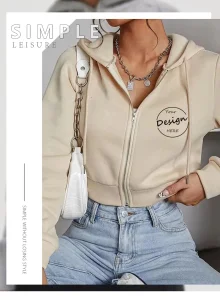
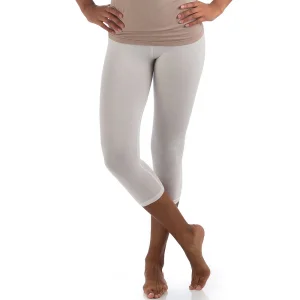
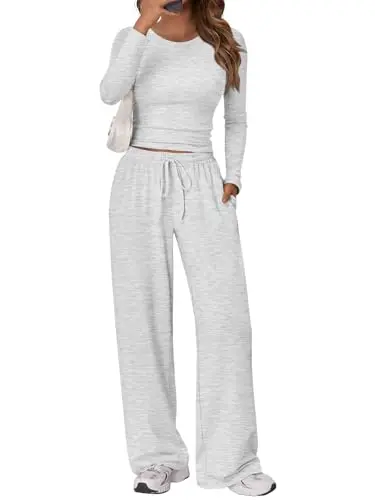
Designed to fit comfortably without constriction, highlighting clean structural lines. Highly versatile sport-style casual sets suitable for multi-scenario use. Customizable logo options.
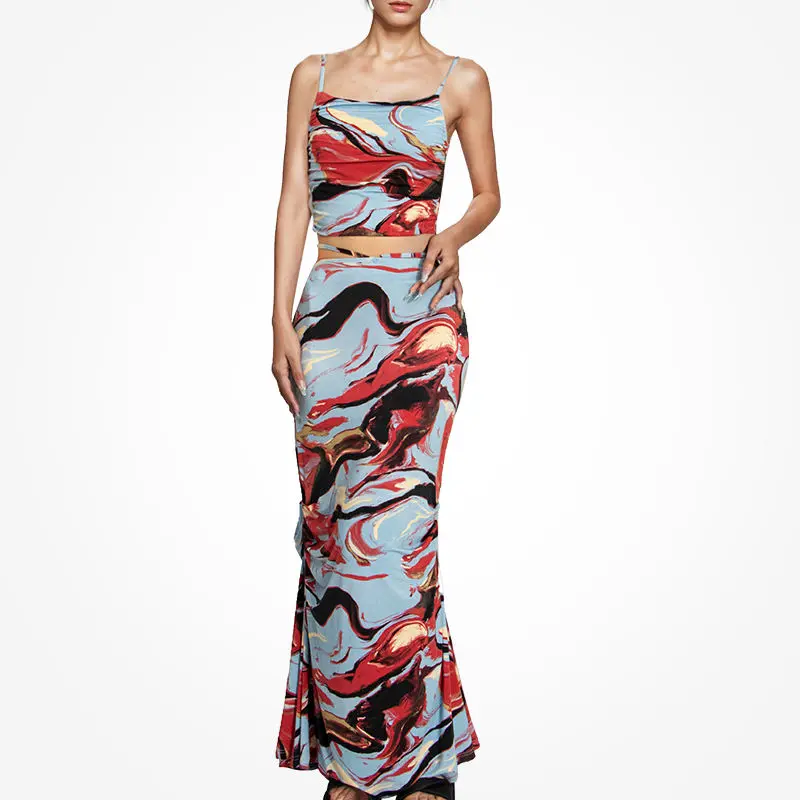
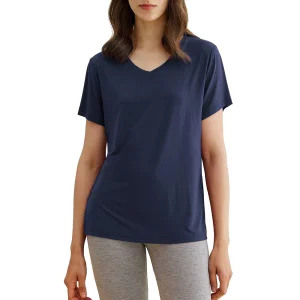
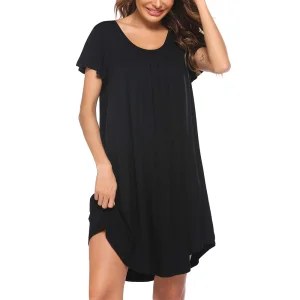
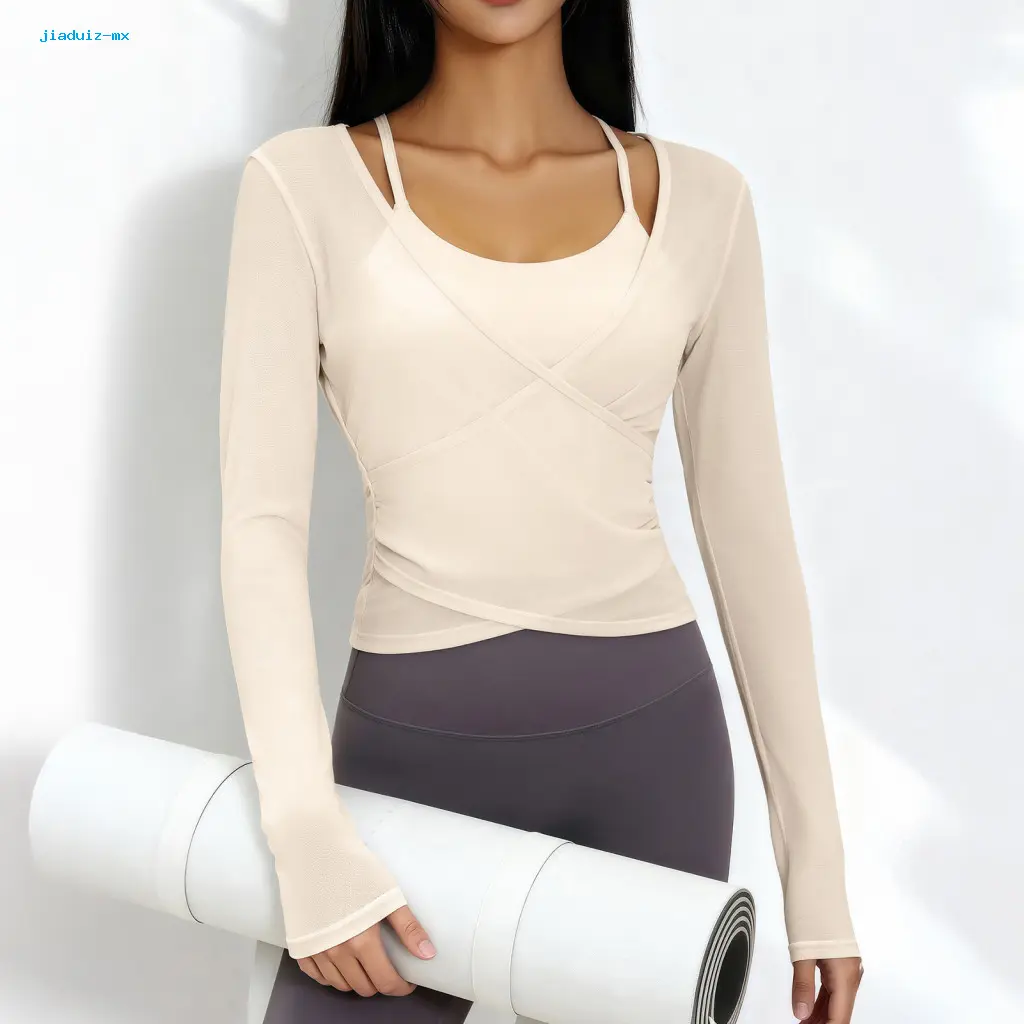
Made from soft, breathable bamboo viscose. Designed for transition wear, providing flexibility and support through changing silhouettes. Ideal for post-pregnancy and daily casual wear.
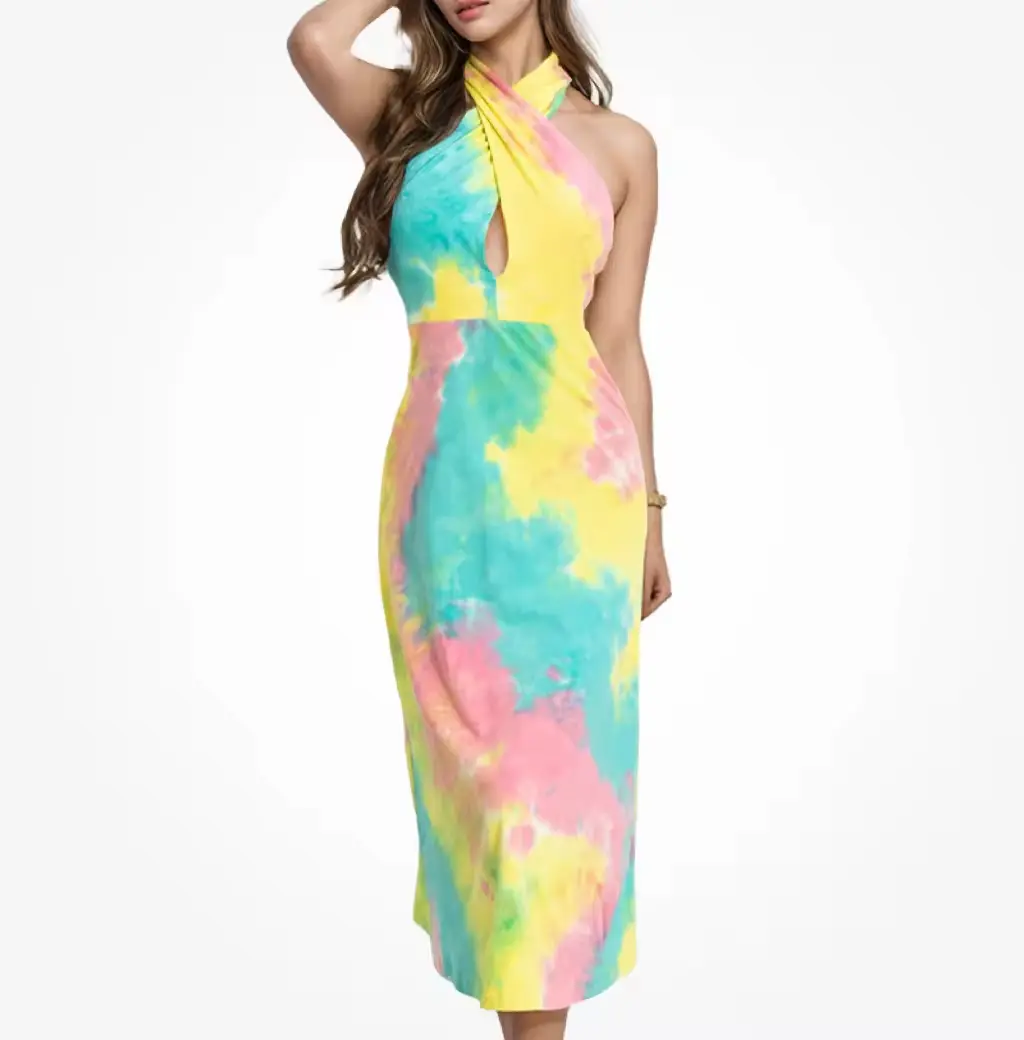
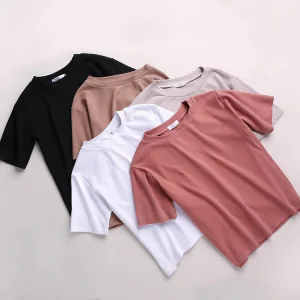
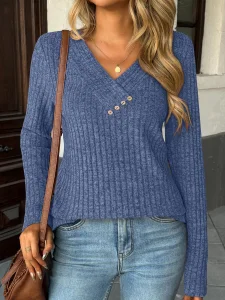
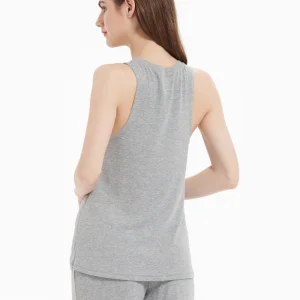
Features a soft neck-line and flexible rib construction that adapts comfortably to the waist. The lightweight bamboo-cotton blend offers ventilation during summer months.
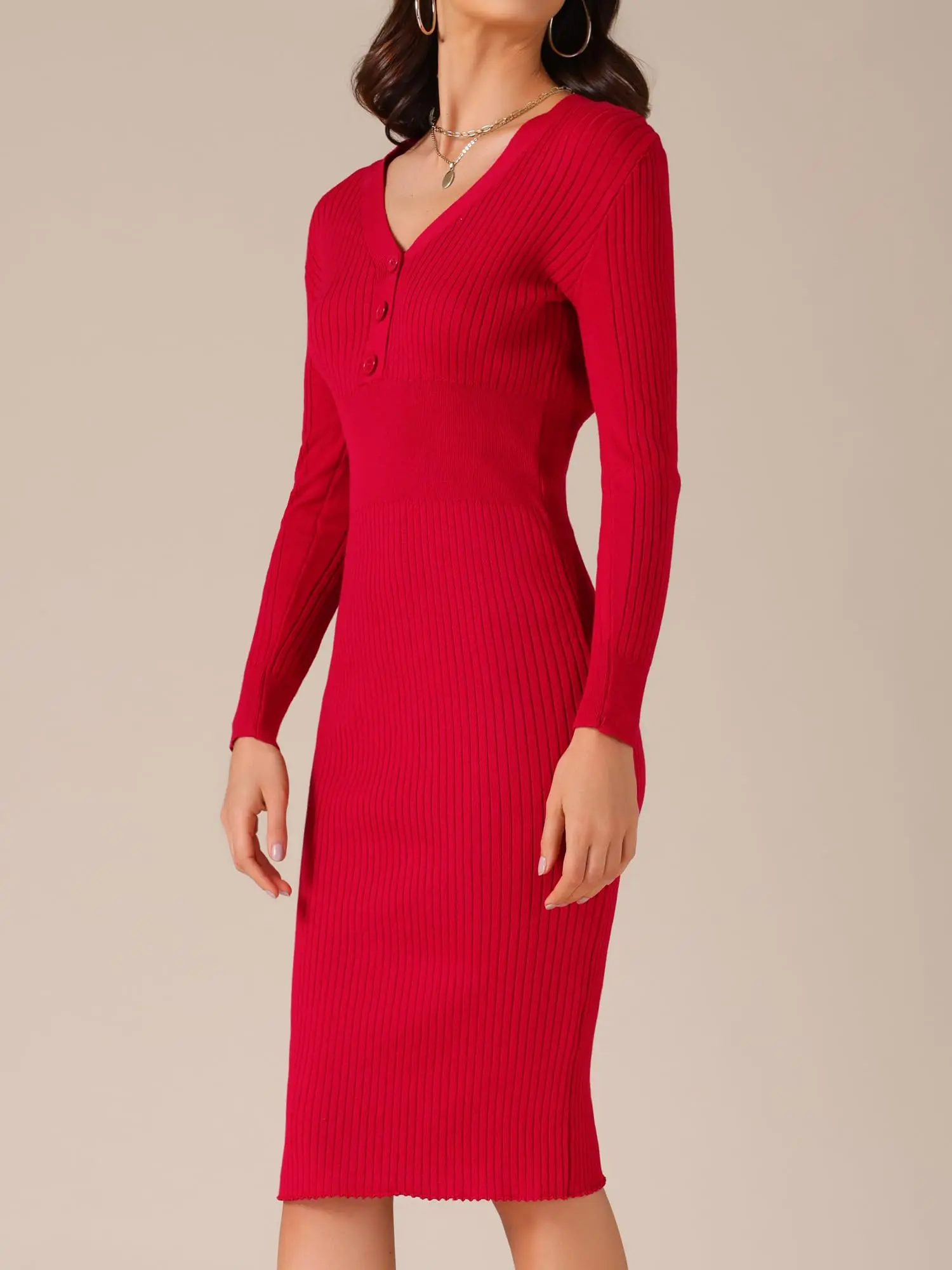
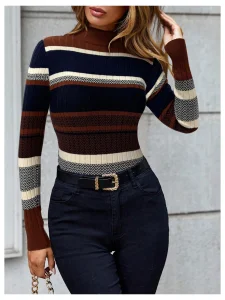
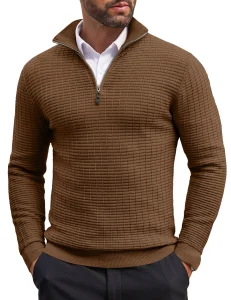
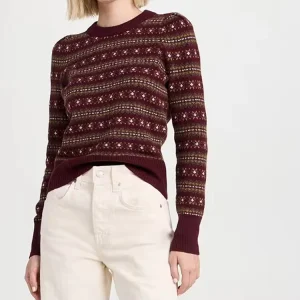
Knit construction designed to maintain softness and shape through regular wear. A comfortable, insulated layer suitable for cooler seasonal transitions.
Operating across international markets requires strict adherence to regional consumer product safety guidelines and import compliance structures.
For garments distributed in the United States and Canada, strict compliance with the Consumer Product Safety Improvement Act (CPSIA) is mandatory. This ensures that accessories like buttons, zippers, and clasps used in maternity and nursing wear do not exceed lead and phthalate limits. Additionally, fiber content labeling must comply with FTC guidelines, accurately reporting the percentage of bamboo viscose, organic cotton, and elastane blends.
Garments exported to the European Union must comply with REACH regulations concerning chemical restriction lists. Our production pathways verify that no alkylphenol ethoxylates (APEOs) or perfluorinated chemicals (PFCs) are used during the finishing stages. Furthermore, we maintain GOTS transaction certificates for our organic fiber collections, ensuring step-by-step verification from farm to finished garment.
Answers to technical and logistical questions commonly encountered by procurement managers during the evaluation process.
The zero-waste movement has evolved from a niche trend into a global necessity. Households worldwide are rethinking every item in their cupboards, from food storage containers to drinking vessels. In the quest for a truly sustainable kitchen, bamboo fiber cups have taken center stage as a staple...
For millions of people around the world, the morning routine starts with a hot cup of coffee on the way to work. Unfortunately, this convenient habit often comes with a heavy environmental price tag: single-use takeaway paper cups lined with plastic. If you are looking to green up your daily comm...
In today's fast-paced world, the environmental impact of single-use plastics has become an undeniable crisis. Millions of plastic cups end up in landfills and oceans every day, taking hundreds of years to decompose. As consumers become more conscious, the global movement toward "Plast...
A further collection of knitwear, base layers, and structural maternity items for specialized brand expansion projects.