Explore our foundational range of eco-conscious apparel, engineered to meet international safety and environmental regulations.
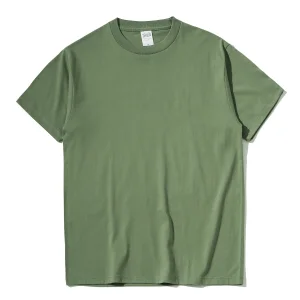
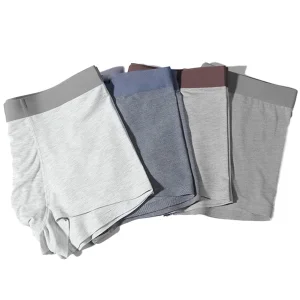
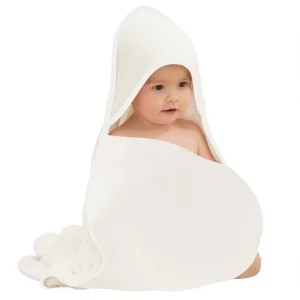
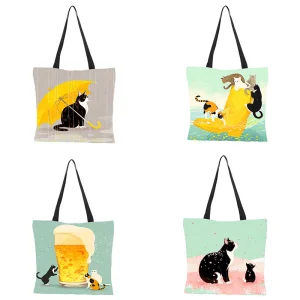
The manufacturing architecture for newborn baby clothes has entered a phase of unprecedented technological and ethical disruption. Globally, the paradigm is transitioning from high-volume, low-cost assembly to highly regulated, biocompatible, and traceable textile engineering. Modern parents, driven by digital transparency, demand garments that guarantee skin-barrier protection, chemical inertia, and minimal environmental footprint.
For B2B procurement leaders, sourcing is no longer merely a pricing exercise. It requires navigating strict regulations like OEKO-TEX Standard 100 Class I (specifically tailored for babies and infants), CPSIA (Consumer Product Safety Improvement Act) compliance in the United States, and the European Union’s REACH regulations. In the post-pandemic landscape, manufacturing facilities must possess certified mechanical safety frameworks, ensuring that buttons, snaps, and trims do not present ingestion hazards, and that seam structures are entirely flat-locked to mitigate neonatal skin irritation.
Moreover, the integration of plant-based textiles has shifted from niche marketing to commercial necessity. Bamboo viscose, organic cotton, and lyocell fibers are engineered to optimize thermal regulation, breathability, and moisture control. Sourcing channels must adapt to this evolution by partnering with suppliers who hold active certifications, such as GOTS (Global Organic Textile Standard) and FSC (Forest Stewardship Council) chain-of-custody documentation.

Analyzing key structural shifts across Western and Asian retail markets, detailing lead times, compliance, and material engineering.
Procurement chains now prioritize Zero Hazard materials. All supply channels require certified AOX-free and non-toxic dyestuffs to meet international baby apparel standards.
With CAD-driven smart pattern making, initial OEM/ODM baby clothing iterations are resolved via 3D digital simulation before physical fabric allocation.
Brands require complete verification from raw timber/organic cotton crop harvesting down to the final garment seam construction and packaging.
In North America and Europe, baby apparel retailers are navigating an omnichannel landscape where raw material volatility requires elastic supply chains. Key purchasing decisions are centered around low MOQ (Minimum Order Quantity) customization options that permit rapid feedback testing in target demographics. Enterprises seek vertical manufacturers that manage both raw fiber production and garment confectioning under one roof. This minimizes markups and reduces transport footprints, directly contributing to the brand's Environmental, Social, and Governance (ESG) performance indexes.
By leveraging Factory 4.0 principles, Chinese manufacturers have re-engineered the apparel supply chain. At Ecogarments, we combine digitized fabric-cutting suites, automated hanger systems, and intelligent ERP solutions to provide unmatched resilience and production predictability. Through digital pattern nesting and real-time thread tracking, we optimize fabric utilization, drastically reducing scrap rates and passing those savings directly to our global partners.
Our ecological philosophy is simple but powerful: At Ecogarments, we care about apparel, about the people who wear them, and the people who make them. We believe that success is not measured solely in monetary terms, but in the positive impact we have on our community and the planet. We strive to challenge our industry peers to take responsibility for their carbon footprints, and we continuously innovate to build a viable business case for high-quality, sustainable apparel.
Our raw material inventory is located close to deep-water shipping terminals and high-speed railway networks, enabling seamless logistics management. Whether processing high-volume yarn orders or executing urgent private-label baby clothes production runs, our infrastructure guarantees stable pricing, rapid delivery, and absolute compliance with international import guidelines.
Why international brands, online retailers, and wholesale distributors partner with Ecogarments for OEM/ODM excellence.
Over a decade of specialized industrial expertise in baby and kid's apparel, organic loungewear, and high-performance sustainable fabrics.
Equipped with 1000+ advanced textile machines, computerized flatlocks, and automated quality-control check gates to ensure zero defects.
From initial fashion CAD drafting, model photography, and yarn sourcing to complete manufacturing, custom labelling, and final shipping.
We avoid toxic chemicals, microplastics, and harsh artificial softeners. Fabric sourcing focuses strictly on natural, biodegradable fibers.
We maintain a massive rolling inventory of popular fabrics to insulate clients against sudden material price surges and logistical delays.
Monthly updates for baby clothing designs, cuts, and color schemes, keeping your brand ahead of fast-moving consumer preferences.
Aligning structural capabilities to streamline your procurement journey, minimize overheads, and guarantee certification safety.
We think outside the box to establish a sustainable business case for eco-conscious clothing. By using natural raw materials and optimized dye processes, we verify that final products are completely free of toxic residues and allergens.
All fabrics and sub-assemblies are sourced from raw material farms certified by the Control Union. Sizing agents and dyestuffs are AOX-free and heavy metal-free, satisfying rigorous international infant product certifications.
Our dedicated photography team handles video capture, model lookbooks, and high-fidelity product flat lays. We deliver pre-formatted visual assets, saving your marketing team thousands in localized production fees.
Bridging the gap between raw manufacturing capabilities and regional consumer touchpoints.
Nordic and Western European baby brands emphasize complete transparency and GOTS authentication. Our bamboo fiber lines serve as hypoallergenic, anti-microbial solutions suited for cold-weather layering and baby sleeping sacks.
With immediate consumer feedback cycles, North American online brands depend on low MOQ variations and rapid custom screen-printing. Our ready-made garment blanks permit localized customization with short lead times.
Markets with high humidity indices require baby clothes with superior thermal regulation and moisture absorption. Our ice silk and bamboo-cotton blend collections offer lightweight, highly breathable wear options for infants.
Addressing core technical questions from global procurement officers regarding manufacturing baby apparel.
Analyze the functional details and material advantages of our highly requested product lines.
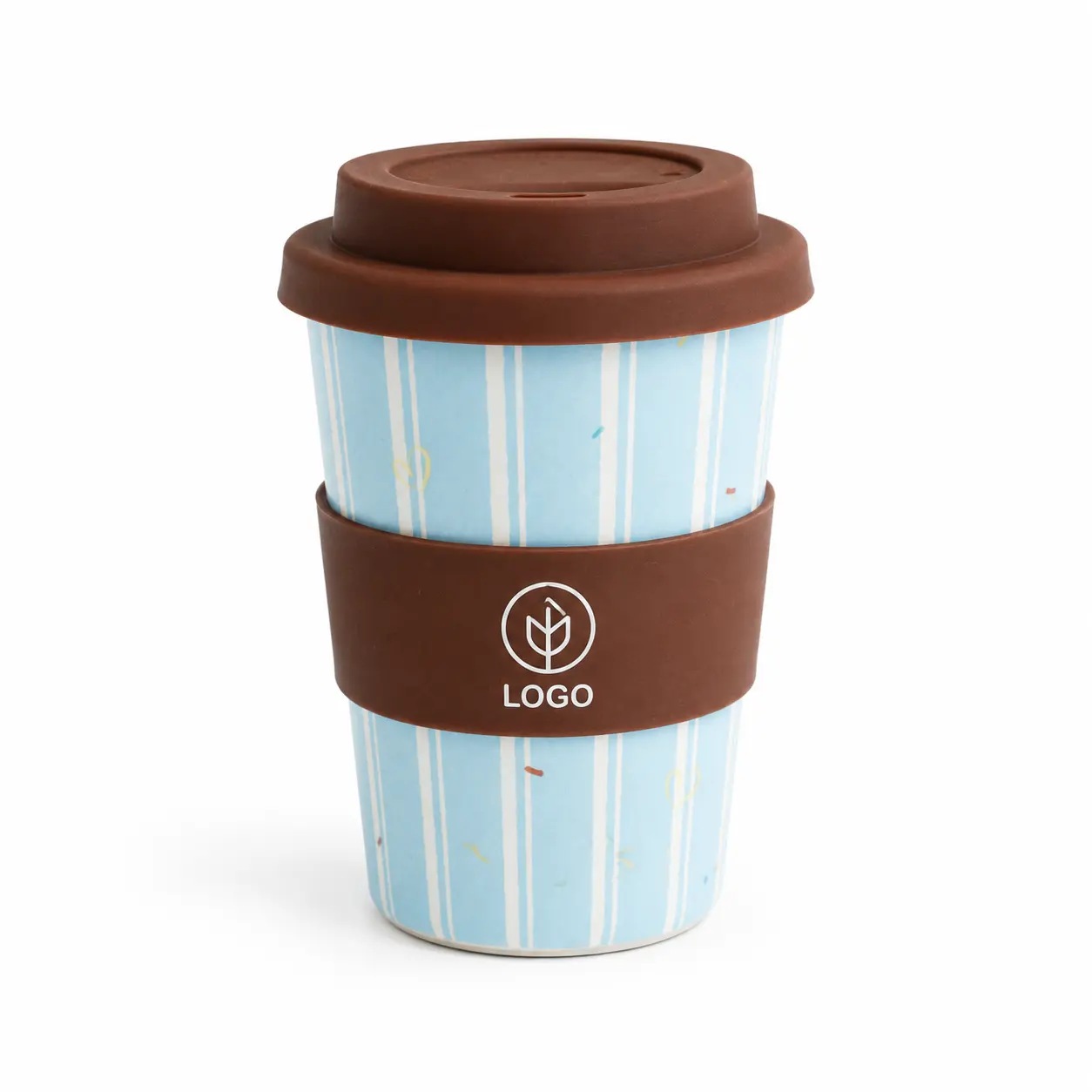
Made from rapidly renewable natural bamboo fiber, this cup is a sustainable alternative to single-use plastics. Free of BPA, PVC, and toxic additives, it is lightweight, durable, and naturally insulated for safe daily use.
View Material Specifications →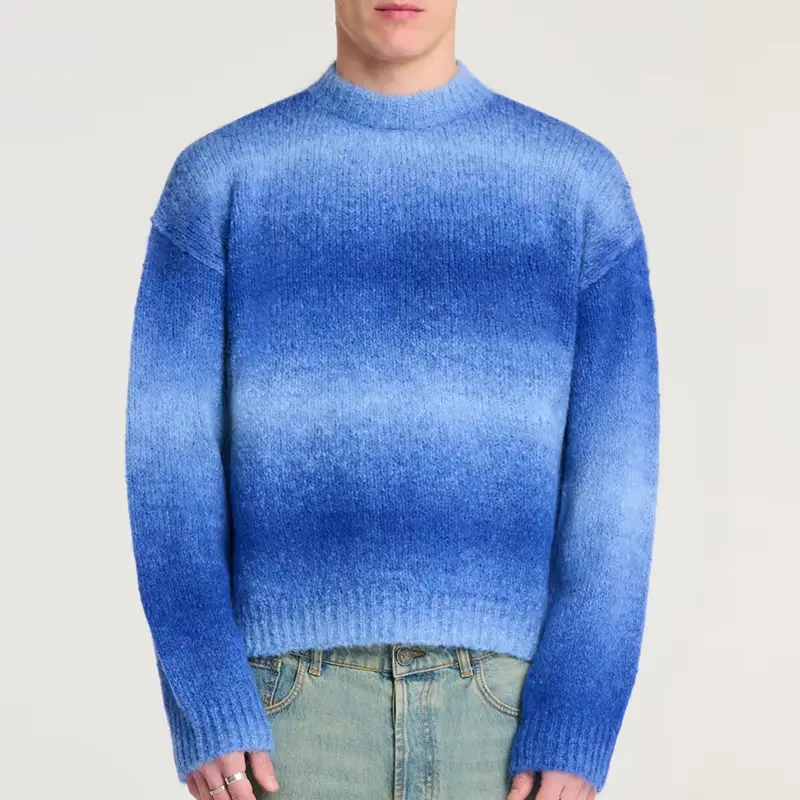
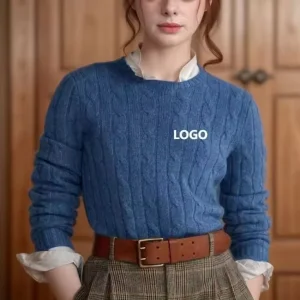
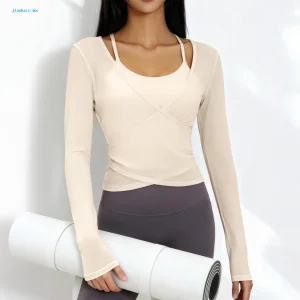
Spun from premium fibers for exceptional softness, lightweight comfort, and warmth. Available in classic crewnecks or modern fits, these mohair sweaters are customized to your exact brand styling and color specifications.
Explore Design Options →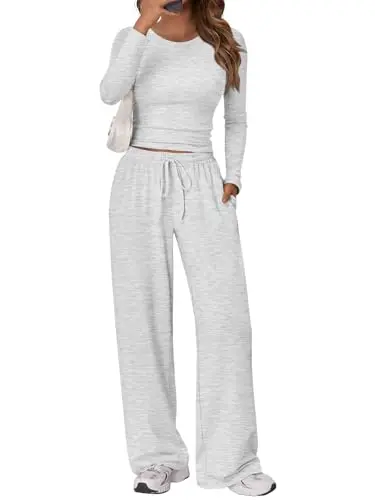
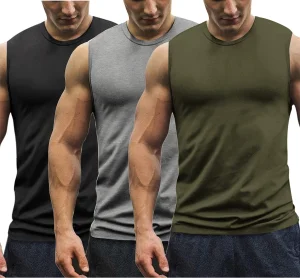
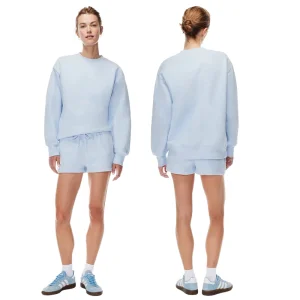
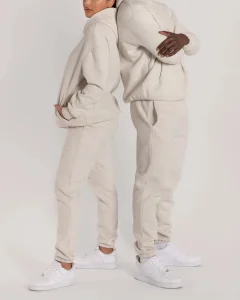
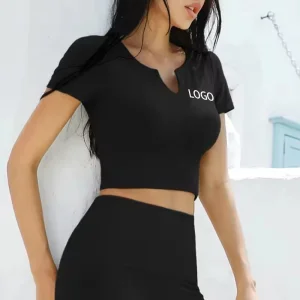
A relaxed athletic fit that contours comfortably without restriction. Simple, clean styling lines make this set ideal for versatile everyday wear, complete with customizable logo placement options.
Request Fit Sample →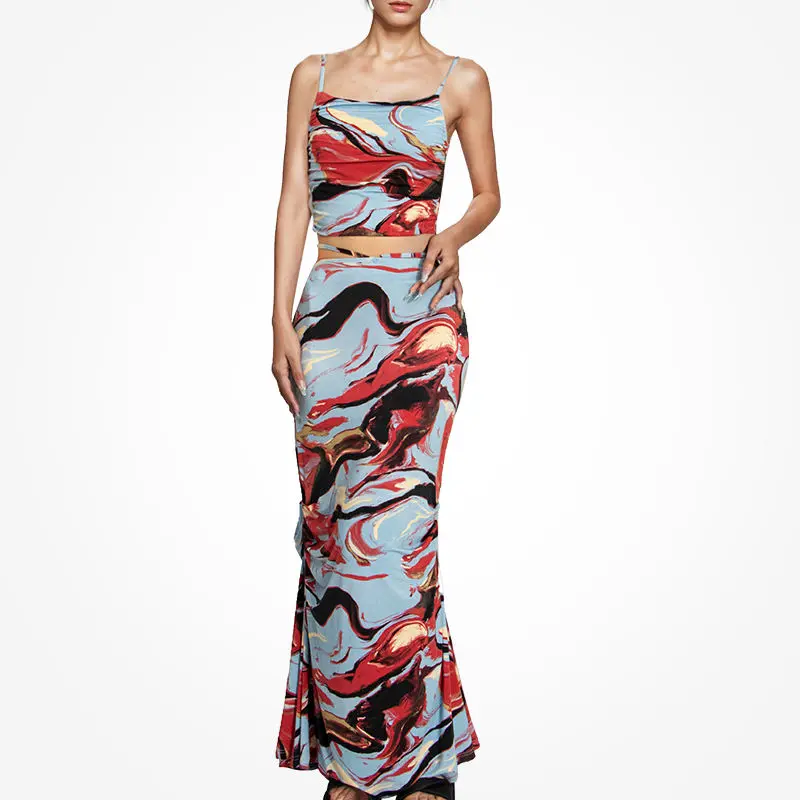
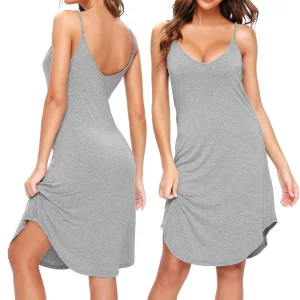
Crafted from sustainably sourced bamboo viscose, this dress offers a silky soft feel and a flattering drape. A stylish, breathable, and eco-friendly choice suited for casual outings or semi-formal occasions.
Check Bulk Pricing →Stay up to date with the latest developments in eco-friendly textiles, zero-waste kitchenware, and sustainable manufacturing practices.
The zero-waste movement has evolved from a niche trend into a global necessity. Households worldwide are rethinking everyday items, and bamboo fiber cups are leading the way as a durable, biodegradable alternative to plastics.
Millions of single-use coffee cups end up in landfills every day. Switching to a reusable bamboo cup offers a lightweight, heat-resistant, and eco-friendly way to enjoy your morning commute responsibly.
As plastic pollution remains a global issue, consumers are seeking everyday alternatives. Our comprehensive guide shows how adopting bamboo fiber products can easily fit into and support a low-waste lifestyle.
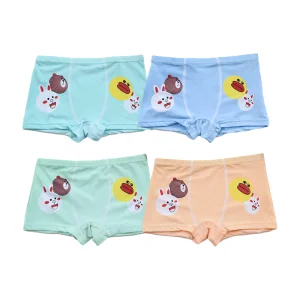
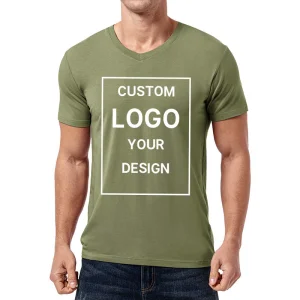
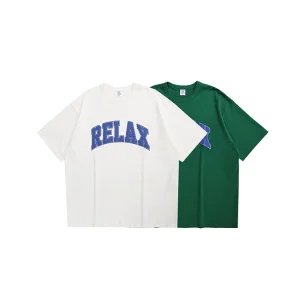
Browse our catalog of custom adult activewear, kids' undergarments, and daily essential apparel lines.