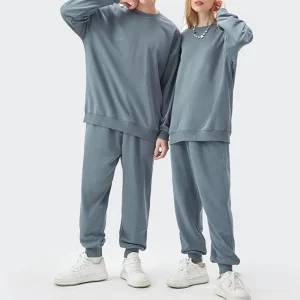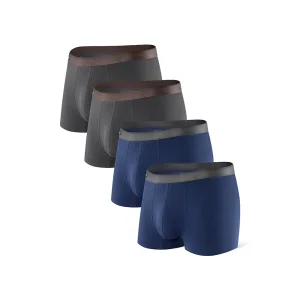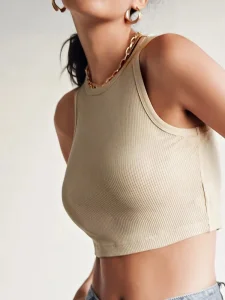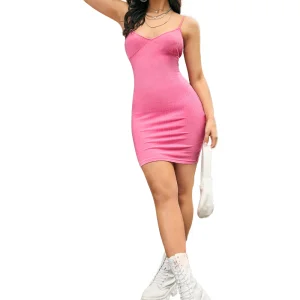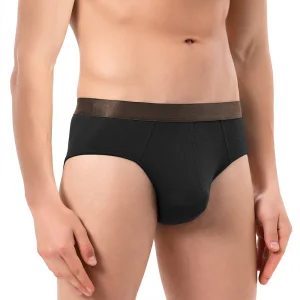
Explore our foundational range of eco-textiles, high-stretch wear, and dynamic activewear manufactured under strict GOTS & Control Union regulations.
The global maternity wear market has undergone a paradigm shift. Historically, pregnant women were limited to oversized, non-functional garments. Modern demographic trends and increasing consumer awareness regarding health, comfort, and environmental sustainability have transformed this niche segment. Today, OEM Maternity Loose Trousers are no longer merely fashion statements; they are highly engineered medical-ergonomic essentials.
Enterprise buyers from North America, the European Union, and the Asia-Pacific region are reporting a massive surge in demand for loose-fitting, breathable maternity bottoms. The primary driver is physiological protection. During gestation, the female body experiences rapid fluctuations in pressure, body heat, and skin sensitivity. Heavy, tight, or chemically treated fabrics can cause severe contact dermatitis, restrict peripheral blood circulation, and exacerbate discomfort. Our dedicated research shows that loose trousers integrated with highly flexible stomach support bands allow optimized blood flow while minimizing skin friction.
Trousers designed with modular dynamic tension bands that adjust automatically to the abdominal circumference from Week 8 to Week 40 without loss of elasticity.
Elimination of harsh elasticizers and synthetic chemicals. We prioritize organic bamboo fiber blends that naturally resist dust mites, odors, and surface friction.
Proprietary fabric knitting styles allow high airflow, moisture wicking, and thermal regulation to counteract increased basal body temperature during pregnancy.
Developing high-performance maternity loose trousers requires strict attention to material science. The waistband is the core component. Standard garments use synthetic elastane, which applies localized, linear pressure. In contrast, our OEM manufacturing process utilizes a 3D knit panel made of organic bamboo viscose blended with high-grade Lycra. This allows multi-directional stretch (360-degree tensile distribution), spreading the support load evenly across the pelvis and the lower abdomen, drastically reducing strain on the lumbar region.
At Ecogarments, we care about apparel, about the people who wear them, and the people who make them. We believe that success is not measured solely in monetary gains, but in the positive impact we have on those around us and our planet.
We are passionate. We are pure. We challenge those around us to take responsibility for their ecological footprint. And we always strive to think outside the box to build a lasting business case for sustainable, premium-quality apparel. By eliminating plastics and toxic chemicals from our raw materials, we protect both the end-users and the agricultural systems that supply us.
How our technical infrastructure transforms raw eco-fibers into global market-ready maternity trousers.
Over 10+ years of deep expertise in organic apparel production. We have resolved the complex structural challenges of high-stretch maternity waistbands and seam-burst prevention under heavy loads.
Our 4,000+ square meter facility houses over 1,000 advanced computerized knitting and sewing units, permitting high-precision alignment of panels and flawless mass production.
Full design-to-delivery support. We integrate 3D rendering, automated prototyping, sizing adjustments, custom brand labeling, and drop-ship logistics to simplify your brand expansion.
Our entire fabric supply chain is fully certified by the Control Union. All dyestuffs are guaranteed AOX and toxic-substance-free, aligning with GOTS and OEKO-TEX Standard 100.
All facilities are regularly audited for social compliance, worker safety, and environmental stewardship, meeting the strict requirements of EU and US retailers.
We maintain deep stockpiles of raw bamboo fibers, organic cotton, and eco-blends. This guarantees price stability and protects our clients from global supply chain disruptions.
With more than 12 years of industry experience, we tackle design hurdles head-on. Below are the key pillars of our OEM/ODM service architecture.
We think outside the box to build a lasting business case for sustainable, premium-quality apparel that reduces carbon footprint while maintaining profitability.
Backed by our powerful R&D department, we offer end-to-end management, including professional fashion photography, videography, modeling, and packshots to optimize your marketing campaigns.
All fabrics are certifiable back to their source. Dyes are toxic-free and meet Oeko-Tex guidelines, allowing you to confidently label your garments as clean, green, and safe.
Our 4,000+ sqm factory operates under lean manufacturing protocols. We manage everything from raw material intake to precision stitching, ensuring batch consistency.
We monitor consumer sentiment, search intent, and runway styles to release updated catalog collections monthly, ensuring your inventory remains ahead of the curve.
We provide full after-sales support. If shipping problems arise or updates to design files are needed, our account teams respond within 12 hours.
When engineering maternity loose trousers, fiber choice directly impacts product longevity and user experience. Typical low-cost exporters use high-percentage polyester blends. However, polyester traps body heat and sweat, which can trigger skin flare-ups during pregnancy. Ecogarments utilizes a specialized Bamboo-Viscose and Organic Cotton weave (typically 68% Bamboo, 27% Organic Cotton, and 5% Lycra/Spandex).
Bamboo fiber is characterized by a microscopic structure with tiny gaps, providing excellent capillary action. This enables the fabric to absorb and evaporate sweat instantly, keeping the wearer cool in warm conditions and warm in cooler environments. Additionally, bamboo contains a natural bio-agent known as "Bamboo Kun," which resists bacterial growth and minimizes odors—an essential feature for women experiencing hormonal fluctuations during pregnancy.
We run our textiles through rigorous stress testing before they enter the cutting phase. The table below represents our factory baseline values:
| Metric Checked | Standard Test Protocol | Factory Target Score | Performance Level / Outcome |
|---|---|---|---|
| Tensile Recovery (Stretch) | ASTM D4964 (Waistband Elasticity) | > 98% Recovery after 500 cycles | Exceeded (Minimal slackening) |
| Air Permeability | ASTM D737 (Breathability Index) | > 180 cm³/cm²/s | Exceeded (Highly breathable structure) |
| Pilling Resistance | ISO 12945-2 (Martindale Method) | Grade 4.0 or above at 5000 rubs | Compliant (Resists pilling) |
| Color Fastness to Wash | ISO 105-C06 (Lauderometer Test) | Class 4.5 Minimum | Compliant (No bleed / fade) |
As the apparel industry moves toward circular economies, our production facility is preparing to integrate closed-loop recycling systems. The next phase of our maternity line involves biodegradable elastane. Traditional spandex takes decades to decompose, but our upcoming bio-based stretch materials break down in landfill conditions within 5 years, leaving no chemical residue behind. Furthermore, we are investing in smart pressure-mapping software that allows digital adjustments of sample fits on diverse body silhouettes, cutting down on physical sampling waste by 75%.
Detailed technical answers for procurement directors, product developers, and retail buyers.
Our standard MOQ is 500 units per style/color combination. This allows us to source organic fabrics and run dyelots under certified GOTS conditions. For verified retail partners launching a new line, we can sometimes accommodate a lower trial quantity.
We use a proprietary cross-knitting technique that combines combed organic cotton/bamboo yarns with specialized elastane. The stitch density is adjusted dynamically across the panel—it is tighter at the lower hips to provide support, and looser at the top of the belly to prevent rolling or digging.
Yes. All dyestuffs used in our facility are completely free from AOX, toxic heavy metals, and formaldehyde. They comply with OEKO-TEX Standard 100 Class I (safe for direct skin contact and infant wear), ensuring they are gentle on sensitive, pregnancy-prone skin.
Digital patterns and tech pack layouts are prepared in 2–3 business days. Physical prototyping takes 7–10 days. Once the sample is approved, bulk manufacturing requires 35–45 days, depending on fabric availability and production schedules.
Absolutely. We operate as a full-service OEM and ODM partner. We accept Gerber or DXF pattern formats, tech sheets, and specific Pantone references. We also manufacture custom eco-friendly packaging and FSC-certified paper hangtags.
Our facilities are certified by Control Union and audited yearly. We guarantee fair wages, safe working environments, regular shift hours, and strict child-labor bans. Social transparency reports are available for review by enterprise clients.
Bamboo viscose is noticeably softer and offers a silk-like drape that falls gracefully without clinging. It is more breathable and has a higher moisture-wicking capacity than pure cotton. Organic cotton, however, provides structure and durability. Blending both fibers delivers the benefits of both materials.
We use four-needle, six-thread flatlock stitching for all load-bearing seams. Samples are subjected to ISO 13935-2 seam tensile strength tests to ensure the seams withstand high pressure during movement and body changes without tearing.
Insights into the zero-waste movement, eco-friendly consumer habits, and resource-efficient production methods.
The zero-waste movement has evolved from a niche trend into a global necessity. Households worldwide are rethinking every item in their cupboards, from food storage containers to drinking vessels. In the quest for a truly sustainable kitchen, bamboo fiber cups have taken center stage as a staple...
For millions of people around the world, the morning routine starts with a hot cup of coffee on the way to work. Unfortunately, this convenient habit often comes with a heavy environmental price tag: single-use takeaway paper cups lined with plastic. If you are looking to green up your daily comm...
In today’s fast-paced world, the environmental impact of single-use plastics has become an undeniable crisis. Millions of plastic cups end up in landfills and oceans every day, taking hundreds of years to decompose. As consumers become more conscious, the global movement toward “Plast...
Explore our secondary catalog range of certified bamboo knits, loungewear, and premium everyday essentials.