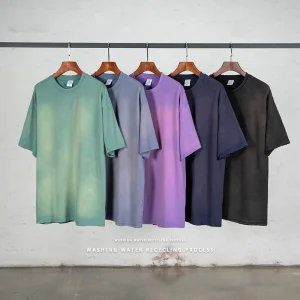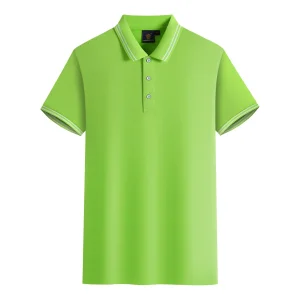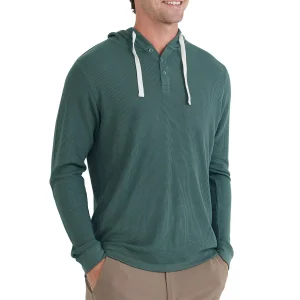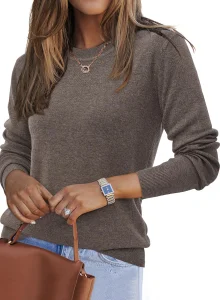
Explore our curated catalog of sustainable maternity, newborn, and activewear products manufactured under strict global environmental standards.
Analyzing semantic search intents and supply patterns for international purchasing directors, retail chain buyers, and niche maternity brands.
In the contemporary B2B commerce landscape, the sourcing parameters for maternity and breastfeeding apparel have experienced a paradigm shift. Global buyers are no longer merely seeking cheap production. Today's commercial search queries are deeply tied to "sustainability metrics", "chemical certifications", and "ODM flexibility." As an authoritative exporter, we present this technical whitepaper analyzing the macro-economic forces, textile innovations, and localized consumer preferences shaping the breastfeeding garment industry.
Breastfeeding clothing, specifically nursing tops, dresses, and bras, requires highly precise textile engineering. Unlike traditional women's fashion, these garments must withstand repetitive tension from nursing access configurations, resist stains from milk and topical creams, and most importantly, guarantee a non-toxic skin contact surface for both the mother and the infant. Our analysis demonstrates that sourcing criteria are pivoting towards advanced cellulosic fibers such as bamboo viscose, organic cotton, and closed-loop modal, manufactured under strict international certifications.
Infant skin is up to 30% thinner than adult skin, rendering it highly susceptible to chemical irritants. Modern sourcing mandates certification such as OEKO-TEX Standard 100 Class I, guaranteeing absence of harmful substances.
Innovative ODM design integrates invisible side zippers, pull-down layers, elastic crossover V-necks, and magnetic snap systems that enable quick, single-handed nursing access while preserving aesthetic dignity.
Mothers demand trans-seasonal garments that transition seamlessly from remote workspace to exercise and nursing. The integration of 4-way stretch fabrics with technical breathability represents the highest growing segment.
As an eco-friendly apparel manufacturer, we use natural and organic materials where possible, avoiding plastic and toxic substances to secure absolute purity for mother and child.

At Ecogarments we care about Apparel, about the people who wear them and the people who make them. We believe that success is not measured solely in money, but in the positive impact we have on those around us and our planet.
We are passionate. We are pure. We challenge those around us to take responsibility for their ecological footprint. And we always strive to think outside the box to build a lasting business case for sustainable, good quality Apparel.
How the structural integration of raw material hubs and state-of-the-art sewing technology makes China the prime cluster for breastfeeding clothing manufacturing.
When global procurement teams seek an ODM Breastfeeding Clothing Exporter, the geographical centralization of the textile cluster plays a decisive role in lead times, quality consistency, and marginal pricing. China's maternal apparel manufacturing advantages are built on three structural pillars:
The sourcing of high-grade bamboo viscose, organic cotton (GOTS certified), and Tencel/Modal occurs in close proximity to our production units. This localized supply chain reduces carbon emissions related to feedstock transport, allowing brands to truthfully claim a lower environmental footprint. Furthermore, our direct agreements with regional yarn spinners ensure that we can engineer bespoke fabric weights (e.g., from lightweight 180g jersey to heavy-weight 320g interlock) tailored to specific maternal design parameters.
Maternity and nursing garments require specialized stitch types. Typical baby feeding clothing features high levels of friction at access openings. We utilize advanced flat-lock sewing machines and ultrasonic welding techniques that eliminate irritating internal seams, protecting sensitive post-partum skin. Additionally, automated cutting systems prevent fiber distortion during the production of asymmetrical layouts, which are frequently used in invisible nursing layer panels.
Our dyeing and finishing facilities utilize closed-loop water treatment systems and conform to Zero Discharge of Hazardous Chemicals (ZDHC) standards. The dyestuffs are entirely AOX and toxin-free, preventing any risk of chemical transfer during infant skin contact or wet conditions (sweat/milk leaks). This level of systematic compliance is exceedingly difficult to replicate in less-established textile manufacturing hubs.
With more than 12 years of experience in our pocket, we don’t shy away from a challenge. Here are the top 6 segments that we cater to. Don’t see where you fit? Contact us today!

We always strive to think outside the box to build a lasting business case for sustainable, good quality Apparel.

With the help of Ecogarments powerful R&D team, we provide one-stop services for ODM/OEM clients, including video capture, model shooting, and still life shooting.

Our fabric suppliers and manufacturers are certified by Control Union. The dyestuffs are AOX and TOXIN free, meeting diverse compliance parameters.

With more than 10 years of experience in eco-friendly textiles, we established a steady organic fabric supply chain to process any idea from you.

Follow us on social media for regular insights; we are usually the first to get pieces or publish content about emerging industry developments.

From online retail support to marketplaces, we provide complete post-sale solutions to keep your brand resilient in the market.
Bridging the gap between high-performance natural textiles and day-to-day parenting activities in diverse global markets.
The consumer intent behind purchasing breastfeeding apparel varies heavily across regional markets. A successful ODM strategy must adapt product attributes to these localized application scenarios:
In the North American market, maternal return-to-work timelines require garments that function effectively as formal office-wear while offering discrete pumping accessibility. Our dual-opening shirts and structured bamboo blazers with hidden nursing slits allow professional mothers to pump at work without removing layers. Moisture-barrier inner linings prevent milk stains from showing on outerwear.
European consumers focus heavily on the "active parenting" lifestyle. Walking, public transport usage, and social meetups in cafes demand highly aesthetic nursing hoodies and long knit dresses. Our bamboo-cotton bodycon dresses and rib-knit V-neck sweaters offer excellent shape recovery, meaning they support the postpartum silhouette while stretching comfortably to allow feeding during transit.
Post-partum recovery programs worldwide recommend low-impact exercises like yoga and walking. Traditional sportswear contains synthetic materials that can trap sweat and bacteria against delicate breast tissue, potentially exacerbating mastitis. Our organic bamboo-cotton yoga wear utilizes natural antimicrobial properties of bamboo-kun, providing a breathable, non-chafing environment.
Compare the structural and ecological features of key fibers used in our ODM breastfeeding clothing line to optimize your brand's purchasing decisions.
Designed for premium performance, safety, and modern comfort. Check our high-rotation catalog items selected by wholesale buyers globally.
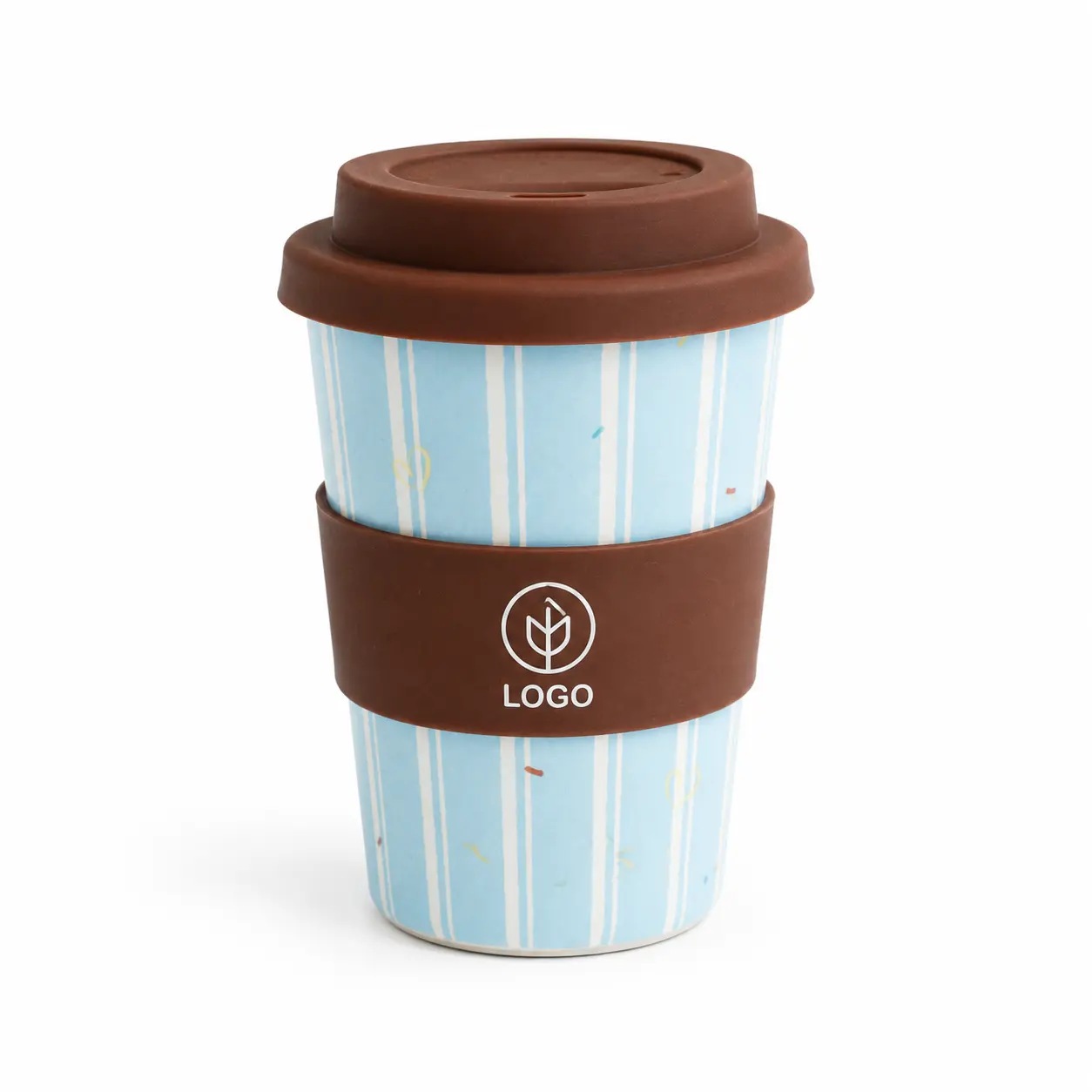
Made from rapidly renewable natural bamboo fiber, a sustainable alternative to single-use plastic cups. Shatterproof & lightweight build, naturally insulated.
View Details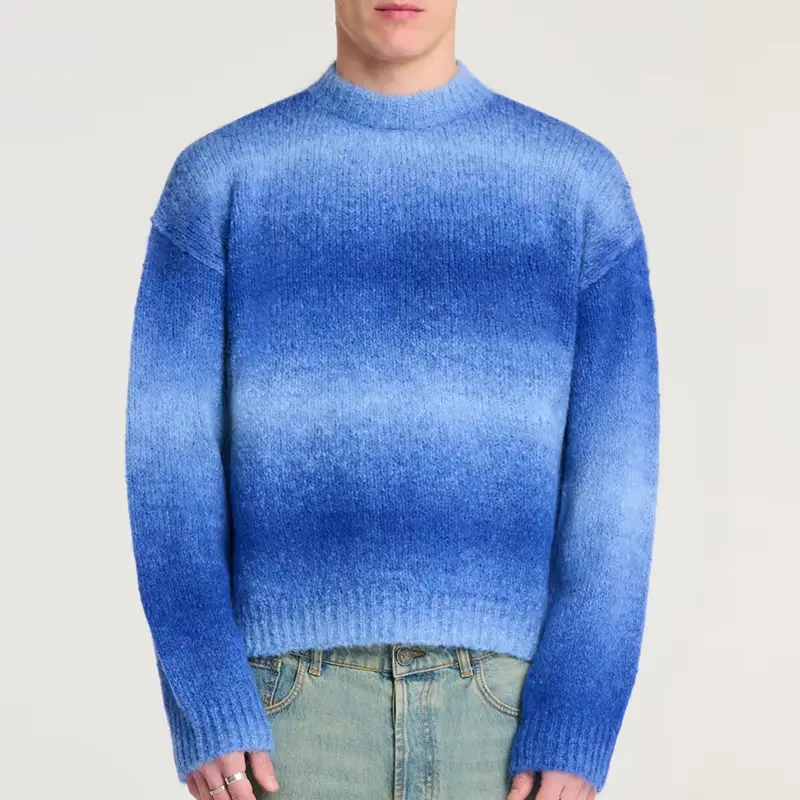
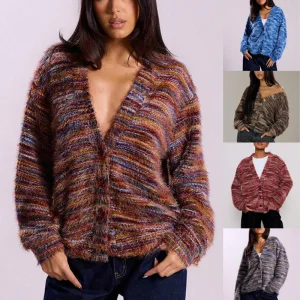
Our custom mohair sweaters come in a stunning palette of colors—from rich neutrals to vibrant hues. Spun from the finest fibers, creating lightweight warmth.
View Details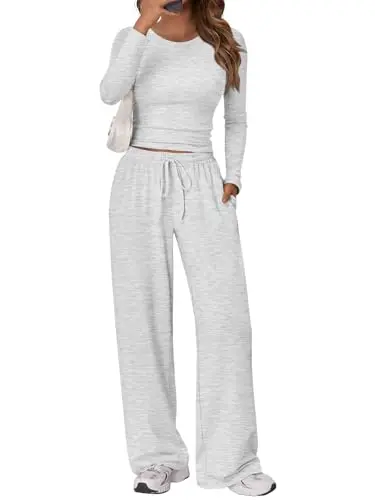
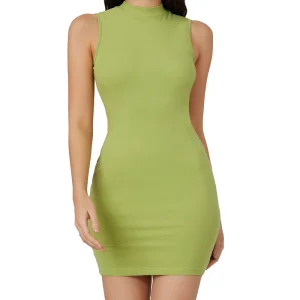
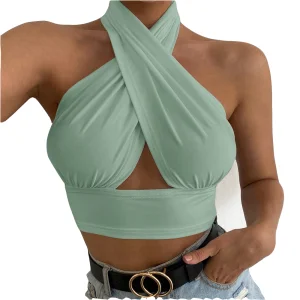
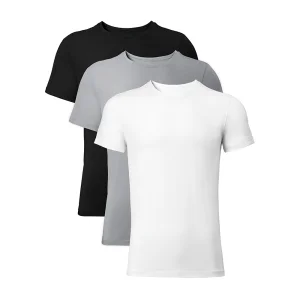
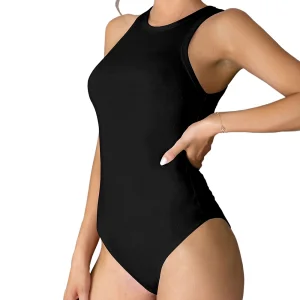
Fitted without being constricting, it flatters the collarbone line. Effortlessly versatile for any occasion, offering simplicity and postpartum comfort.
View Details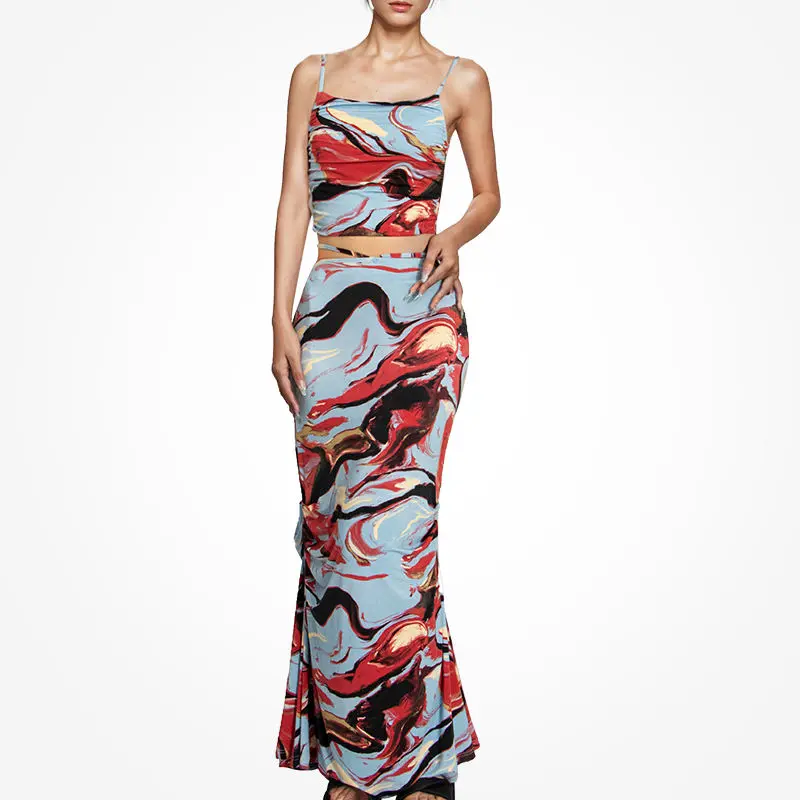
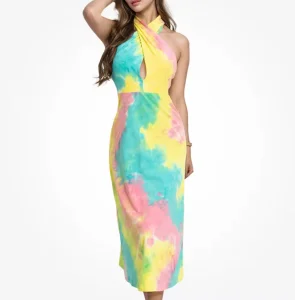
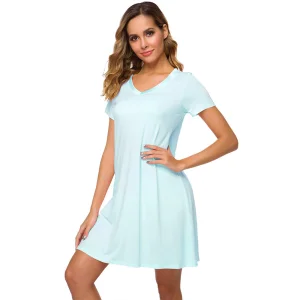
The bamboo viscose, derived from sustainable pulp, introduces a luxuriously soft and silky hand-feel to this dress. Perfect for transition wear.
View DetailsNavigating the complex import and quality compliance frameworks across major consumption zones.
Enterprise-level procurement of maternal and breastfeeding garments requires a sophisticated understanding of regulatory frameworks. As a veteran exporter, we ensure all products comply with the highest standards of international trade zones:
To access the EU market, maternal garments must comply with REACH regulations concerning chemical restriction lists (particularly phthalates, formaldehyde, and heavy metal dyestuffs). Our certifications from the Control Union ensure that all fabrics used in our ODM output are audited from agriculture to yarn spinning. We provide complete chemical assay sheets for every batch of custom fabric colors.
Since nursing garments are in constant contact with infants under 12 months, US Customs and the Consumer Product Safety Commission (CPSC) place high scrutiny on buttons, snap fasteners, and zippers. Any metal accessories must be lead-free and nickel-free to prevent contact dermatitis. We employ standardized pull-testing protocols up to 90 Newtons for all snap components to ensure zero choking hazard risks for infants during feeding.
Modern consumers actively boycott brands with non-transparent supply chains. Our production facilities maintain updated BSCI (Business Social Compliance Initiative) audit reports, ensuring ethical wages, safe working environments, and non-exploitative production loops. This guarantees that your brand's reputation is fully protected at the corporate level.
Stay updated on material shifts, eco-design trends, and eco-friendly consumer habits across the global textile industry.
The zero-waste movement has evolved from a niche trend into a global necessity. Households worldwide are rethinking every item in their cupboards, from food storage containers to drinking vessels.
See MoreFor millions of people around the world, the morning routine starts with a hot cup of coffee. Single-use takeaway paper cups lined with plastic are being replaced by reusable organic alternatives.
See MoreIn today's fast-paced world, the environmental impact of single-use plastics has become an undeniable crisis. As consumers become more conscious, the global movement toward alternative fibers accelerates.
See MoreAnswering major queries from apparel product managers and global sourcing agents regarding ODM maternal wear production.
Premium options for trans-seasonal maternal comfort, custom sweaters, corporate attire, and lifestyle essentials.