
1. The Global Commercial Landscape of Cotton Hemp Blended Dress Production
In the modern textile market, raw material sustainability has progressed from a secondary branding pitch to a primary indicator of supply chain resilience. Under the umbrella of structural ecological design, cotton hemp dresses occupy a crucial and highly strategic category. The combination of industrial hemp (Cannabis sativa L.) and organic cotton (Gossypium hirsutum) yields a composite fabric that mitigates the inherent weaknesses of each fiber type while capitalizing on their combined mechanical properties.
From a global distribution standpoint, manufacturing hubs are transitioning toward fully certified organic facilities. The primary agricultural and processing zones are situated within high-efficiency textile clusters in East Asia and South Asia. Industrial hemp brings exceptional tensile strength, innate antibacterial resistance, and natural UV protection to the matrix. However, pure hemp textiles often lack the elasticity and tactile softness required for immediate next-to-skin contact. By blending organic cotton into the yarn architecture—typically in proportions such as 55% hemp and 45% cotton, or 30% hemp and 70% cotton—spinning mills create a fabric that is soft to the touch, highly breathable, and remarkably durable.
2. Deciphering Sourcing Quotes: Key Cost Drivers for Procurement Managers
When international retail purchasers submit Requests for Quotes (RFQs) to clothing manufacturers, understanding the underlying pricing factors is essential for accurate cost projection.
- Yarn Count and Blend Ratio: Standard configurations require ringspun yarn consisting of long-staple organic cotton blended with dry-spun or wet-spun hemp. Sourcing quotes for organic cotton-hemp fabrics fluctuate based on the cultivation origin and certification level (such as GOTS or OCS).
- GSM (Grams per Square Meter): Lightweight summer dresses typically require 130 to 180 GSM, whereas structured utility dresses or mid-weight autumn silhouettes call for 200 to 280 GSM. The material density directly affects the raw fabric cost per yard.
- Dyeing and Wet Processing: Utilizing certified low-impact reactive dyes, botanical colorants, or non-toxic closed-loop dyeing techniques prevents wastewater contamination. This helps buyers meet critical Environmental, Social, and Governance (ESG) criteria but may add a premium to the raw fabric cost.
- Minimum Order Quantities (MOQs): For custom yarn blends and reactive dyeing processes, custom fabric MOQs typically range from 1,000 to 3,000 meters per colorway. Ready-made stock programs from vertical suppliers can sometimes lower these entry thresholds.
3. Industrial Trends and Technological Innovation
The production of cotton hemp textiles is experiencing significant technological innovation, particularly in mechanical decortication and enzymatic processing. Historically, extracting fine hemp fiber required chemical processes that could weaken the yarn and create chemical runoff. Today, advanced biological retting enzymes dissolve pectins and lignins without degrading the cellulose core. This results in "cottonized" hemp fibers that blend seamlessly with fine cotton.
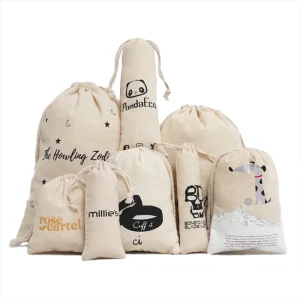
Furthermore, modern looms equipped with automated tension control systems reduce yarn breakage during the weaving process, optimizing efficiency. When combined with advanced digital printing systems, these innovations make it possible to print intricate, high-definition designs onto textured canvas fabrics without generating the chemical waste associated with traditional screen-printing techniques.
4. Localized Application Scenarios and Consumer Profiles
The market performance of cotton hemp dresses varies across geographical regions, influenced by localized climates and consumer purchasing habits:
- Mediterranean and Coastal Regions: Excellent moisture-wicking properties and natural breathability make cotton hemp dresses ideal for warm, humid climates, helping wearers stay dry and comfortable throughout the day.
- Urban Markets in North America and Western Europe: Growing consumer preference for minimalist, eco-friendly apparel drives demand for natural-toned, long-lasting garments that fit seamlessly into modern capsule wardrobes.
- Corporate Wellness Apparel: An emerging segment where premium hotels, spas, and wellness properties utilize organic cotton hemp garments for employee uniforms and retail collections, reinforcing their commitment to sustainability.