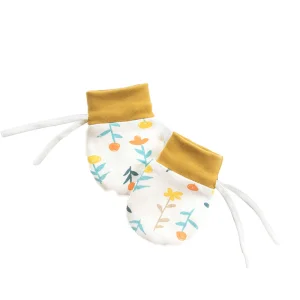
Direct access to our certified garment components, featuring organic formulations and customized design options for institutional volume buyers.
The global market for infant apparel has witnessed a massive structural shift over the last decade. As modern consumers (primarily Millennial and Gen-Z parents) prioritize bio-safe textiles and clean supply chains, the baseline criteria for "Famous Baby Romper Suppliers & Factories" have moved beyond low labor costs. Today, high-quality baby romper manufacturing represents an intersection of advanced material science, rigorous international compliance, and optimized manufacturing efficiency.
Infants possess skin that is up to five times thinner than adult skin, making them exceptionally vulnerable to dermal absorption of toxic chemicals, pesticide residues, and low-grade synthetic fibers. Consequently, leading global brands are actively seeking manufacturing partners capable of offering sustainable organic textiles, such as GOTS-certified organic cotton and high-performance bamboo viscose. This transition has changed infant rompers from basic functional wear into highly engineered protective garments.
In standard garment production, textiles are treated with chemical finishes to resist wrinkles or hold dyes. For infant wear, these finishes can contain trace amounts of formaldehyde, heavy metals, or phthalates, which are restricted under international frameworks. Top-tier baby romper factories implement strict mechanical processing controls to replace chemical steps, securing a clean base layer for direct skin contact.
Understanding the properties of modern textile blends is critical for sourcing agents. Traditional cotton, while widely available, often lacks the breathability and elasticity needed for active infants, and its heavy reliance on chemicals poses safety concerns. Below, we compare the key performance and ecological metrics of premium alternative materials used in modern baby clothing factories:
Naturally hypoallergenic with micro-gaps for optimal thermal regulation and skin breathability.
Grown without synthetic pesticides or fertilizers, protecting sensitive skin and farming communities.
Tested under Oeko-Tex Standard 100 Class I to ensure no harmful substances remain in the fiber structure.
Bamboo fiber has emerged as a premium solution for infant apparel. Processing bamboo into viscose yields a fabric that is naturally silky, moisture-wicking, and possesses natural antibacterial characteristics. Additionally, blending bamboo with organic cotton creates a durable textile that maintains its shape and softness even after multiple industrial washings—a critical factor for the lifespan of baby garments.
At Ecogarments, we care deeply about the apparel we create, the families who use them, and the workforce behind their production. We believe that true corporate success is measured not only by financial returns, but by the tangible, positive impact we generate for our global communities and our shared ecosystem.
We are committed to helping our industry partners reduce their environmental footprint. We continually innovate and design outside traditional textile frameworks to deliver sustainable, durable, and highly functional apparel solutions for our clients.
Deploying ecological, non-toxic materials and advanced mechanical designs to secure a reliable, certified infant supply chain.
Eco Garment specializes in organic and natural fiber solutions. Our extensive production portfolio includes comfortable tops, T-shirts, premium sweatshirts, sweaters, children's activewear, yoga apparel, and specialized infant garments.


Procuring baby rompers demands strict adherence to international safety regulations. Unlike adult sportswear or casual clothing, baby wear is subject to regulations that can lead to customs seizures, heavy fines, or recalls if violated. Sourcing managers must screen partners for several key safety standards:
Fasteners, snap buttons, and decorative elements must be securely attached to prevent choking hazards. Elite manufacturers subject all snap fasteners to pull tests, ensuring they can withstand a minimum tension of 90 Newtons (9kg) for at least 15 seconds without detaching. Flatlock stitching is also used to minimize friction and prevent skin irritation.
Sourcing facilities should present verified, up-to-date certificates from independent certification bodies. Key benchmarks include:
A critical stage in baby garment manufacturing is needle detection. Advanced facilities pass 100% of finished baby garments through dual-channel conveyor metal detectors to ensure no sewing needle fragments or metal shards remain in the clothing.
Leveraging over 12 years of textile manufacturing expertise to handle complex custom orders. Contact our team to explore tailored design options.

We work to develop sustainable, long-term commercial models that minimize carbon emissions and prioritize circular textile processing.
View More
Our experienced R&D team provides full concept-to-shelf support, including professional model photography, product videography, and packaging design.
View More
All partner dyestuffs are AOX and toxin-free. Our manufacturing facilities are certified by Control Union to meet changing global compliance demands.
View More
Operating a modern facility over 4,000 square meters allows us to easily scale production to meet large order volumes.
View More
Stay ahead of the curve with monthly style updates. Follow our active social platforms for the latest industry updates.
View More
From online retail startups to established global marketplaces, we provide customized support and inventory options for your business.
View More
210g 100% Cotton Knits
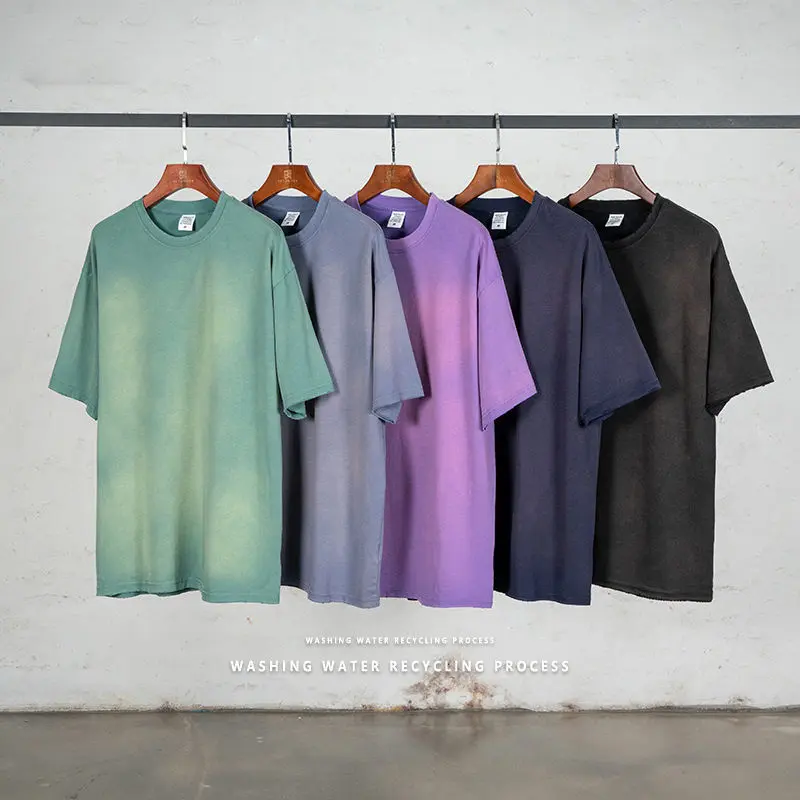
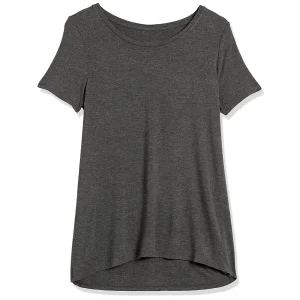
Short Sleeve Jersey
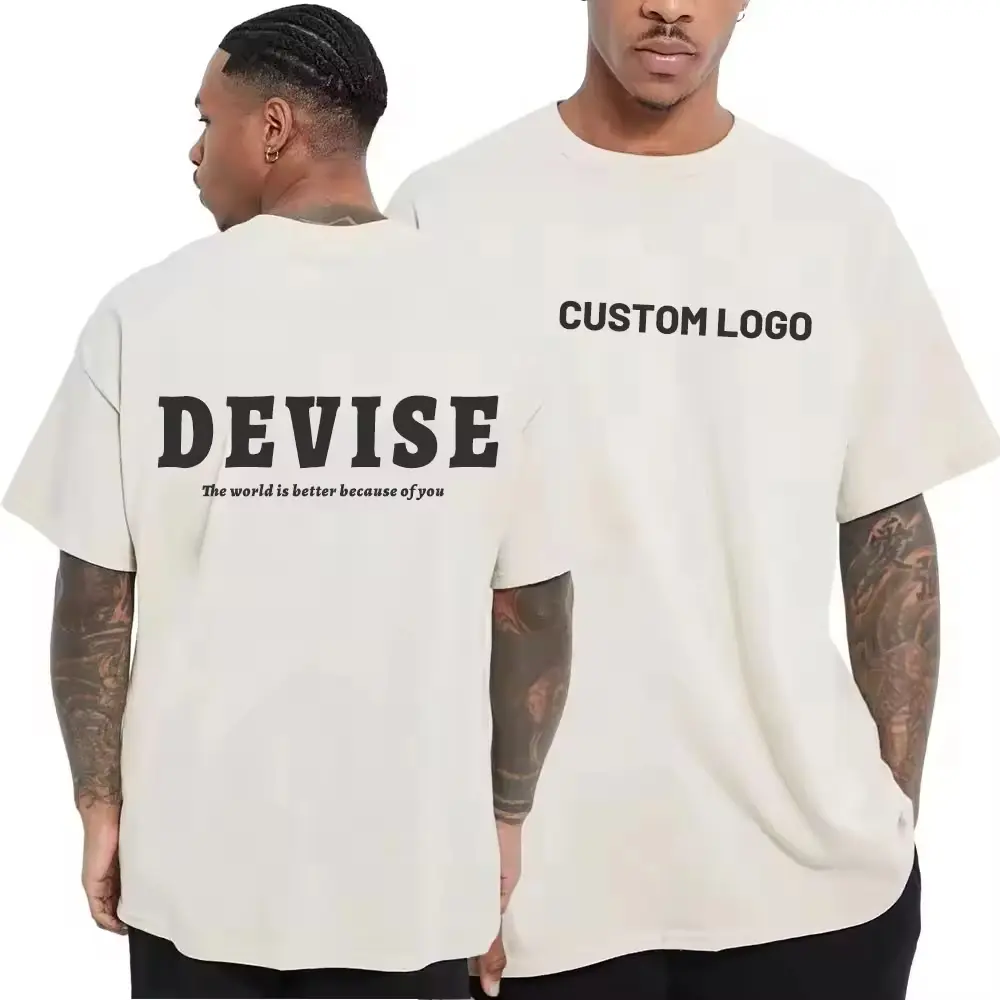
Custom Design Activewear
Custom 100% Bamboo Wear
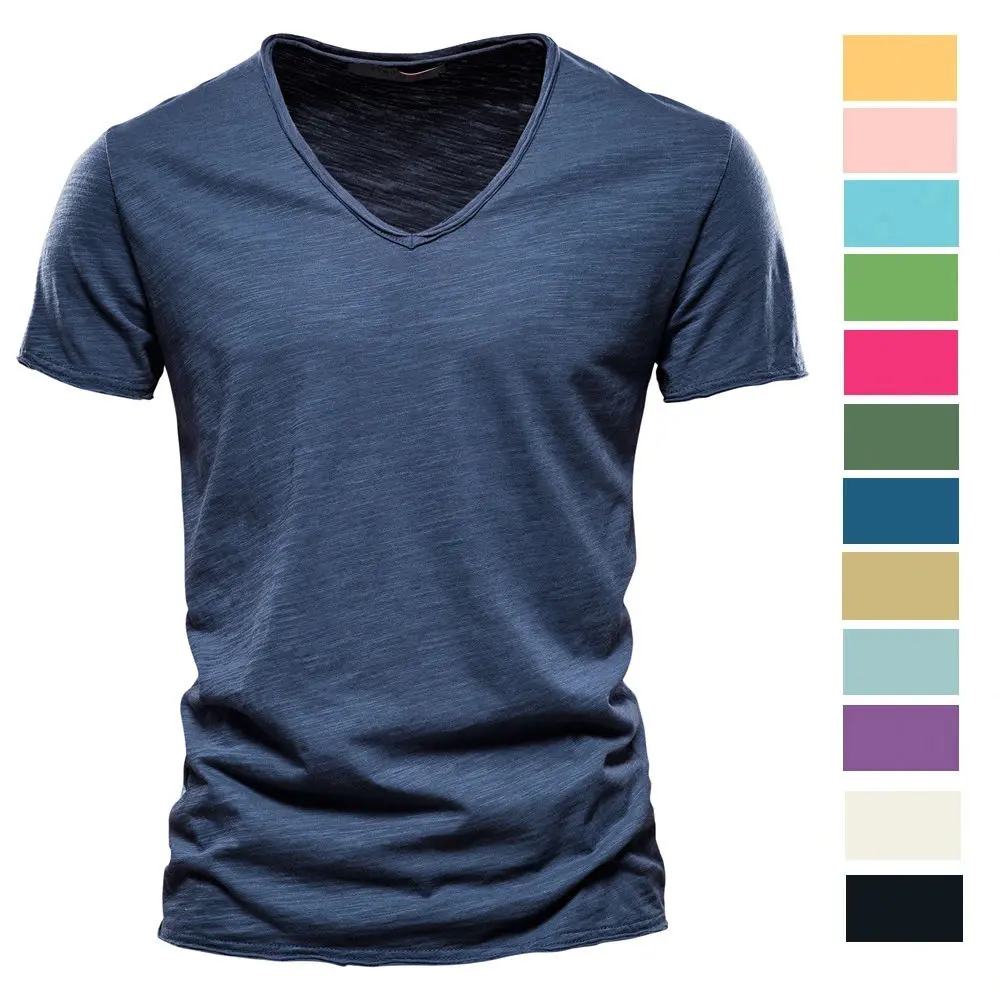
Men Tshirts Organic
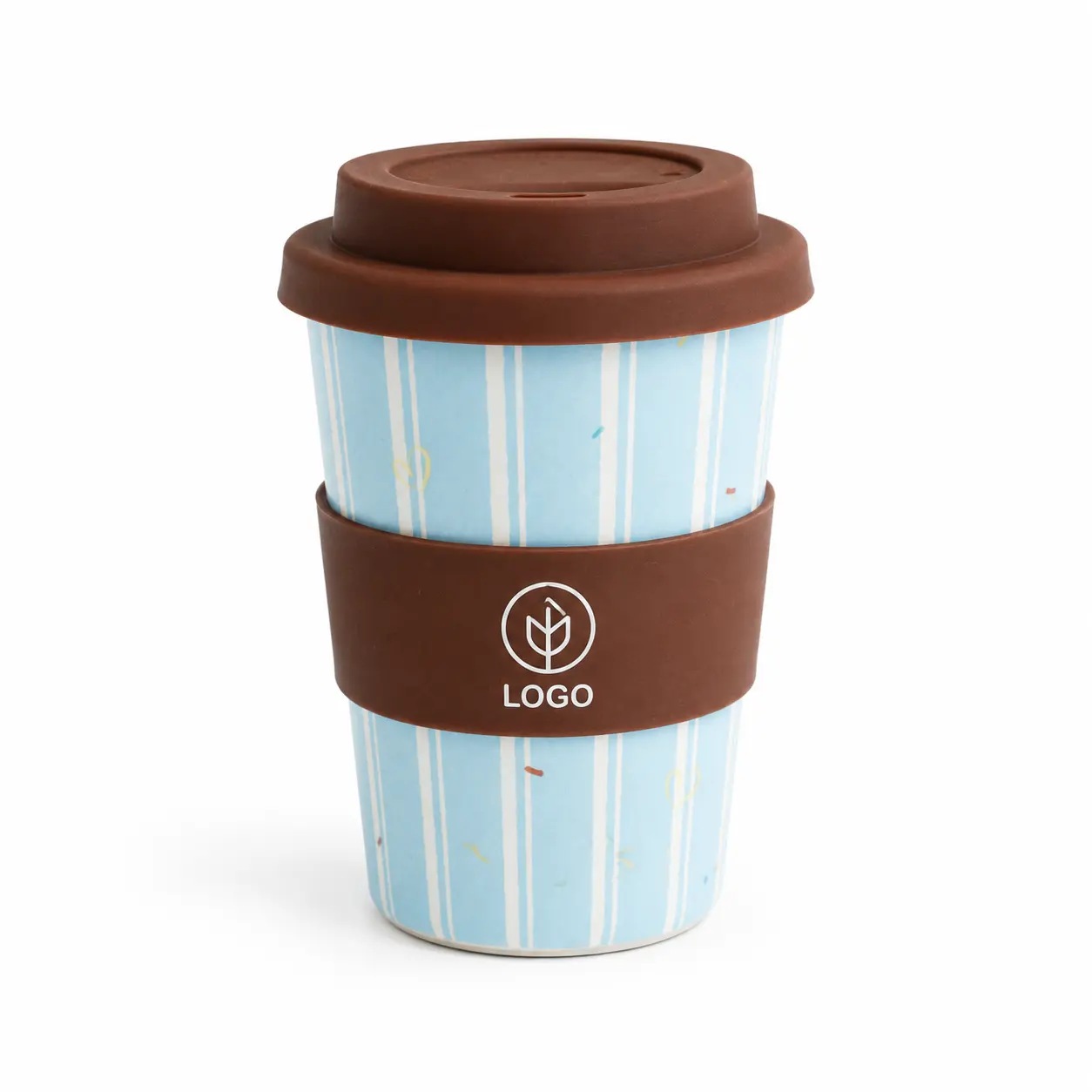
Reusable Bamboo Fiber Cup
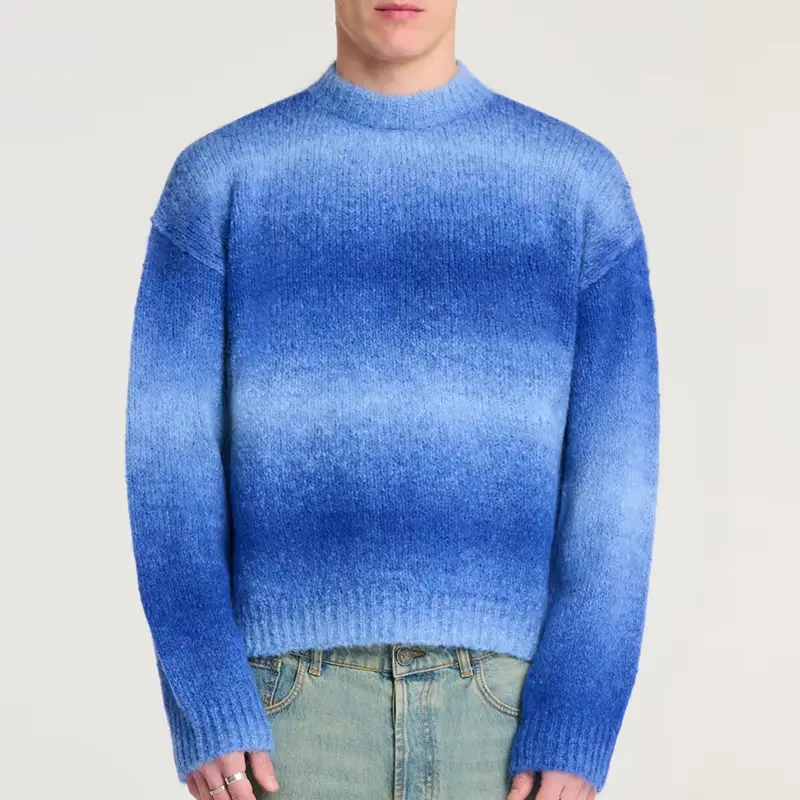
Custom LOGO Knitwear
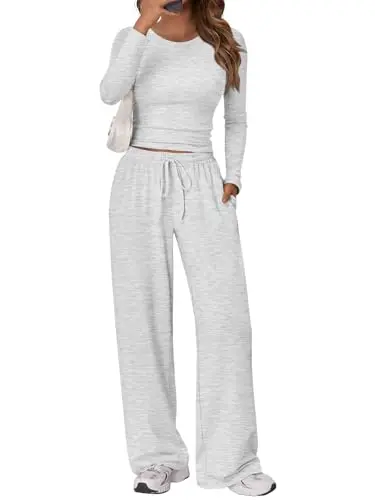
Women's Active Set
As industry regulations become more strict, leading baby clothing factories are investing in technological advancements to stay competitive. Key areas of innovation include:
Using CAD-driven laser cutters, modern factories can optimize fabric yield, reducing waste by up to 18%. This cutting process seals the edges of natural fibers, preventing fraying prior to sewing, which is critical for flatlock seams that sit close to the baby's skin.
To move away from chemical softeners, factories are adopting enzyme washing and mechanical brushing. These processes achieve high softness ratings without using silicone or petrochemical additives, maintaining the natural absorbency of the underlying fibers.
Designing garments from a single material makes them far easier to recycle at the end of their lifecycle. Modern R&D is focused on creating baby rompers from 100% organic cotton components, including the threads and trims, to simplify the recycling process and reduce waste.
Ensuring high performance, safety, and comfort through our modern ceramic and textile manufacturing lines.
Made from rapidly renewable natural bamboo fiber. Free of BPA, PVC and toxic additives. Shatterproof & lightweight build, perfect for home, office, and travel.
View More
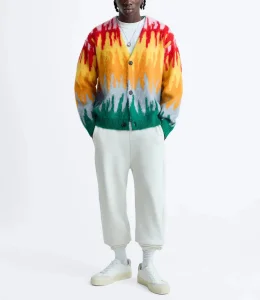
Crafted from premium mohair yarn in a custom color palette. Choose from classic crewnecks, chic turtlenecks, or oversized fits designed for optimal comfort and longevity.
View More
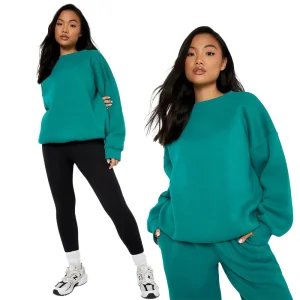
Flattering fit that supports movement without constriction. Effortlessly versatile, offering simple and comfortable styling. Custom color and logo options available.
View More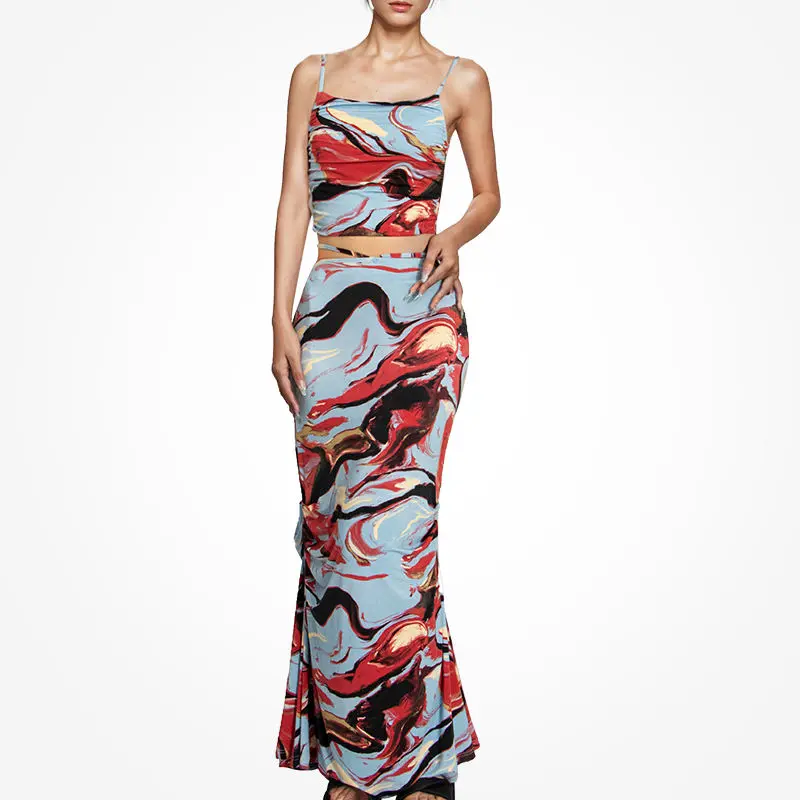
Derived from sustainable pulp, introducing a luxuriously soft and silky hand-feel. Ideal for everything from casual outings to more refined occasions.
View More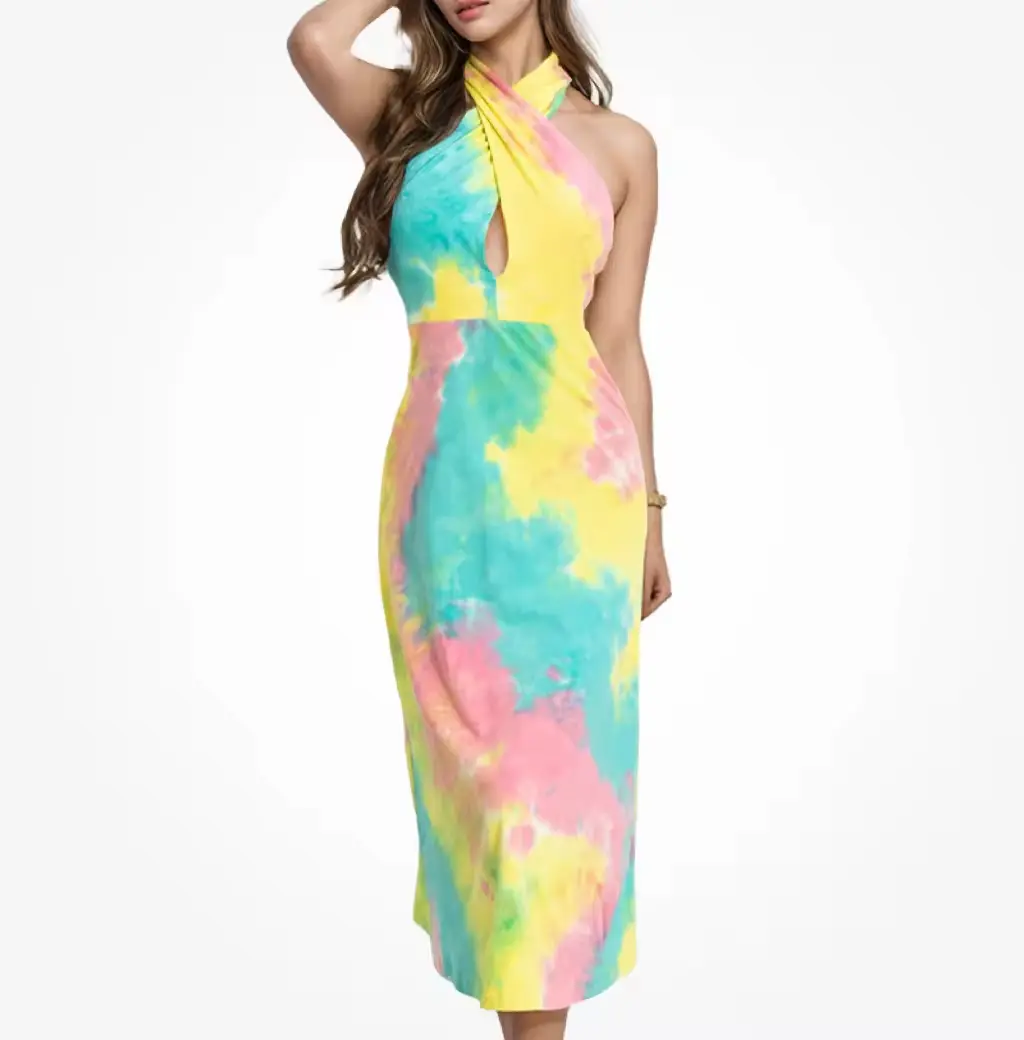
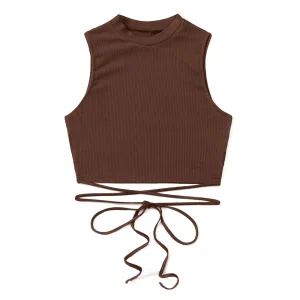
Form-fitting style designed to highlight natural body contours. Features organic bamboo cotton fabric that is soft on the skin and highly breathable.
View More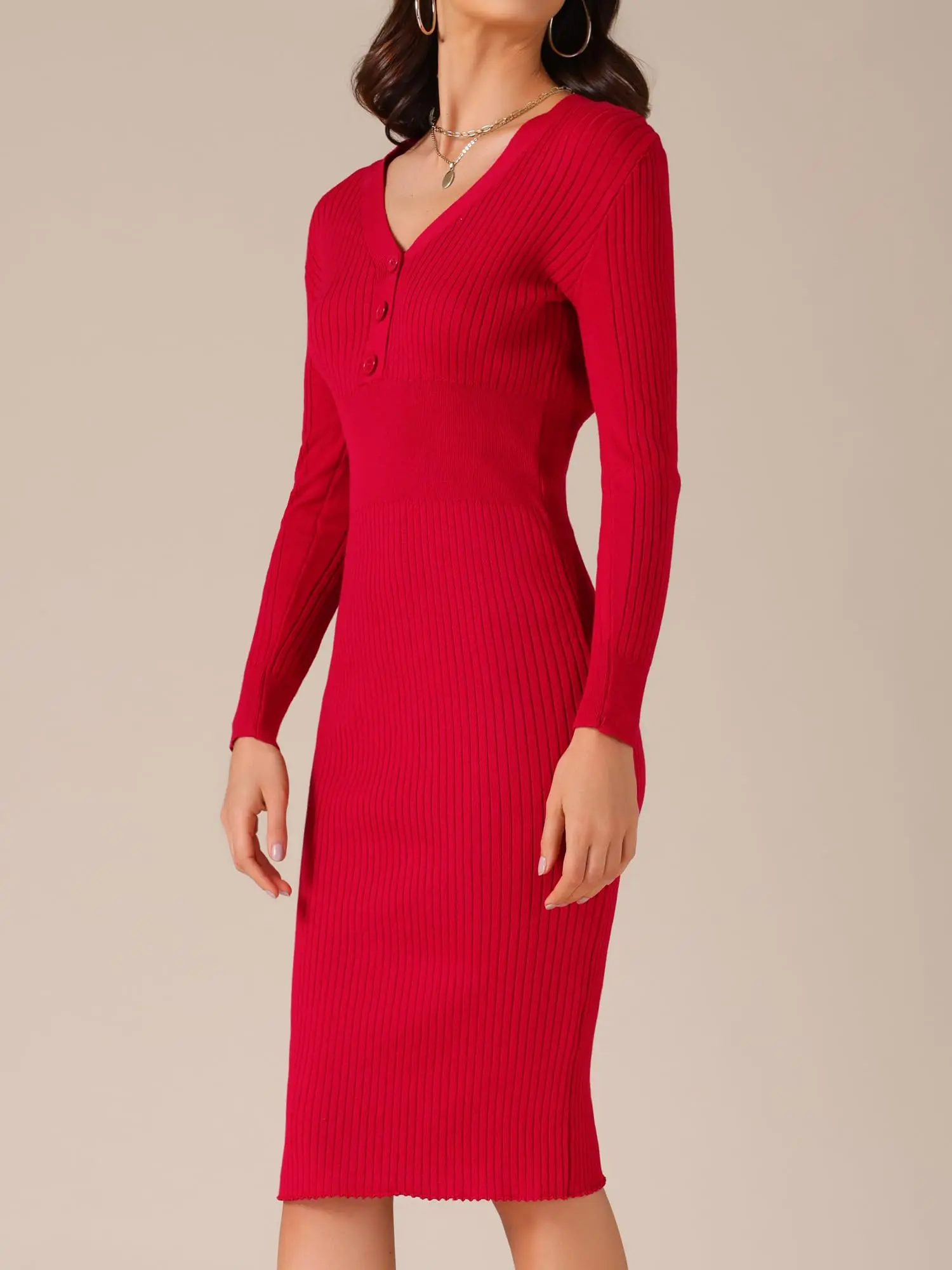
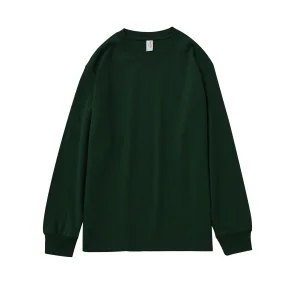
Crafted for premium softness. Designed to be durable and resist pilling wash after wash, serving as a reliable staple for cooler weather.
View MoreCommon questions addressed by our technical engineering and compliance teams regarding volume infant apparel production.
Stay informed on circular economy trends and developments in eco-friendly household and apparel solutions.
The zero-waste movement has evolved from a niche trend into a global necessity. Households worldwide are rethinking everyday items, leading to bamboo fiber cups taking center stage as a sustainable option.
For millions, the morning starts with a warm cup of coffee on the go. Traditional single-use paper cups are often lined with plastic, making reusable bamboo fiber alternatives a great choice for commuting sustainably.
The environmental impact of single-use plastics has become an undeniable crisis. As consumer awareness grows, the transition toward plant-based alternatives helps support sustainable daily routines.
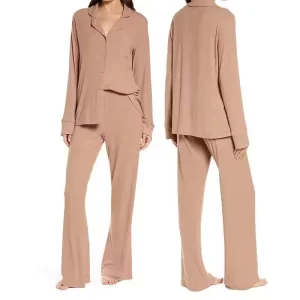
Browse our full range of eco-friendly garments, from comfortable organic loungewear to custom activewear solutions.