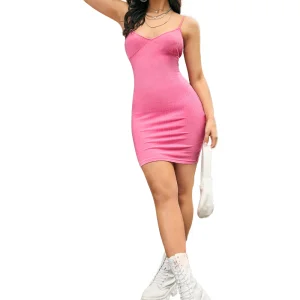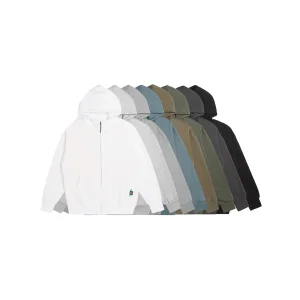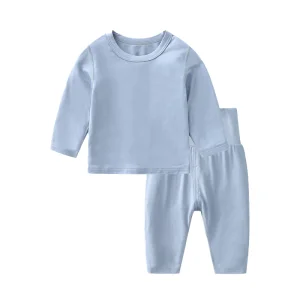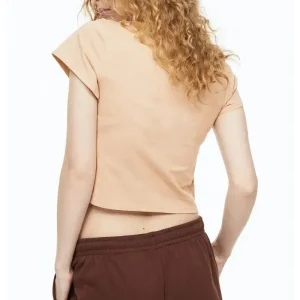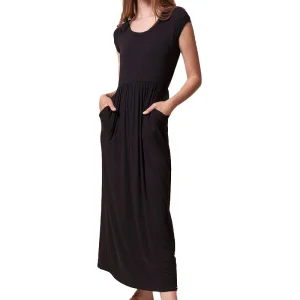
As a premier global apparel manufacturer, we leverage natural and organic materials, strictly avoiding synthetic plastic polymers and toxic finishing chemical treatments. We provide full-scale technical integration for global brands seeking custom pregnant T-shirts, dresses, activewear, and infant garments.
The global maternity wear market has undergone a significant paradigm shift. Historically confined to loose-fitting, non-specialized apparel, modern maternity wear has transitioned toward highly engineered, ergonomically conscious, and bio-compatible garments. Market analysis shows that the demand for "Custom Pregnant T-Shirts" has escalated by 28% year-over-year, driven by the global consumer pivot towards skin-safe textiles, functional durability, and postpartum utility. Today's modern mother expects garments that adapt to structural physiological changes without sacrificing aesthetic value or environmental integrity.
From an industrial perspective, supply chain management for pregnant apparel demands strict adherence to dynamic textile physics. During pregnancy, skin sensitivity increases dramatically due to systemic hormonal fluctuations. Traditional synthetic fibers like polyester or low-grade nylon trap heat, restrict moisture transport, and introduce chemical irritants (such as chemical flame retardants or formaldehyde finishes) directly onto the maternal epidermis. By engineering specialized maternity fabrics utilizing organic bamboo and combed organic cotton blends, custom pregnant T-shirt manufacturers can supply products that exhibit superior moisture-wicking capabilities, thermal regulation, and high longitudinal elasticity.
This dynamic growth has prompted leading global direct-to-consumer (DTC) brands and maternal healthcare providers to partner with integrated vertical manufacturers. By managing production from yarn extrusion to final seam stitching, specialized factories ensure that every yard of fabric is optimized for maternity-specific applications.
In high-grade custom pregnant T-shirt manufacturing, the selection of raw materials is the single most critical factor determining product safety and comfort. Ecogarments utilizes organic bamboo viscose, organic cotton, and high-stretch Elastane (Spandex) blends to develop specialized knits. Below are the core technical pathways through which our materials outperform traditional synthetics:
Bamboo viscose possesses a natural round and smooth fiber structure. Unlike cotton, which has a flat, twisted cross-section, bamboo fiber minimizes friction against hypersensitive skin. It provides a natural cool feel due to its high moisture absorption capacity, pulling moisture away from the skin at a rate 3x faster than traditional synthetic textiles.
Traditional fabric blends struggle with dynamic volume expansion. By weaving high-density elastane (ranging from 5% to 8%) with our bamboo yarn using a custom circular knitting method, we achieve a four-way stretch factor exceeding 150%. This enables the garment to comfortably expand through all three trimesters and contract postpartum.
Ecogarments works closely with raw chemical suppliers to guarantee that all dyestuffs are strictly AOX (Adsorbable Organic Halogens) and TOXIN-free. We implement eco-friendly low-temperature dying processes that do not degrade the natural tensile strength of our organic fibers, ensuring long-lasting color fastness and zero skin irritation.
Maternity apparel must perform across diverse lifestyle scenarios. When designing custom pregnant T-shirts, professional factories must configure the structural specifications to match localized climates, daily routines, and regional size scales. Below are the key localized application scenarios engineered into our manufacturing process:
In markets like North America and Europe, prenatal yoga, light jogging, and active fitness are heavily integrated into the maternal lifestyle. T-shirts designed for these applications require higher Spandex ratios (7%-10%) to stabilize muscle movement, alongside modified flat-lock stitching to prevent chafing during physical movement. Integrated mesh panels and side-ruching with high-recovery elastic cords allow the shirt to dynamically expand during active sessions.
For modern working mothers, professional attire must transition seamlessly from boardrooms to casual settings. The design incorporates a relaxed chest drape and hidden nursing slits. The fabric weight is optimized to a premium 220-240 GSM (grams per square meter) to ensure the fabric remains opaque, while retaining the soft hand-feel of bamboo and silk-blend knits.
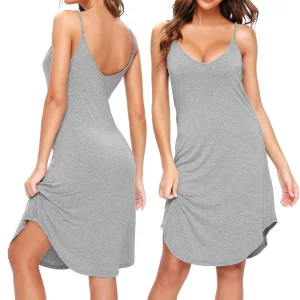
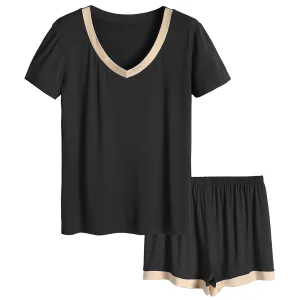
During the night, pregnant individuals often experience night sweats due to elevated metabolic rates. Loungewear T-shirts and sleep-dresses require lightweight (160-180 GSM) bamboo fibers engineered with microscopic open pores. This maximizes air circulation and prevents heat trapping, promoting better sleep quality.
The global textile industry has faced unprecedented logistics disruptions and raw material cost volatility. In this challenging landscape, Chinese maternity wear factories have built robust supply chains, utilizing advanced infrastructure, localized raw material sourcing, and highly skilled manufacturing labor. Ecogarments stands at the forefront of this resilient system, operating from a modern 4,000 square meter factory floor utilizing over 1,000 high-precision apparel machines.
Our supply chain model integrates horizontal raw material alliances with vertical production processes. Because bamboo forests are native to and managed sustainably in China, our access to raw bamboo pulp is secure, shielding our brand partners from wild international shipping fluctuations. From raw thread extrusion, warp and weft knitting, state-of-the-art chemical-free dyeing, to computer-aided design (CAD) cutting and assembly line sewing, the entire workflow is managed within a localized industrial zone.
How Ecogarments is driving tech-forward innovations in design, material engineering, and production processes.
Global apparel brands require compliance and reliable after-sales support when choosing a manufacturing partner. Ecogarments is fully certified by the Control Union, confirming that our organic materials are monitored from origin to finished product. All chemical formulations, dye pigments, and processing agents used in our manufacturing process are certified AOX and TOXIN-free.
To support brands across North America, Europe, and Asia-Pacific, we offer comprehensive localized support. From initial pattern mock-ups, fabric sample books, professional photography services (including live model shoots and studio product photography), to customs clearance and localized logistical coordination, we manage the entire process. This enables brands to minimize friction and focus on marketing and customer acquisition.