Explore our foundational baby and family clothing designs utilizing premium organic fibers and bamboo structures.
The global infant clothing market has undergone a significant paradigm shift over the past decade. No longer are purchasing decisions driven solely by visual aesthetics or raw pricing metrics. In the modern B2B sourcing environment, procurement professionals, enterprise distributors, and high-growth direct-to-consumer (DTC) brands evaluate infant apparel through a multi-dimensional matrix of material safety, chemical footprint compliance, tensile durability, and supply chain transparency.
This dynamic is fueled by a generational increase in consumer awareness concerning neonatal dermal sensitivities. Newborn infant skin is up to 30% thinner than adult skin, rendering it highly susceptible to contact dermatitis, chemical absorption, and mechanical chafing. Consequently, regulatory guidelines like the Consumer Product Safety Improvement Act (CPSIA) in the United States and the Registration, Evaluation, Authorisation and Restriction of Chemicals (REACH) in the European Union mandate extremely stringent tolerances for lead, phthalates, and flame retardants in baby wear. Factories operating in the modern landscape must maintain certified compliance metrics to qualify for international trade pipelines.

At Ecogarments we care about Apparel, about the people who wear them and the people who make them. We believe that success is not measured solely in money, but in the positive impact we have on those around us and our planet.
We are passionate. We are pure. We challenge those around us to take responsibility for their ecological footprint. And we always strive to think outside the box to build a lasting business case for sustainable, good quality Apparel.
For B2B buyers looking to construct a competitive retail edge, understanding the mechanical structure of Chinese textile hubs is critical. The efficiency of China-based production lines is not simply a product of labor availability; rather, it is a consequence of complete vertical integration. In textile industrial corridors like Zhejiang and Guangdong, the raw cotton processing, fiber extrusion, yarn spinning, circular knitting, dyeing, and apparel construction steps occur within tight geographical ecosystems.
This localized synergy provides multiple structural advantages:
Furthermore, Chinese manufacturers lead the industry in implementing advanced automated garment layout algorithms. These computer-guided pattern placement machines maximize fabric utilization rates, reducing cutting scrap loss by up to 12%. This efficiency translates directly into lower baseline wholesale costs, which are detailed in our seasonal manufacturing pricelists.
How we guarantee high reliability, stable supply, and strict environmental compliance for global markets.
Over a decade of direct manufacturing expertise in organic infant, kids, and family-oriented textile production line systems.
Our expansive industrial plant hosts over 1000 specialty apparel machines, ensuring smooth scaling for enterprise-tier volume requirements.
We provide full-spectrum styling, material custom-blends, tag printing, custom packaging, and automated catalog processing.
From organic cotton to bamboo fibers, our supply pipelines ensure your brand meets rising global ecological requirements.
We hold massive fabric stocks to isolate global buyers from sudden upstream raw material market pricing spikes.
Our dedicated design teams analyze visual preferences across international boundaries to provide fresh design suggestions monthly.
A single baby romper design cannot capture the entirety of global consumer intent. Recognizing this, our engineering and R&D divisions formulate custom variants tailored to regional environmental and cultural scenarios:
Purchasing directors from mid-to-large-tier global brands face significant logistical challenges. The standard process of container consolidation, customs verification, and warehousing requires clear planning metrics. Ecogarments addresses these concerns by providing clear, transparent pricing matrices (FOB Ningbo/Shanghai or CIF Destination Port) alongside clear container filling estimates.
We implement a triple-stage quality assurance layout for our baby rompers: Pre-Production fabric certification, Mid-Process sewing inspections, and Final-Stage metal detection scans. Our target is a zero-defect shipment log, which helps our partners eliminate expensive product recalls and custom hold-ups.
With more than 12 years of experience, we provide custom processing and manufacturing solutions for partners worldwide.
We always strive to think outside the box to build a lasting business case for sustainable, good quality Apparel.
With the help of Ecogarments powerful R&D team, we provide one-stop services for ODM/OEM clients. We have a professional photography team to help you with video capture, model shoots, and product imagery.
Our fabric suppliers and manufacturers are certified by Control Union. The dyestuffs are all AOX and TOXIN free, ensuring safe baby and family apparel.
With more than 10 years of experience in eco-friendly textiles, we established a steady organic fabric supply chain to support your designs in our 4,000m² factory.
We monitor global markets to deliver modern color palettes, layouts, and styles ahead of regional curve developments.
From online retail to marketplace logistics, we provide complete post-shipment support and updates on monthly design patterns.
Sustainable product collections built for high performance, comfort, and safety.
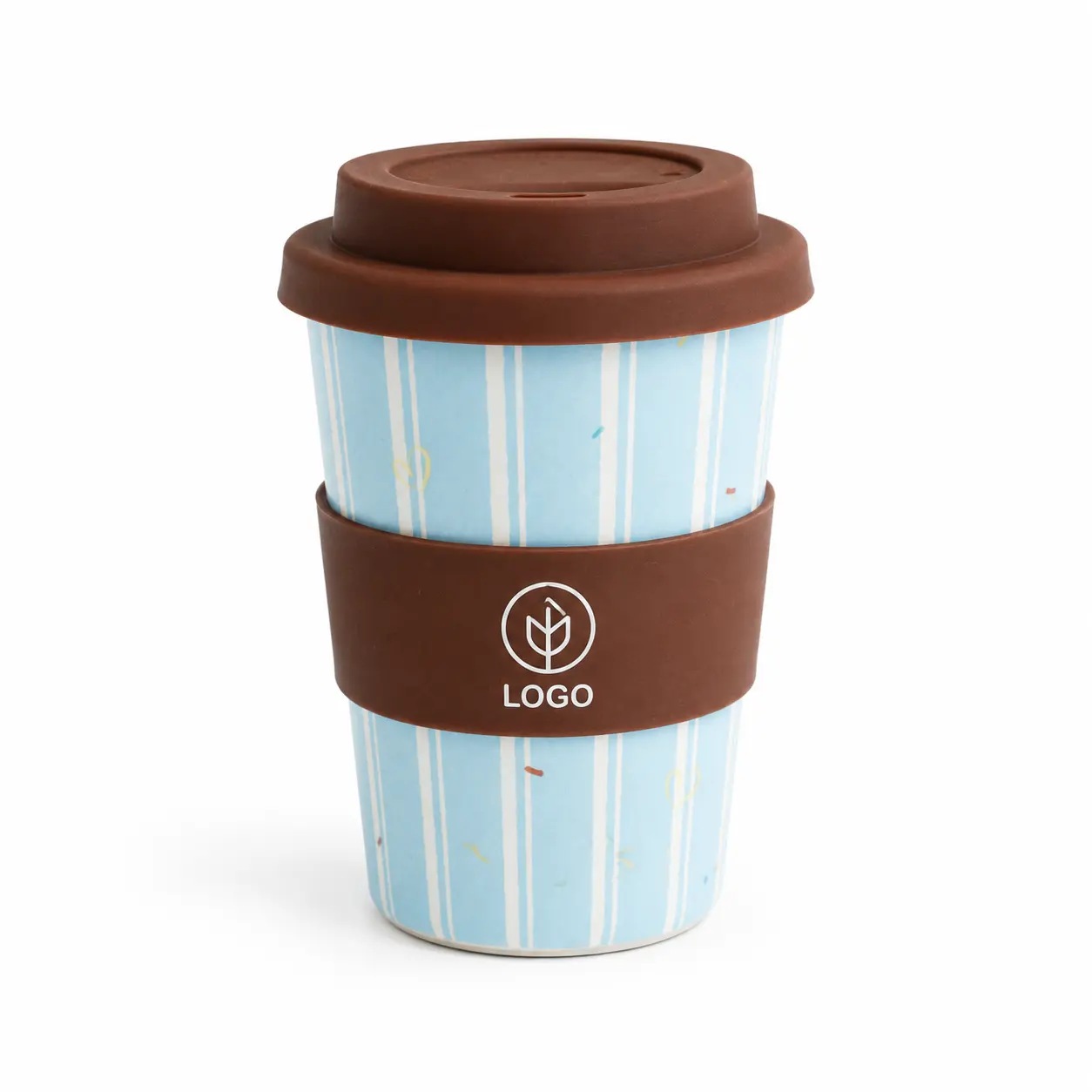
Made from rapidly renewable natural bamboo fiber, a sustainable alternative to single-use plastic cups. Free of BPA, PVC and toxic additives.
View Details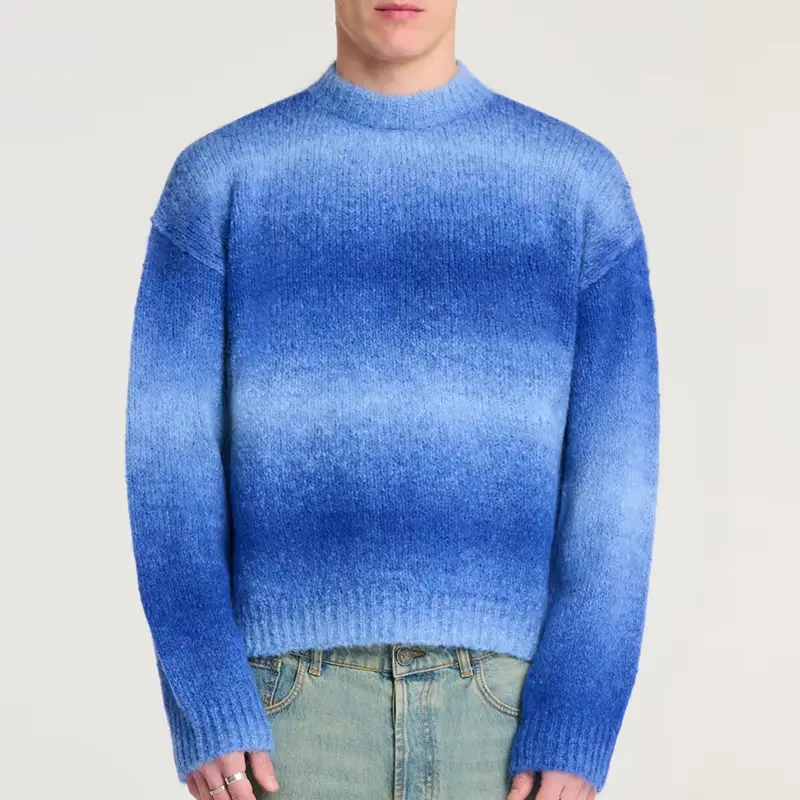
Choose from classic crewnecks, chic turtlenecks, or trendy oversized fits—our mohair sweaters are designed to flatter every body type.
View Details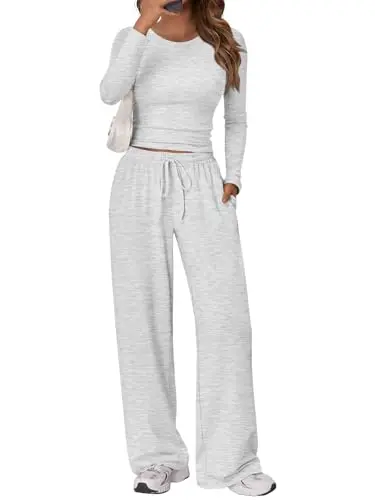
Fitted without being constricting, it flatters the collarbone line. Simple yet refined detailing, this casual sports style is widely popular.
View Details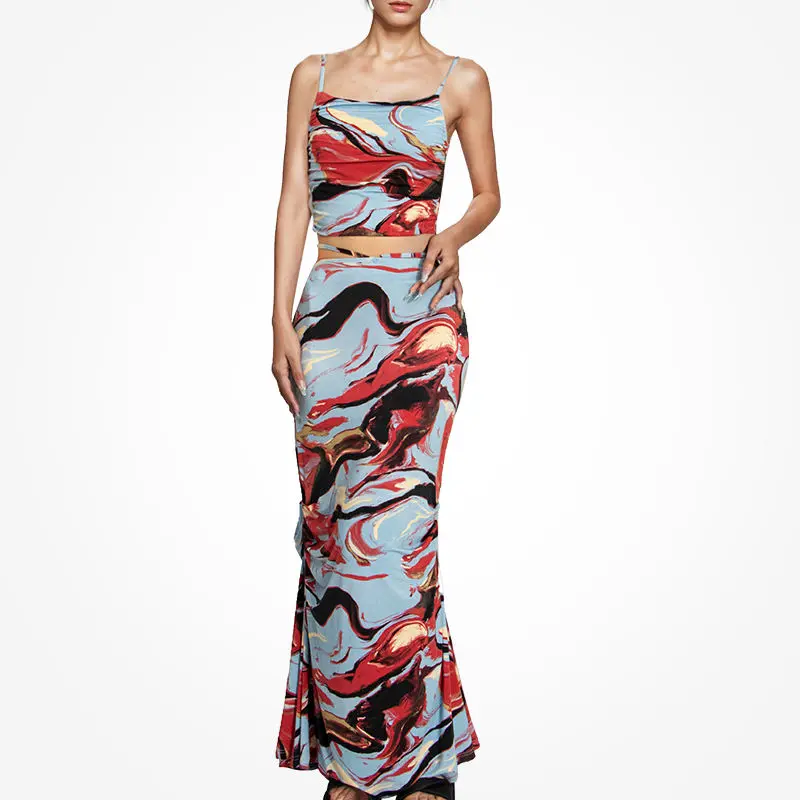
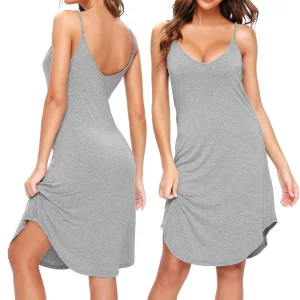
The bamboo viscose, derived from sustainable pulp, introduces a luxuriously soft and silky hand-feel to the dress ideal for outings.
View Details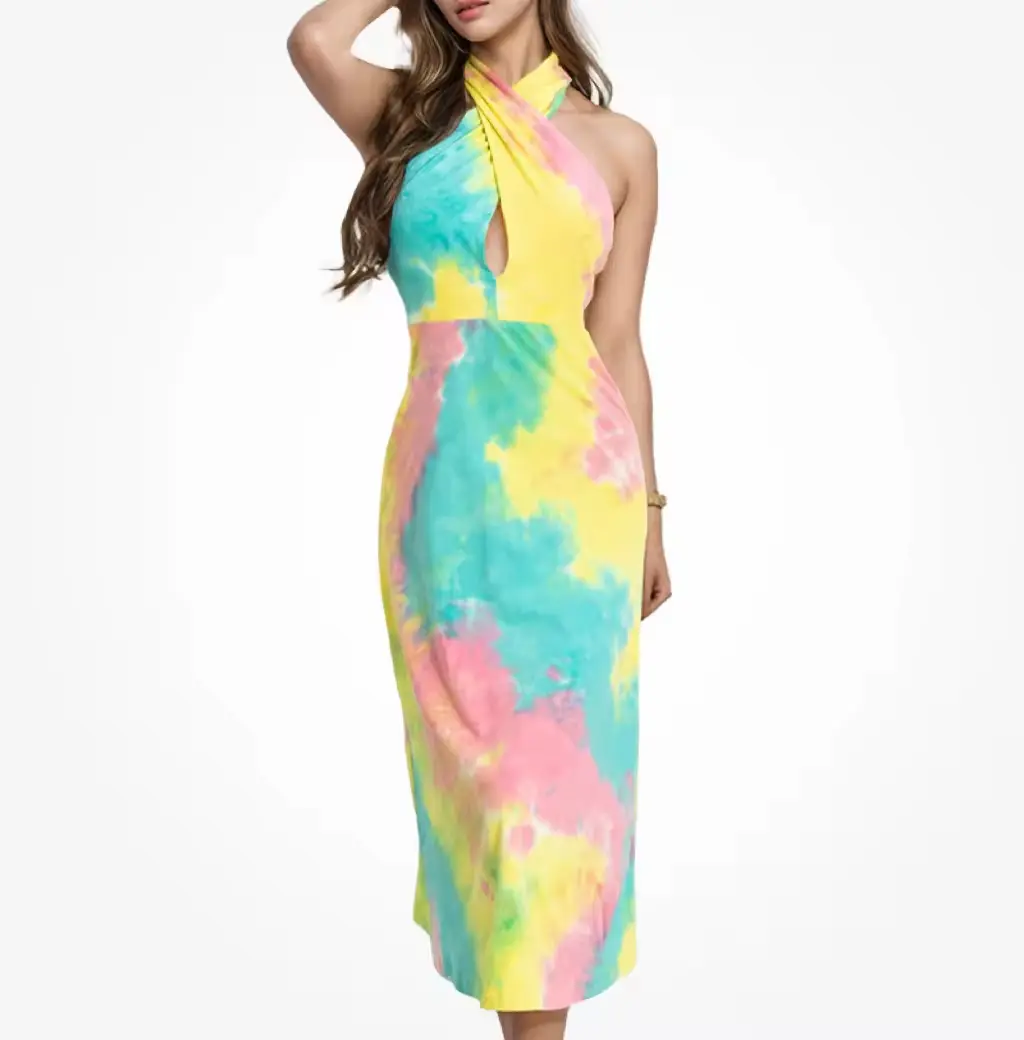
The unique style modified the line of your neck, showing your charming clavicle. It embellishes your slender waist.
View Details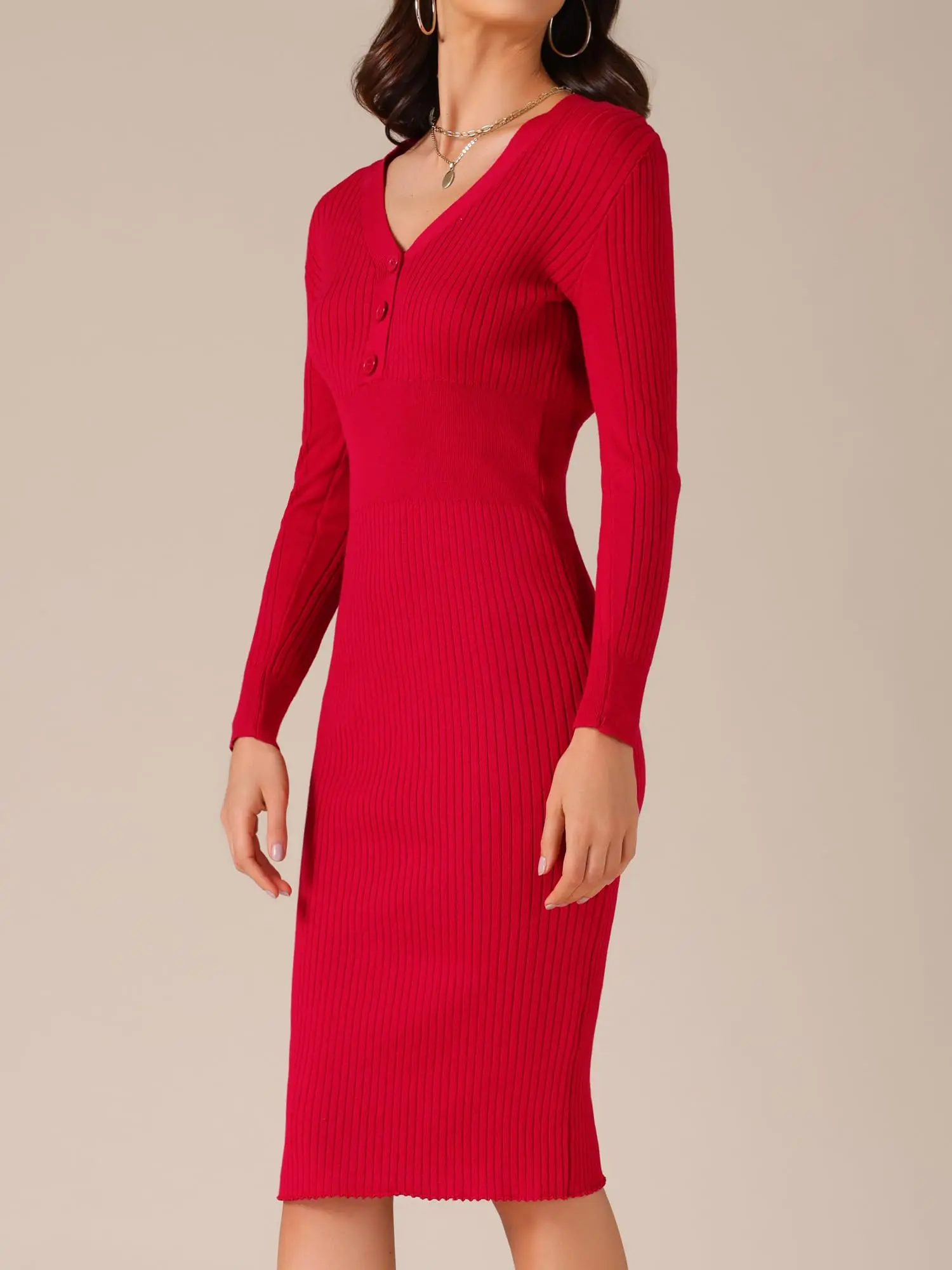
Crafted for unparalleled softness, this sweater feels like a gentle hug. It is the foundational layer for cooler seasons.
View Details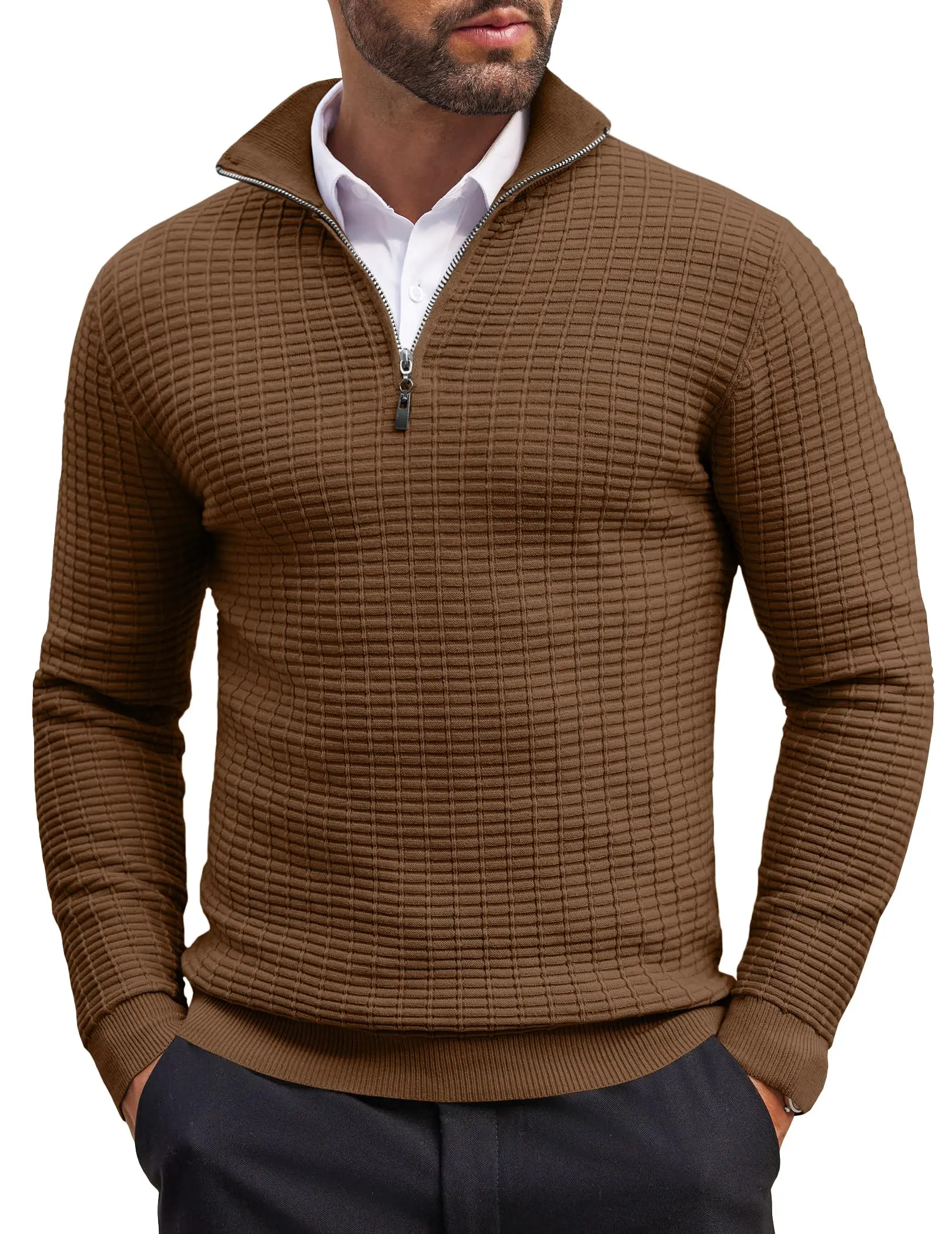
Spun from fine fibers, creating a fabric that is soft, lightweight, and warm. Perfect for layering over button-downs.
View Details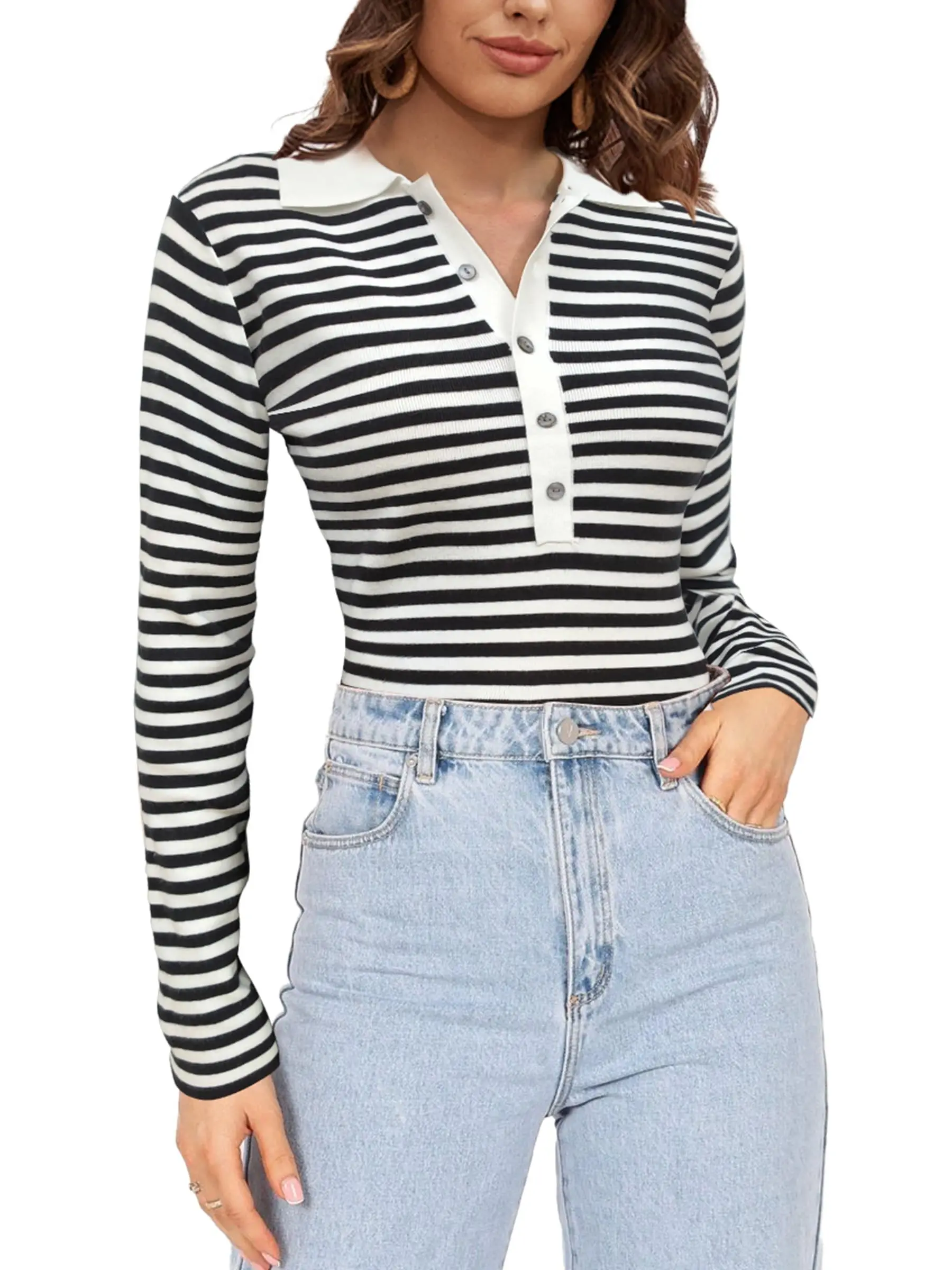
Soft and delicate knitted fabric, skin-friendly and warm. Whether worn as a base layer or on its own, it has a distinctive charm.
View DetailsOriginal designs crafted from certified eco-friendly bamboo and soft cotton fibers.
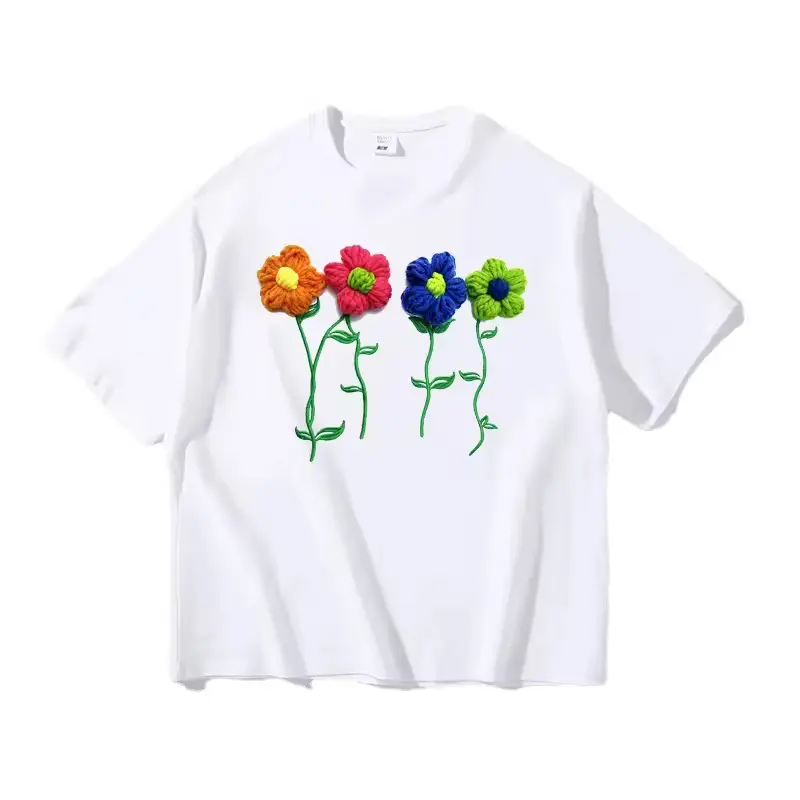
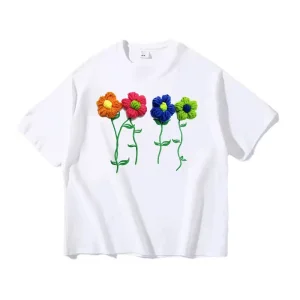
210g 100% Co...
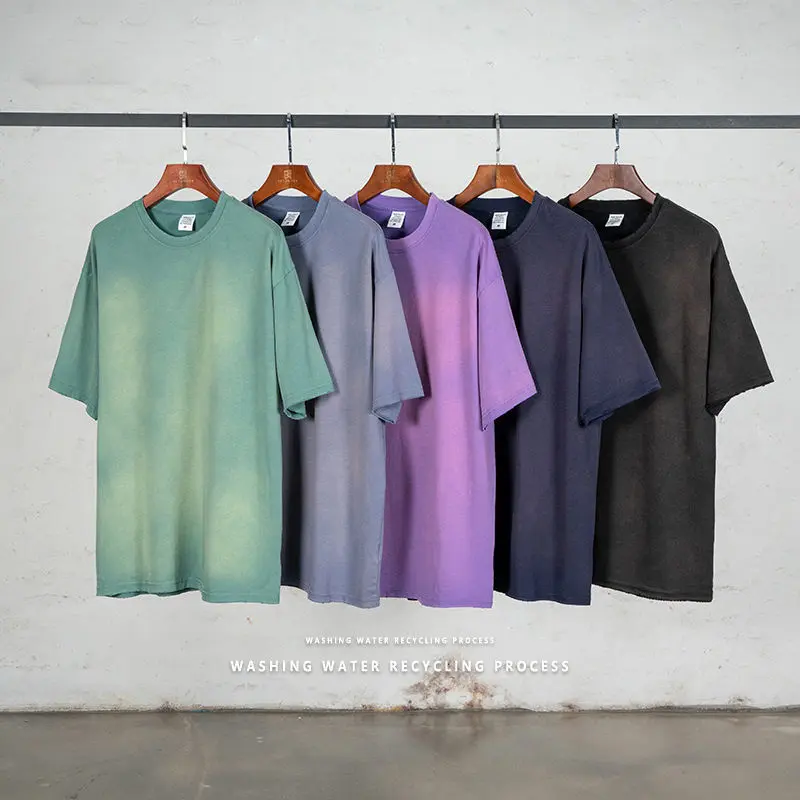
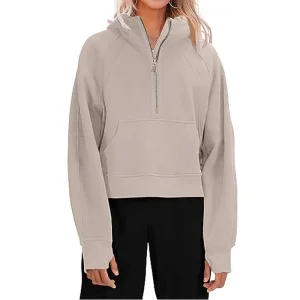
Short Sleeve...
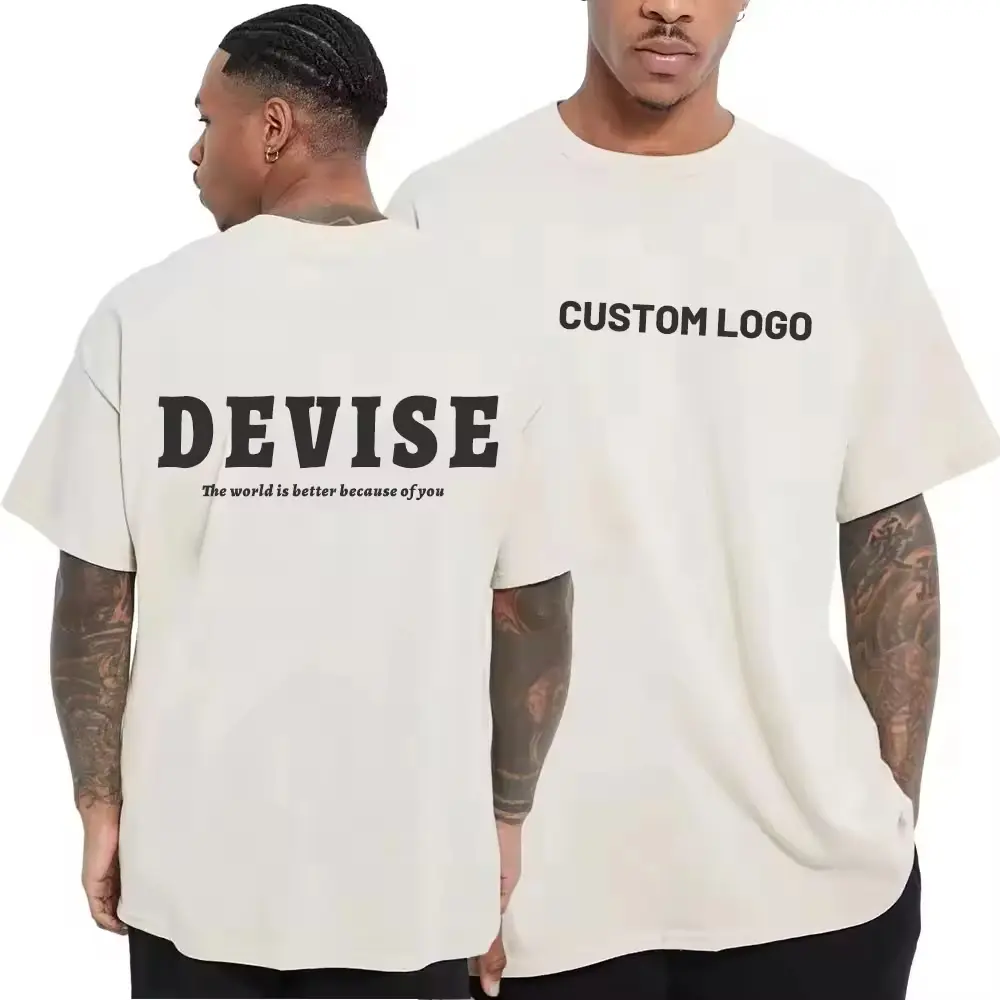
Custom Desig...
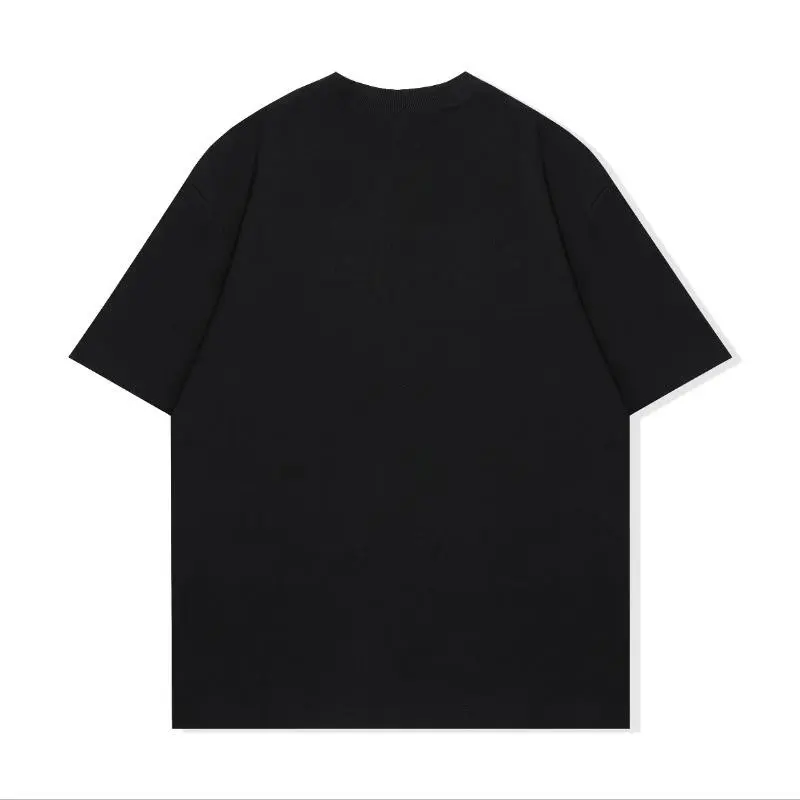
Custom 100% ...
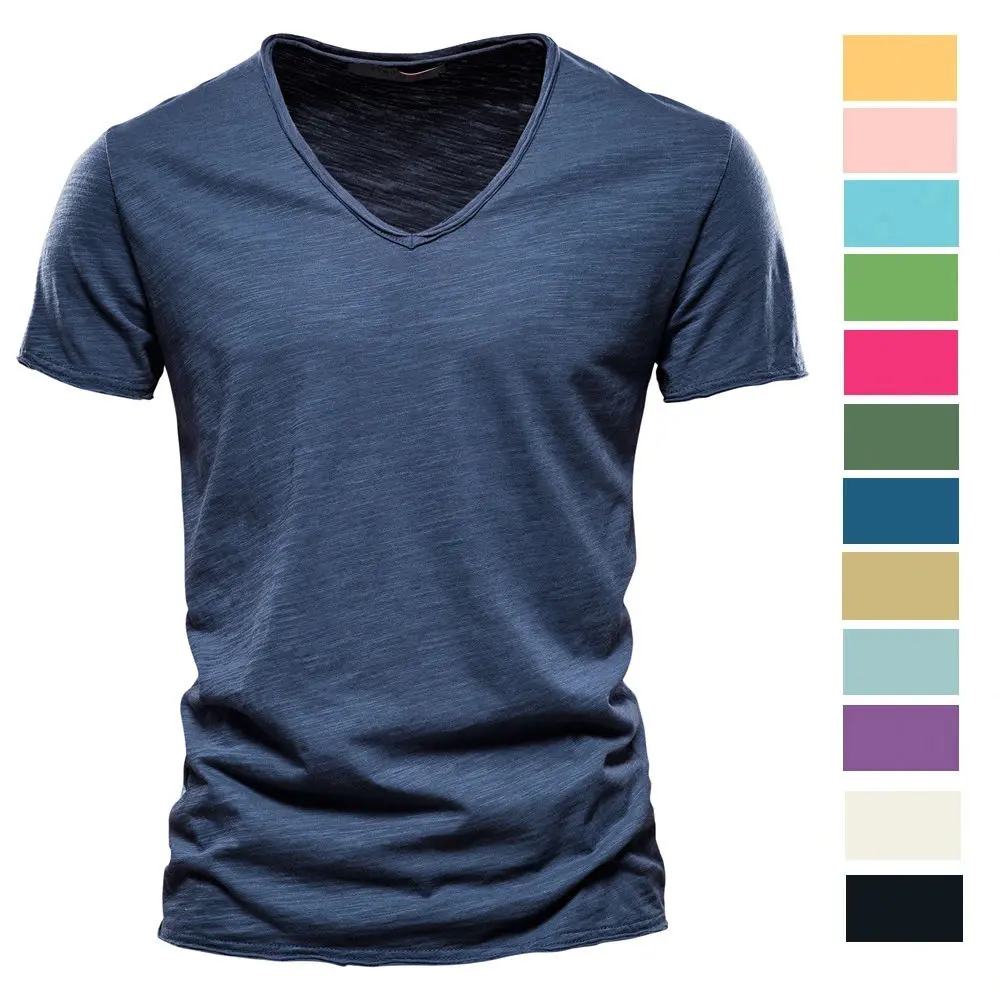
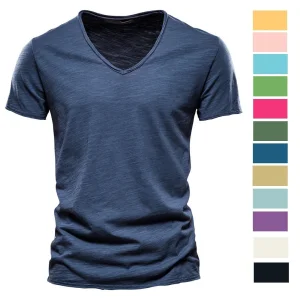
Men Tshirts ...
Reusable Bam...
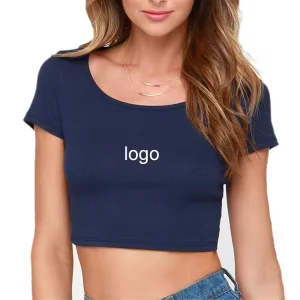
Custom LOGO ...
Women's...
The baby romper design environment is adapting to changing market trends, focusing heavily on convenience, safety, and circular manufacturing. Looking ahead, three major design updates are shaping the global market:
1. Adaptive Sizing & Elastic Recovery: Brands are requesting knit patterns with high elastic recovery. By combining organic cotton with small percentages of recycled elastane, rompers can stretch comfortably to accommodate baby growth, extending the product lifespan and appealing to sustainability-conscious consumers.
2. Antimicrobial & Self-Deodorizing Finishes: Natural bamboo fiber has built-in resistance to bacterial growth (often called "bamboo kun"). This quality helps keep fabrics fresh, reducing the need for aggressive chemical treatments and providing a safe, clean surface for baby skin.
3. Circular Sourcing Protocols: Distributors are requesting monomaterial rompers (100% organic cotton or 100% bamboo viscose, excluding snaps). This design makes the garment much easier to recycle at the end of its life cycle, aligning with growing global trends toward circular fashion.
Expert answers addressing compliance, manufacturing metrics, custom branding, and logistics.
Explore our research and analysis on zero-waste manufacturing, bamboo fiber applications, and sustainable lifestyle developments.
The zero-waste movement has evolved from a niche trend into a global necessity. Households worldwide are rethinking every item in their cupboards, from food storage containers to drinking vessels. In the quest for a truly sustainable kitchen, bamboo fiber cups have taken center stage as a staple...
For millions of people around the world, the morning routine starts with a hot cup of coffee on the way to work. Unfortunately, this convenient habit often comes with a heavy environmental price tag: single-use takeaway paper cups lined with plastic. If you are looking to green up your daily comm...
In today's fast-paced world, the environmental impact of single-use plastics has become an undeniable crisis. Millions of plastic cups end up in landfills and oceans every day, taking hundreds of years to decompose. As consumers become more conscious, the global movement toward "Plast...
High-quality sustainable wear designed for comfort, durability, and daily use.