Explore our diverse selection of eco-conscious apparel, engineered using certified fibers and advanced manufacturing processes to meet the demands of global retailers and private labels.
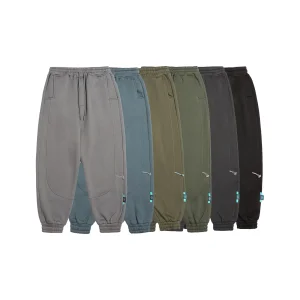
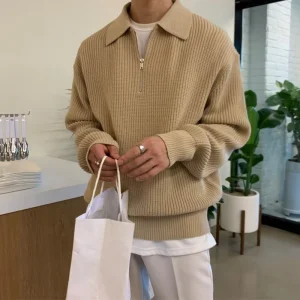
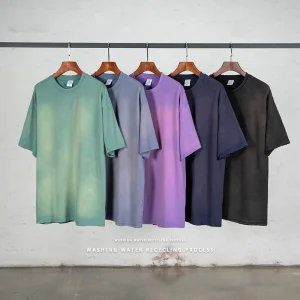
An in-depth analysis of structural fabric trends, ergonomic pattern making, manufacturing technology roadblocks, and the growing prominence of Chinese suppliers in global B2B garment distribution.
The global maternity wear market has undergone a significant transformation. Once treated as a minor niche characterized by loose-fitting, low-structure garments, modern maternity trousers represent one of the most technically challenging and rapidly expanding categories in activewear and professional apparel. Driven by shifts in maternal demographics, higher labor force participation rates among expectant mothers, and a consumer demand for functional, eco-safe materials, B2B buyers must prioritize performance and material safety when choosing a supplier.
China remains the leading hub for high-volume maternity trouser manufacturing. The country's advanced circular knitting infrastructure, integrated supply chains, and capabilities in elastomer engineering allow manufacturers to build highly functional maternity panels that offer relief, support, and durability throughout the gestational lifecycle.
The primary functional element of any maternity trouser is the waistband or belly panel. Designing a garment that adapts to a body experiencing rapid anatomical changes requires an understanding of stretch characteristics, tension levels, and fabric memory. In corporate and activewear maternity trousers, three distinct waistband architectures exist:
Designed to wrap over the entire abdomen. This panel requires a high-gauge, high-elastane circular knit fabric. It must offer progressive tension—firm compression at the base of the belly for support, and lighter, high-stretch relief at the top to prevent pressure on the upper abdomen. Seamless technology is crucial here to eliminate abrasive stitching across sensitive skin.
Popular in denim and formal trousers, UTB designs sit low beneath the pelvic crest. They rely on micro-brushed, high-recovery elastic side inserts or curved contour bands. The main challenge is preventing the pants from slipping down, which requires adding internal silicone grip patterns or structured rear waistbands.
To prevent structural failure at the seams under constant stress, manufacturers utilize advanced 4-needle 6-thread flatlock stitching systems. This sewing technique provides flat seams that won't chafe the skin, while offering tensile strength that matches the high elasticity of the primary panel fabrics.
Skin sensitivity increases during pregnancy due to hormonal changes, making fabric selection a key differentiator. Synthetic polyesters and low-grade nylons can block heat and sweat, leading to contact dermatitis. Forward-thinking suppliers, such as Ecogarments, utilize organic and natural fiber blends to address these issues.
Bamboo viscose is a key fiber in modern maternity apparel. It features a round, smooth fiber structure that reduces friction against the skin. Its natural micro-gaps provide excellent moisture-wicking and thermal regulation, helping maintain a stable skin temperature. When blended with organic cotton and elastane (e.g., 68% Bamboo, 27% Organic Cotton, 5% Elastane), it creates a soft, breathable fabric with the recovery properties needed for maternity wear.
Hemp blends offer a durable, breathable option for structured trousers. Hemp provides natural UV protection, high tensile strength, and gains softness with washing. Working with certified suppliers ensures all dyestuffs are AOX-free and toxin-free, meeting global environmental standards.
Our certified production processes ensure clean manufacturing across all product categories, from activewear to everyday essentials.
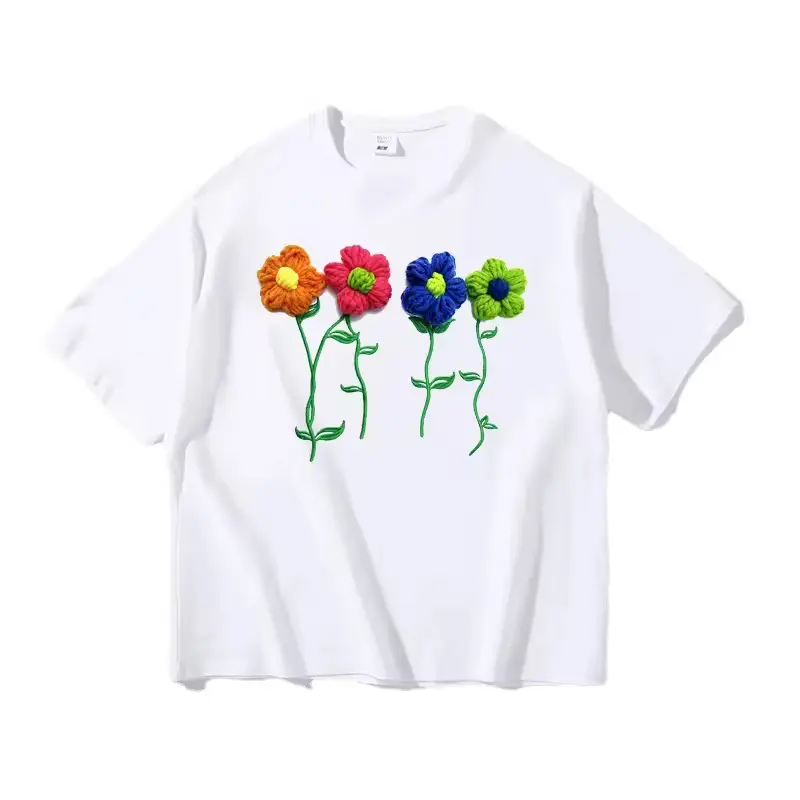
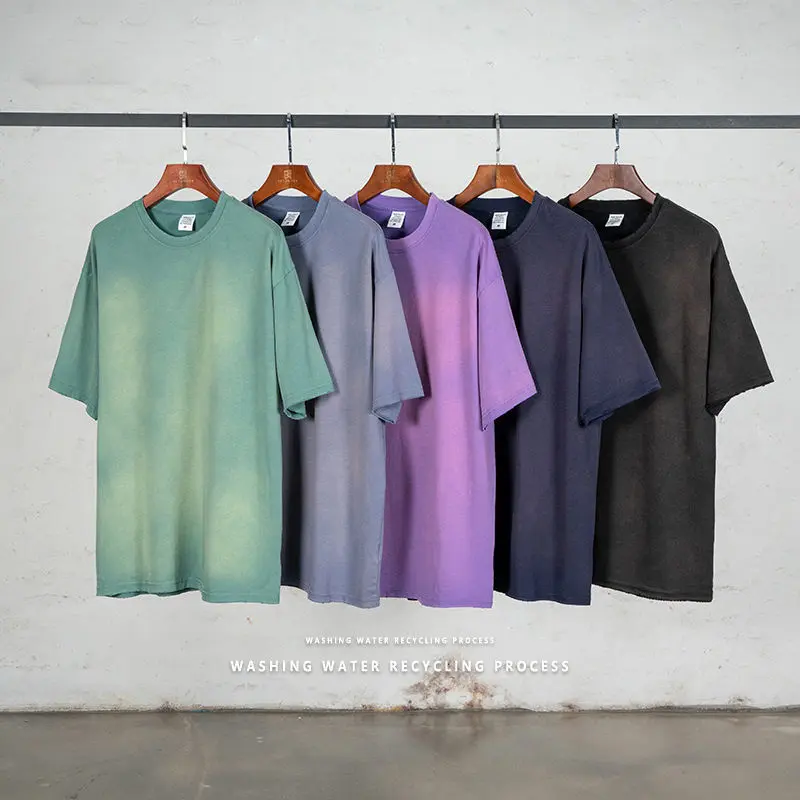
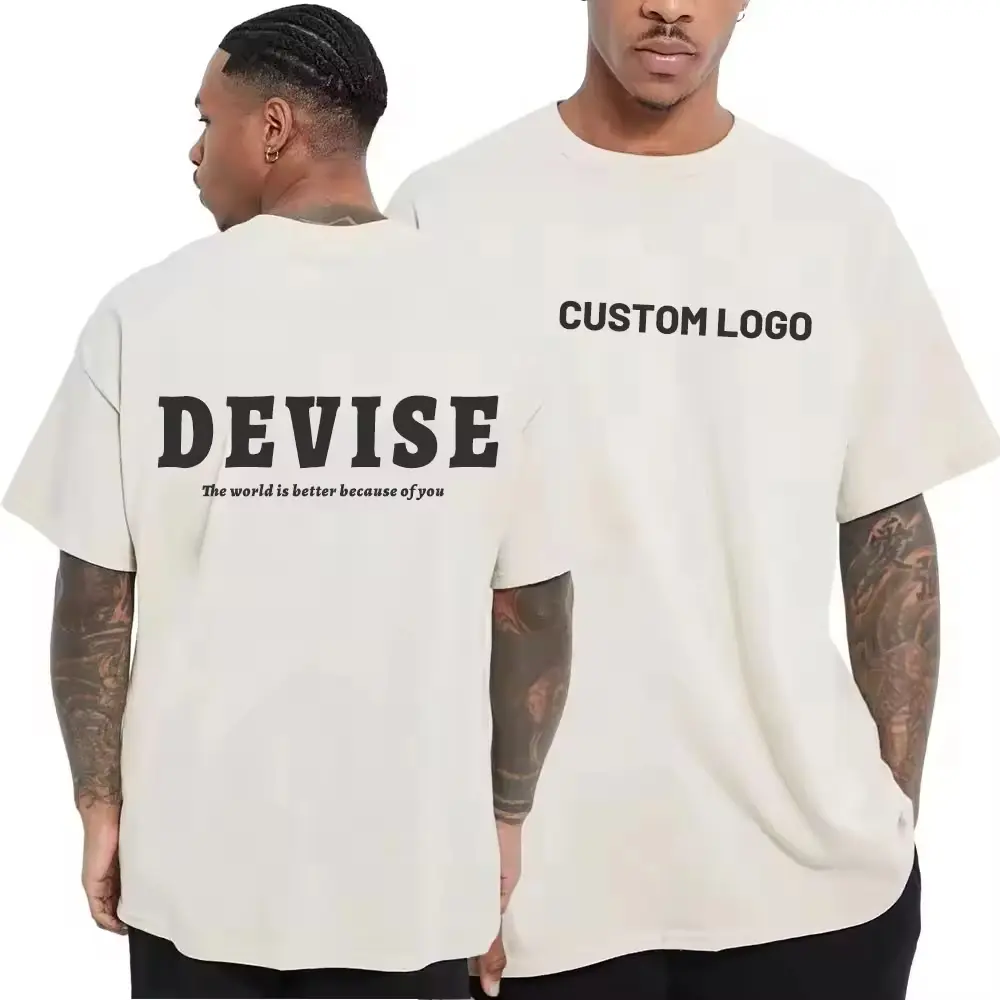
Our vertically integrated factory combines advanced machinery with strict quality control to support global apparel brands.
A decade of experience delivering specialized private label apparel to global markets.
Over 1,000 advanced machines optimize production efficiency and quality control.
Integrated services from yarn selection and custom patterning to logistics packaging.
Specializing in organic fibers certified by Control Union to ensure supply chain transparency.
Raw material inventories and streamlined logistics help stabilize price and lead times.
Continuous R&D tracking seasonal trends and functional design improvements.
At Ecogarments, we focus on apparel, the people who wear them, and the people who make them. We believe that success is measured not only in financial terms, but also in the positive impact we make on our communities and the planet.
We aim to help partners manage their ecological footprint. By thinking outside the box, we build practical business cases for high-quality, sustainable apparel. Our processes avoid plastics and toxic substances where possible in favor of certified natural and organic materials.
For buyers sourcing maternity trousers for highly regulated markets (such as the EU and North America), material compliance is critical. Suppliers must provide complete visibility into their chemistry and dyeing processes. The dyestuffs used must be AOX (Adsorbable Organic Halogens) and toxin-free to prevent heavy metals and chemical residue from contacting the wearer's skin.
Furthermore, certifying organizations like Control Union play a vital role. Control Union certifications trace natural and organic fibers from their origin through spinning, weaving, and finishing. This level of traceability helps brands prevent greenwashing and comply with strict ESG reporting standards in Western markets.
Modern maternity trousers must perform across various daily scenarios:
Supporting brands through a comprehensive range of B2B production and supply chain services.
We build sustainable apparel solutions using organic, certified natural materials to help reduce your brand's environmental footprint.
Our design team provides comprehensive ODM/OEM services, supported by photography teams for model and catalog imagery.
We work with fabric suppliers and partners certified by Control Union, utilizing AOX-free and toxin-free dyes for compliance.
With a 4,000+ sqm factory, we manage technical production challenges like seamless belly panels and flatlock stitching.
Stay ahead of trends with monthly product updates, keeping your inventory aligned with seasonal styles.
We offer end-to-end support from sampling and physical fabric testing to logistics coordination and bulk shipping.
Discover our highly rated products, featuring sustainable raw materials and modern designs.
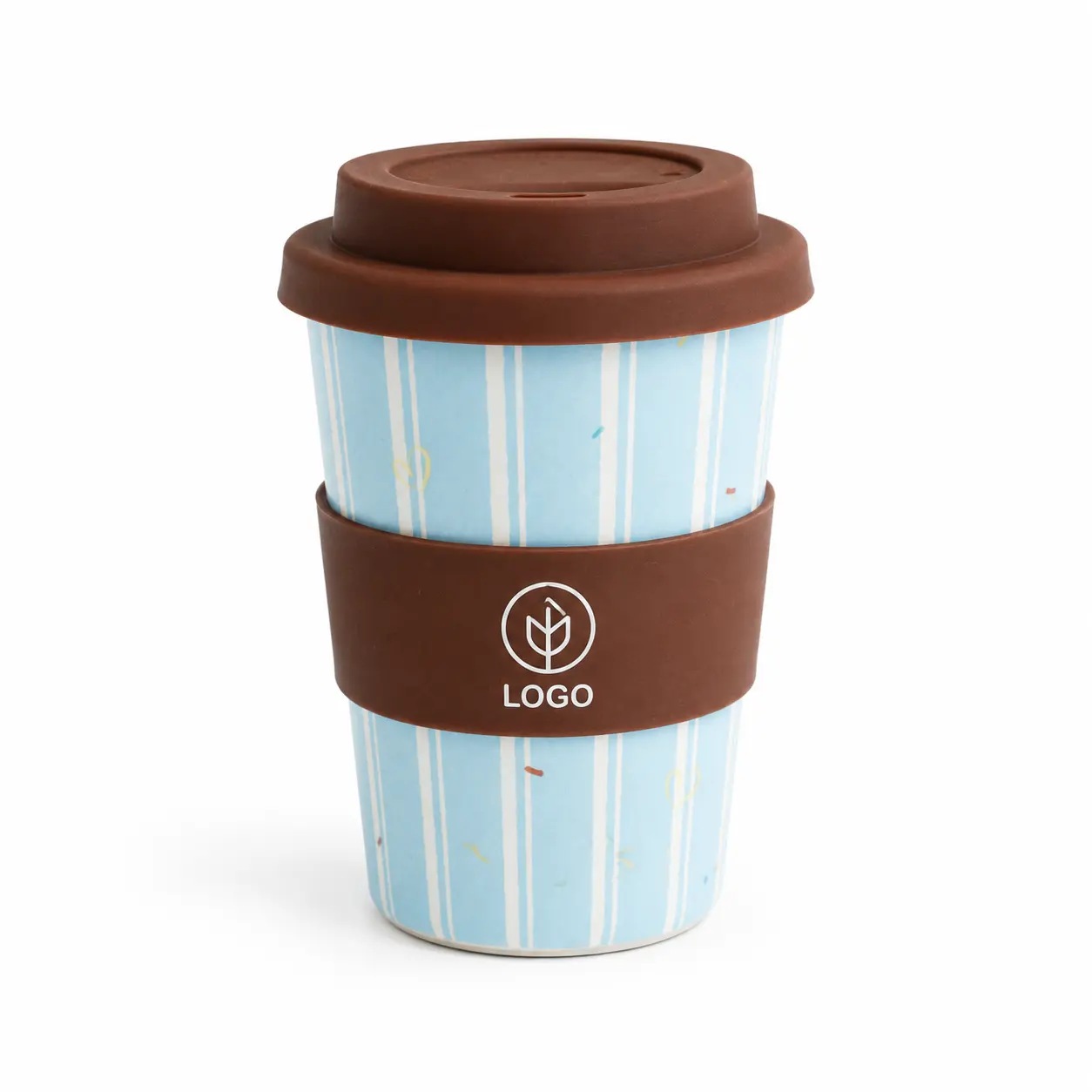
Made from rapidly renewable natural bamboo fiber. Free of BPA, PVC, and toxic additives, safe for everyday beverages. Shatterproof and lightweight.
View Details
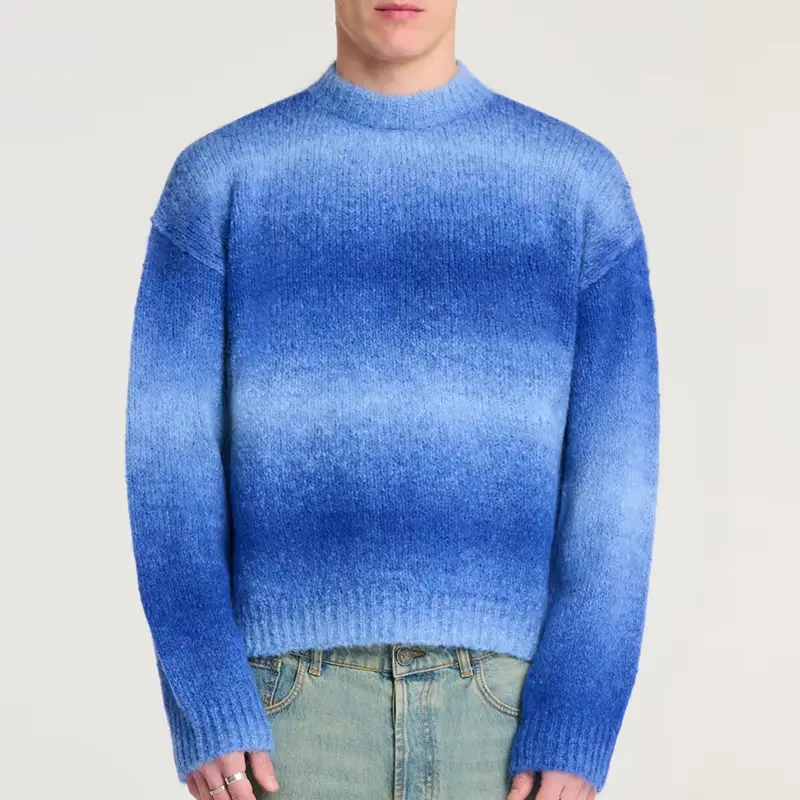
Custom mohair sweaters available in a range of colors and fits. Lightweight yet warm, tailored for modern comfort.
View Details
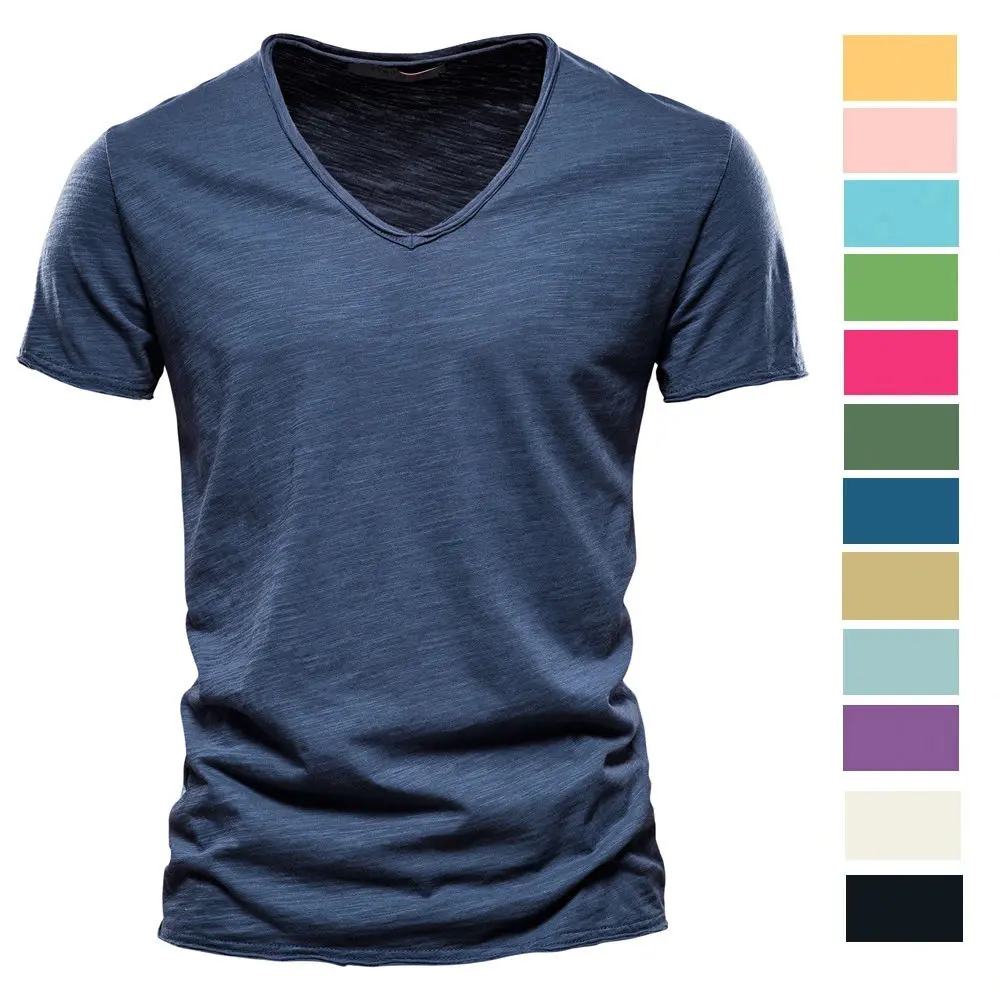
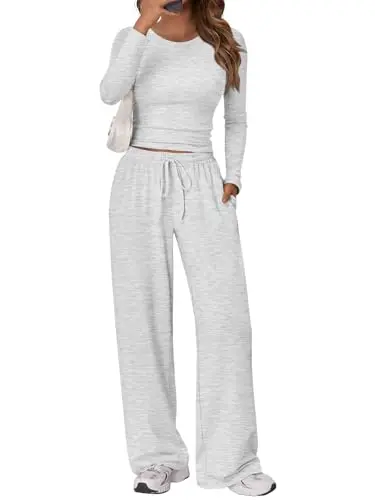
A comfortable fit that flatters the silhouette. Simple detailing, suitable for casual wear or light travel. Available in multiple colors.
View Details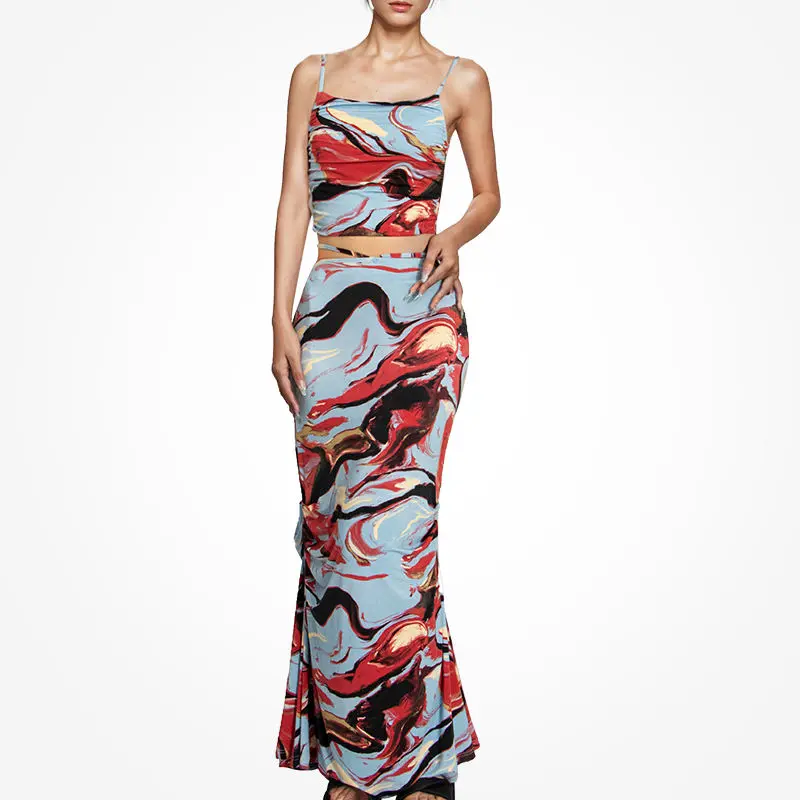
Crafted from soft bamboo viscose, this two-piece dress offers comfort and a clean drape for everyday wear.
View Details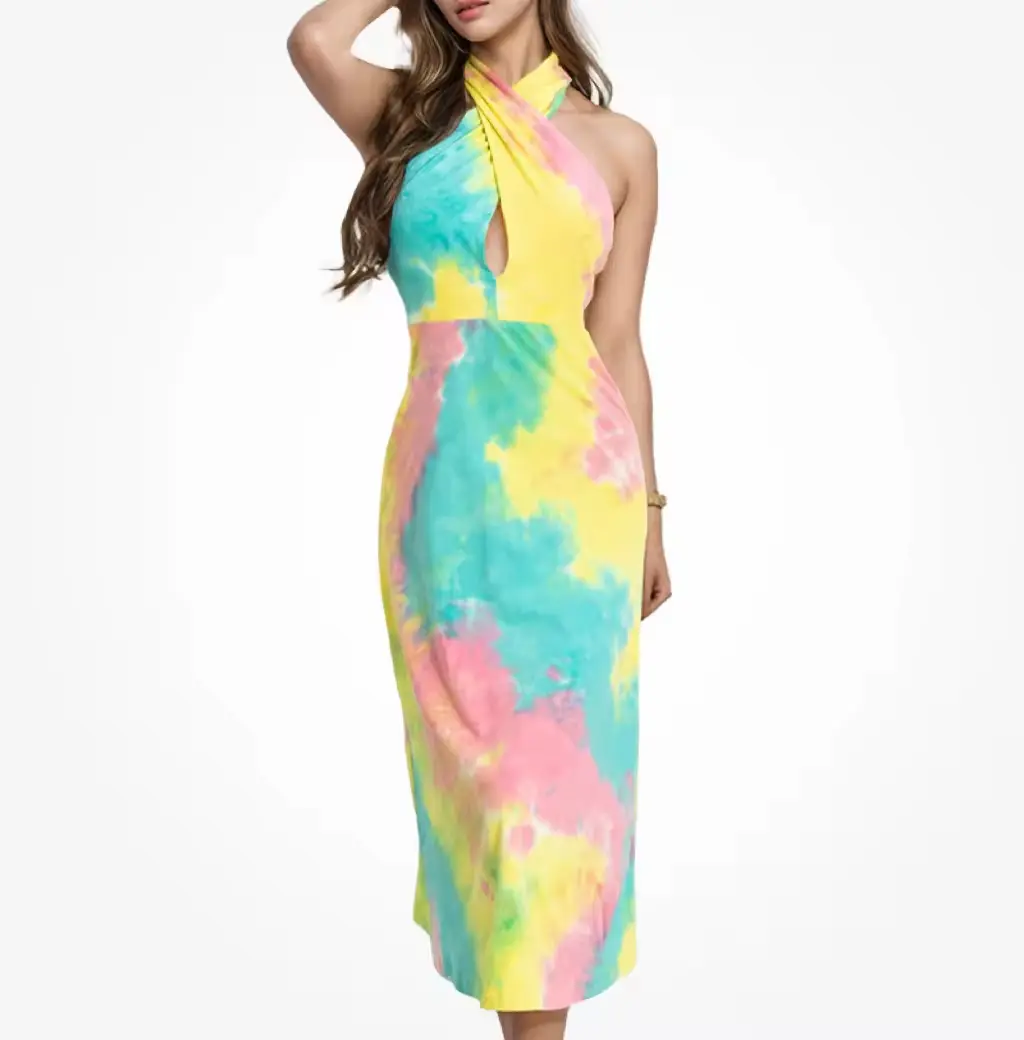
A bodycon dress combining bamboo fiber and organic cotton, featuring a soft fit and distinctive tie-dye pattern.
View Details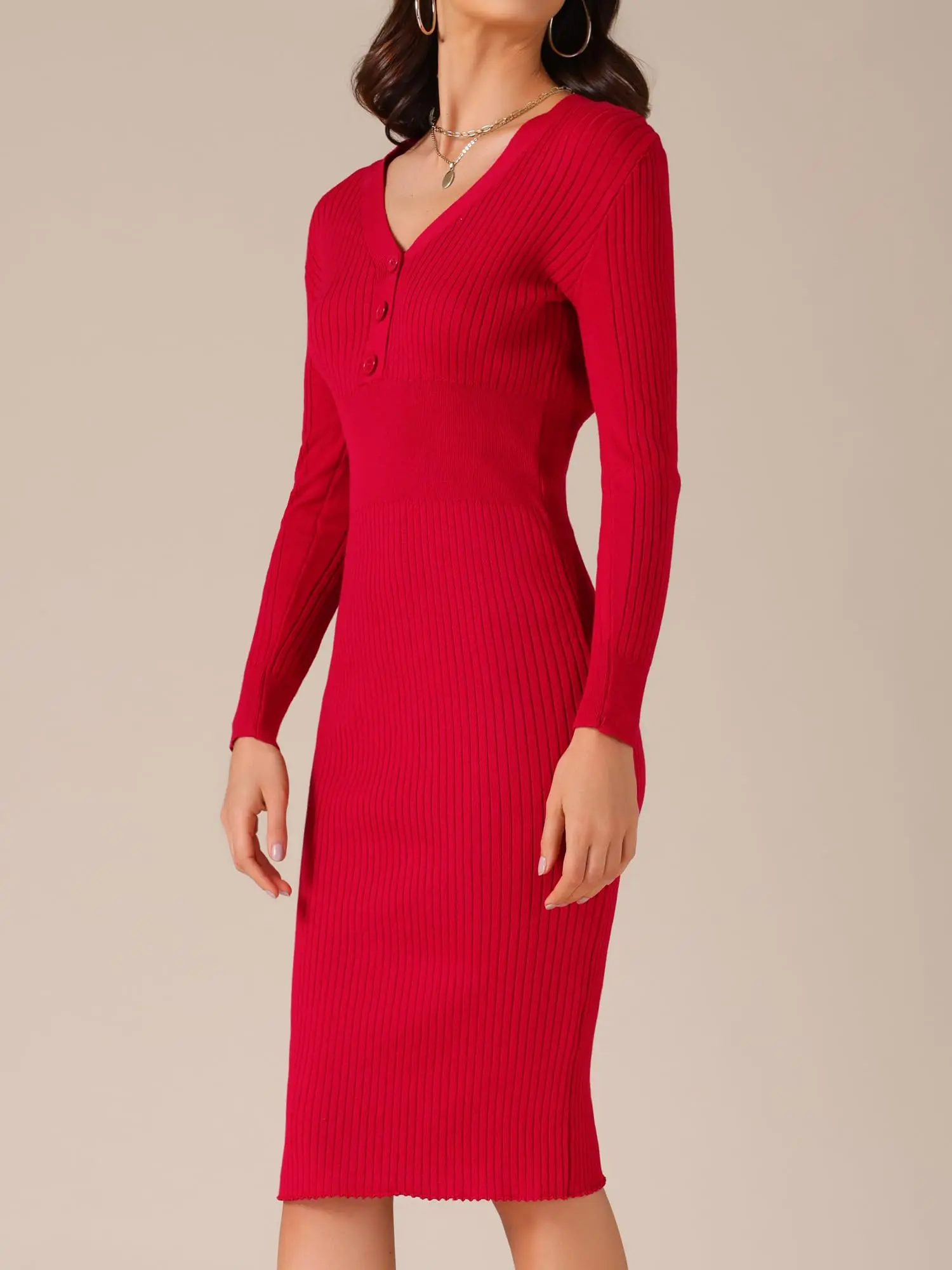
Ribbed knit construction offering soft, lightweight warmth and stretch, suitable for cooler weather.
View DetailsRead about developments in sustainable materials and zero-waste kitchenware.
The zero-waste movement has evolved from a niche trend into a global necessity. Households worldwide are rethinking every item in their cupboards, from food storage containers to drinking vessels.
For millions of people around the world, the morning routine starts with a hot cup of coffee on the way to work. Unfortunately, this convenient habit often comes with a heavy environmental price tag.
In today's fast-paced world, the environmental impact of single-use plastics has become an undeniable crisis. Millions of plastic cups end up in landfills and oceans every day.
Technical and logistical information regarding custom B2B apparel production.
A: Bamboo fiber has a naturally round, smooth profile that reduces skin irritation. Its micro-gaps allow for breathability and moisture-wicking, helping regulate temperature during pregnancy.
A: We use high-gauge circular knitting machines to blend premium elastane with natural fibers. This structure maintains shape and recovery tension after repeated washing and stretching.
A: Our materials are certified through Control Union. We can provide Scope Certificates (SC) and Transaction Certificates (TC) to verify organic supply chain integrity.
A: Yes, our OEM/ODM service includes custom sizing adjustments based on target market specifications, backed by 3D pattern software mapping.
A: Depending on fabric availability and order complexity, bulk production generally takes 30 to 45 days after prototype confirmation and deposit receipt.
A: Yes, we utilize dyestuffs that are AOX and toxin-free, ensuring compliance with global environmental regulations and minimizing wastewater impact.
Discover more from our manufacturing facilities, including sleepwear, sportswear, and basic essentials.