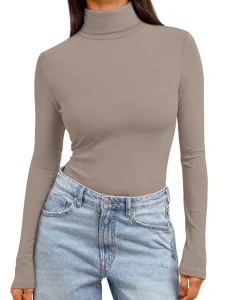
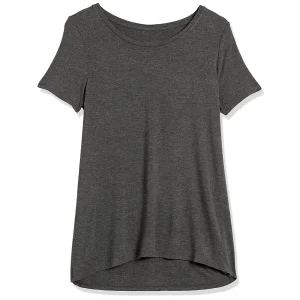
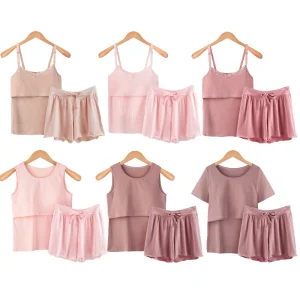
1. The Macro-Evolution of the "Home Dress Full Length" & Loungewear Industry
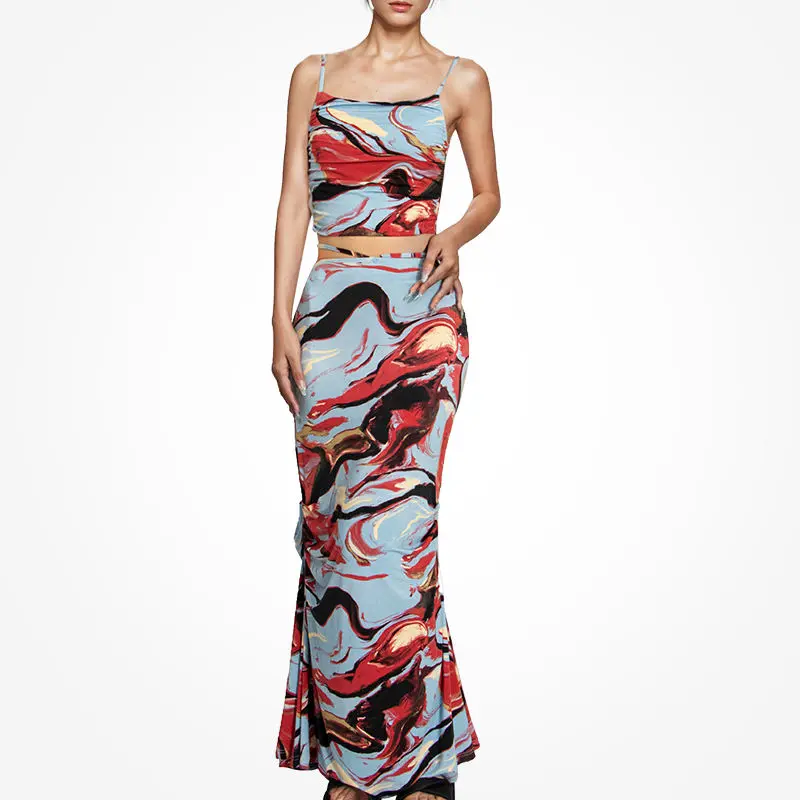
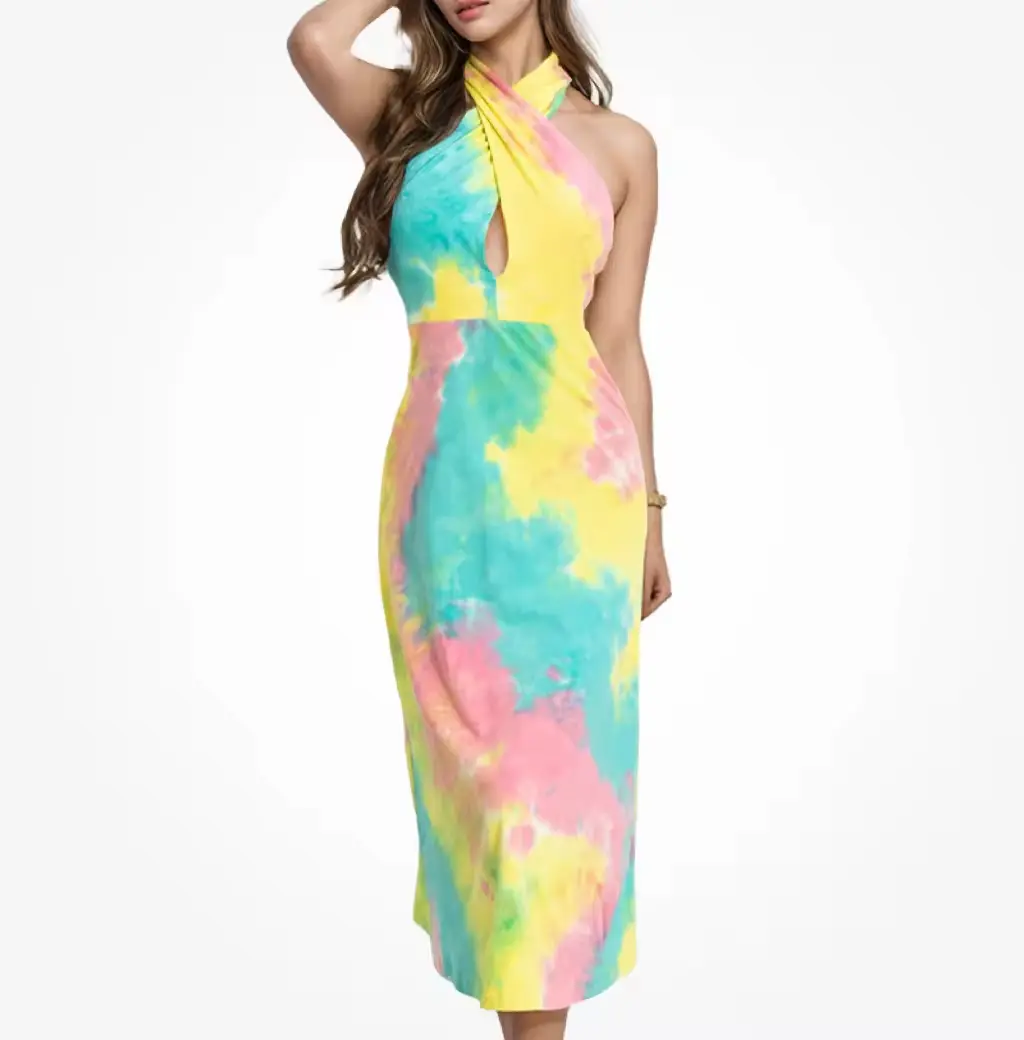
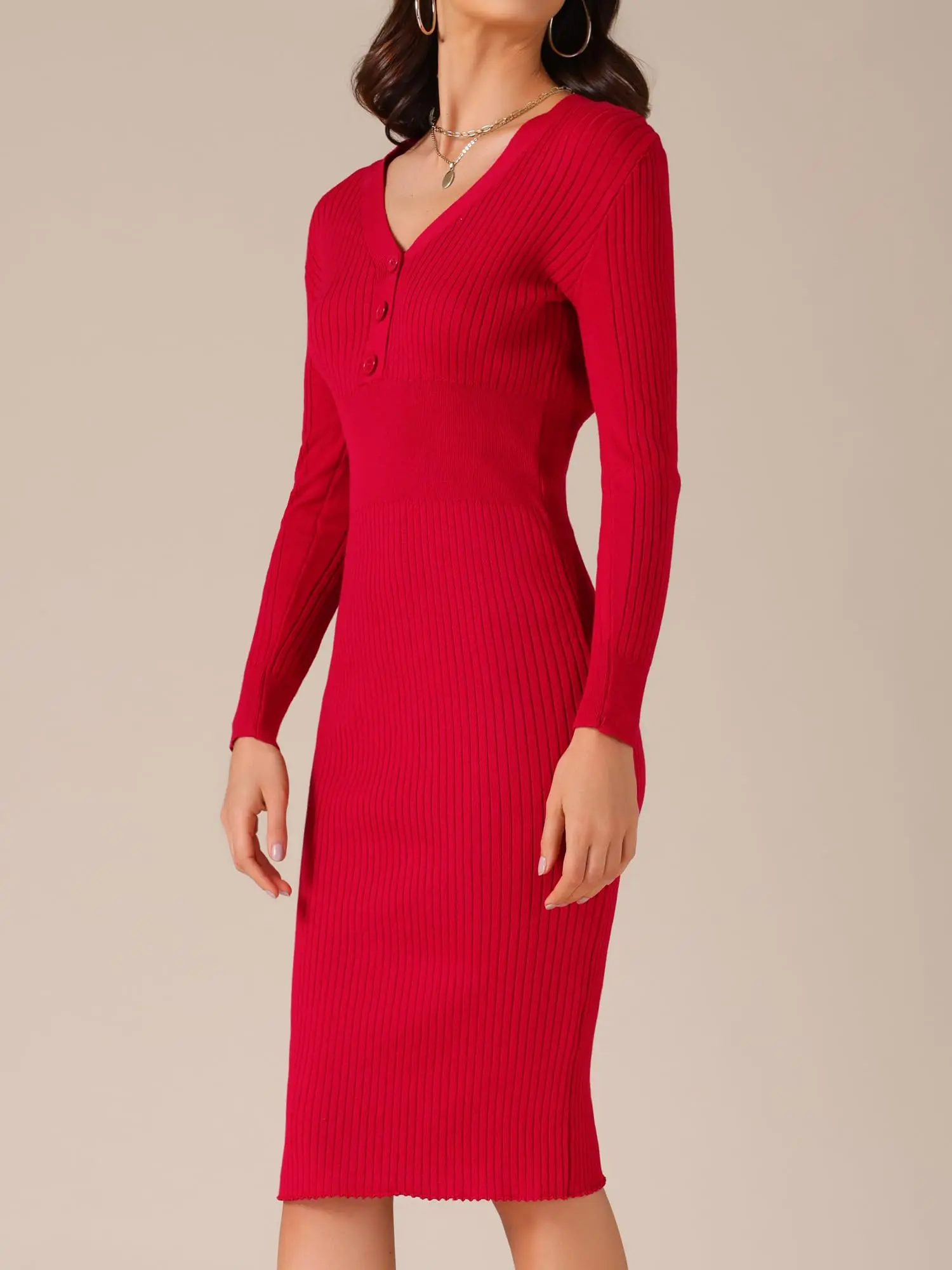
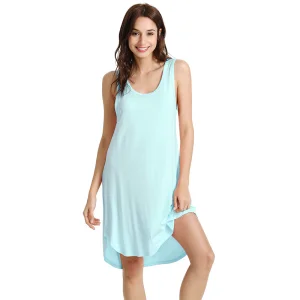
The global apparel landscape is undergoing a permanent structural realignment. Once categorized strictly as bedroom apparel, the home dress full length has ascended to a core pillar of modern lifestyle wardrobes. Accelerated by flexible working structures, a heightened cultural focus on domestic comfort, and a demand for elegant simplicity, global consumers now seek apparel that blurs the lines between sleepwear, leisurewear, and casual daytime dress.
This paradigm shift represents a major change in consumer intent. Modern buyers are no longer looking for disposable, low-quality garments. They require garments that combine aesthetic versatility with advanced thermal regulation. For B2B apparel brands, retail conglomerates, and eco-conscious private labels, the sourcing strategy must adapt to this evolution. The competitive edge lies in securing direct partnerships with manufacturers who understand this shift, offering raw materials that maintain high tensile strength while providing a soft hand-feel.
From a geopolitical and logistics standpoint, the rise of the full-length lounge dress corresponds directly with the demand for luxury-grade touchpoints at affordable pricing. Modern consumers view home dresses not just as clothing, but as an expression of personal wellness. As a result, the market value for organic loungewear continues to rise annually, with expectations indicating a robust growth trajectory throughout the decade.
2. Global Enterprise Procurement Trends & Customization Demands
B2B procurement has moved beyond simple cost-per-unit comparisons. Enterprise buyers from Europe, North America, and Japan are seeking long-term alignment across three primary variables: compliance certifications, materials transparency, and operational scalability. Sourcing managers are increasingly optimizing their supply chains to mitigate risk, requesting detailed tracing documents from fiber crop to finished weave.
In terms of product design, customization demands are highly targeted:
- Size Inclusivity: High demand for plus-size loungewear, maternity-specific cuts, and relaxed-fit designs that maintain shape over extensive wash cycles.
- Eco-Functional Fabrics: Buyers require certified organic cotton, bamboo viscose, modal blends, and premium hemp fabrics that boast hypoallergenic, anti-odor, and moisture-wicking characteristics.
- Precision Branding: Advanced screen printing, clean embroidery, customizable tagging, and eco-friendly packaging that aligns with corporate ESG goals.
As global trade regulations tighten regarding greenwashing, partnerships with verified factories possessing global certifications (such as Control Union and OEKO-TEX standardizations) have become a baseline requirement for market entry.
3. China Factory 4.0: Supply Chain Resilience & Modern Manufacturing Advantages
China's dominance in apparel manufacturing is no longer driven by labor-cost arbitrage; it is sustained by the integration of Industry 4.0 systems, advanced material engineering, and unparalleled clusters of auxiliary supply chains. In modern apparel hubs, smart machinery operates in tandem with digital inventory control systems to optimize yield, cut waste, and ensure consistent quality across production batches.
This manufacturing ecosystem provides distinct structural advantages for global buyers:
Our facility integrates raw fiber sourcing, dyeing, knitting, automated pattern cutting, precision stitching, and a dedicated quality inspection line. This vertical integration allows us to keep a stable supply chain, insulate buyers from fabric market fluctuations, and scale up production lines on short notice. Furthermore, the inclusion of in-house professional photography teams, featuring video capture, model shoots, and still-life setups, enables B2B buyers to dramatically shorten their time-to-market cycle by using high-converting media immediately.
4. Our Sustainable Philosophy & Certifications
At Ecogarments, we care about apparel, about the people who wear them, and the people who make them. We believe that success is not measured solely in monetary profit, but in the positive impact we leave on those around us and our planet. We are passionate, we are pure, and we challenge those around us to take responsibility for their ecological footprint. We constantly strive to think outside the box to build a lasting, profitable business case for sustainable, high-quality apparel.
As a specialized eco-friendly garment manufacturer, we prioritize natural and organic materials, avoiding unnecessary plastics and toxic chemical substances. Our fabric suppliers and production partners are certified by the Control Union. All dyestuffs used within our manufacturing process are guaranteed to be AOX-free and TOXIN-free. In view of customers' diverse and ever-changing requirements, we are fully equipped to execute complex OEM or ODM orders, designing and developing custom products according to our buyers' precise technical sheets.
5. Regional Application Scenarios & Consumer Personas
To maximize your market capture, it is critical to tailor your product messaging to local consumer personas:
- North America: Consumers prioritize oversized, high-grammage cotton and bamboo-blend lounge dresses that transition smoothly from home office settings to neighborhood errands. Comfort and durability under standard machine drying cycles are paramount.
- Europe: Strong preference for organic hemp, modal, and linen-cotton blends. European demographics lean heavily toward minimalist, earth-toned color palettes and demand clear ecological labeling alongside durable, low-impact packaging.
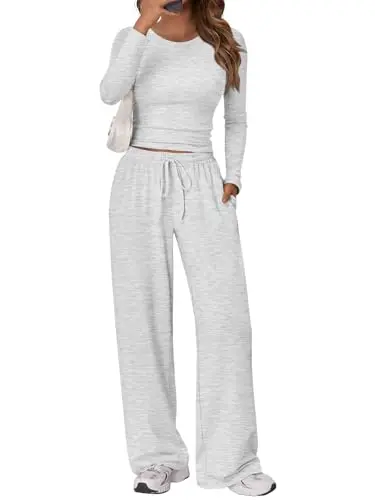
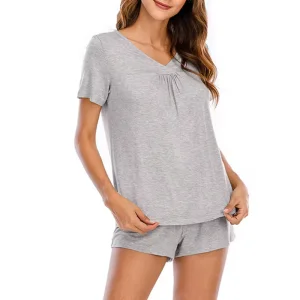
- Asia-Pacific: Highly focused on modal and bamboo-fiber summer pajama sets, light crop tees, and soft slip dresses. Technical cooling fabrics, lightweight feel, and clean styling lines are highly prized in these warmer, humid climates.