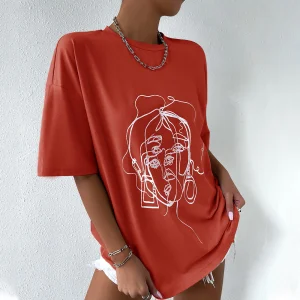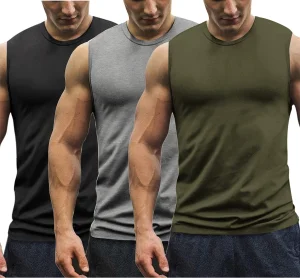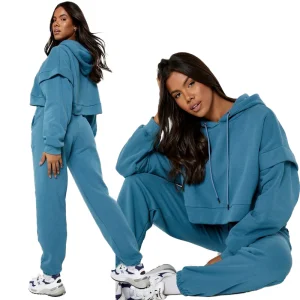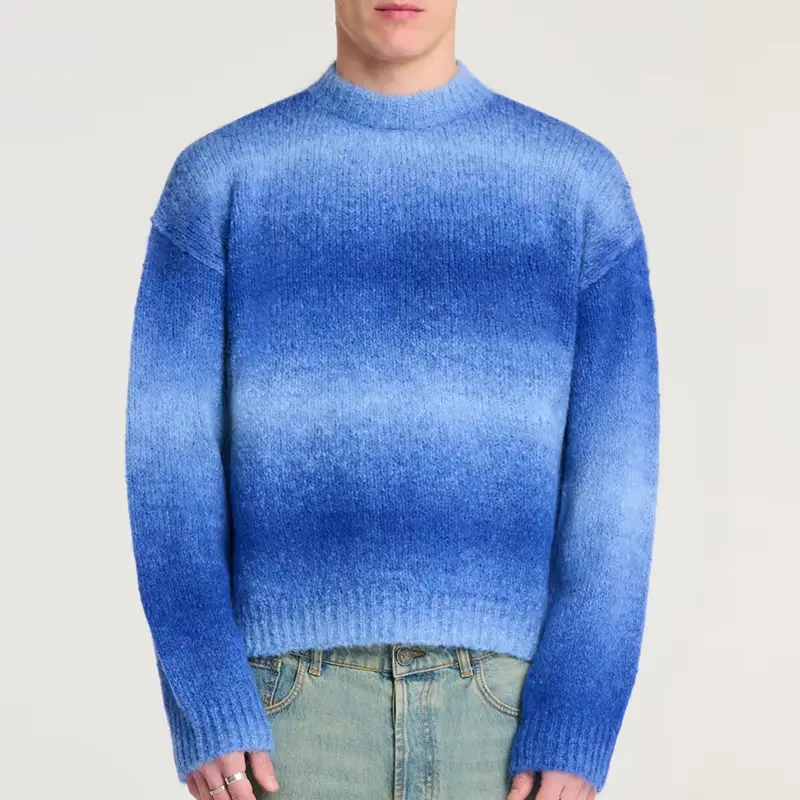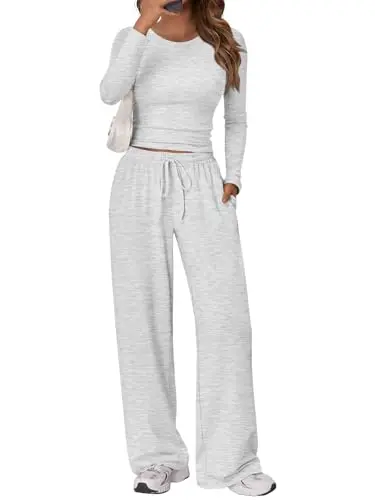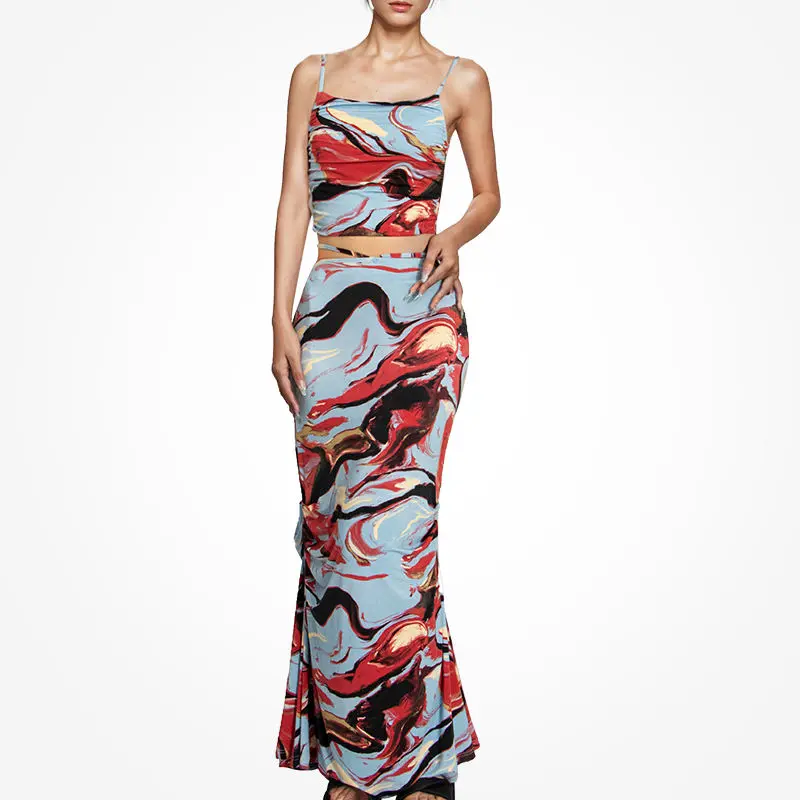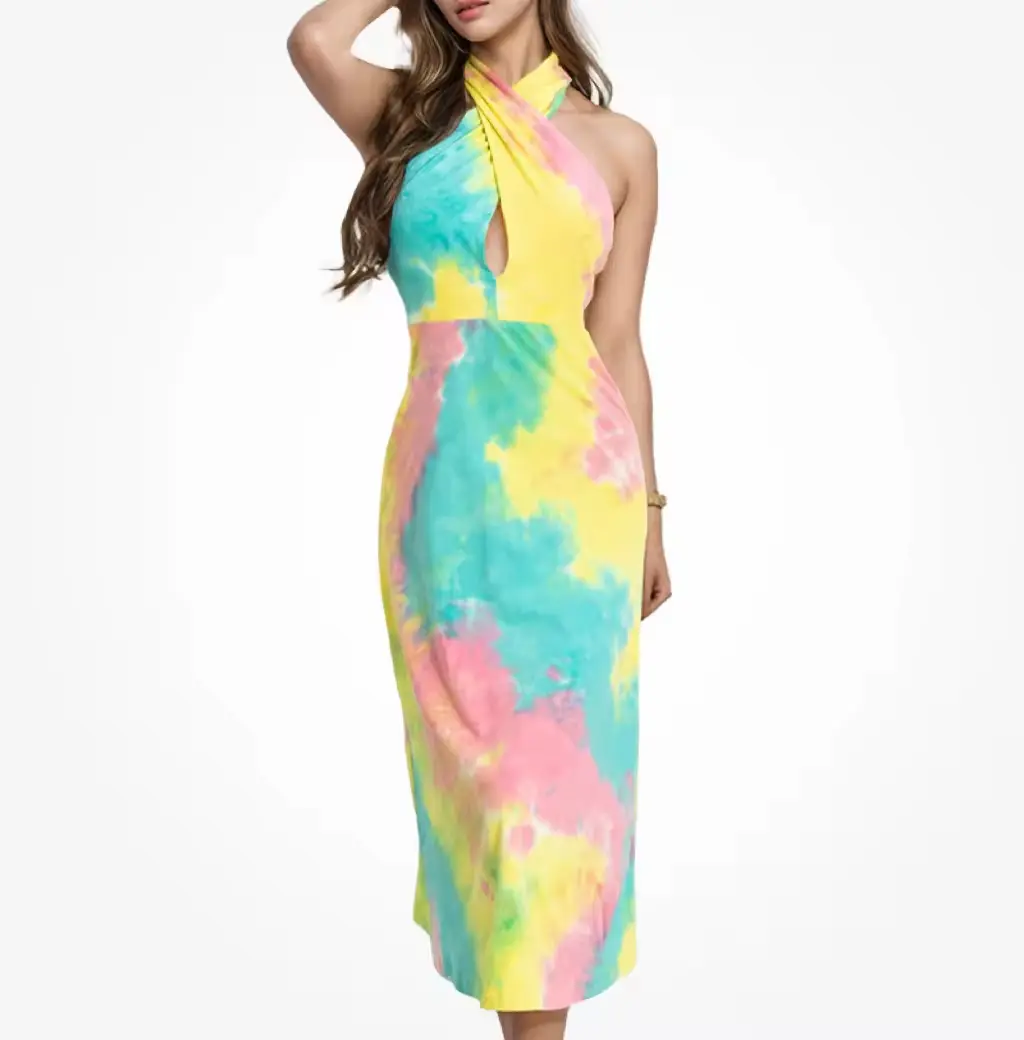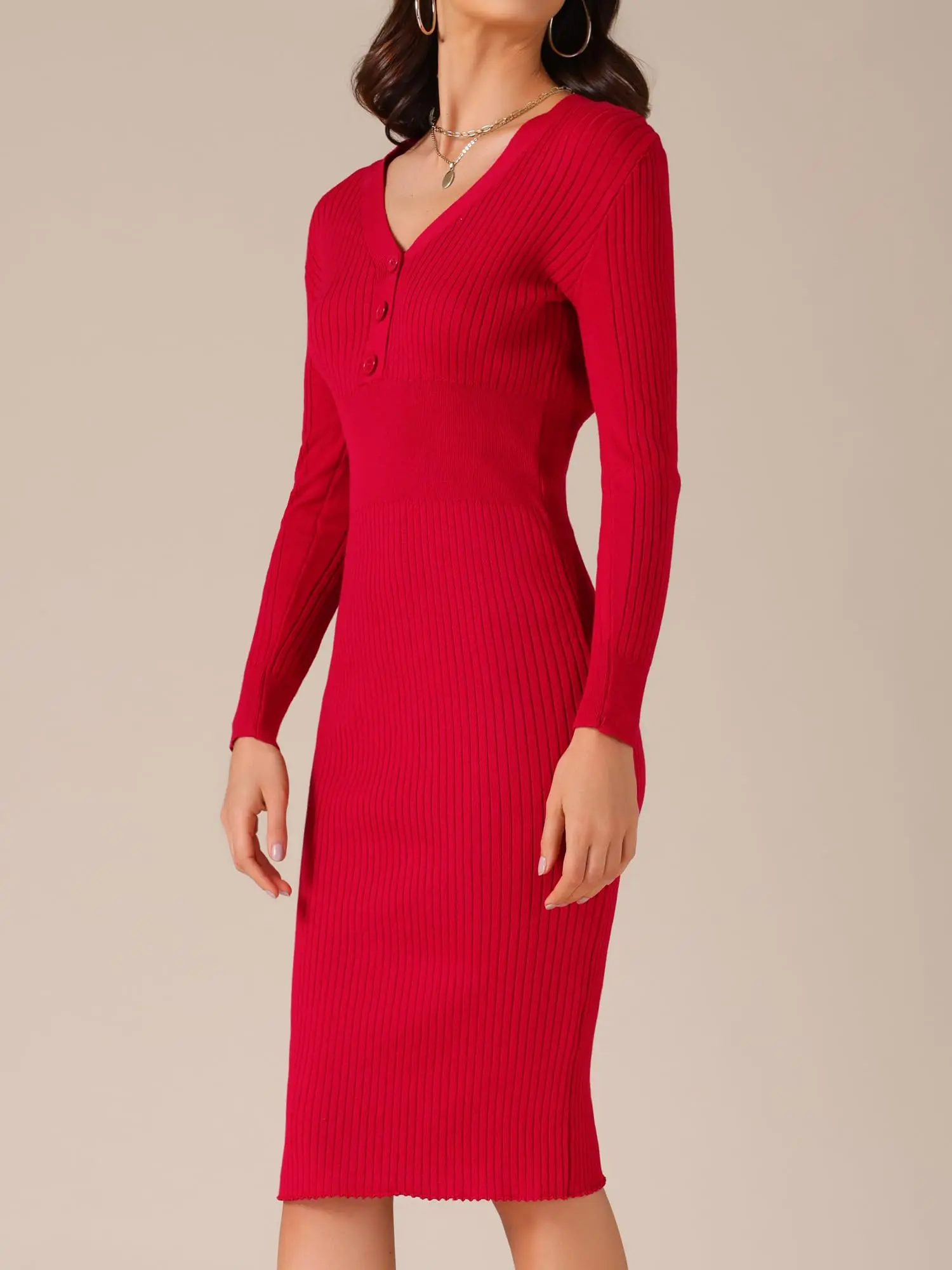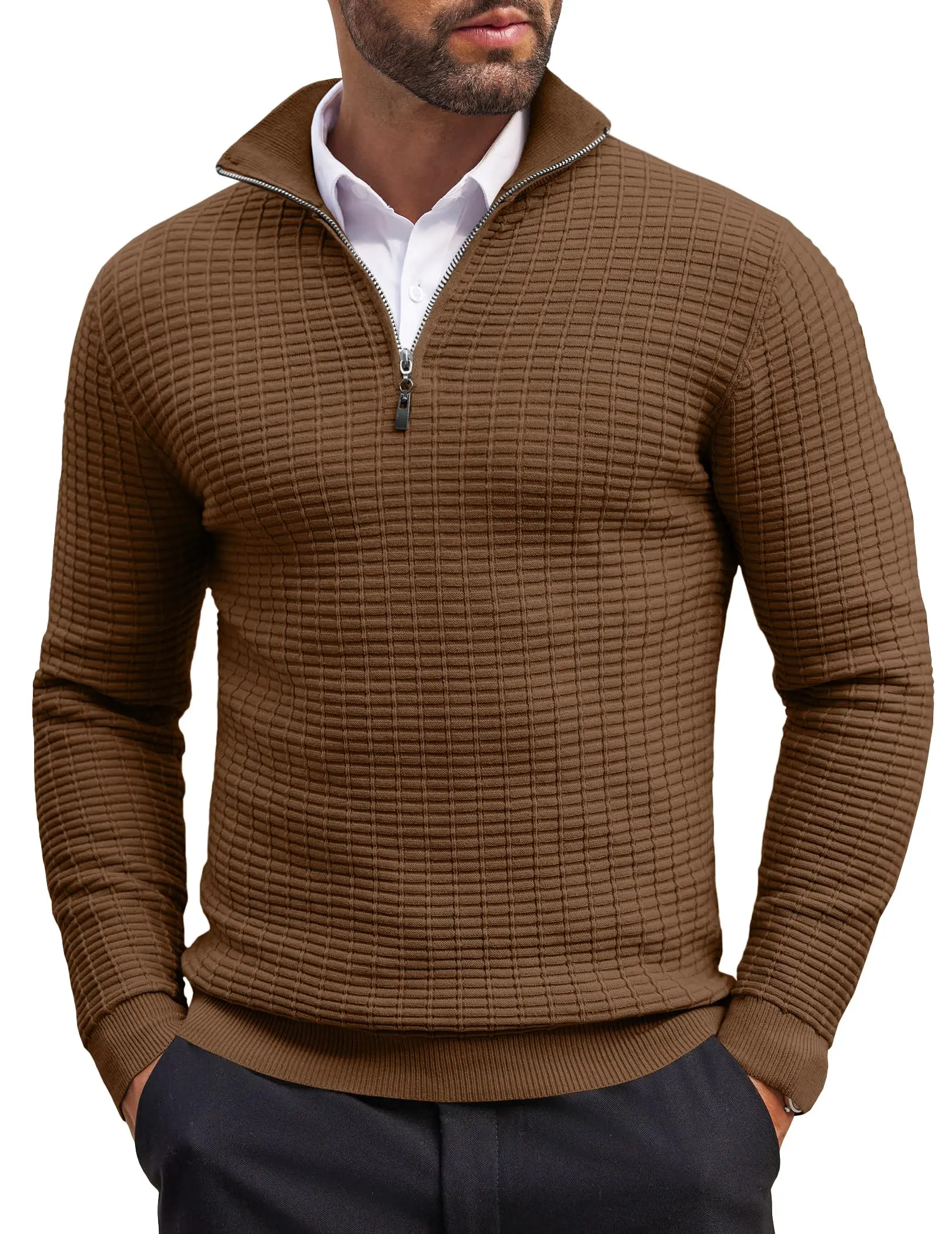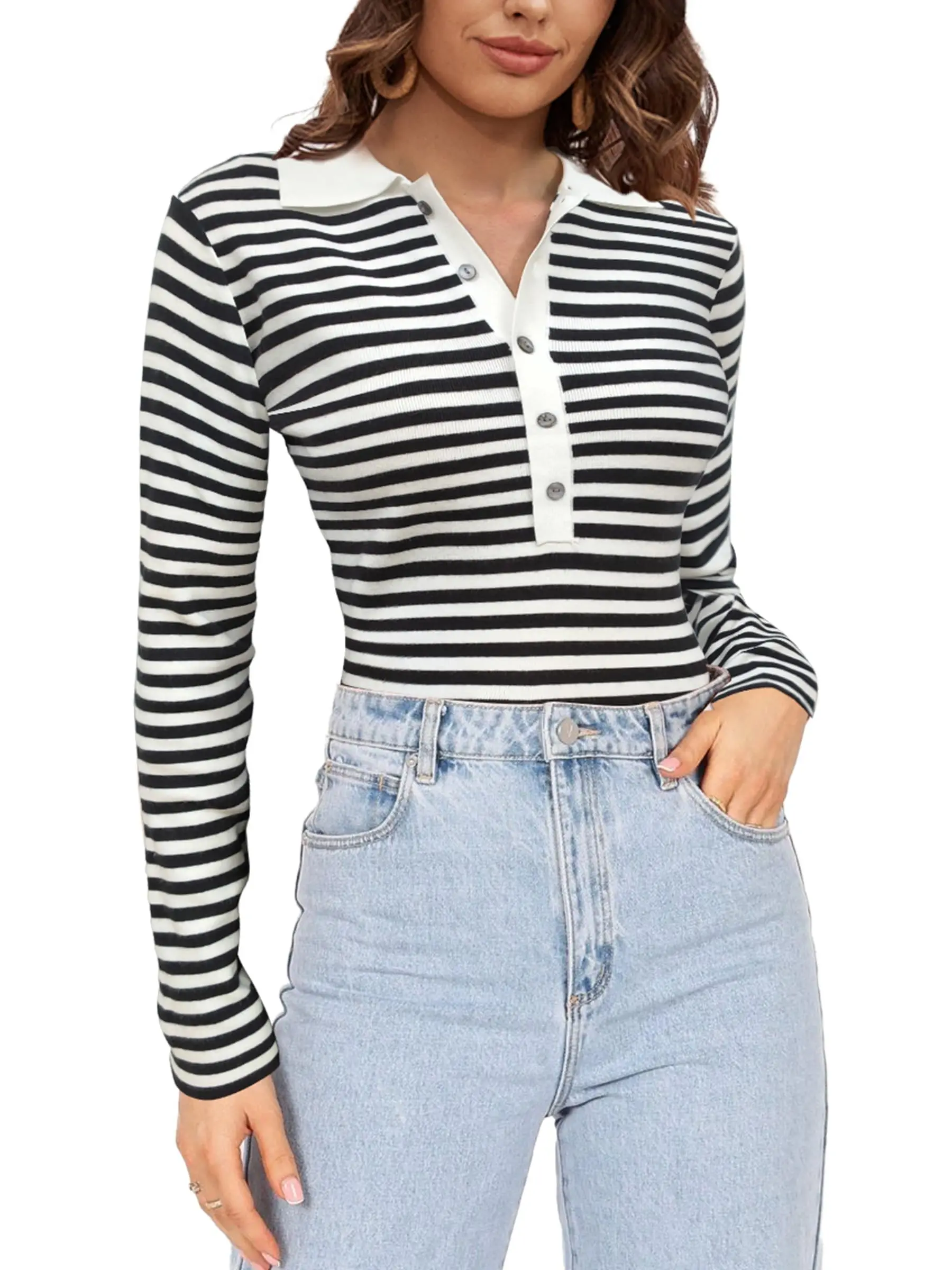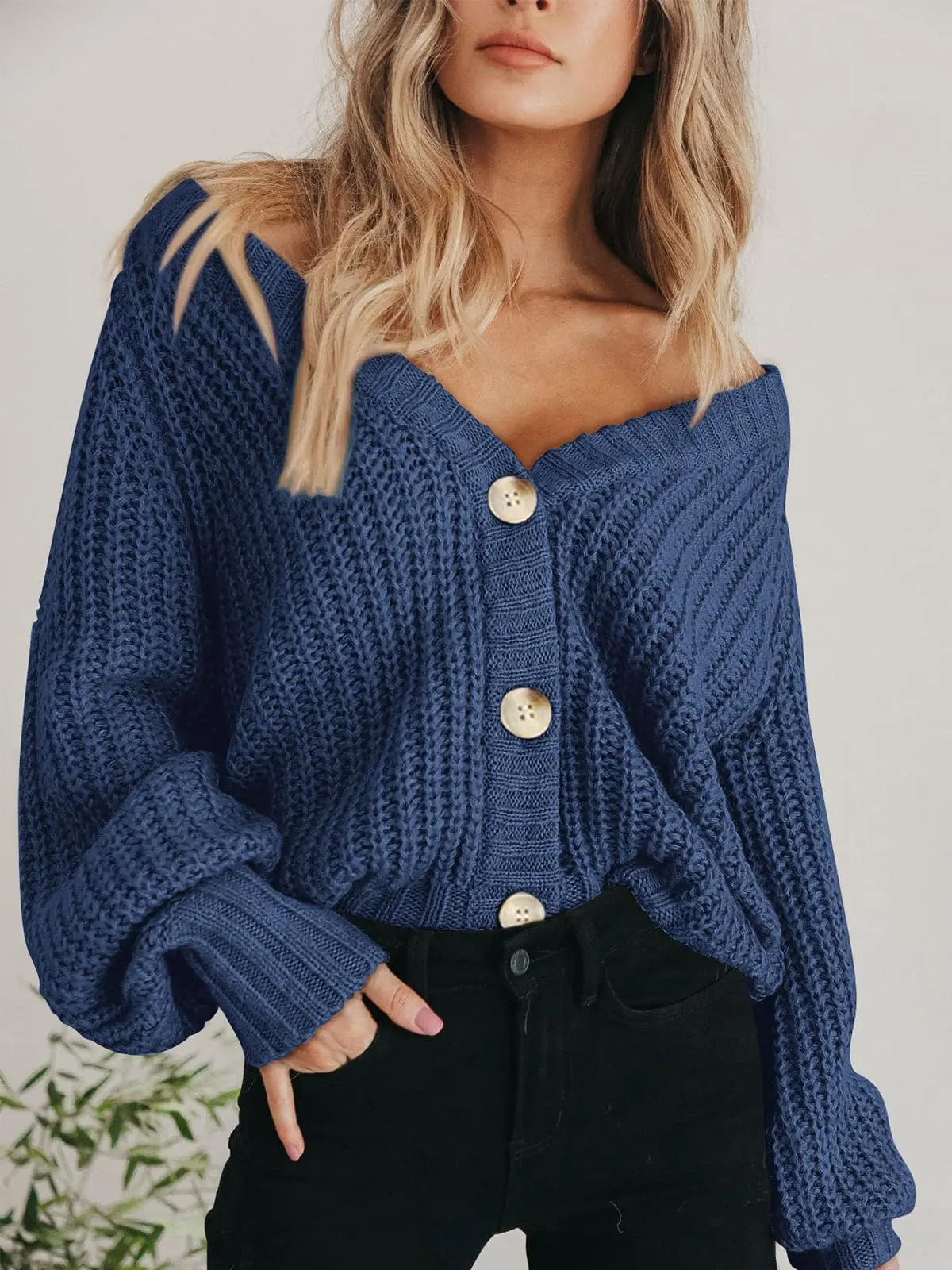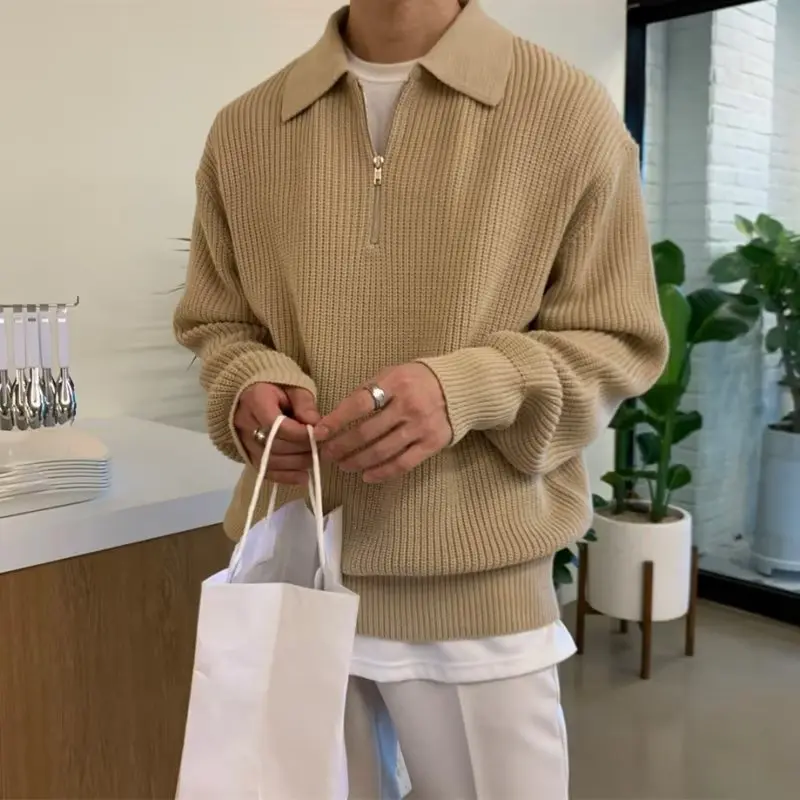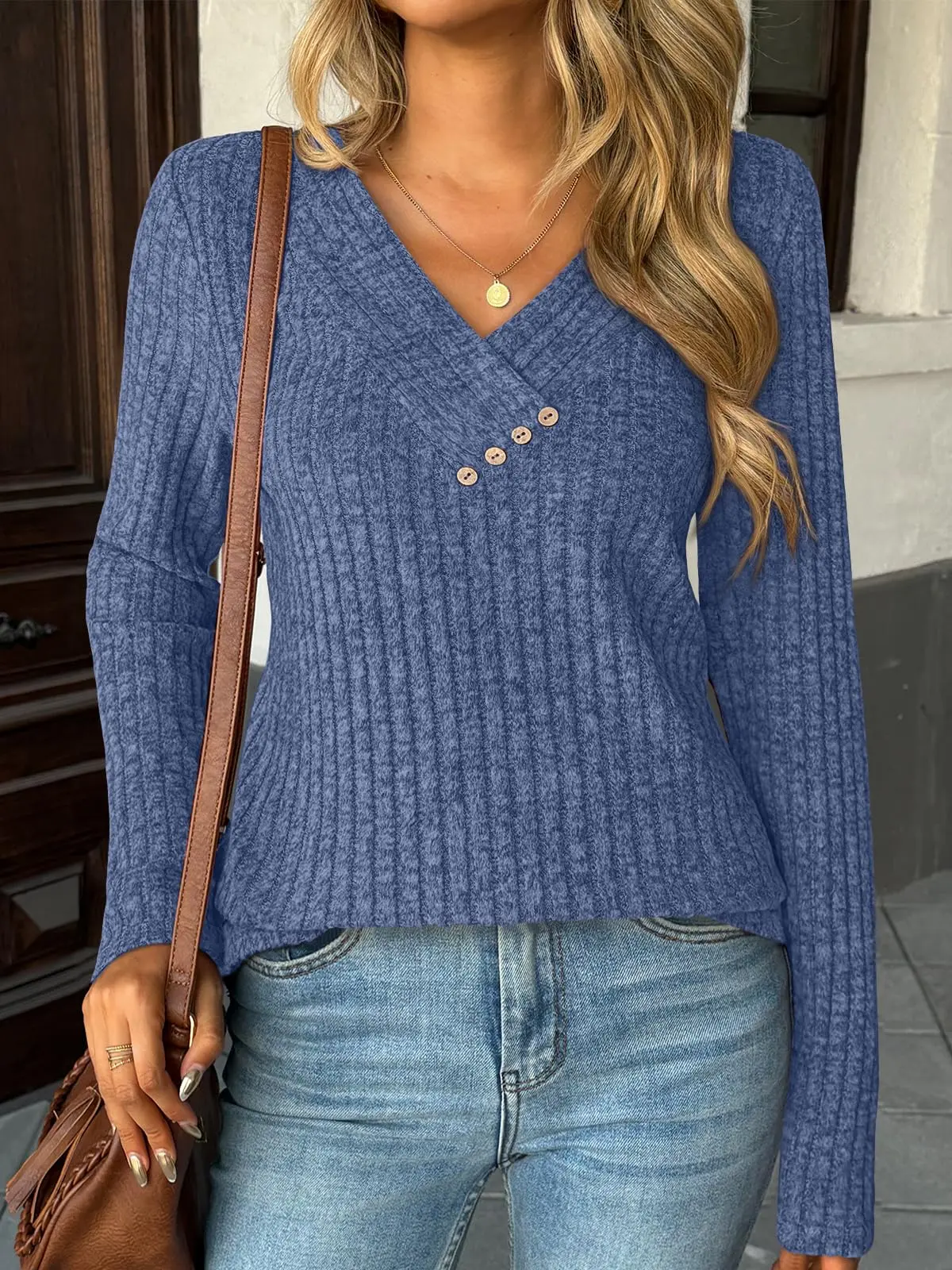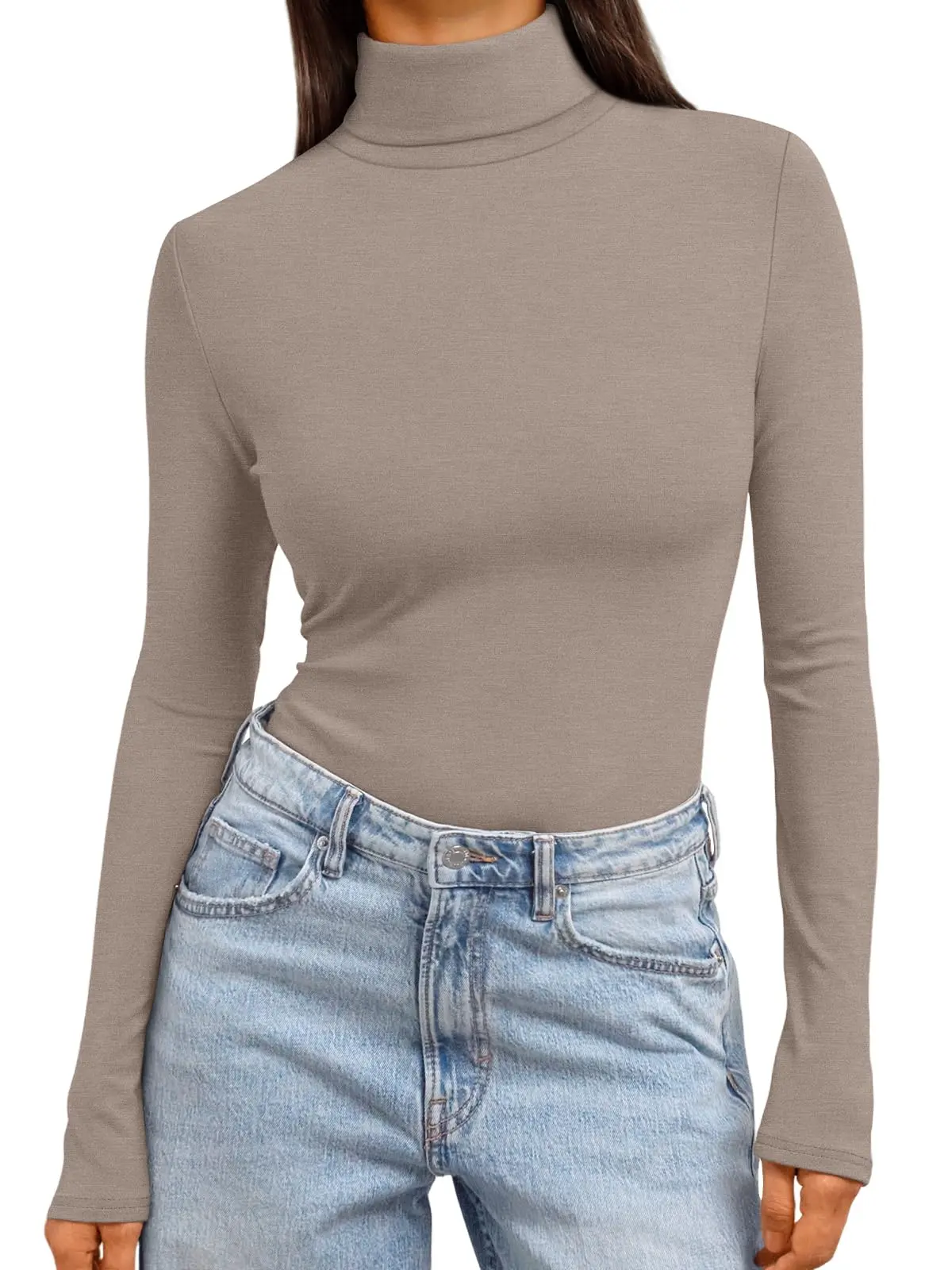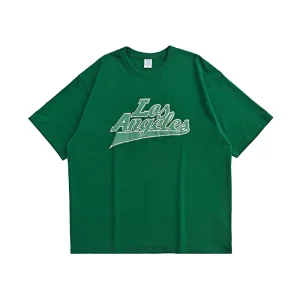
A selective presentation of our leading organic cotton, bamboo fiber, and technical knitwear designs engineered for global importers.
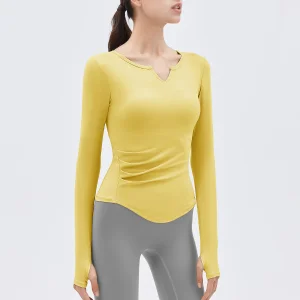
Yoga & Activewear Custom Autumn & Winter Yoga Long Sleeve V-Neck Top with Breast Pads
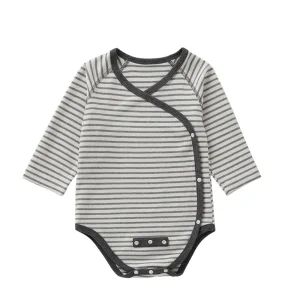
Newborn Essentials OEM ECOGARMENTS Organic Cotton Newborn Long Sleeve Onesie
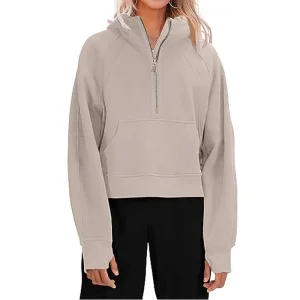
Womens Streetwear Custom Womens Half Zipper Crop Hoodie Fleece Lined
At Ecogarments, we cultivate a deep responsibility for the apparel we engineer, the children who wear them, and the communities that bring them to life. We believe that global business success must not be measured solely in profit margins, but in the positive, verifiable footprint we leave on our ecosystems.
We are passionate about purity. We challenge global buyers and supply partners to evaluate their ecological footprint critically. By pushing the boundaries of sustainable fiber sourcing, eco-friendly dye processes, and low-waste design patterns, we build long-term, profitable business structures that protect our planet's future.
An in-depth analysis of the current market trajectory, material demands, and supply chain shifts in the infant wear industry.
In the global market for infant apparel, the transition from traditional button snap buttons to two-way zippers is accelerating. Busy parents prioritize efficiency and comfort, driving double-digit demand growth for zipper-style playsuits. A two-way zip system allows for quick diaper changes without fully exposing the infant to cold temperatures.
Infant garments face the strictest regulatory oversight of any apparel class globally. Products entering the US, European Union, and OECD countries must meet stringent requirements such as CPSIA limits on lead and phthalates, OEKO-TEX Standard 100 Class I (safe for babies), and GOTS certifications for organic fabrics. Non-compliance is not an option.
Modern consumers actively look for high thermal regulation, breathability, and hypoallergenic properties. Viscose made from bamboo fiber provides a silk-like touch, natural cooling, and excellent stretch recovery. Organic cotton delivers robust durability and structural stability. Blending these materials creates high-performance garments that stand up to repetitive wash cycles.
Understanding the logistical and operational strengths of domestic production for international supply lines.
Chinese textile hubs integrate yarn spinning, fabric knitting, ecological dye plants, custom metal zip hardware manufacturing, and automated cut-and-sew operations in close proximity. This localized industrial concentration reduces internal transport lead times and gives us access to a wide range of specialized fabrics and premium trims.
We source materials directly from certified suppliers, allowing us to manage lead times effectively and keep wholesale pricing competitive for large-scale purchase orders.
Our facilities employ advanced manufacturing machinery, including computer-aided pattern nesting and digital laser cutting systems. These technologies minimize fabric waste, keep sizing consistent across large batches, and help us maintain high-efficiency throughput.
Every piece is checked by metal detection lines and multiple quality control inspections, verifying seam strength, zip action, and fabric hand-feel to match international export requirements.
How we help independent brands, e-commerce stores, and corporate distributors grow their market share.
We maintain a large, consistent inventory of base greige fabrics in organic cotton, bamboo fiber, and modal blends. This helps us buffer against raw material price changes and keep delivery timelines stable for our partners.
We work with brand designers to build custom sizing charts, develop patterns, and source hardware. Our services include custom packaging, woven labels, hangtags, and fabric printing to match your brand style.
Our production matches OEKO-TEX Standard 100 criteria. We supply complete material safety data sheets, lead-free zipper certificates, and fabric origin papers to simplify the customs clearance process.
A reference for understanding cost structures, MOQs, and customization variables. Contact our sales office for a direct quote based on your specific requirements.
| Garment Class & Fabric Blend | MOQ (Per Color/Style) | Tier 1 Price (500 - 1,999 pcs) | Tier 2 Price (2,000 - 4,999 pcs) | Tier 3 Price (5,000+ pcs) | Standard Lead Time |
|---|---|---|---|---|---|
| 100% Organic Cotton Romper (200 GSM, YKK Zipper) | 500 pcs | $3.80 / pc | $3.20 / pc | $2.80 / pc | 25 - 30 Days |
| 95% Bamboo Viscose / 5% Spandex Romper (220 GSM, Two-way Zip) | 800 pcs | $4.50 / pc | $3.90 / pc | $3.45 / pc | 30 - 35 Days |
| Bamboo Cotton Rib Knit Romper (240 GSM, Heavyweight) | 1,000 pcs | $4.85 / pc | $4.20 / pc | $3.80 / pc | 35 - 40 Days |
| Modal-Spandex Pajama Footie (190 GSM, Ultra-Soft) | 1,000 pcs | $4.25 / pc | $3.70 / pc | $3.15 / pc | 30 - 35 Days |
*Note: The prices listed above are estimated FOB values. The final pricing depends on the print designs, custom embroidery, custom labeling, and current shipping rates.
A full range of design, production, and manufacturing capabilities built to help sustainable apparel brands grow.
We work to develop sustainable apparel solutions. Our manufacturing lines prioritize low-impact processes, water conservation, and eco-friendly packaging options.
We offer end-to-end design, pattern grading, sourcing, production, and shipping logistics. Our services include model photography and product video capture to support your marketing campaigns.
We source fabrics from certified suppliers. The dyes used in our processes are AOX and toxin-free, ensuring safety and quality standards are met at every step.
With over a decade of experience in organic and sustainable textiles, we have built a stable supply chain to deliver consistent product quality.
Our development teams track global fashion trends and update our catalog monthly with new fabrics, silhouettes, and color palettes.
We provide support throughout the production cycle, offering order tracking, shipping coordination, and quality assurance updates.
Browse through our hot products across homeware, knitwear, activewear, and eco-friendly accessories.
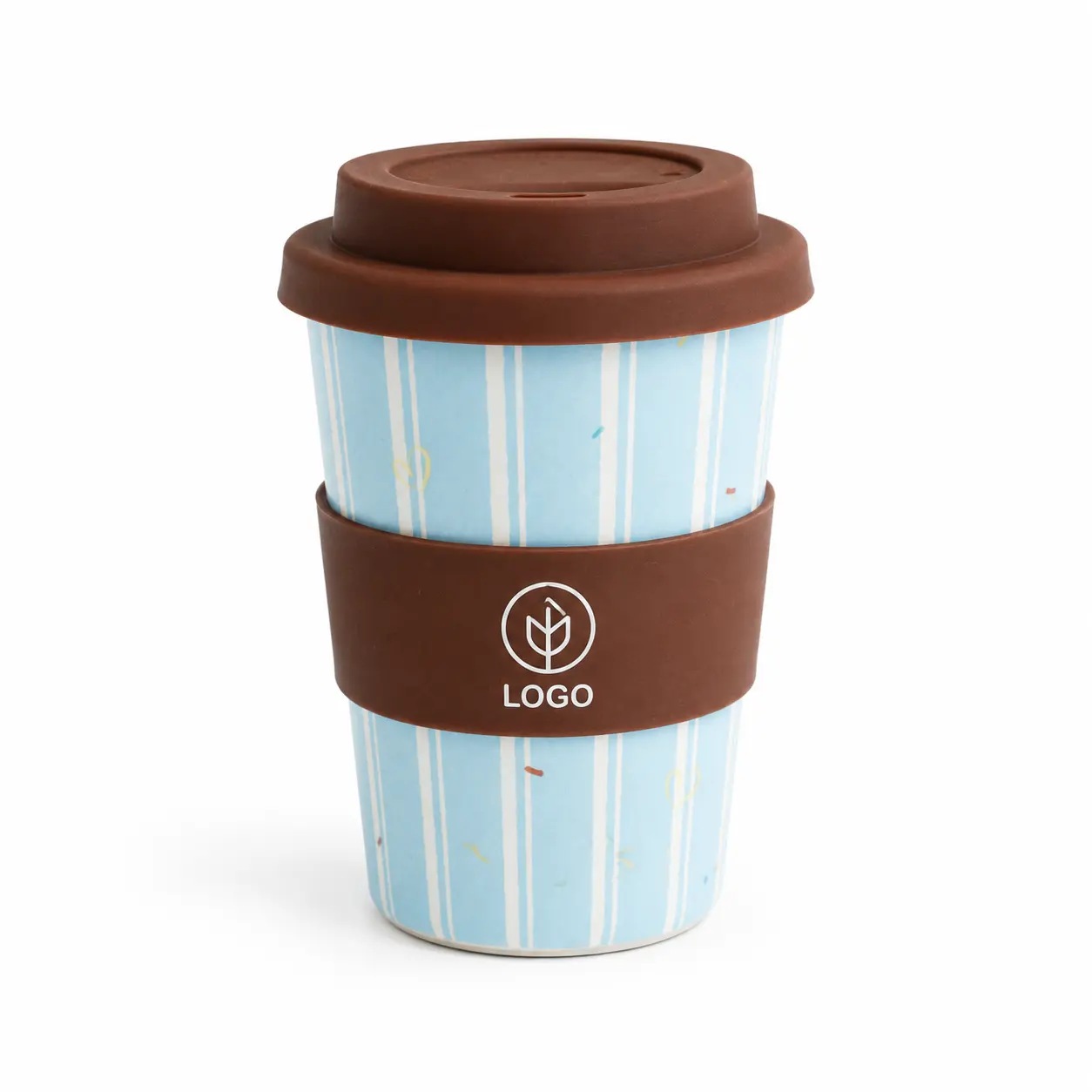
Sustainable Homeware Reusable Bamboo Fiber Cup BPA Free Biodegradable Eco Drinking Cup
Answers to common questions regarding regulatory compliance, manufacturing operations, logistics, and cost structures.
Stay updated with our recent publications on eco-friendly materials, product innovations, and sustainable manufacturing practices.
As households focus on sustainable alternatives, bamboo fiber products are seeing increased interest. This article highlights the environmental benefits and uses of bamboo materials in home goods.
Explore the functional benefits of bamboo fiber products, focusing on thermal properties, durability, and low environmental impact compared to single-use plastics.
An informative guide examining the environmental effects of single-use plastics and analyzing how transitioning to sustainable fiber alternatives helps lower carbon footprints.
A selection of our wider apparel and textile collection, showing our manufacturing capabilities from activewear to everyday essentials.
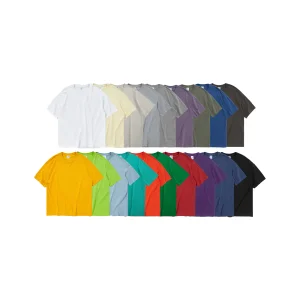
Mens Streetwear OEM ECOGARMENTS 200g Spring Summer Oversize Dropped Shoulder Tee
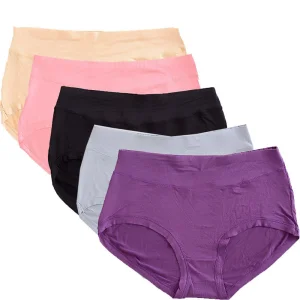
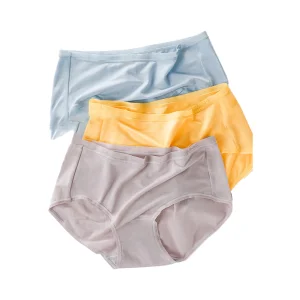
Intimate Wear Famous Women's Bamboo Underwear Manufacturers, Companies
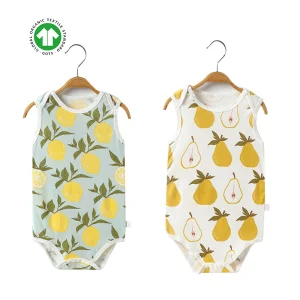
Infant Essentials Wholesale ECOGARMENTS Summer Baby Triangle Romper Organic Cotton