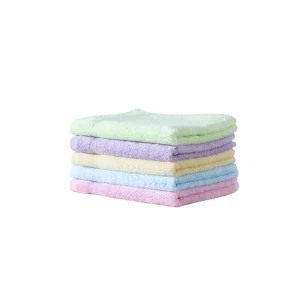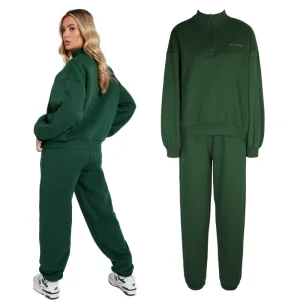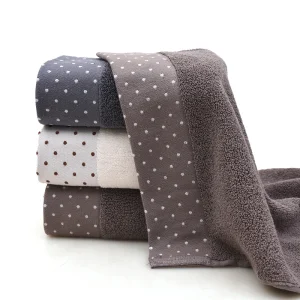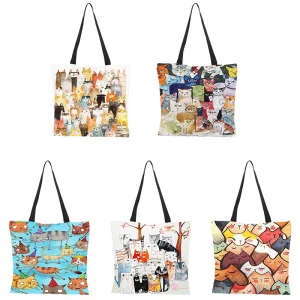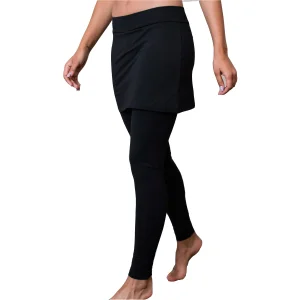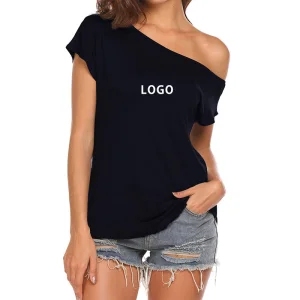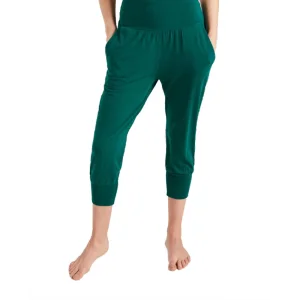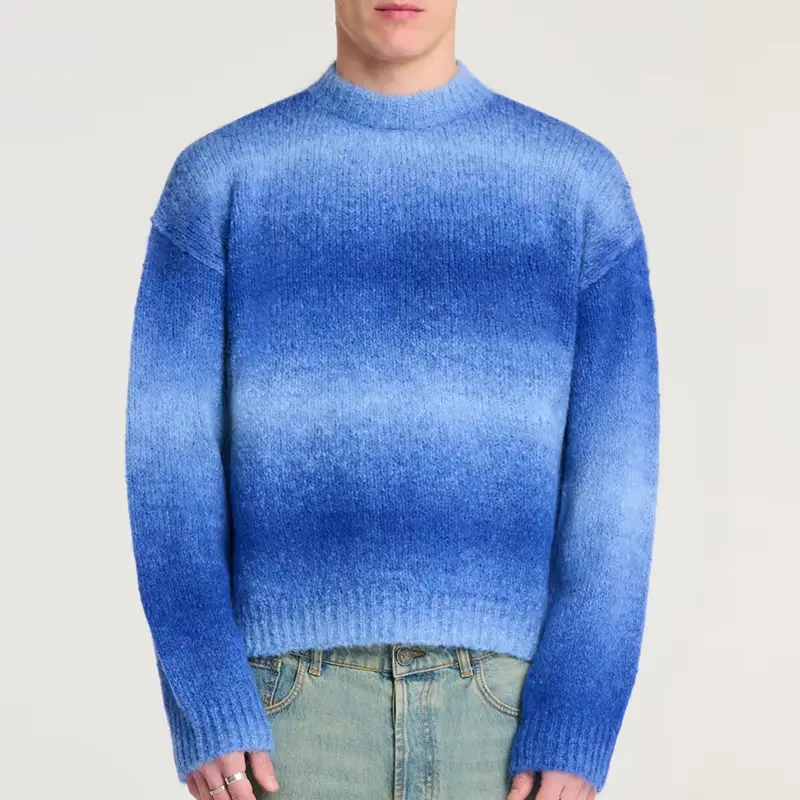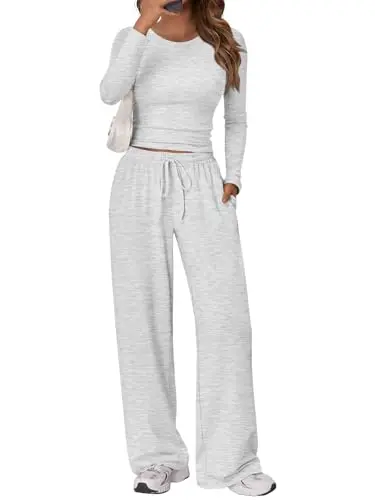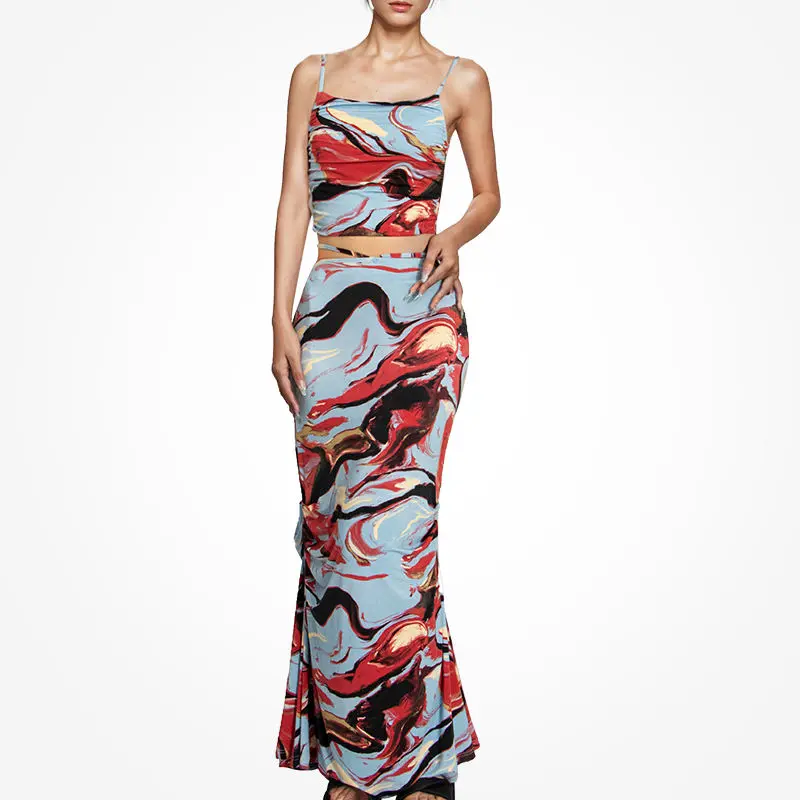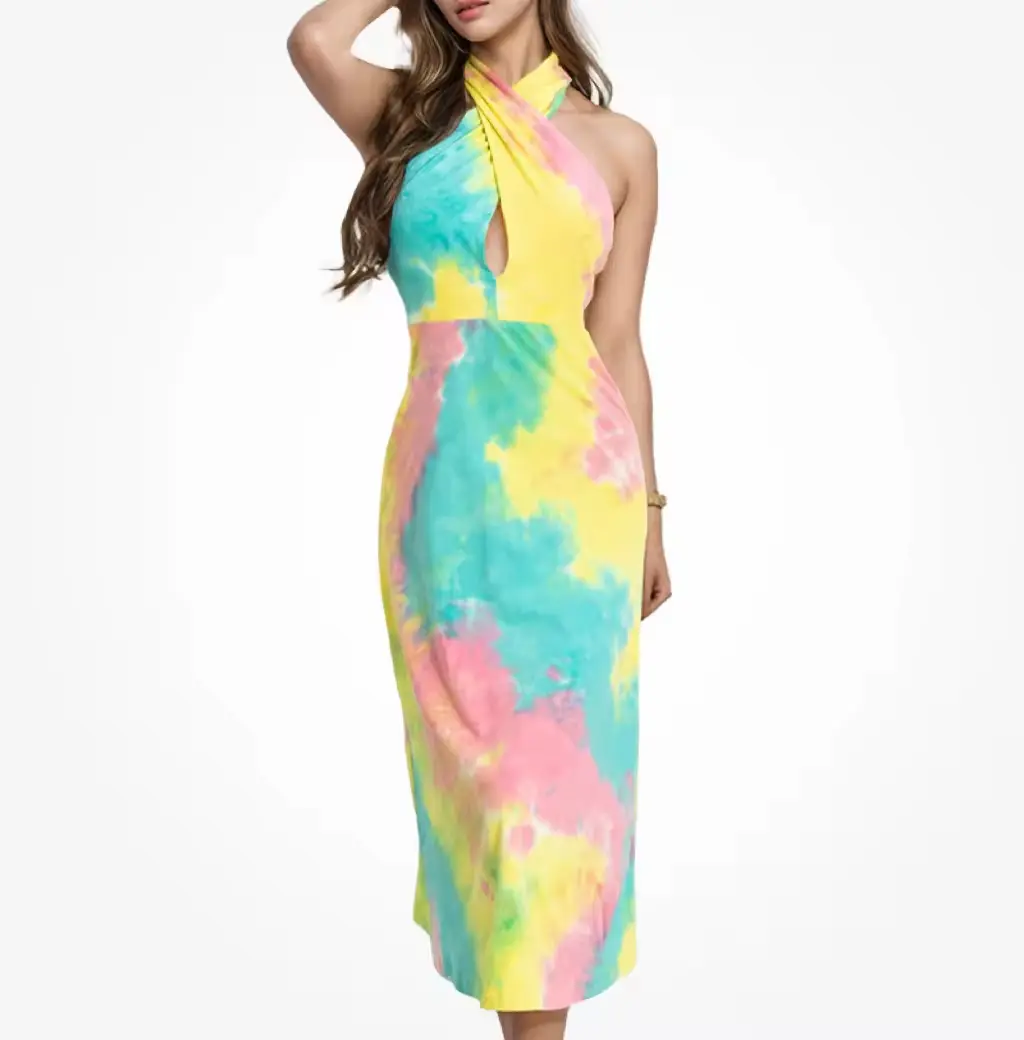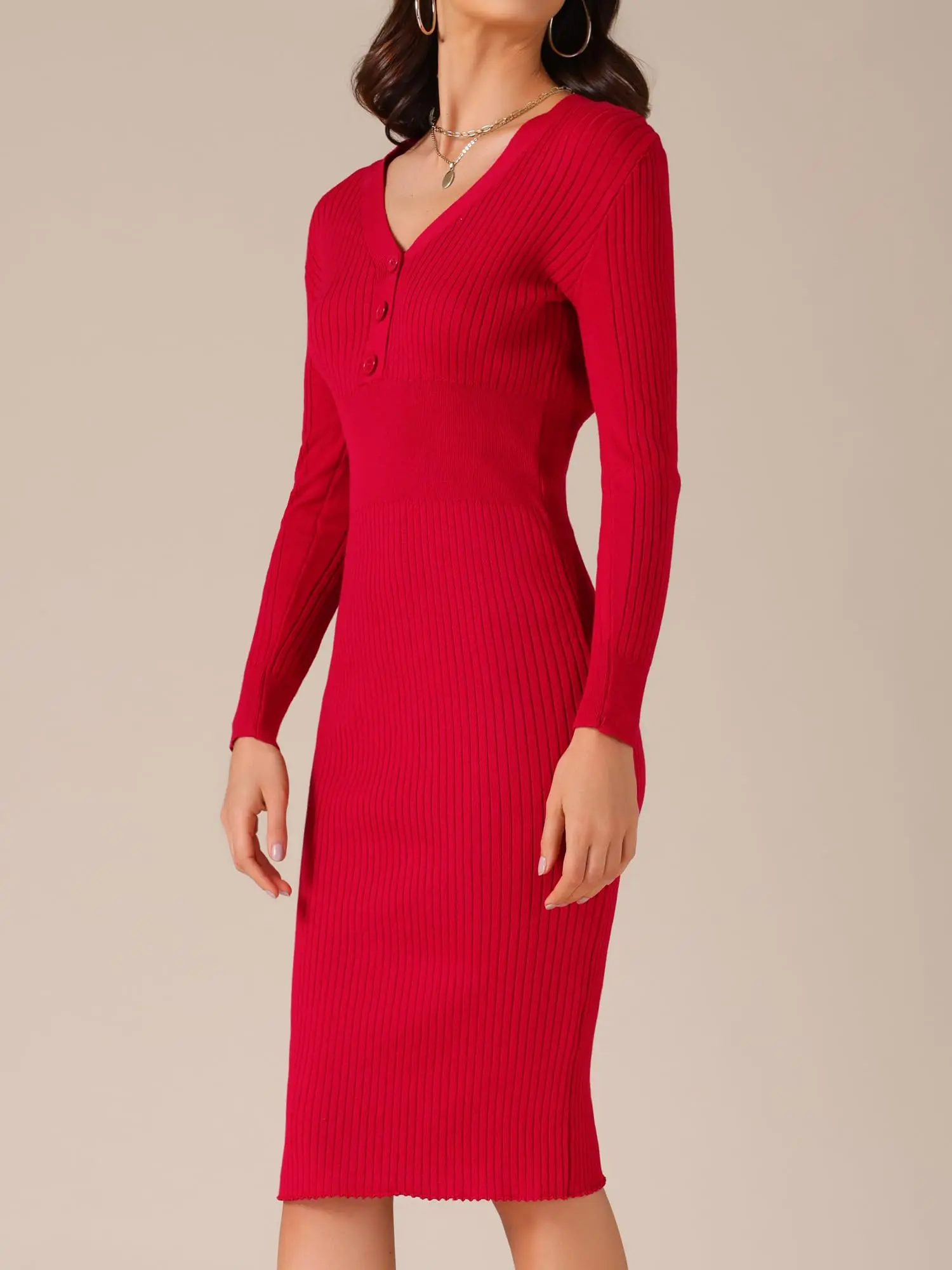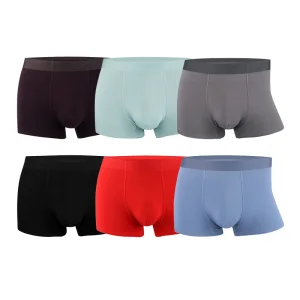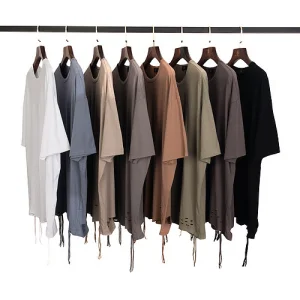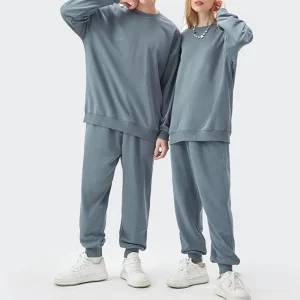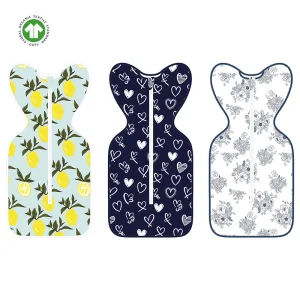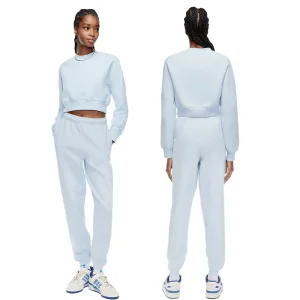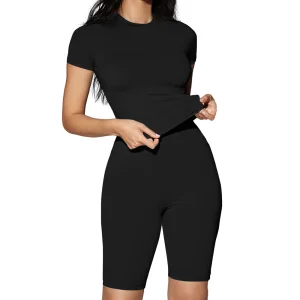
Explore our top-selling custom children's bamboo fiber wear, lightweight cotton pieces, and baby set essentials manufactured to the highest international safety standards.
An analytical review of structural trends in global sustainable infant wear, material sourcing, and production engineering.
The global baby apparel market has entered a transformative era. Driven by growing consumer awareness of sustainable textiles and a rise in pediatric skin sensitivities, international brands are rapidly pivoting away from synthetic fibers. Today, the focus is squarely on natural alternatives, such as certified organic cotton and advanced bamboo fiber blends. Historically, the infant clothing market relied on price-optimized polyester and heavily treated conventional cotton. However, modern B2B buyers—ranging from independent luxury baby boutiques to multi-national retail chains—must now align their product lines with rigorous safety metrics and ecological corporate mandates.
China is at the center of this paradigm shift. Representing over 40% of the world’s textile and apparel output, China's baby clothes manufacturers have migrated up the value chain from basic CMT (Cut, Make, Trim) factories to highly integrated R&D hubs. These hubs provide vertical solutions spanning from agricultural sourcing of raw materials to automated garment assembly, lab compliance testing, and custom localized logistics. The synergy between agricultural fiber extraction (particularly in fertile bamboo-producing provinces) and state-of-the-art weaving facilities enables Chinese manufacturers to secure stable raw material pricing and uninterrupted supply lines, even during macroeconomic disruptions.
Modern factories utilize vertical integration to minimize lead times. By keeping raw fabrics in stock and employing digital pattern grading, manufacturers can reduce the sample-to-production lifecycle by up to 35% compared to traditional models.
Navigating international regulatory frameworks is critical. Chinese manufacturers align their operations with globally recognized certifications, ensuring frictionless customs clearance and market entry for Western brands.
Innovations in bamboo-viscose and organic cotton spinning produce yarns with superior tensile strength, breathability, and natural antibacterial properties, ideal for sensitive infant skin.
At Ecogarments, we care about Apparel, about the people who wear them, and the people who make them. We believe that success is not measured solely in money, but in the positive impact we have on those around us and our planet.
We are passionate. We are pure. We challenge those around us to take responsibility for their ecological footprint. And we always strive to think outside the box to build a lasting business case for sustainable, good quality Apparel.
Our manufacturing processes are designed to support a circular economy. From recycling cooling water in our dyeing facilities to replacing plastic tags with biodegradable seed paper, we ensure that every stage of our supply chain minimizes environmental degradation.
As a premium apparel manufacturer, we prioritize natural and organic materials, avoiding plastic and toxic chemicals to protect both infant health and the environment.
Supporting sustainable B2B businesses globally with reliable design, compliance, and after-sales support.

We always strive to think outside the box to build a lasting business case for sustainable, good quality Apparel. Our materials help brands reduce their carbon footprints.
View More →
With the help of Ecogarments' R&D team, we provide design, prototyping, model shooting, and final packaging services to streamline your launch process.
View More →
Our fabrics are certified by Control Union, and all dyestuffs are AOX and toxin-free. We design and develop products to meet strict international standards.
View More →
With 10+ years in eco-friendly textiles, our 4,000+ sqm factory supports complete production lines, ensuring stable, large-scale supply chains.
View More →
We monitor industry trends and publish updates on social media, helping our clients stay informed of emerging designs and material innovations.
View More →
From online retail setup support to marketplace distribution advice, we offer comprehensive logistics and post-purchase solutions for your brand.
View More →How advanced fiber engineering and ecological compliance guarantee the purity of baby apparel.
Understanding the molecular properties of organic fibers is essential for brand positioning. For example, bamboo fiber is processed either as bamboo viscose (using a closed-loop system where 99% of organic solvents are recovered and reused) or as mechanically crushed bamboo linen. For infants, bamboo viscose is preferred because of its smooth, round fiber structure, which minimizes mechanical irritation to delicate skin. When blended with long-staple organic cotton (typically in a 70% bamboo, 30% cotton ratio), the resulting fabric balances the soft drape of bamboo with the structural durability and washing resilience of cotton.
The manufacturing process also involves advanced dye-fixation techniques. Standard commercial dyes often contain azo compounds, heavy metals, and formaldehyde, which can leach when exposed to infant saliva or sweat. At our facilities, we utilize AOX-free (Absorbable Organic Halogens) and toxin-free low-impact reactive dyes. These dyestuffs chemically bond with the cellulose molecules of the cotton and bamboo fibers, resulting in high colorfastness to washing and saliva exposure while remaining free of skin-sensitizing allergens. This chemical stability is verified under testing protocols like OEKO-TEX Standard 100 Class I (specifically designed for babies and toddlers up to 36 months).
Furthermore, our technical roadmap incorporates mechanical finishing techniques over chemical softeners. Instead of coating fabrics with silicone emulsions to achieve softness, we apply physical bio-polishing enzymes and high-pressure steam relaxation. This ensures the fabrics retain their natural breathability and high moisture-wicking capacity (absorbing up to three times its weight in water) throughout their lifecycle, keeping infants dry and comfortable.
Our flagship eco-friendly solutions, ranging from biodegradable bamboo fiber household products to luxury organic knits.
Ensuring products meet localized safety and quality standards across North American, European, and Asia-Pacific markets.
Entering international baby apparel markets requires strict compliance with localized safety regulations. In North America, the Consumer Product Safety Improvement Act (CPSIA) dictates rigorous limits on lead and phthalate content in children's products. It also requires a Children's Product Certificate (CPC) backed by third-party testing at a CPSC-accepted laboratory. Similarly, in the European Union, the EN 14682 standard regulates cords and drawstrings on children's clothing to prevent entanglement hazards. Our factory works closely with global testing organizations like SGS, TÜV, and Intertek to ensure that every production run complies with target market guidelines before leaving the port.
Physical construction is a key component of our safety protocols. Our manufacturing lines implement three major security checkpoints:
Additionally, we assist our B2B partners in designing customized care labels, warning tags, and fiber composition breakdowns written in target languages (including English, French, German, Spanish, and Japanese) to ensure compliance with local consumer protection laws.
Stay informed with the latest updates on sustainable materials and eco-friendly consumer trends.
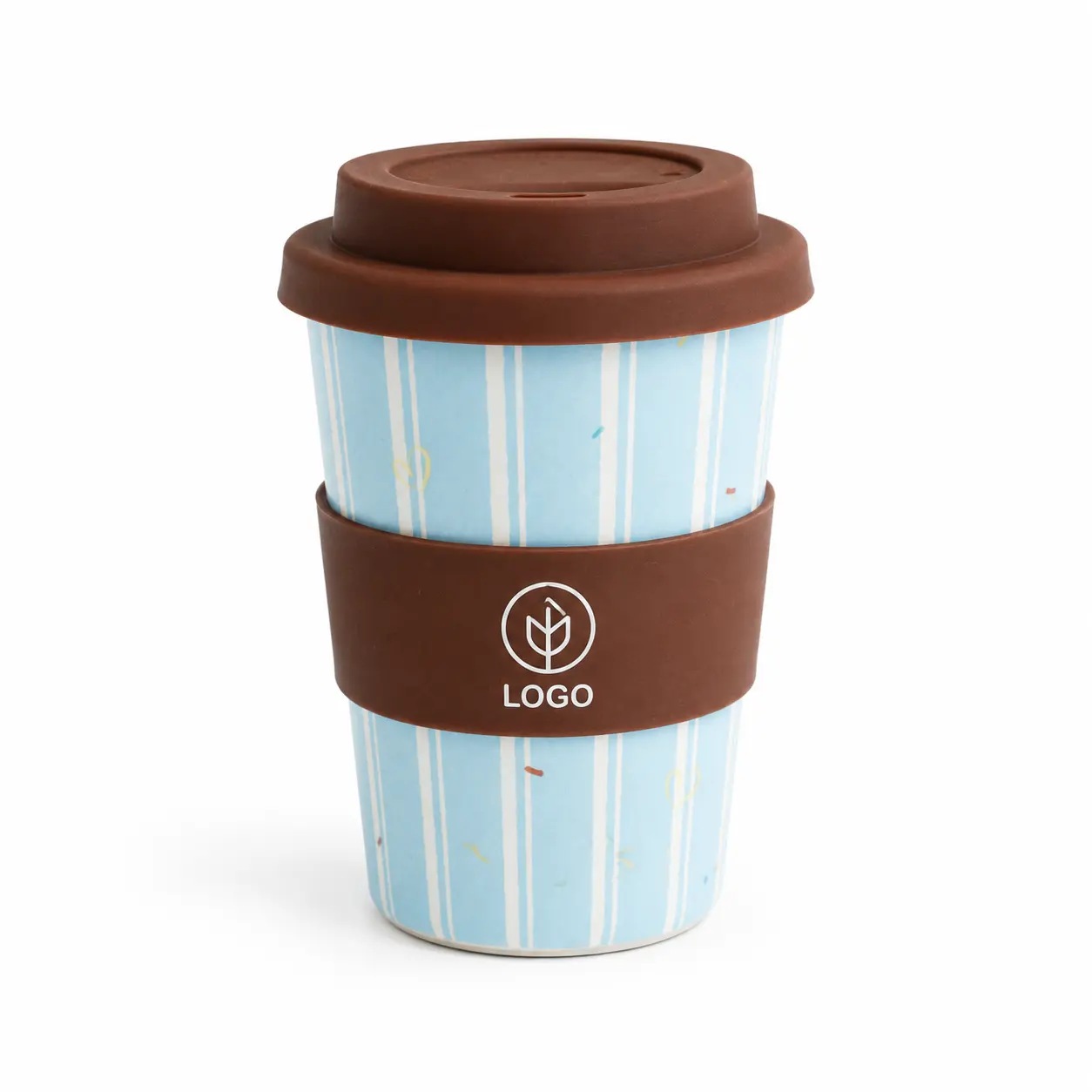
The zero-waste movement has evolved from a niche trend into a global necessity. Households worldwide are rethinking every item in their cupboards, from food storage containers to drinking vessels. In the quest for a truly sustainable kitchen, bamboo fiber cups have taken center stage as a staple...
See More →For millions of people around the world, the morning routine starts with a hot cup of coffee on the way to work. Unfortunately, this convenient habit often comes with a heavy environmental price tag: single-use takeaway paper cups lined with plastic. If you are looking to green up your daily comm...
See More →In today's fast-paced world, the environmental impact of single-use plastics has become an undeniable crisis. Millions of plastic cups end up in landfills and oceans every day, taking hundreds of years to decompose. As consumers become more conscious, the global movement toward "Plast...
See More →Answers to common B2B purchasing queries regarding customization, lead times, and material sourcing.
Our standard MOQ for custom-dyed or custom-printed baby clothes sets typically ranges from 1,000 to 2,000 sets per style, depending on the specific fabric weight (GSM) and colorway requirements. We also offer lower MOQ options for in-stock, natural-colored fabrics with custom screen prints or embroidery.
Yes, our primary fabrics (including organic cotton and bamboo blends) are certified by Control Union under the Global Organic Textile Standard (GOTS). Additionally, our raw materials and manufacturing facilities are OEKO-TEX Standard 100 Class I certified, which guarantees the finished products are free of harmful substances and safe for infants.
Proto-samples are generally delivered within 7 to 10 working days. Upon sample approval and deposit confirmation, bulk production takes between 35 to 45 days, depending on the complexity of the order and the current production schedule.
Yes, we provide full ODM/OEM services, including woven neck labels, heat-transfer care labels, branded hangtags, and eco-friendly packaging (such as FSC-certified cardboard boxes and biodegradable polybags).
Our extended range of specialized athletic wear, high-waisted bamboo leggings, cozy fleece hoodies, and organic newborn swaddles.