The global children's apparel market is undergoing a massive shift. Brands and parents alike are moving away from cheap disposable items and embracing sustainable, skin-friendly, and high-durability options. Toddler rompers represent one of the fastest-growing categories within infantwear, expected to reach a multi-billion dollar valuation by 2030. B2B buyers must navigate complex market dynamics to balance strict budget requirements with safety regulations.
Children's skin is highly sensitive and thin. B2B importers are prioritizing materials certified under global safety frameworks like Oeko-Tex Standard 100 and CPSIA. Synthetics are being phased out in favor of premium organic cotton and bamboo fiber blends.
Due to its natural breathability, antibacterial properties, and thermo-regulating features, bamboo fiber has become the premium standard for active toddlers. Brands utilizing bamboo-derived fabrics see higher retention rates and premium pricing opportunities.
Geopolitical challenges make supply chain resilience critical. Importers rely on factories that offer flexible, one-stop OEM/ODM solutions. This allows them to adjust designs, raw materials, and batch sizes dynamically to avoid overstocking.
While secondary manufacturing markets have emerged globally, Chinese apparel clusters offer unmatched supply chain integration. The speed, efficiency, and reliability of Chinese factories remain critical for competitive global brands.
From spinning, weaving, and dyeing to design, cutting, packing, and shipping, everything is handled within highly dense industrial clusters. This reduces logistical lead times from weeks to days, allowing for fast restocking cycles.
Modern Chinese factories utilize computer-aided design (CAD) patterns, automated laser cutting, and computerized sewing systems. This keeps fabric wastage minimal and guarantees precise stitching dimensions for all toddler sizes.
Leading Chinese exporters hold certifications like Control Union, GOTS, and Oeko-Tex. They maintain clear raw material tracking, ensuring peace of mind during customs clearance and strict compliance checks in target markets.
At Ecogarments we care about Apparel, about the people who wear them and the people who make them. We believe that success is not measured solely in money, but in the positive impact we have on those around us and our planet.
We are passionate. We are pure. We challenge those around us to take responsibility for their ecological footprint. And we always strive to think outside the box to build a lasting business case for sustainable, good quality Apparel.
As an apparel manufacturer, we use natural and organic materials where possible, avoiding plastic and toxic substances. We want to act as a partner in spreading a healthy, eco-friendly, and balanced lifestyle across the globe.
Over a decade of refining babywear manufacturing, streamlining sourcing processes, and perfecting fit, durability, and fabric softness.
Our expansive manufacturing facility houses over 1,000 advanced machines, ensuring high efficiency and scaling support for larger wholesale orders.
We provide full design customization, sample development, bulk production, custom labels, and professional product photography under one roof.
We prioritize organic cotton, bamboo viscose, and modal. We avoid harsh chemical processes and toxic residues to protect sensitive skin.
Our raw material inventory and manufacturing schedule are managed to prevent delays, ensuring stable wholesale pricing and reliable supply.
We analyze global babywear sales data to release monthly updates, keeping catalog offerings aligned with modern style trends.
Leveraging over 12 years of experience to meet diverse brand challenges. Here are the core pillars of our B2B apparel services:


We work to balance eco-responsibility with commercial success, building a viable business case for high-quality, sustainable apparel.


Supported by our R&D team, we cover design through final production. We also offer studio photography, model shooting, and promotional video capture.


Our raw material partners and mills are certified by Control Union. All dyes used are AOX and toxin-free, meeting international safety requirements.


Over a decade of specialty textile development allows us to maintain a stable, organic raw material supply chain across our 4,000m² factory floor.


We monitor consumer search intent and market dynamics, releasing monthly updates to help clients capture emerging seasonal demand.


We provide full support for online retailers, bulk distributors, and custom brands. We offer flexible reordering terms to help manage stock risks.
We focus on high-performance, comfortable, and environmentally friendly products. We handle design, manufacturing, and support across multiple apparel categories.
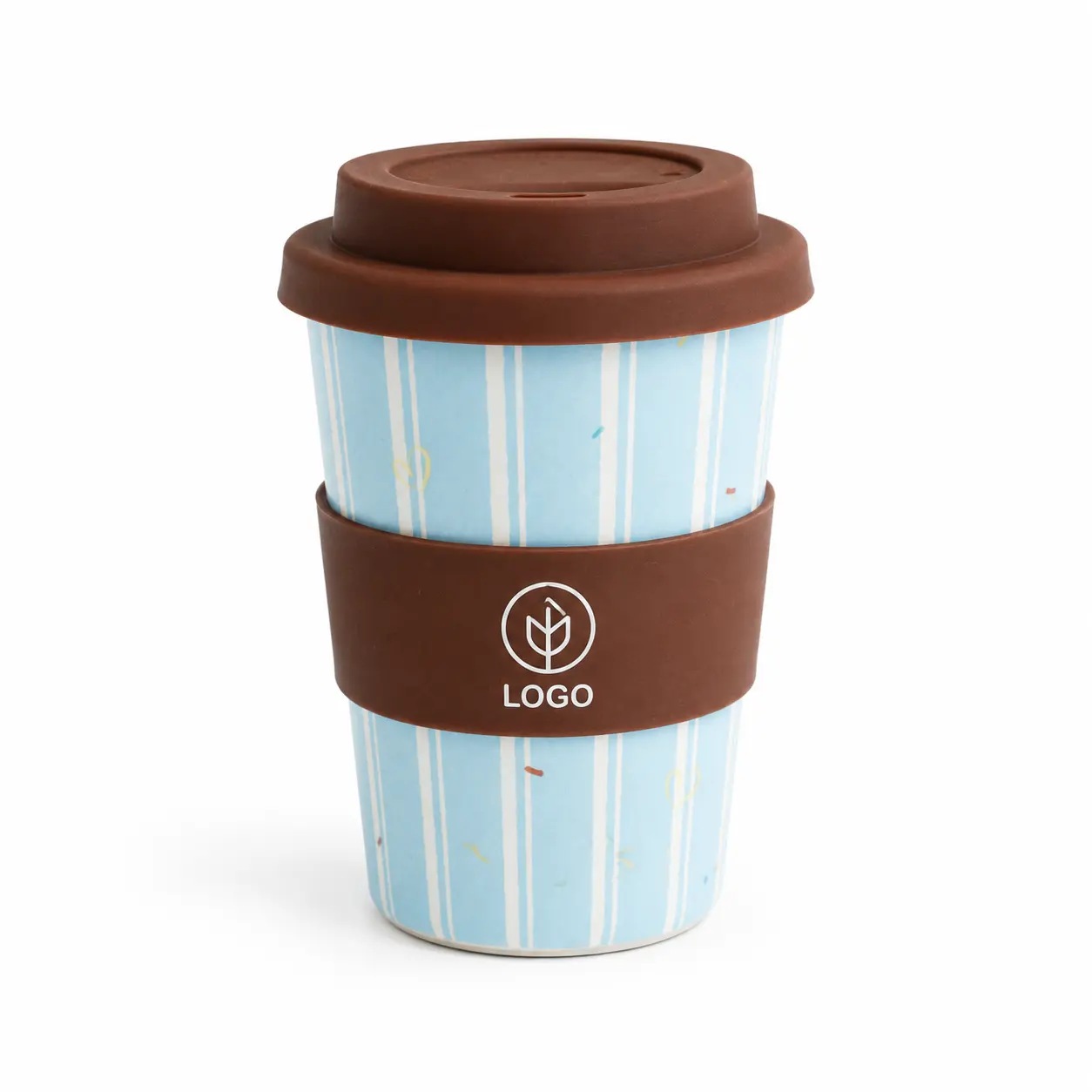
Made from rapidly renewable natural bamboo fiber, a sustainable alternative to single-use plastic cups. Free of BPA, PVC, and toxic additives, safe for everyday hot and cold beverages. Features a lightweight, break-resistant design suitable for travel.
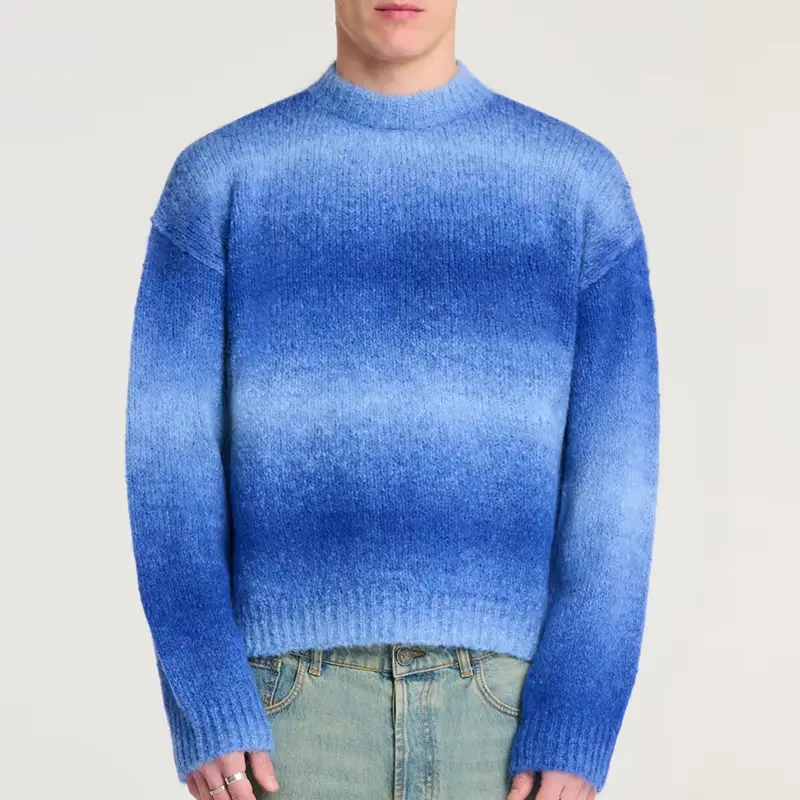
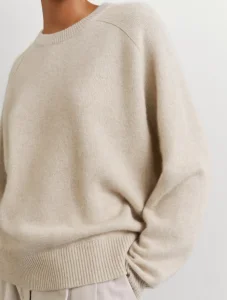
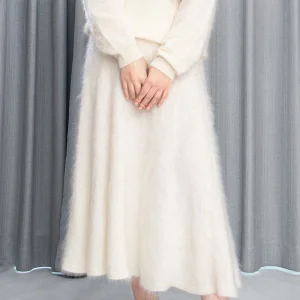
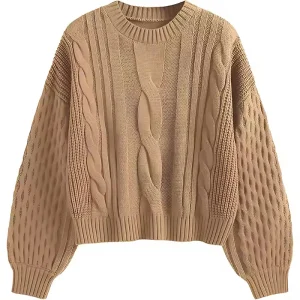
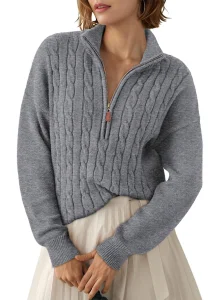
Spun from premium mohair fibers in a wide color range—from classic neutrals to vibrant seasonal shades. Customizable necklines, fit cuts, and ribbing details provide design flexibility for private label collections.
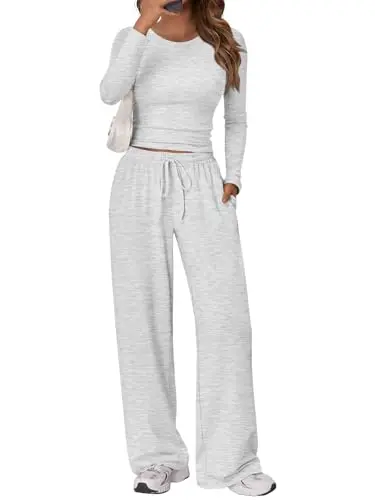
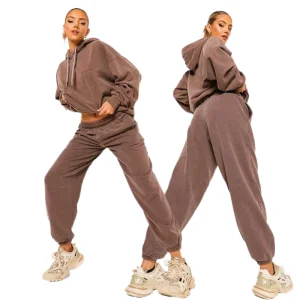
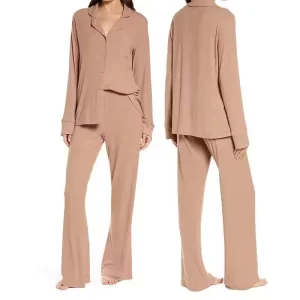
Designed for comfort and mobility without feeling restrictive. Features clean, reinforced seams and custom branding options. A versatile option suitable for homewear, light activewear, or casual wear.
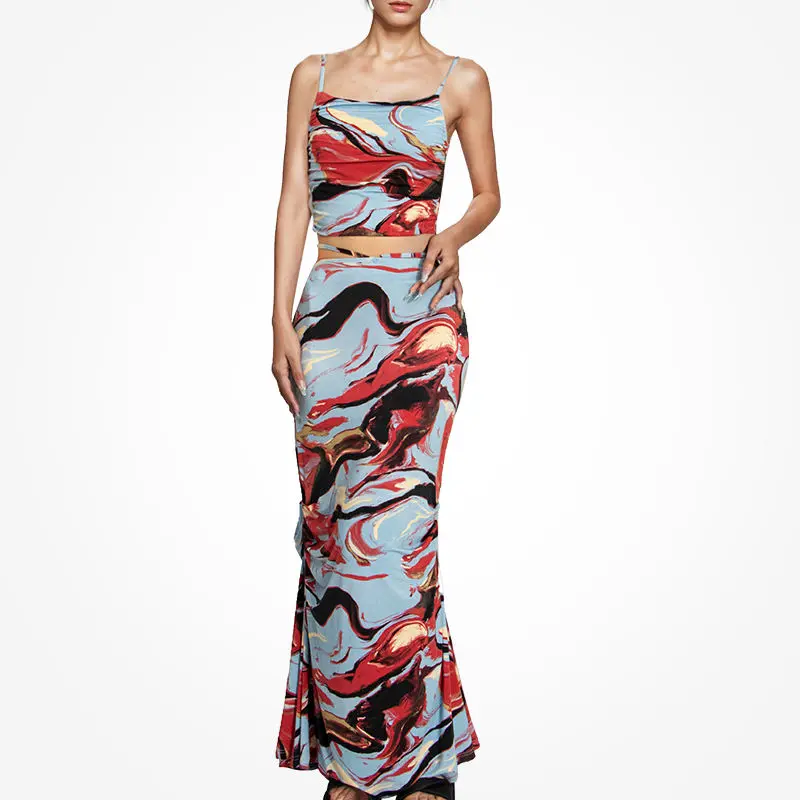
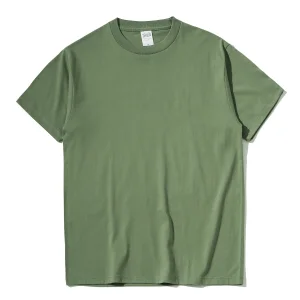
Made from soft, lightweight bamboo viscose for comfortable, everyday wear. Features clean stitching, reliable colorfastness, and eco-friendly dyeing processes.
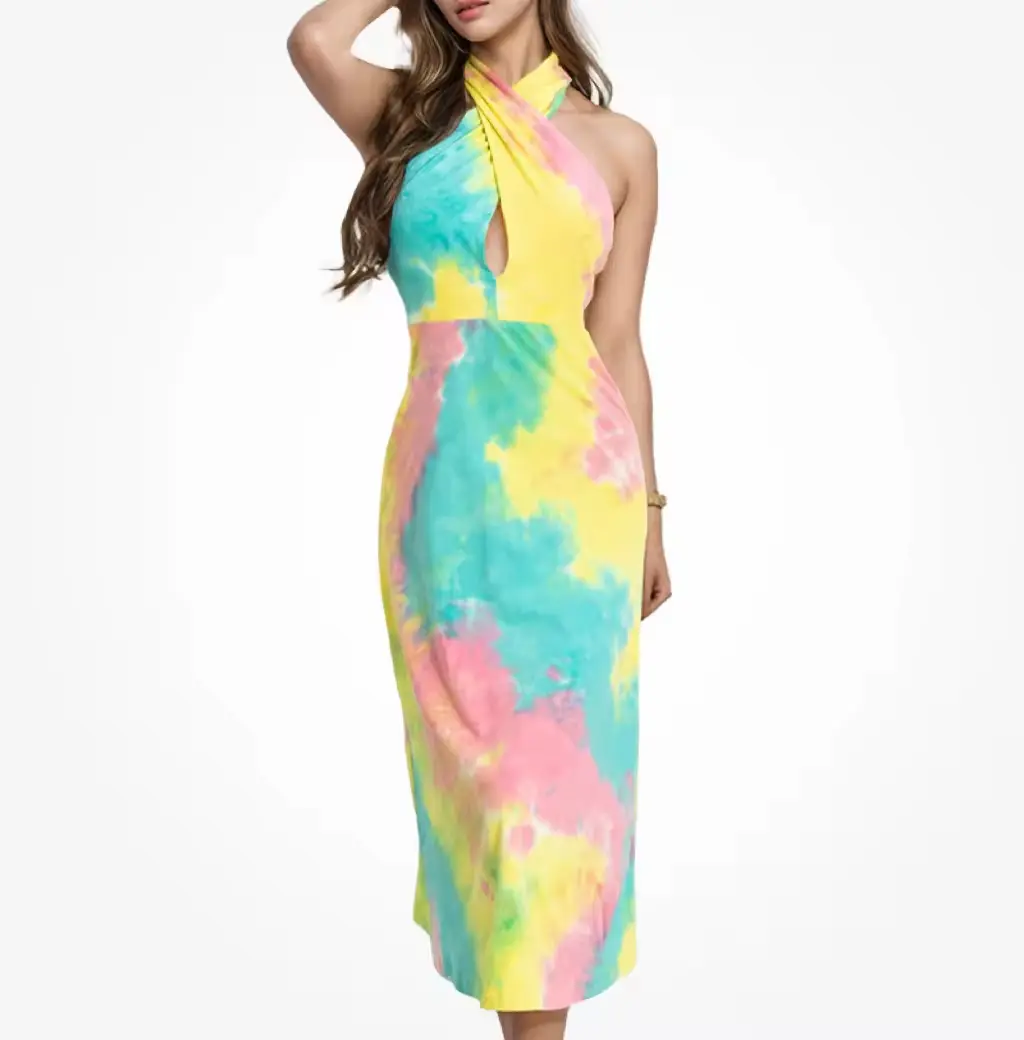
A soft, breathable bamboo-cotton blend with custom tie-dye patterns. Stretchy, skin-friendly material is ideal for warm climates and casual summer collections.
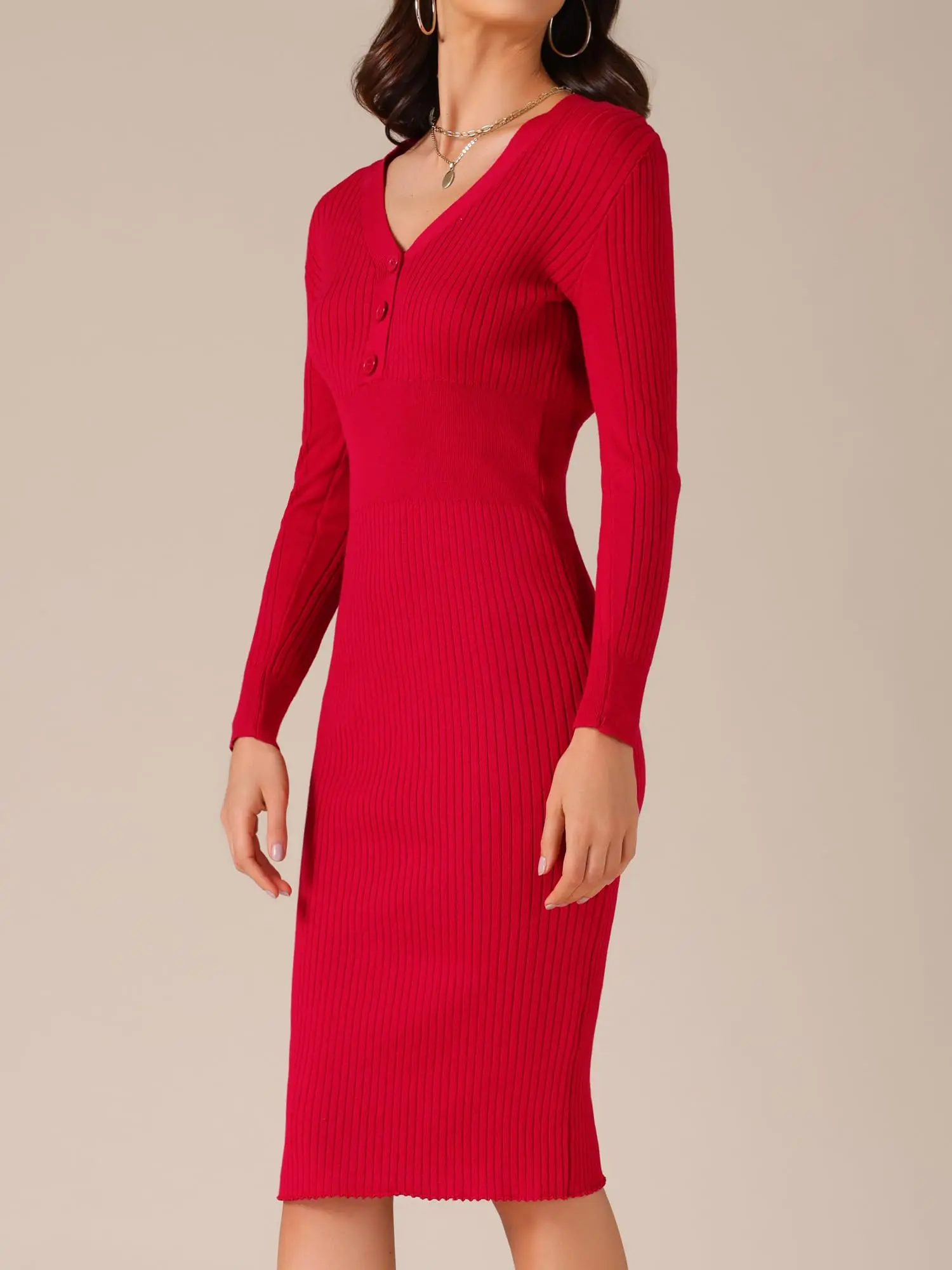
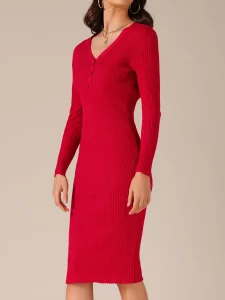
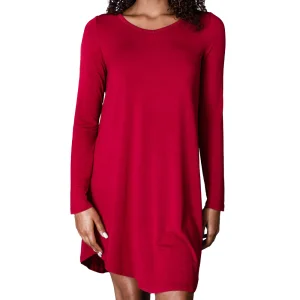
A soft ribbed knit sweater dress designed to retain its shape and resist pilling over time. Offers a comfortable balance of warmth and weight for transitional seasons.
Sourcing infant and toddler rompers requires balancing safety compliance, material quality, and cost efficiency. Unlike adult fashion, childrenswear faces strict regulatory standards. In the US, CPSIA (Consumer Product Safety Improvement Act) regulations require rigorous lead and phthalate testing, as well as flammability standards. In the EU, EN 71 safety checks apply. Meeting these criteria without raising retail prices requires a highly optimized supply chain.
Raw materials represent 45% to 60% of the manufacturing cost of a premium baby romper. Bamboo viscose, organic cotton, and modal are popular choices for children's wear due to their softness, but their prices fluctuate with agricultural yields and energy costs. Factories that maintain strong relationships with raw material suppliers can offer stable pricing to help brands navigate these market shifts.
Sourcing from Chinese industrial hubs offers significant efficiency benefits. Regions like Guangdong (Shunde, Humen) and Zhejiang (Zhili) specialize in children's wear manufacturing. These clusters bring together yarn suppliers, knitting mills, dye houses, accessory manufacturers (snaps, zippers, labels), and shipping ports in close proximity.
Modern factories utilize advanced equipment to keep costs low and quality high:
Fabric choice impacts both wear comfort and product longevity. Below is an overview of common materials used in toddler apparel:
| Fabric Type | Breathability | Durability | Skin Safety | Cost Factor |
|---|---|---|---|---|
| Organic Cotton (GOTS) | High | Excellent | Premium (Hypoallergenic) | Moderate-High |
| Bamboo Viscose | Extreme (Thermo-regulating) | High | Premium (Silky-soft) | Premium |
| Polyester/Cotton Blend | Moderate | Very High | Moderate (May cause sweat rash) | Low |
Successful sourcing relies on strong logistics management. With shifting shipping rates and capacity, brands must plan purchases strategically. Ocean freight is cost-effective for large inventory orders, but requires 30 to 45 days of lead time. For seasonal product updates, air freight offers speed (3 to 7 days) but at a higher cost. We help clients balance these costs by coordinating consolidated shipping options.
The zero-waste movement is driving household changes. Consumers are looking for safe, sustainable alternatives to plastic cups and kitchenware.
Replacing single-use paper cups with durable, reusable bamboo fiber alternatives helps reduce waste during daily routines.
As microplastics become a growing concern, switching to natural fiber-based items helps support eco-friendly lifestyles.