
At Ecogarments, we care deeply about intimate apparel, the global communities who wear them, and the dedicated craftspeople who manufacture them. We firmly believe that corporate success is not measured solely in financial margins, but in the positive, measurable impact we exert on our environment and the planet.
We are passionate. We are pure. We challenge those around us to assume absolute responsibility for their ecological footprint. And we always strive to think outside the box to build a lasting business case for sustainable, premium quality intimate apparel and lace undergarments.
Integrating clean-energy production, organic textiles, and certified compliance to power global apparel brands with stable, high-margin product solutions.

Over a decade of refining intimate knit patterns, delicate lace trims, and structural design systems to minimize defect rates and optimize comfort.

Our 4000m²+ production floor is equipped with 1000+ specialized apparel machines, ensuring massive output capability and consistency.

From raw material sourcing to packaging design and logistics, we offer a comprehensive suite of solutions tailored to your brand identity.

Specializing in organic fibers, bamboo viscose, and recycled lace fabrics to minimize your business’s environmental impact.

Vast inventories of yarn and fabrics, backed by strict contingency protocols, ensure price predictability and uninterrupted deliveries.

Our in-house design studio releases dozens of new patterns and lace concepts every month, keeping your catalog fresh and competitive.
A strategic analysis of the Chinese supply chain, sustainable material innovations, and consumer intent optimization for retail partners worldwide.
When analyzing the global supply chain for intimate apparel, China continues to command a leading market position. The primary driver of this competitive advantage is not simply cheap labor, but rather the highly integrated industrial clusters located in provinces like Guangdong (Shantou, Chaonan) and Zhejiang (Yiwu). These regions house thousands of factories specializing in everything from fine lace warp-knitting to yarn spinning, dye-house operations, and final packaging.
Modern Chinese manufacturing relies heavily on advanced Karl Mayer warp-knitting machinery. These high-speed systems produce intricate lace patterns that mimic classic European handmade styles while keeping costs scalable for global distribution. Moreover, the integration of advanced 3D scanning and computer-aided pattern nesting allows factories to reduce fabric waste by up to 18%, presenting a significant cost advantage to foreign buyers looking to purchase bulk orders without sacrificing lace edge precision.
In today’s consumer market, the demand for sustainable options is transforming the intimate apparel category. In the past, lace underwear relied almost exclusively on virgin polyester and nylon, materials derived from fossil fuels that contribute to microplastic pollution. Today, the focus is shifting toward biodegradable, recycled, and plant-based alternatives.
Ecogarments is at the forefront of this shift, utilizing bamboo fiber matrices blended with recycled nylon (Econyl) and organic cotton. Bamboo fiber offers a natural, highly breathable substrate that works perfectly in contact zones, while recycled nylon provides the structural elasticity and tension retention required for elegant lace overlays. This combination ensures that the final garment remains soft, hypoallergenic, and durable, while reducing its overall carbon footprint.
A common pitfall in B2B sourcing is failing to account for localized sizing standards and consumer preferences. For example, Western markets (specifically North America and Northern Europe) require intimate apparel pattern blocks with wider under-band support and cup profiles that accommodate a broader range of body shapes. Standard Asian size templates often fail to translate effectively, resulting in higher return rates for online retailers.
To address this, our design teams use 3D virtual fitting simulations, modeling garments on a range of digital avatars to verify stress points and fit accuracy before physical production begins. This approach is especially valuable for inclusive sizing catalogs, where lace must stretch and retain its shape under varying tensions.
Recent global logistics disruptions highlight the importance of supply chain resilience. Procurement officers are moving away from single-source setups toward hybrid, modular sourcing structures. For businesses importing lace lingerie, we provide fully mapped carbon tracking, documented material certifications (Control Union), and transparent chemical use reporting.
By utilizing AOX-free and toxin-free dyes, our processing facilities comply with both European REACH regulations and the US Consumer Product Safety Improvement Act (CPSIA). This level of documentation streamlines customs clearance and ensures that your brand’s products meet strict environmental and safety standards worldwide.
To help sourcing managers make informed decisions, the table below outlines the performance, cost, and environmental trade-offs between traditional synthetics and modern eco-blended lace textiles:
| Fabric Material Type | Breathability Index | Skin Sensitivity Risk | Elasticity Retention | Cost Tier (USD/m) |
|---|---|---|---|---|
| 100% Virgin Polyester Lace | Low (Humid) | High Risk | Moderate (80%) | $0.35 - $0.75 |
| Recycled Nylon Lace (Econyl) | Moderate | Low-Medium | Excellent (95%) | $0.85 - $1.30 |
| Bamboo Viscose & Cotton Lace | Superior | Hypoallergenic | Good (88%) | $1.10 - $1.85 |
Explore our most popular organic cotton and bamboo fiber products, engineered for comfort and environmental responsibility.
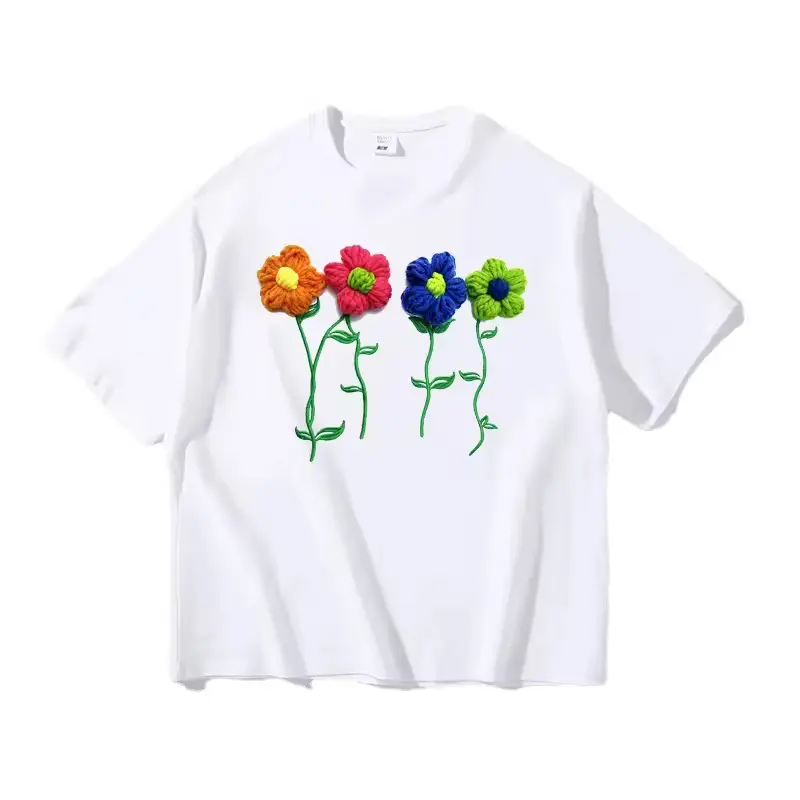
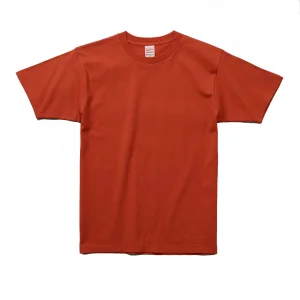
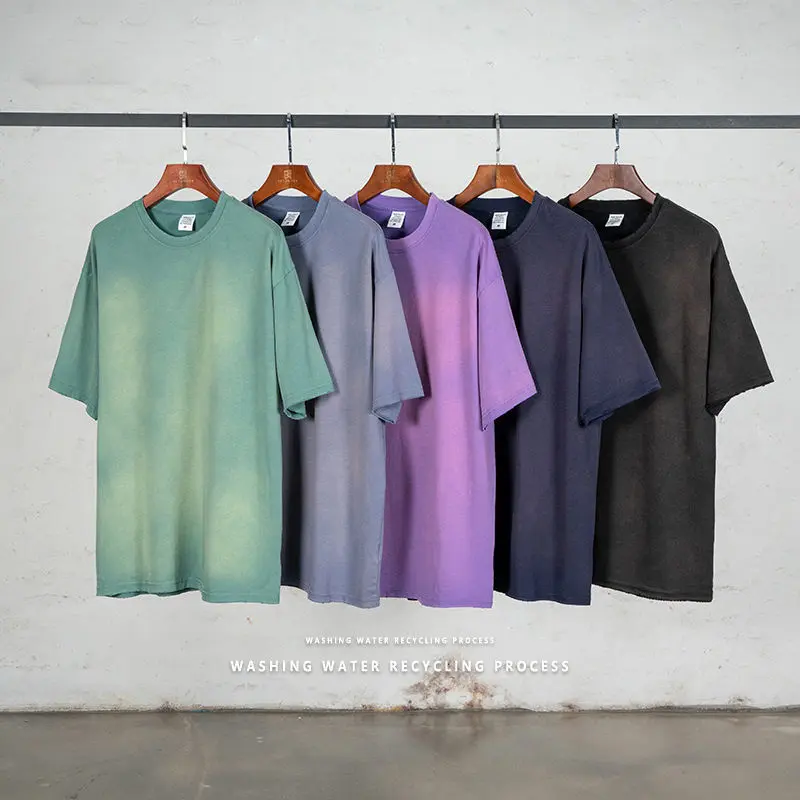
Heavyweight jersey fabrics for durable streetwear collections.
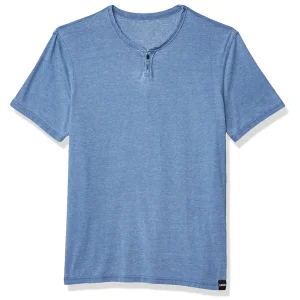
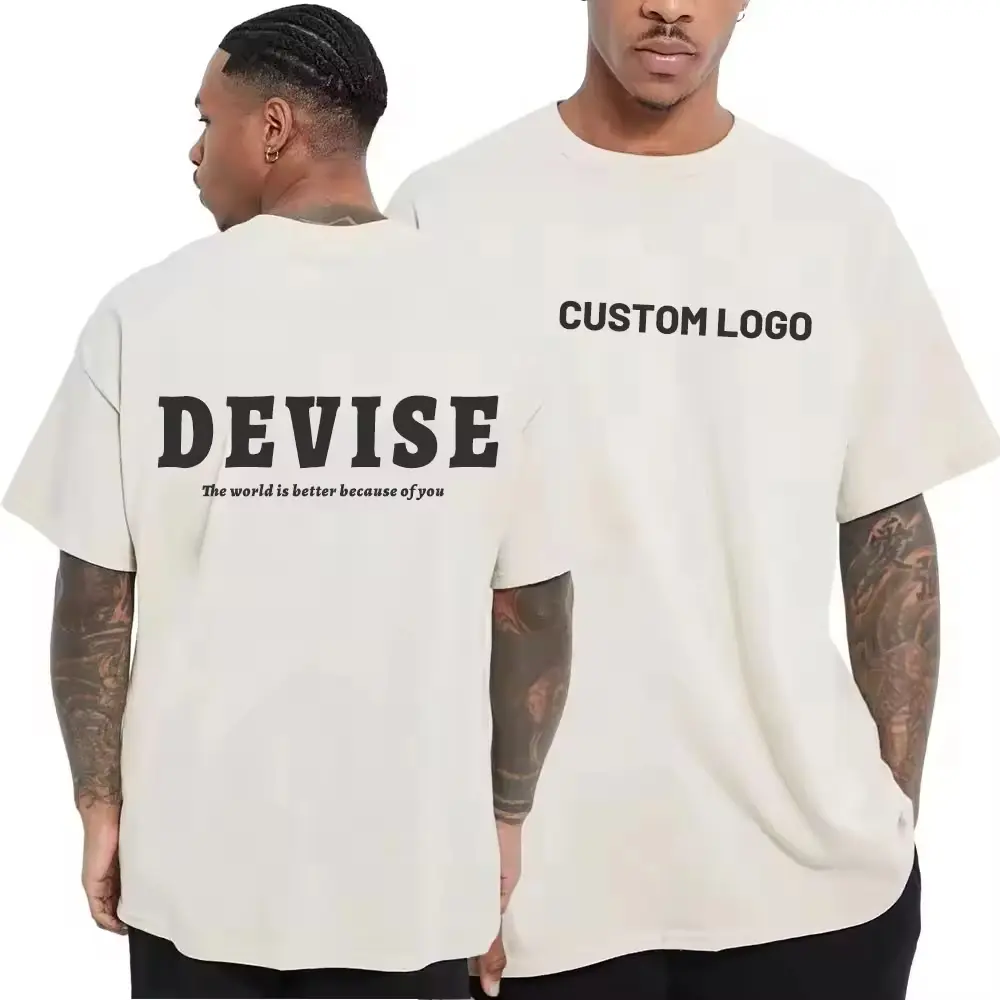
Breathable slub textures designed for high summer comfort.
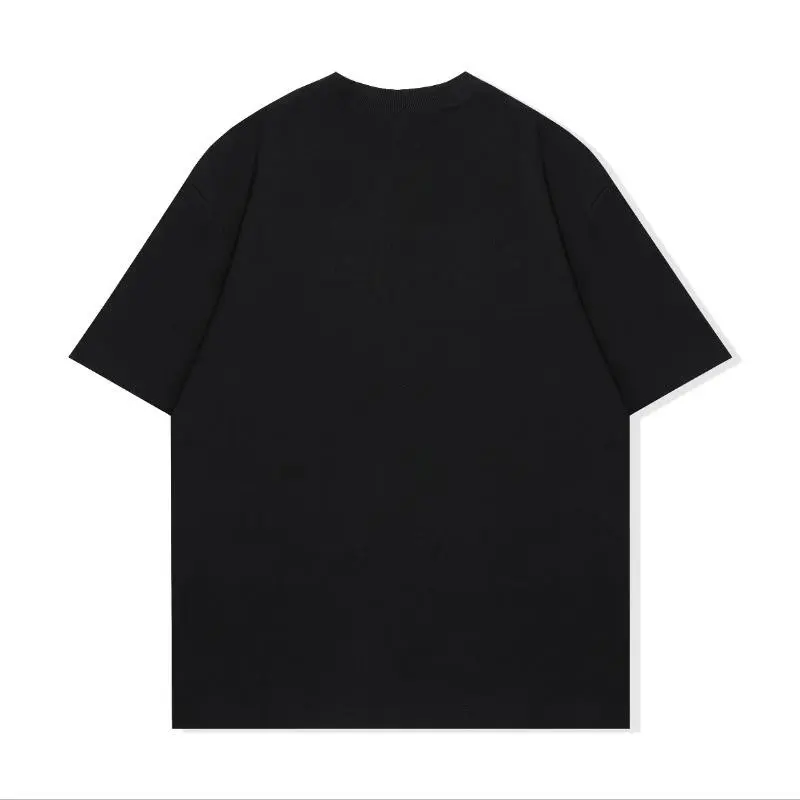
Premium knitwear with tailored silhouettes and modern fits.
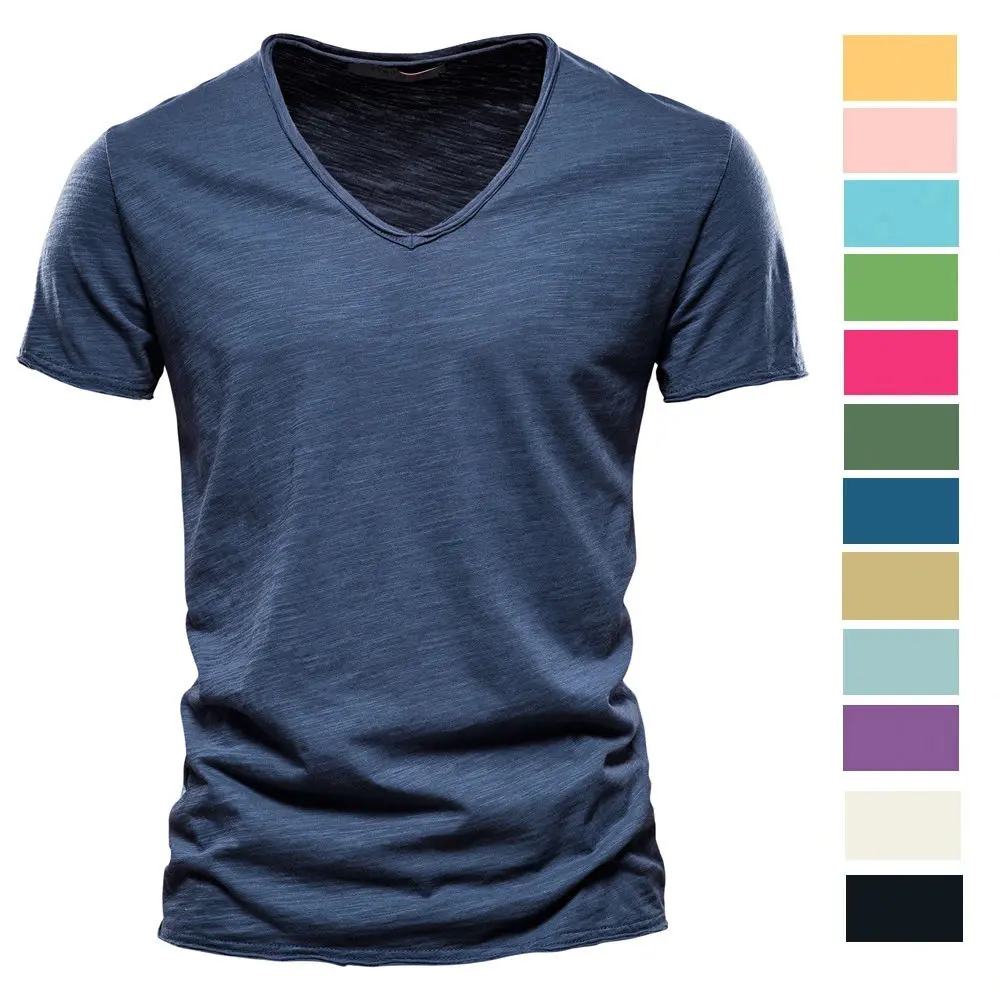
Certified organic materials manufactured without toxic chemicals.
Silky feel, natural odor resistance, and active moisture management.
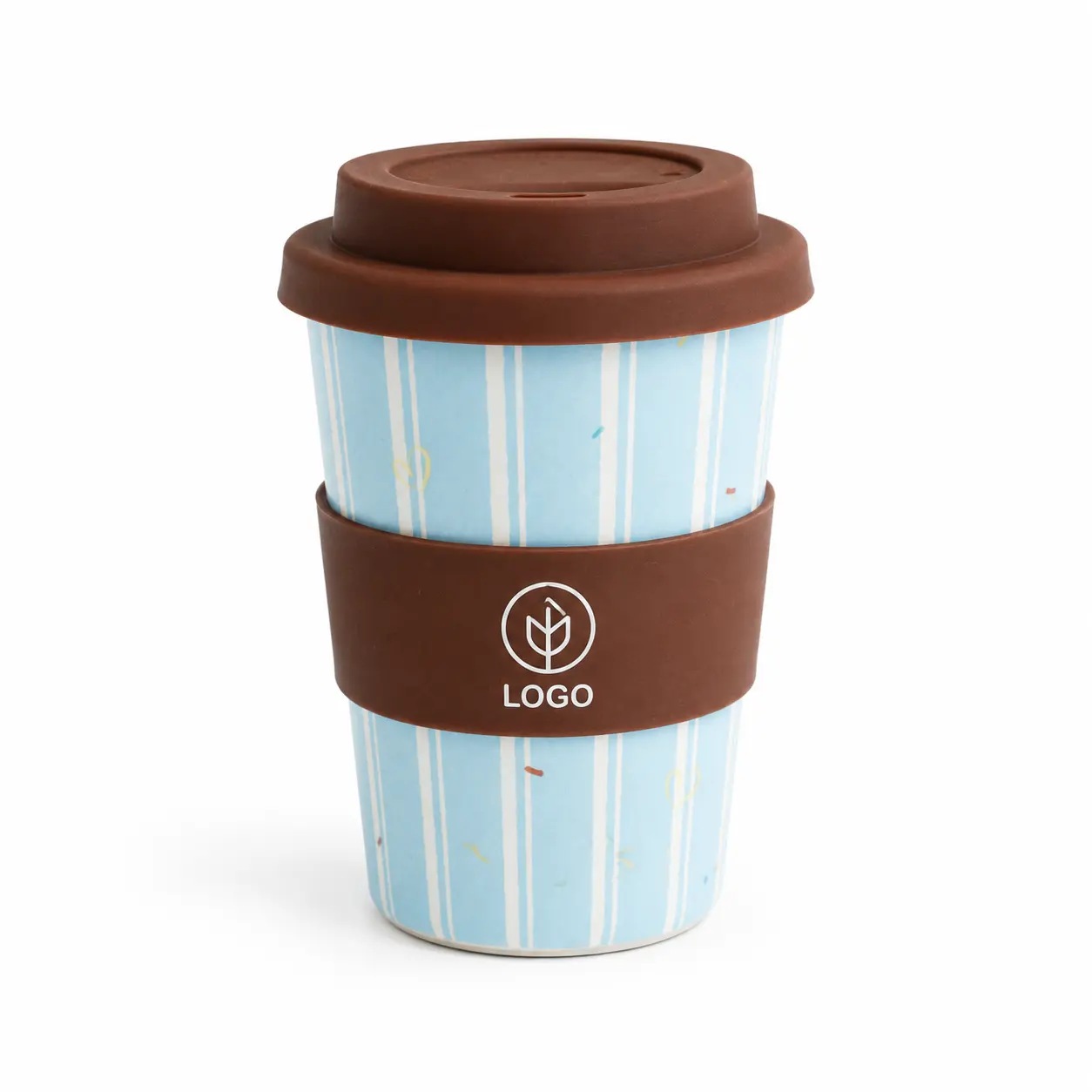
Biodegradable table accessories promoting a zero-waste lifestyle.
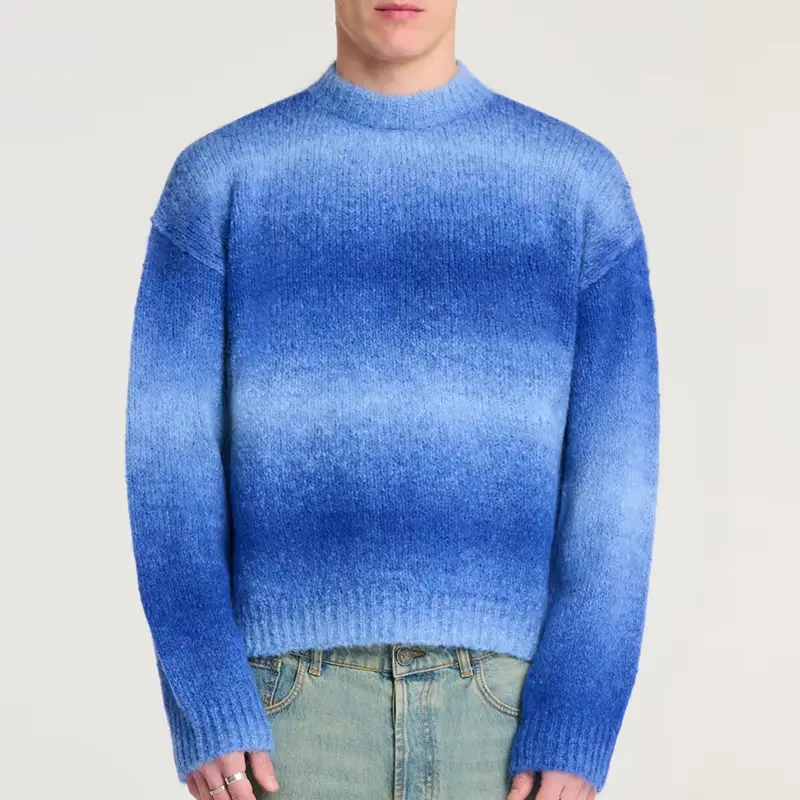
High-precision embroidery and printing for branding consistency.
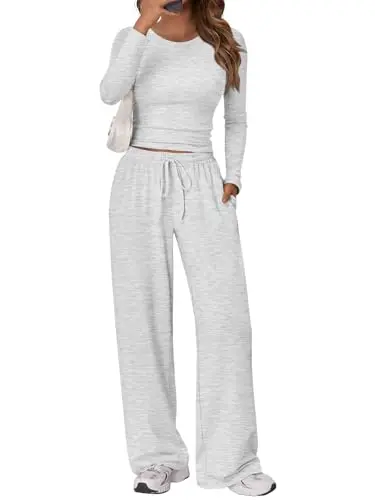
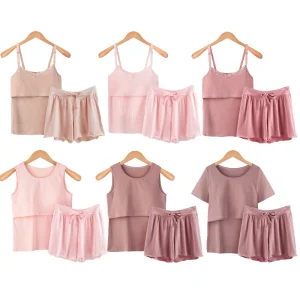
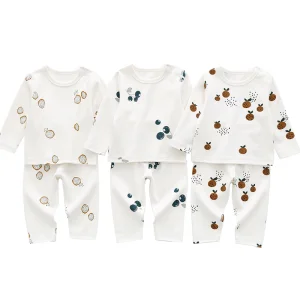
Premium loungewear combining modern silhouettes with eco-fibers.
With more than 12 years of specialized manufacturing experience, we offer comprehensive services to elevate your brand’s product offerings.


We design for durability and circularity, helping brands build viable models around sustainable, premium-quality apparel.


We provide complete product development, including video capture and model shoots, to streamline your launch process.


Our materials are certified by Control Union, and all dyestuffs are AOX and toxin-free to meet global import regulations.


Equipped with advanced machinery to handle custom development and scale production runs efficiently.


We monitor shifting consumer styles globally to help keep your product catalog relevant and highly competitive.


From initial design consults to delivery logistics and after-sales support, we keep your inventory flow consistent.
Explore detailed specifications and fabric benefits of our trending B2B product collections.
BPA-free, biodegradable drinking cups made from renewable bamboo fibers. Lightweight, durable, and naturally insulated for sustainable daily use.
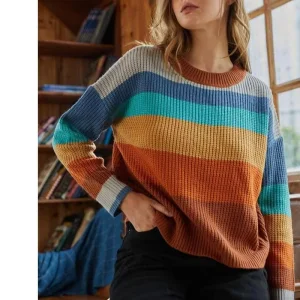
Premium mohair yarn blends available in custom colorways. Designed with structured necklines and ribbed hems for long-lasting shape retention.
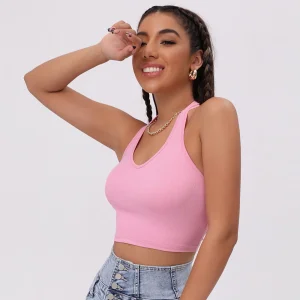
A versatile casual set designed for a comfortable fit without constriction. Tailored to highlight the collarbone line, offering modern everyday comfort.
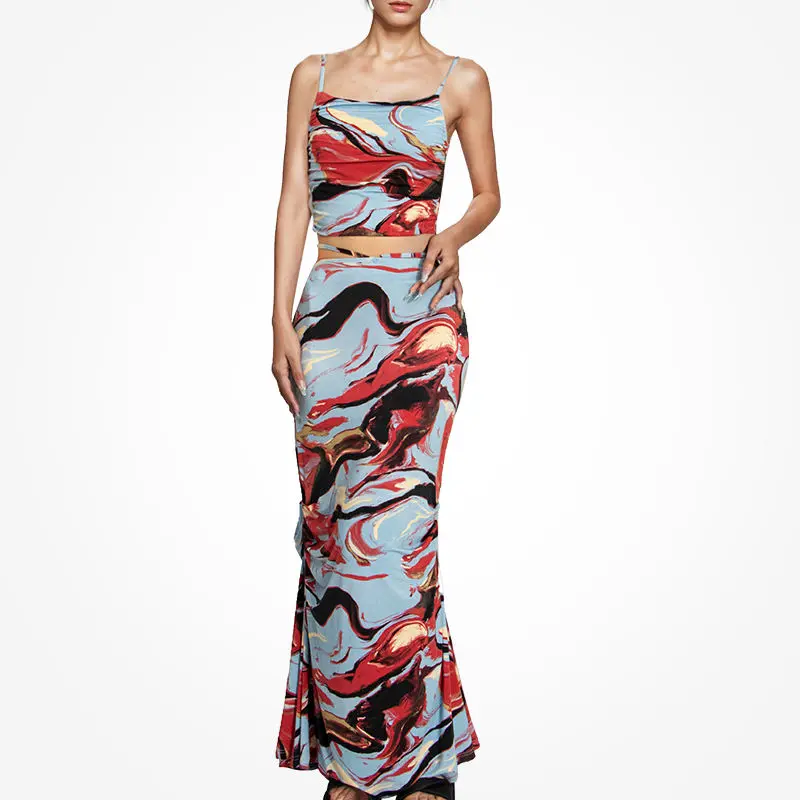
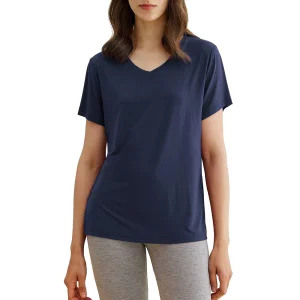
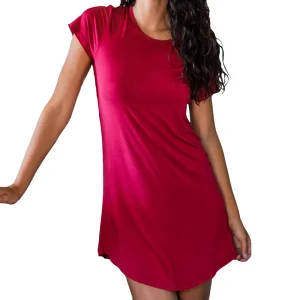
Crafted from silky bamboo viscose blends for a soft, fluid drape. A highly breathable option designed for warm weather wear.
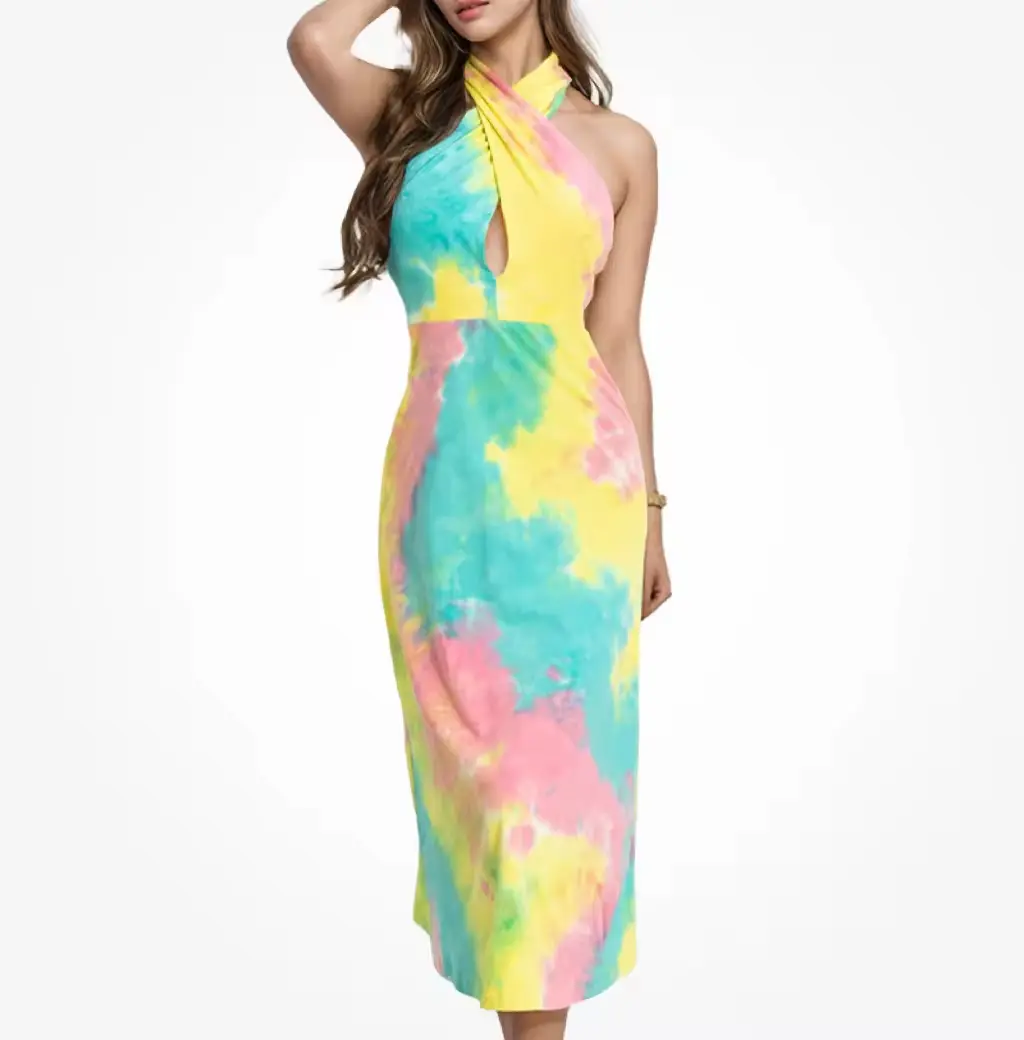
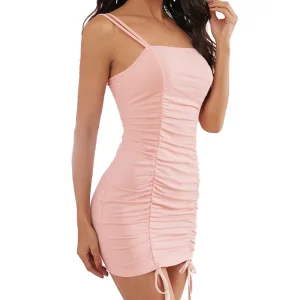
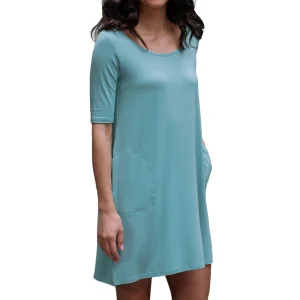
Features a breathable fabric blend with a tailored neck profile and side-gathering details for a flattering, comfortable drape.
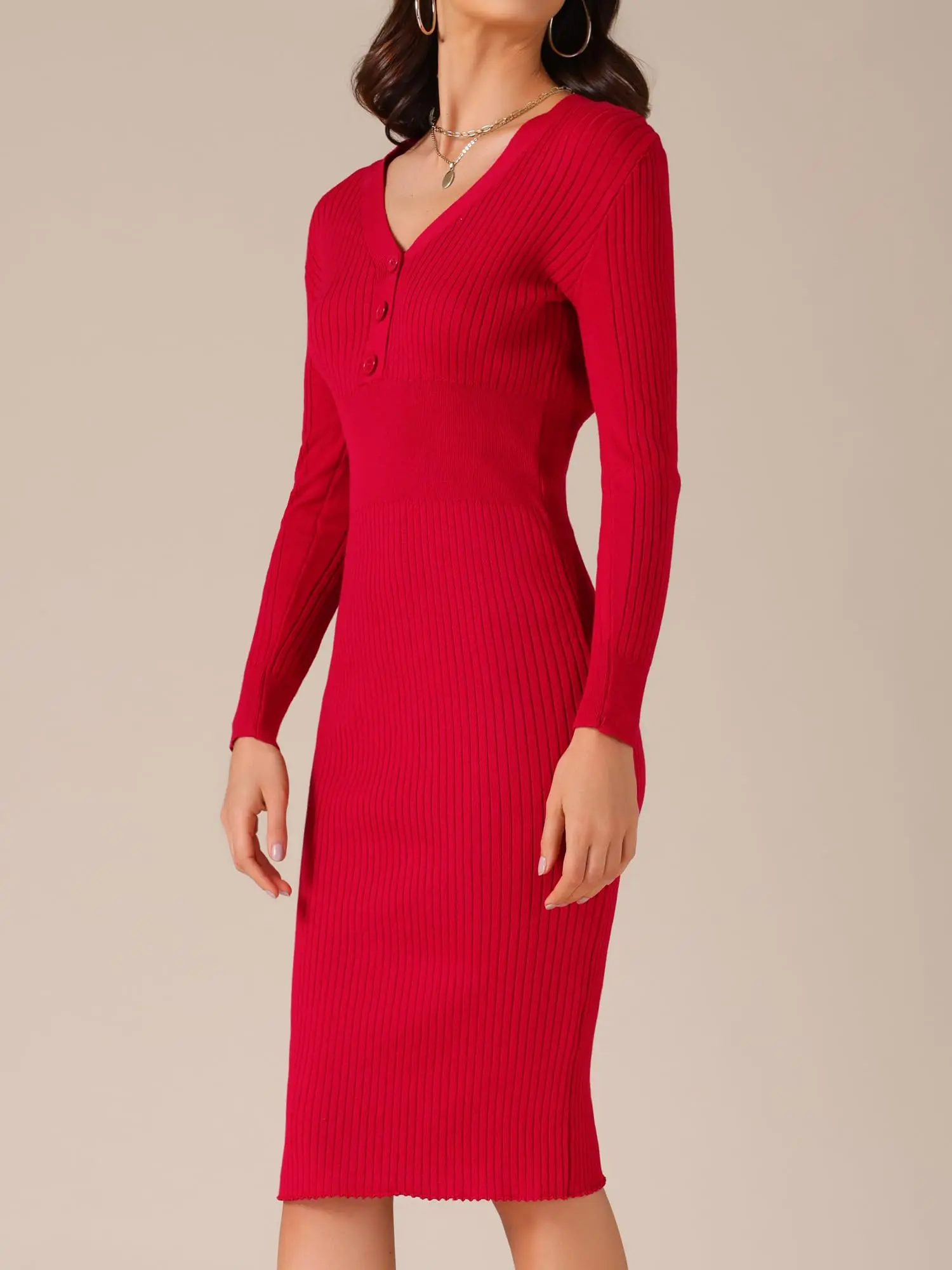
Knitted from low-pilling fibers to maintain texture wash after wash. An elegant seasonal staple offering both warmth and comfort.
Critical operational answers covering MOQs, sustainable materials, compliance certifications, and customs handling.
Stay updated with the latest research on sustainable materials and eco-friendly packaging solutions.
An in-depth look at how households are switching to biodegradable tableware options, driving a global shift away from single-use plastics.
Highlighting the environmental impact of plastic-lined paper cups, and how reusable bamboo options offer a clean, sustainable alternative.
A comprehensive guide on consumer decisions driving the adoption of plant-based materials to combat global plastic accumulation.