Industrial Context & Market Analysis: The Era of Compliant Maternity Workwear
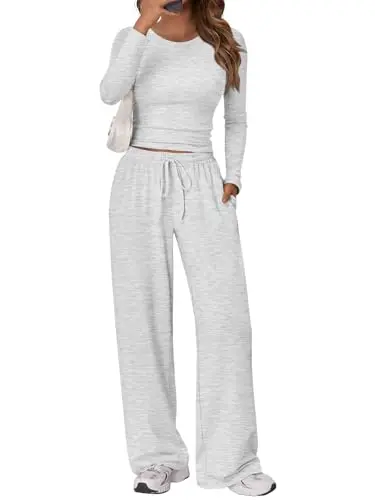
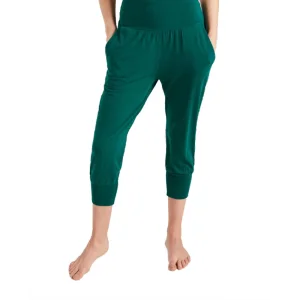
The global landscape for occupational health and safety (HSE) is undergoing a paradigm shift. Today's corporate environments demand clothing solutions that protect and accommodate all workforce demographics. Historically, pregnant employees in labor-intensive and manufacturing industries were forced to adapt standard, oversized uniforms, posing dynamic ergonomic and safety risks. As a result, the market demand for dedicated CE Certified Women Pregnancy Work Trousers has surged, transforming how modern factories and procurement managers design safety-compliant apparel programs.
European Regulation (EU) 2016/425 sets strict guidelines for Personal Protective Equipment (PPE). Pregnancy work trousers intended for commercial, industrial, or medical operations require certified garment constructions that protect the wearer while providing essential musculoskeletal support. In the modern workspace, compliance is not merely a formality but a standard of workplace equality and bodily protection.
Anatomical Engineering & Material Science Integration
Traditional utility trousers depend heavily on stiff seams, firm canvas weaves, and fixed zippers that place localized pressure on the abdomen and pelvis. During gestation, abdominal pressure, changing blood circulation dynamics, and shifting centers of gravity require responsive garments that mitigate fatigue and strain. This is where Ecogarments pioneers the integration of natural fibers with performance elastanes.
Combining the organic properties of sustainable bamboo fiber with premium elastomeric blends creates garments that are inherently antimicrobial, exceptionally breathable, and capable of dynamic 4-way stretching. The hygroscopic microclimate generated by bamboo fabric reduces sweat accumulation and skin micro-tears—critical concerns for expectant mothers in high-temperature logistics or industrial manufacturing facilities.
Understanding the CE Certification Framework for Maternity Garments
B2B procurement of workwear requires adherence to stringent testing frameworks. For maternity work trousers to carry the CE mark, they must satisfy specific compliance criteria:
- Ergonomics (EN ISO 13688): The garment must not restrict basic physical movements like bending, kneeling, or lifting. The waistband and abdominal panel must expand without applying excessive compressive load to the fetus.
- Non-toxicity of Dyes: OEKO-TEX Standard 100 compliance and AOX/TOXIN-free dyeing ensure that chemicals do not leach into the skin during extended physical work shifts.
- Tear & Tensile Strength: Work environments demand durability. Certified reinforced stitching ensures seams remain intact under variable physical stress.