Explore our highly requested sustainable clothing, technical knits, and eco-certified lifestyle solutions engineered for performance and comfort.
In the contemporary global fashion landscape, the "Oversized T-Shirt" has transitioned from a transient subcultural marker to a permanent pillar of modern luxury and casual dress. However, manufacturing high-performance, aesthetically precise oversized garments requires complex fabric mechanics, meticulous design patterns, and stringent safety compliance. As a premier, vertically integrated factory, Ecogarments matches structural expertise with technical innovation.
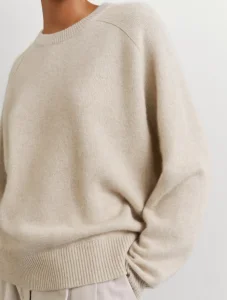
A true oversized silhouette is not merely a standard shirt graded up in size. It demands an intentional drop-shoulder configuration, a wider chest circumference, adjusted sleeve lengths to prevent an unkempt appearance, and robust collar ribbing that resists deformation. Crucially, executing this silhouette requires a high-GSM (Grams per Square Meter) fabric—typically ranging from 240 GSM to 420 GSM—allowing the garment to drape naturally away from the body, emphasizing structure over cling.
For international buyers importing into the European Union and other highly regulated jurisdictions, understanding the role of CE compliance in clothing manufacturing is essential. While typically associated with electronics or machinery, textile products require rigorous regulatory alignment under various European standards when marketed as personal protective apparel (e.g., UV protective garments) or when aligning with strict chemical restriction mandates under REACH regulations. Our CE-aligned fabrication protocol verifies:
At Ecogarments, we care deeply about apparel, the individuals who wear them, and the communities who manufacture them. We believe that sustainable business success is not measured solely in financial metrics, but in the positive, measurable footprint we leave on our communities and our natural ecosystems.
We challenge ourselves and our industry partners to take full responsibility for their ecological footprint. We constantly push standard limitations to construct a reliable, high-integrity business model for sustainable, premium-quality apparel.

Combining clean manufacturing practices, rich raw materials, and decades of apparel experience to deliver premium products globally.

Over a decade of specialized industrial execution in developing sustainable apparel and complex heavy-knits for premium brands.

Equipped with more than 1000 advanced sewing, circular knitting, and automatic cutting machines to maintain production consistency.

From raw fabric development to pattern layout, high-precision CAD files, and multi-technique brand execution under one roof.

We prioritize organic hemp, organic cotton, bamboo rayon, and recycled fibers. Free from toxic substances and excess plastics.

Strategic partnerships with fiber mills ensure steady bulk pricing and rapid-fulfillment stock options during peak season.

Our R&D team outputs fresh street silhouettes, technical textures, and clean dyes monthly to keep your brand ahead of the market.
The global luxury streetwear segment is projected to grow at a compound annual growth rate of over 6.5% through 2030. Within this market, heavyweight oversized t-shirts act as key blank canvases for emerging and established labels alike. Brands like Balenciaga, Fear of God, and Yeezy have established oversized fits as premium garments, elevating consumer expectations regarding drape, fabric weight, and tactile feel.
This market evolution has exposed limitations in traditional clothing manufacturing: inconsistency in fabric quality, severe post-wash shrinkage, and dye lot variance. To address these issues, Ecogarments has refined its production processes, operating from the textile center of China.
Our facility leverages its location in a top-tier Chinese apparel manufacturing cluster to offer significant strategic advantages for global brands:
An inside look at our certified manufacturing process, from raw sustainable fiber sourcing to export clearance.
Sourcing certified organic cotton, eco-friendly hemp, and bamboo yarns from certified partners.
Adjusting loop density on circular knitting machines to produce durable, high-GSM fabrics (240–420 GSM).
Applying low-impact reactive dyes free from AZO and toxins, certified to OEKO-TEX Standard 100.
Grading dimensions to create custom drop-shoulder patterns with stable, structured collar ribs.
Conducting shrinkage tests, needle scans, and finishing work under CE-aligned quality controls.
Offering custom design and wholesale apparel solutions built on 12 years of specialized development experience.

We design and refine production steps to balance commercial scale with environmental responsibility, helping brands reduce their ecological footprint.
Learn More →
Our R&D division supports your team through the entire process, including professional lookbook photography and lifestyle videography to support your marketing.
Learn More →
Our material sources carry third-party environmental certifications. All dye formulations are free from AOX, toxic elements, and heavy metals.
Learn More →
With 10+ years in sustainable textiles, we help brands balance cost, quality, and environmental impact across the supply chain.
Learn More →
Follow our development pipeline on social media. We regularly update designs, silhouette styles, and fabric treatments to align with shift trends.
Learn More →
Providing end-to-end support for custom projects. We offer monthly pattern updates to keep your product lines competitive in the market.
Learn More →The success of an oversized silhouette is heavily dependent on the chosen material. Without proper fabric body, the dropped shoulders may collapse unevenly, and the hem can twist. At Ecogarments, we engineered our fabric selections specifically to maintain the structural needs of this cut:
Combing removes short fibers, producing a clean, smooth yarn with high tensile strength. This fabric resists pilling, holds digital prints effectively, and offers a smooth, even surface for custom branding.
Hemp provides natural texture, breathability, and structural rigidity. When blended with organic cotton, it produces a structured drape that softens naturally with wear while maintaining its shape.
Designed for performance and comfort, this blend features natural moisture-wicking properties, a cool touch, and a softer drape, making it suitable for high-end oversized athleisure lines.
Oversized garments serve different customer segments, each requiring specific tailoring adjustments:
Tracking raw material shifts, product lifecycle assessments, and modern eco-friendly lifestyle transitions.
Exploring how rapidly renewable, zero-plastic alternatives are replacing single-use materials, driving systemic change across consumer households globally.
Detailing insulation performance, clean material safety, thermal properties, and plastic-free design advantages during modern transit loops.
An analytical look at carbon footprint reduction, third-party degradation testing, and building a circular lifestyle without sacrificing performance.
Our broader manufacture selection, highlighting specialized sportswear, babywear foundations, and technical heavyweight hoodies.
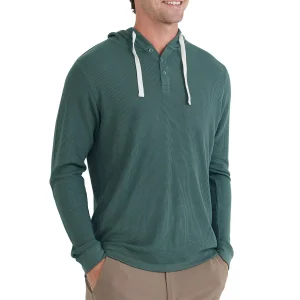
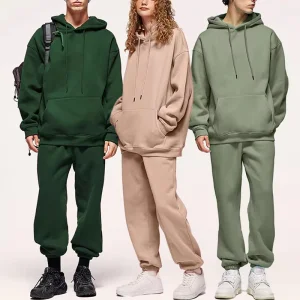
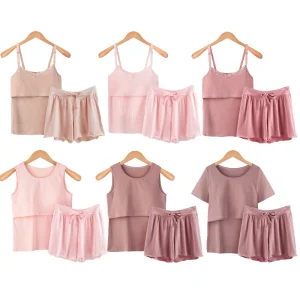
The manufacturing process for oversized t-shirts is adapting to balance eco-efficiency with high-precision detailing. Key trends shaping our engineering pipeline include:
Critical compliance, sizing, and manufacturing details clarified by our technical design team.