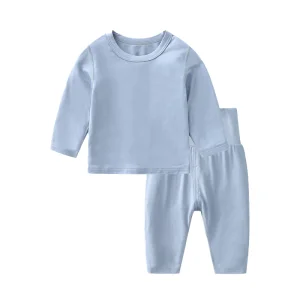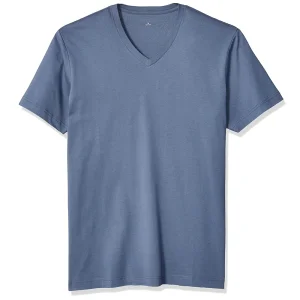
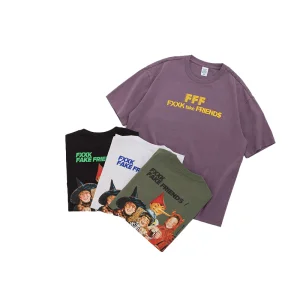
The global market for children’s and toddler apparel is undergoing a massive paradigm shift. Driven by growing consumer awareness surrounding ecological safety, sustainable manufacturing, and stringent regulatory demands in developed economies, sourcing agents are prioritizing certified manufacturing standards over sheer low-cost volume. According to industrial forecasts, the global baby wear market is anticipated to expand at a compound annual growth rate (CAGR) of over 5.8%, with the sustainable and organic baby clothing segments showing the fastest acceleration.
Historically, supply chains for Kid Clothing and Toddler Baby Clothing Sets were concentrated on optimizing cost and color fastness. Modern industrial requirements, however, require compliance with high ecological metrics. Leading international brands are executing robust ESG (Environmental, Social, and Governance) plans that demand zero chemical residues, physical hazard mitigation (such as drawstring safety, button detachment standards), and verified traceability from farm to factory. As a result, the role of manufacturers has shifted from simple assembly units to highly integrated compliance partners who understand international legislative frameworks like the EU General Product Safety Regulation (GPSR) and the US Consumer Product Safety Improvement Act (CPSIA).
In this competitive environment, suppliers must offer "Information Gain" to sourcing directors. This means providing full raw material traceability, laboratory testing metrics, and strict adherence to certification standards. For the EU market, this revolves extensively around the CE Certification (Conformité Européenne), which asserts that children's clothing items comply with the rigorous safety standards relating to physical, mechanical, and chemical hazards.
CE Certification in the apparel industry, specifically for Kid Clothing and Toddler Baby Clothing Sets, serves as a direct indicator of compliance with European Union directives. Unlike simple textiles, baby and toddler clothing are classified under strict safety classifications due to the high vulnerability of the end consumers. The certification framework focuses on key parameters that minimize the risks associated with daily wear.
This standard regulates the design and layout of drawstrings, cords, and functional ties in children's garments. CE compliant manufacturing demands that garments designed for babies and toddlers (under 7 years of age) contain no cords or drawstrings in the hood and neck areas to prevent entrapment or strangulation hazards.
Children's skin is highly sensitive and absorbs toxins more rapidly than adult skin. Compliance requires strict testing of all fabrics, dyes, and metallic components (like zippers and snap buttons) to verify the absence of heavy metals (lead, cadmium), phthalates, and formaldehyde. All dyes must be completely AOX (Adsorbable Organic Halogens) and toxin-free.
Garments are subjected to rigorous testing procedures to analyze flame spread rate and tensile strength. For baby clothing sets, components like small snap buttons must resist minimum pull force limits (typically 90 Newtons) to prevent detachment, which poses a severe choking hazard to infants.
A B2B buyer partnering with companies certified by bodies like the Control Union ensures that these rigorous parameters are integrated directly into the product lifecycle. This systematic compliance reduces liability, eliminates customs transit hold-ups, and builds brand loyalty in high-value consumer markets.
At Ecogarments, we care deeply about apparel, the people who wear them, and the hard-working individuals who produce them. We operate with a firm belief that corporate success is not measured solely in financial margins, but in the positive, measurable impact we leave on our communities and our planet.
We are passionate. We are pure. We challenge ourselves and our industry partners to take full responsibility for their ecological footprint. Our teams constantly strive to think outside the box to build a lasting, profitable business case for sustainable, high-quality children’s wear and apparel.
As a specialized eco-friendly garment manufacturer, our factory processes focus on organic and natural fiber blends. Our production capabilities include tops, basic T-shirts, premium sweatshirts, sweaters, joggers, skirts, dresses, performance yoga wear, and specialized kids' apparel. Our core competitive advantages are built upon certified manufacturing practices:
Over a decade of deep technical experience in apparel prototyping, sewing, compliance management, and global export structures.
A state-of-the-art facility utilizing over 1,000 advanced machinery units to manage complex knitting, sewing, and detailing workflows.
End-to-end design, sourcing, patterning, scaling, and shipping. We handle your custom design concepts and convert them into retail-ready apparel.
Specialized sourcing of certified organic cotton, premium bamboo fibers, and merino wool blends, ensuring gentle touch for baby skin.
Strong relationships with raw fiber suppliers guarantee price stability, material consistency, and smooth delivery timelines for seasonal rollouts.
An in-house R&D team that continuously updates style profiles and pattern templates, keeping your brand aligned with shifting market trends.
The next frontier of Toddler Baby Clothing Sets lies in textile engineering. While standard cotton remains a market basic, advanced bamboo fiber, organic linen, and merino wool blends are setting new benchmarks for children's wear. Bamboo fiber, in particular, offers key physical benefits that are highly valued by modern parents:
Our technological roadmap focuses on integrating circular design philosophies. By developing monomaterial apparel (100% bamboo or 100% organic cotton sets), we ensure that the garments are easily recyclable at the end of their lifecycle. Additionally, our collaboration with chemical suppliers ensures that all printing paste, pigments, and finishing softening agents are fully biodegradable and certified non-toxic.
Sourcing needs vary dramatically across different regional consumer bases. Understanding these local requirements allows us to optimize production parameters accordingly:
The European Union Market: Strong focus on the General Product Safety Regulation (GPSR). Garments must display clear compliance marking, traceable manufacturer details, and full OEKO-TEX Standard 100 certification. Importers demand complete testing reports for chemical migration and pull-off tests for metal snap fasteners.
The North American Market: Compliance with the Consumer Product Safety Improvement Act (CPSIA) is mandatory. This requires children's wear to undergo third-party laboratory testing for lead and phthalate limits, alongside compliance with 16 CFR Part 1610 (flammability of clothing textiles). Flame-resistant synthetic additives are discouraged; instead, natural fibers with high density and natural flame-retardant structures are preferred.
With over 12 years of specialized export experience, we are ready to assist with your custom supply chain challenges. Here are the core services we provide to global retail networks:
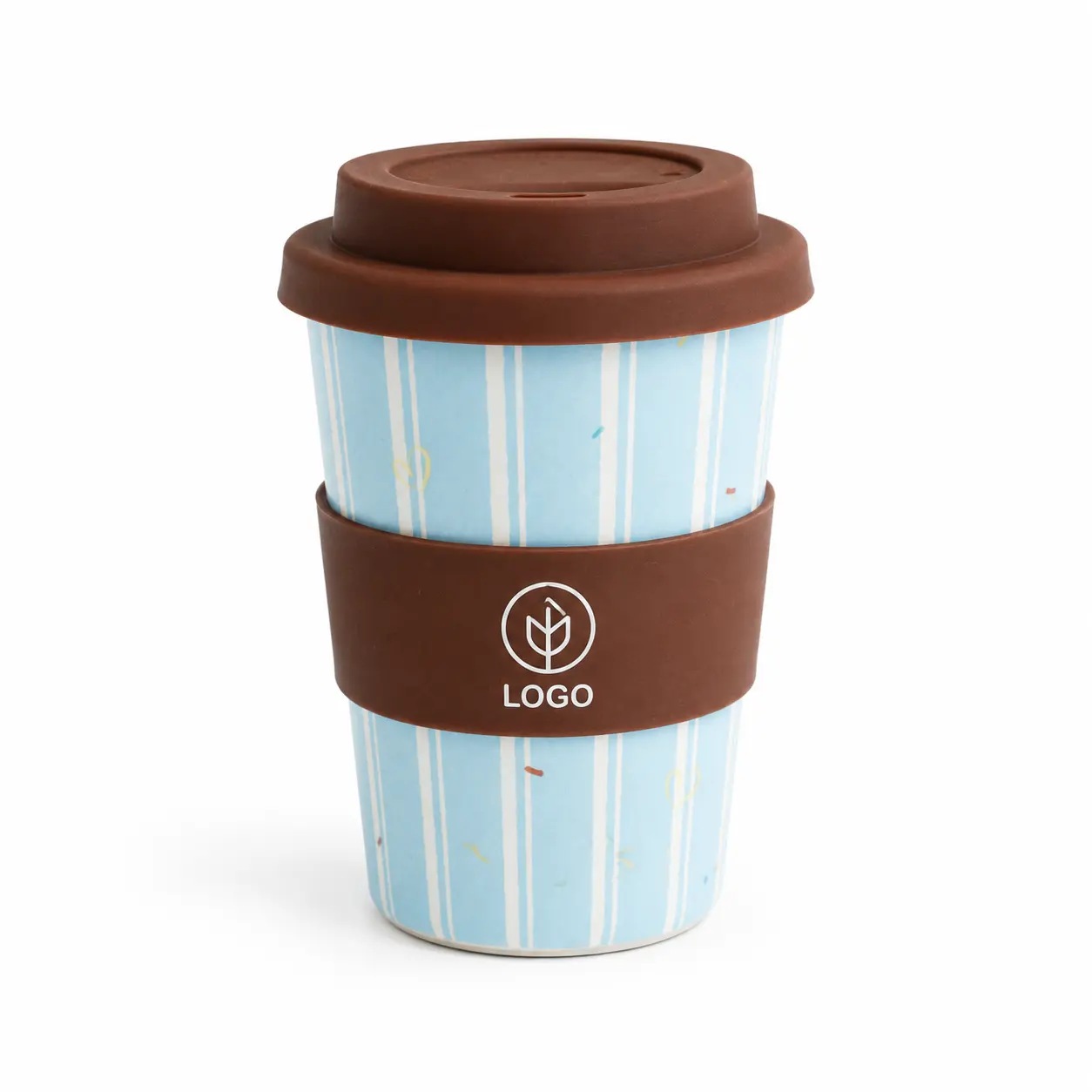
Eco-friendly alternative to single-use plastics. Stain resistant and durable.
See Product Details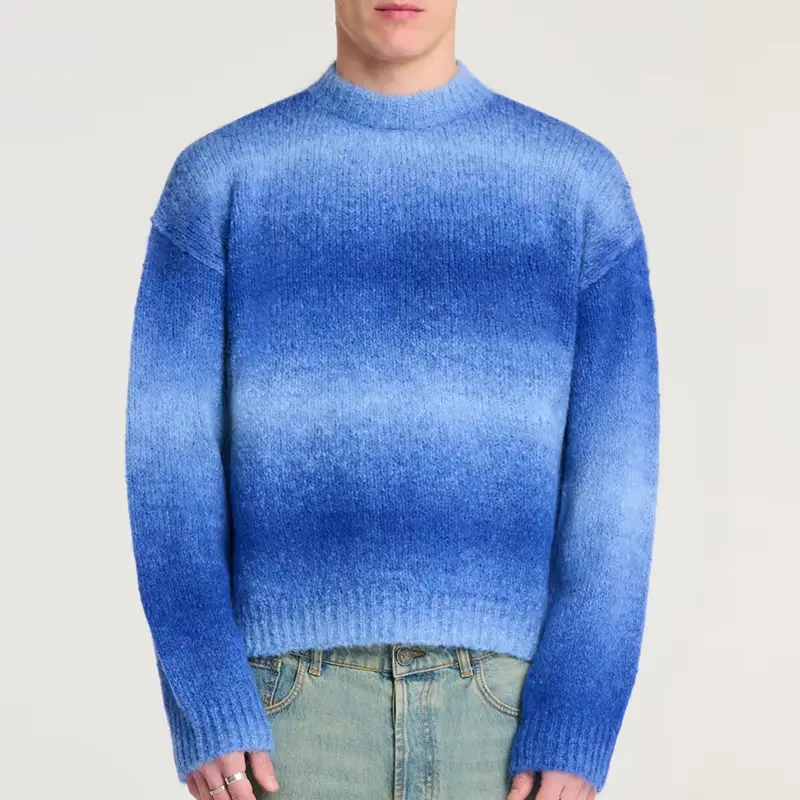
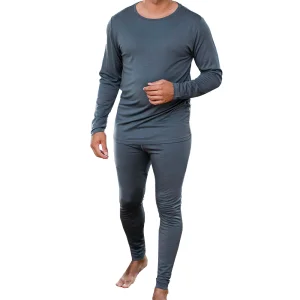
Luxurious, warm, and highly customizable colors and knit options.
See Product Details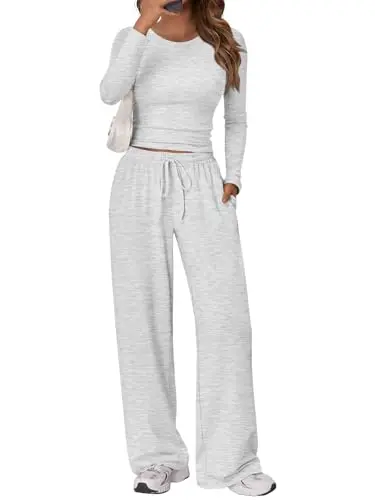
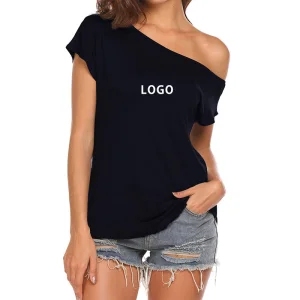
Fitted silhouette, comfortable style, customizable brand logos.
See Product Details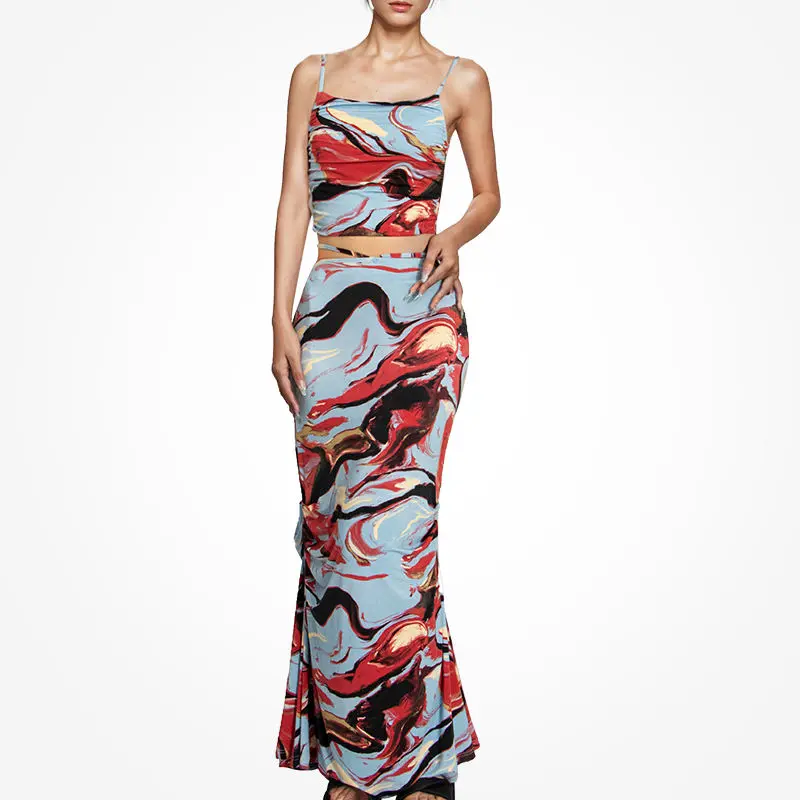
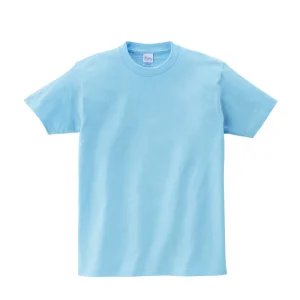
Luxurious, breathable bamboo viscose blends for daily wear.
See Product Details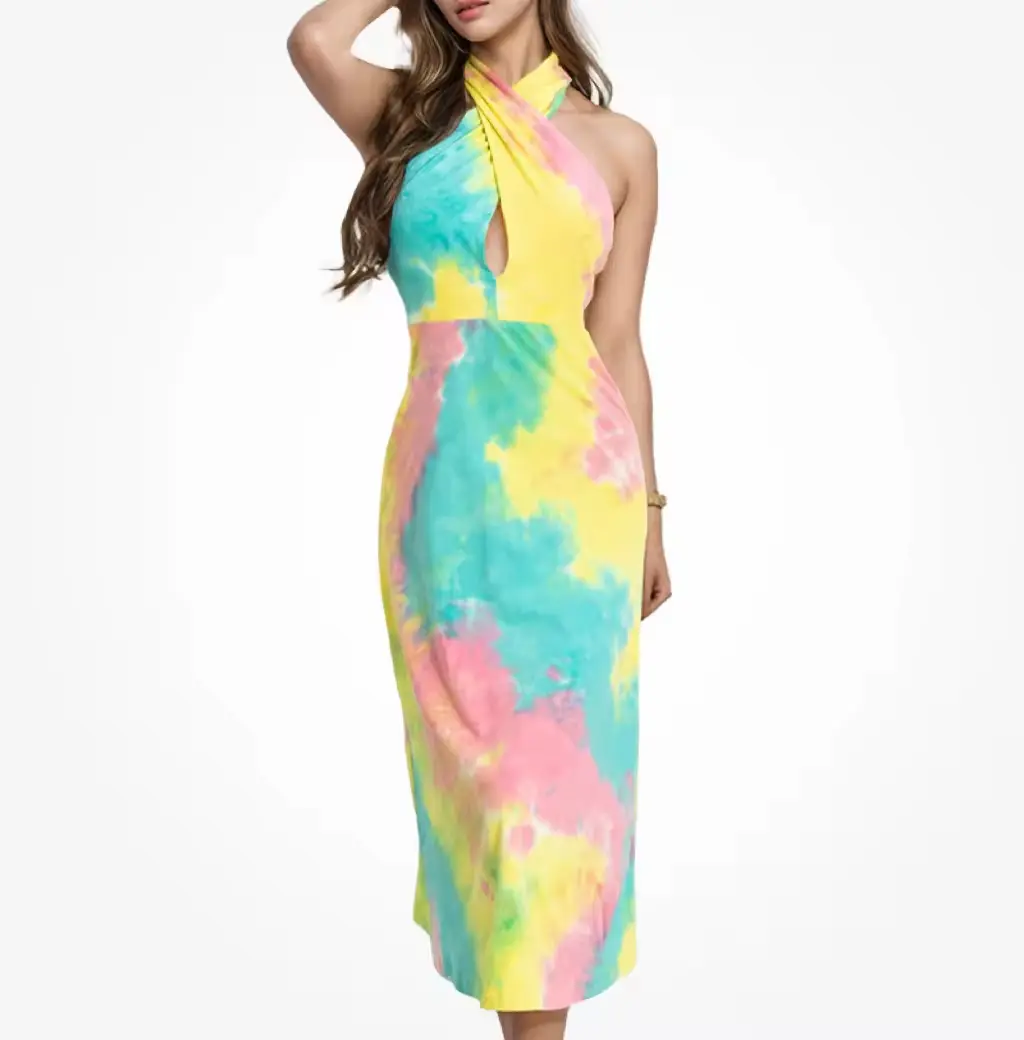
Elegant tailored necklines combined with organic fabric structures.
See Product Details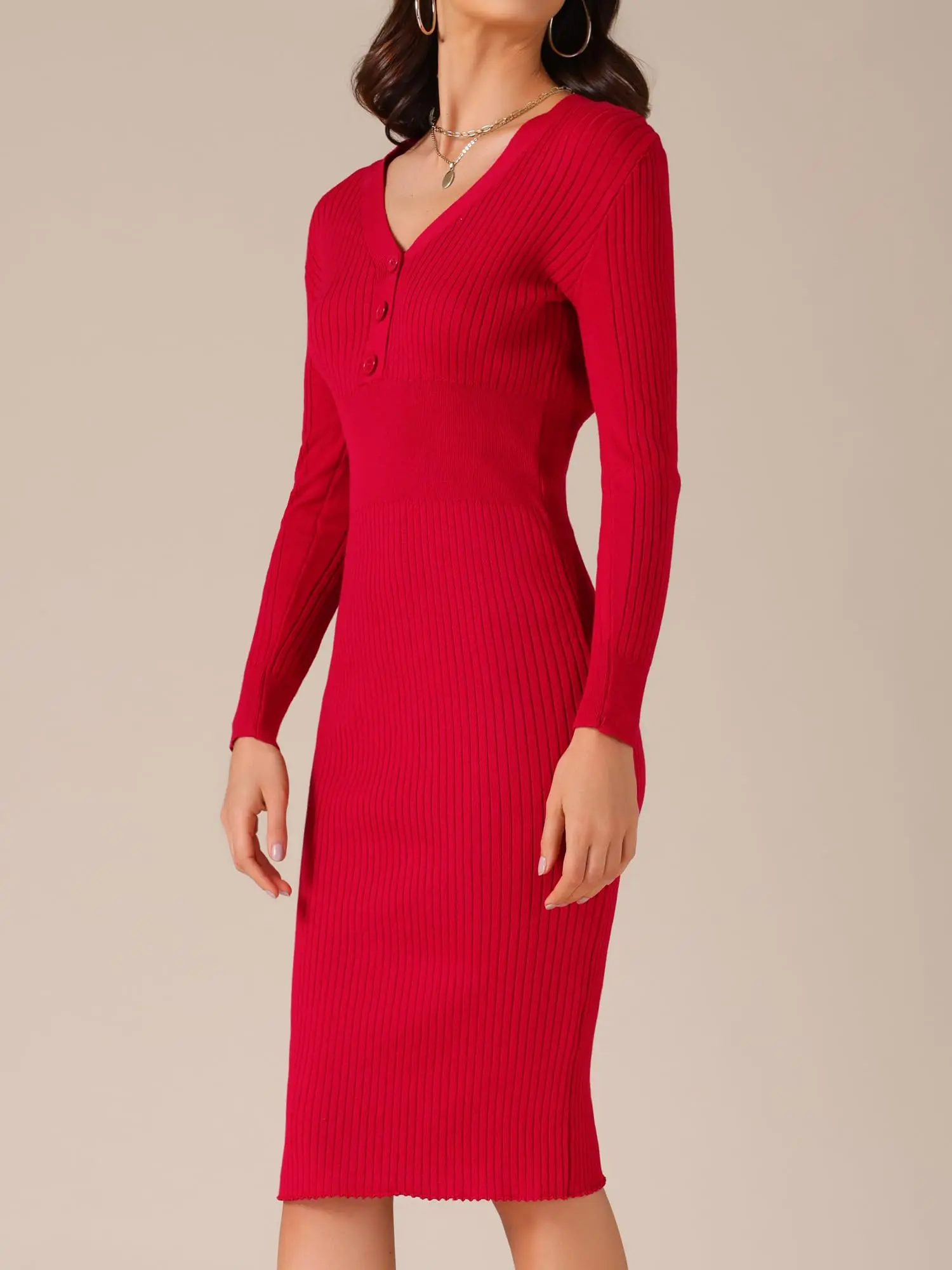
Delicate knits optimized for cold weather comfort and recovery.
See Product Details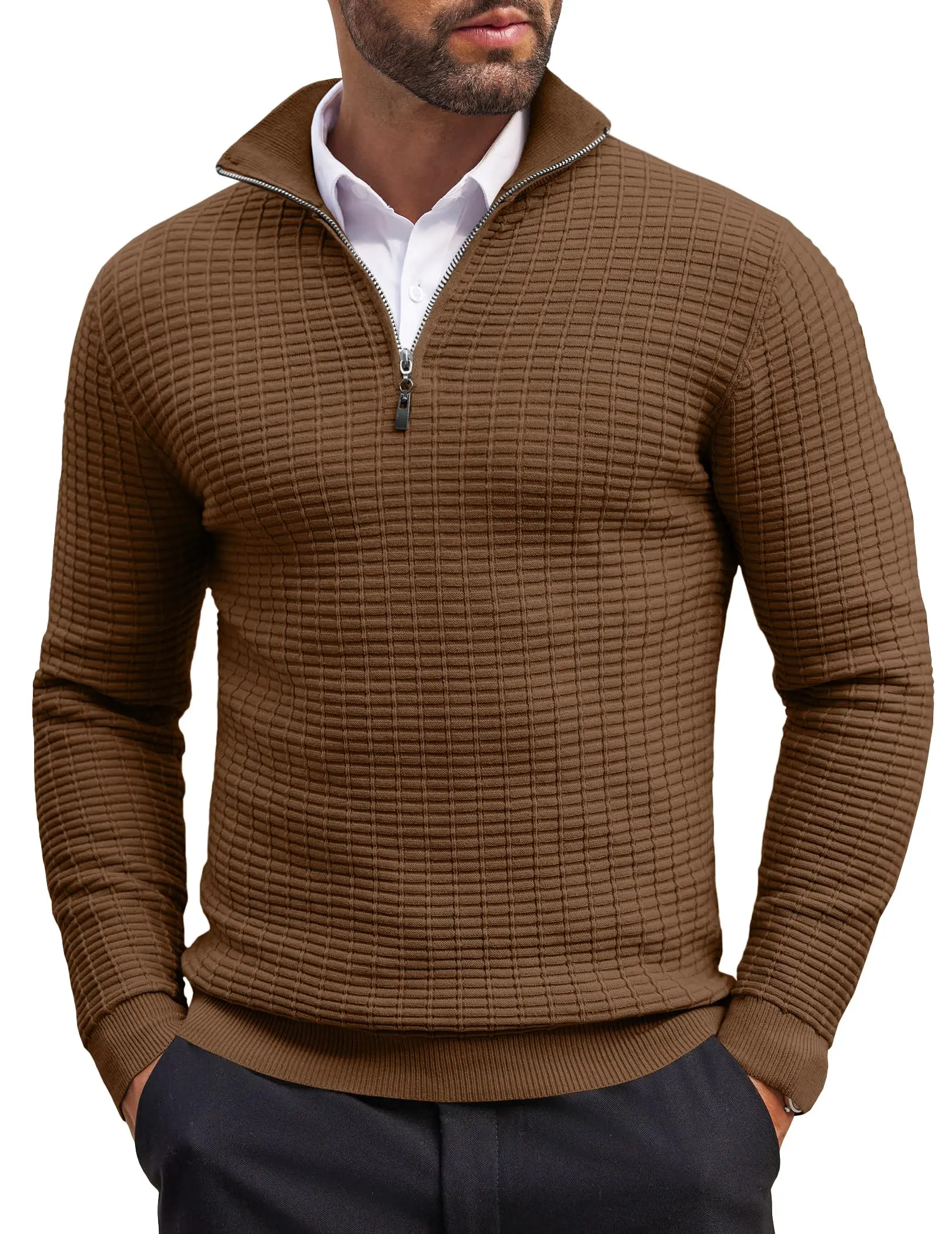
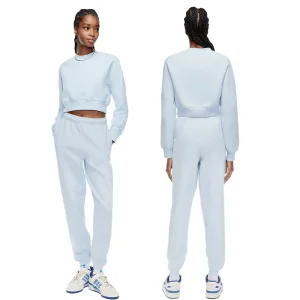
Reinforced seams and tailored patterns for modern fit profiles.
See Product Details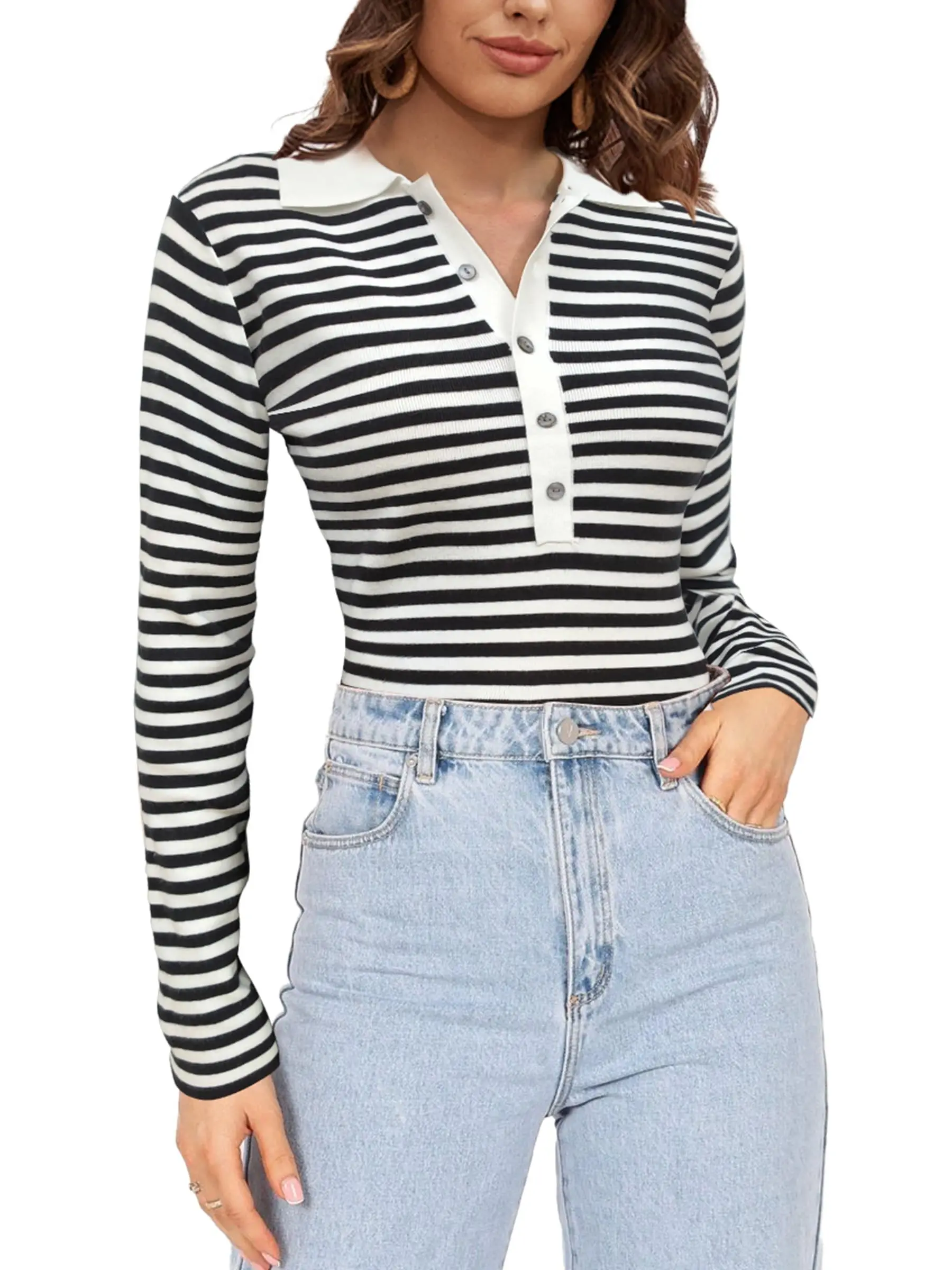
Delicate knit structures designed for layered seasonal styling.
See Product DetailsNavigating safety standards, customs processes, and material performance metrics is critical for B2B apparel brands. Below are answers to the most common questions regarding the supply and manufacture of certified baby and toddler clothing sets.
CE certification verifies that the product complies with core safety requirements set by the European Union. In children's wear, this specifically covers physical safety factors (such as the exclusion of drawstrings in infants' wear under standard EN 14682), chemical limits (assuring no lead, phthalates, or azo dyes under REACH), and structural durability parameters that prevent choking or pinching hazards.
We partner with raw material vendors certified by Control Union. All dye formulas used in our facilities are strictly AOX-free and toxin-free. Finished garments are periodically tested in third-party labs to verify compliance with limits for formaldehyde, pH value, and skin-sensitizing substances.
Yes, we provide full ODM and OEM services. We can source and produce custom knit configurations, including various fabric weights (from lightweight 150g summer jersey to heavy 320g winter fleece) and blend ratios (e.g., bamboo/cotton, bamboo/merino wool, or 100% organic cotton).
We utilize industrial pull-testers to check button and snap applications. Every batch of baby clothes undergoes tests to ensure fasteners withstand a minimum pull-off force of 90 Newtons for 10 seconds, in accordance with European and North American safety standards.
Our average manufacturing lead time for custom OEM orders ranges from 30 to 45 days, depending on fabric availability and design complexity. Prototyping and size-set approvals are completed within 7 to 10 days.
Yes. We supply warning tags, tracking labels, and custom, eco-friendly retail packaging. We make sure all localized tracking labels required by the CPSIA (US) and GPSR (EU) are correctly formatted and attached to the apparel sets.
The zero-waste movement has evolved from a niche trend into a global necessity. Households worldwide are rethinking every item in their cupboards, from food storage containers to drinking vessels. In the quest for a truly sustainable kitchen, bamboo fiber cups have taken center stage as a staple...
Read Full ArticleFor millions of people around the world, the morning routine starts with a hot cup of coffee on the way to work. Unfortunately, this convenient habit often comes with a heavy environmental price tag: single-use takeaway paper cups lined with plastic. If you are looking to green up your daily commute...
Read Full ArticleIn today's fast-paced world, the environmental impact of single-use plastics has become an undeniable crisis. Millions of plastic cups end up in landfills and oceans every day, taking hundreds of years to decompose. As consumers become more conscious, the global movement toward Plastic-Free options is gaining traction...
Read Full Article