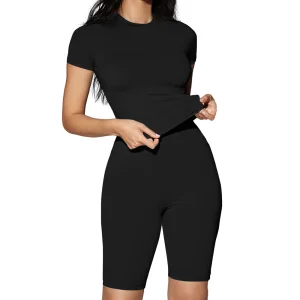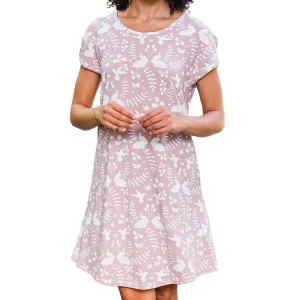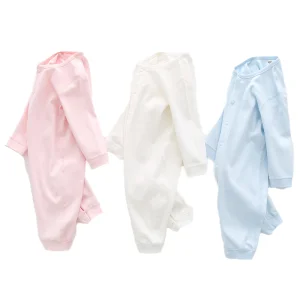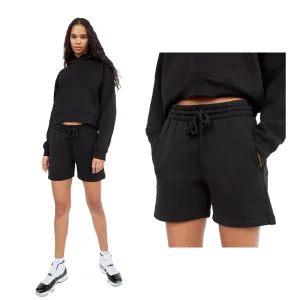
In the highly regulated infant and child apparel sector, procurement professionals and brand owners face a dual challenge: ensuring absolute physical and chemical safety while meeting demanding consumer preferences for organic materials and stylish aesthetics. CE Certification for baby girls' dresses serves as a crucial benchmark of quality, signaling that the apparel meets the stringent security, chemical compliance, and physical safety standards of the European Economic Area (EEA).
This whitepaper addresses the vital technical metrics, chemical thresholds, mechanical safety configurations, and structural manufacturing workflows required to engineer fully compliant baby girls' dresses. As a premier manufacturer equipped with over 4,000 square meters of specialized production space, we analyze raw fabric characteristics, test methodologies, factory pricing variables, and environmental considerations to support global buyers in building high-margin, ethically sound children's apparel businesses.
Modern parents favor natural, biodegradable textiles for children's wear. The global market for baby girls' dresses is shifting rapidly from conventional synthetic blends toward organic cotton, bamboo viscose, and modal fibers. This change is driven by an increased awareness of infant skin sensitivities and the ecological footprint of fast fashion.
Infants have highly permeable skin barrier systems. Bamboo viscose and organic cotton offer natural, chemical-free skin compatibility, lowering the risk of contact dermatitis.
International buyers require third-party verification that garments are free from heavy metals, formaldehyde, phthalates, and optical brighteners.
Customs and market inspectors regularly check children's apparel for mechanical compliance, focusing on drawstring hazards and small detachable decorations.
CE compliance is not a single test; it is a system of safety validations across chemical, physical, and mechanical domains. To sell baby girls' dresses in Europe, garments must satisfy several key European standards (EN).
| Standard Code | Technical Objective | Safety Parameters & Thresholds | Impact on Dress Design |
|---|---|---|---|
| EN 14682:2014 | Drawstrings & Cords Safety | Zero cords in the head, neck, or throat area of garments for children aged 0 to 7 years. | Replaces functional drawstrings with elastic bands, snap buttons, or integrated waistlines. |
| EN 71-1:2014+A1:2018 | Mechanical & Physical Tests | All small attachments (buttons, sequins, bows) must withstand a pull-force of >90 Newtons. | Eliminates choking hazards. Reinforces stitching on bows and switches to secure metal snap fastners. |
| REACH Regulation | Chemical Safety | Formaldehyde < 20 ppm; Phthalates < 0.1% by weight; Lead and Cadmium free. | Mandates OEKO-TEX Standard 100 Class I dye processes and toxic-free, eco-friendly pigments. |
| EN ISO 14184-1 | Formaldehyde Detection | Undetectable limits for close-to-skin newborn textiles. | Uses enzymatic scouring and bio-washing without formal resins. |
Our manufacturing facility operates under the Control Union certification system, meaning our organic fibers are traceable from the harvest field to the finished product. This ensures that every baby dress bearing our label complies with international import regulations and safety requirements.
Fabric choice is crucial for comfort, durability, and safety in baby dresses. Below is a comparison of the primary textiles used in our factory, showing why natural, organic, and regenerated cellulose fibers perform better than synthetic options.
| Fabric Material | Moisture Absorbency | Tensile Strength | Skin Comfort Level | Biodegradability | Production Cost Index |
|---|---|---|---|---|---|
| Bamboo Viscose | Excellent (Up to 4x cotton) | Medium to High | Ultra-Soft (Silk-like feel) | 100% Biodegradable | Moderate to Premium |
| Organic Cotton | High | High (Durable under wash) | Soft & Breathable | 100% Biodegradable | Moderate |
| Bamboo-Cotton Blend | Very High | Very High | Soft & Structurally Stable | 100% Biodegradable | Highly Cost-Efficient |
| Polyester (Synthetic) | Poor (Traps heat & sweat) | Extremely High | Can trigger skin reactions | Non-biodegradable | Low |
By blending bamboo viscose and organic cotton, we produce a fabric that combines the softness of bamboo with the durability of cotton. This blend withstands repeated hot washing cycle tests without losing its shape, color, or softness, satisfying a key criteria for parent-facing brands.
Factory-direct pricing depends on three main variables: raw material composition (e.g., 100% bamboo vs. cotton blends), order volume (MOQ tiers), and the level of customization (prints, embroidery, packaging). Below is our wholesale price matrix for CE-certified baby girls' dresses.
| Dress Category / Style | MOQ (pcs) | FOB Price (500-1000 pcs) | FOB Price (1001-5000 pcs) | FOB Price (>5000 pcs) | Customization Inclusions |
|---|---|---|---|---|---|
| Basic Organic Cotton Romper Dress | 500 | $3.85 / pc | $3.20 / pc | $2.80 / pc | 1 Woven Neck Label + 1 Hangtag |
| Premium Bamboo Viscose Flutter Dress | 1,000 | $5.20 / pc | $4.50 / pc | $3.90 / pc | Allover Print + Organic Dye Certification |
| Bamboo-Cotton Knit A-Line Dress | 500 | $4.80 / pc | $4.10 / pc | $3.50 / pc | Chest Embroidery + Branded Paper Bag |
| Lace Detail Party Dress (CE Compliant) | 1,000 | $6.80 / pc | $5.90 / pc | $5.10 / pc | Reinforced Lace + Locked Stitching Buttons |
Please Note: Our pricelist includes basic quality control compliance tests (pull-tests, seam strength tests). Custom lab testing for independent CE certifications with institutions like SGS, Intertek, or TÜV Rheinland can be arranged upon request and is priced separately depending on the testing requirements of your target market.
At Ecogarments, we care about apparel, the people who wear them, and the people who make them. We believe that success is not measured solely in money, but in the positive impact we have on those around us and our planet.
We are passionate. We are pure. We challenge those around us to take responsibility for their ecological footprint. And we always strive to think outside the box to build a lasting business case for sustainable, good quality apparel.
As an apparel manufacturer, we use natural and organic materials where possible, avoiding plastic and toxic substances. Eco Garment, an eco-friendly garment company, specializes in organic and natural fiber products. Our major products include tops, T-shirts, sweatshirts, sweaters, pants, skirts, dresses, sweatpants, yoga wear, and kids' apparel.
Managing an international supply chain requires clear communication, consistent quality control, and reliable schedules. We offer comprehensive OEM and ODM services to simplify your sourcing process.

More than 10 years of experience in the design, development, and production of high-grade organic and eco-friendly apparel.

Equipped with over 1000 advanced apparel manufacturing machines, optimized for handling both high-volume runs and flexible orders.

Full-service solutions from concept sketching and fabric selection to pattern layout, sampling, mass production, and final packaging.

We prioritize natural, non-toxic, and biodegradable raw fibers, minimizing the ecological footprint of every production batch.

A robust network of certified yarn spinners and dye houses ensures stable pricing and consistent material availability year-round.

Monthly updates feature modern designs, trendy pastel colors, and smart patterns designed to meet changing market demands.
With more than 12 years of experience, we support brands, wholesalers, and private label importers at every stage of the product lifecycle.
We work to build a lasting business case for sustainable, high-quality apparel. From choosing raw organic fibers to implementing zero-waste cutting patterns, we help minimize your ecological footprint.
Supported by our R&D team, we offer full design services. We also have a professional media production team to handle photography, product videos, and model shoots, helping to streamline your marketing launch.
Our fabric suppliers and manufacturers are certified by Control Union. All dyestuffs are AOX and toxin-free, ensuring they meet the requirements for EU and North American child safety tests.
Operating from our 4,000 square meter factory, we manage the entire production cycle in-house. This centralized process ensures consistent quality control and predictable delivery lead times.
We track global children's fashion trends closely. By following our design updates, you receive early access to new patterns, fabric weaves, and colors as they enter the market.
We provide end-to-end support, assisting with logistics coordination and quality guarantees. If any manufacturing defect is identified, we offer standard replacements or credits.
Producing safe baby dresses requires strict attention to detail. Our production lines use dedicated safety protocols to prevent common hazards in kids' wear manufacturing.
All finished baby dresses pass through conveyor-belt metal detectors before final packaging. This ensures no broken sewing needles or metal fragments remain in the garments.
We use lock-stitch technology for buttons and snaps. Every attachment undergoes regular calibration tests to ensure it exceeds the 90 Newton pull-test required by safety regulators.
Cuffs and leg openings are sewn using flatlock stitching to reduce friction against sensitive skin. Elastic bands are calibrated to stretch easily, preventing restriction of movement or circulation.
We answer key questions about safety standards, manufacturing timelines, customization options, and factory-direct pricing for baby dresses.
Read the latest updates from our design lab and factory regarding sustainable materials, green manufacturing, and children's wear trends.
The zero-waste movement has evolved from a niche trend into a global necessity. Households worldwide are rethinking every item in their cupboards, from food storage containers to drinking vessels. In the quest for a truly sustainable kitchen, bamboo fiber cups have taken center stage as a staple...
See More →For millions of people around the world, the morning routine starts with a hot cup of coffee on the way to work. Unfortunately, this convenient habit often comes with a heavy environmental price tag: single-use takeaway paper cups lined with plastic. If you are looking to green up your daily comm...
See More →In today's fast-paced world, the environmental impact of single-use plastics has become an undeniable crisis. Millions of plastic cups end up in landfills and oceans every day, taking hundreds of years to decompose. As consumers become more conscious, the global movement toward "Plastic-free" solutions grows...
See More →