Structural Evolution of Summer Maternity Wear
Analyzing physical performance criteria, cellular fiber architectures, and macro-industrial dynamics driving the sourcing of next-generation pregnant apparel.
The global pregnant clothing sector has shifted dramatically beyond standard loose-fitting configurations. Sourcing agents, procurement officers, and retail buyers now prioritize advanced performance characteristics, micro-climatic thermal control, and zero-compromise mechanical safety certifications. To satisfy this evolving market, B2B procurement partners must move beyond basic design patterns to evaluate the technical properties of cellular natural fibers and eco-conscious knit profiles.
1. Commercial & Industrial Landscape of Premium Maternity Apparel
In modern textile production, maternity garments represent a unique intersection of medical ergonomics and consumer fashion. Traditional manufacturing relied on synthetic, high-elastane blends to support abdominal growth. However, those materials often restricted airflow and trapped moisture, exacerbating the thermal discomfort and skin sensitivity commonly experienced during pregnancy.
The Shift Toward Biodegradable and Non-Toxic Elastomeric Combinations
Regulatory frameworks across Europe and North America have limited the use of secondary petrochemical treatments, pushing factories to re-engineer core yarns. High-end brands are shifting from standard polyester/spandex blends to regenerative cellulose profiles, such as bamboo viscose, modal, and organically grown cotton. This evolution focuses on natural comfort, ensuring the garments remain gentle on sensitive skin while supporting ecological sustainability.
Global Market Drivers
Urbanization, rising disposable income, and growing awareness of clean-chemical manufacturing have spurred double-digit B2B demand for certified organic maternity wear. Buyers are no longer satisfied with generic "eco-friendly" claims. The modern market demands documented verification, such as GOTS (Global Organic Textile Standard) and OEKO-TEX Standard 100 certifications, validating the chemical and ecological integrity of the supply chain from raw fiber to final stitch.
2. Technical Material Science: Bamboo Fiber vs. Conventional Cotton
For hot-weather maternity apparel, selecting the right raw material dictates the comfort and durability of the finished product. In this section, we analyze the structural and performance differences between bamboo viscose and conventional cotton.
Micro-pore Structure and Thermodynamic Regulation
Bamboo fiber features a highly porous micro-structure. Under scanning electron microscopes, these fibers show tiny transverse gaps and micro-cavities. This structural property provides excellent moisture absorption and breathability, allowing moisture to wick away from the skin surface and evaporate rapidly. In contrast, standard cotton fibers have flat, twisted structures that tend to trap moisture, which can feel heavy and damp in humid summer conditions.
Mechanical Elasticity vs. Synthetic Spandex Addition
Achieving structural stretch in maternity wear usually requires adding elastane. While synthetics add stretch, they reduce breathability and can irritate sensitive skin. High-end maternity factories combine ring-spun organic cotton with bamboo viscose in a double-knit interlock structure. This construction provides natural stretch and recovery, minimizing reliance on heavy synthetic fibers while maintaining the garment's shape over time.
3. China Factory Supply Chain Resilience & Production Advantages
China remains a central hub in the global apparel supply chain, particularly for high-quality maternity wear that requires specialized knitting machinery. This section outlines how vertical integration and advanced manufacturing processes support stable production and delivery.
Vertical Manufacturing Integration
Our 4,000 square meter factory housing over 1,000 advanced knitting and sewing machines illustrates the benefits of specialized production. By managing raw fiber processing, custom blending, knitting, dyeing, cutting, and quality control under a single operation, we minimize supply chain vulnerabilities, shorten production lead times, and maintain consistent quality across large orders.
This integration also enables custom, small-batch adjustments. For instance, when a brand requires pattern tweaks to accommodate regional sizing or seasonal updates, our design and production teams can implement these changes rapidly without disrupting the broader manufacturing schedule.

Advanced Dyeing and Finishing Capabilities
To meet strict ecological standards like OEKO-TEX Standard 100, we utilize closed-loop dyeing cycles. These processes recycle water and organic solvents, reducing environmental impact while ensuring all dyes are free from harmful substances, including AOX (adsorbable organic halides) and heavy metal toxins. This clean-chemical approach is particularly important for maternity wear, as pregnant individuals are often more sensitive to chemical residues in textiles.
4. Localized Design Scenarios and Market Customization
Global markets require distinct approaches to maternity design. A single, generic design cannot satisfy the varying expectations of North American, European, or Asia-Pacific consumers.
North America: Versatile Active-Maternity Wear
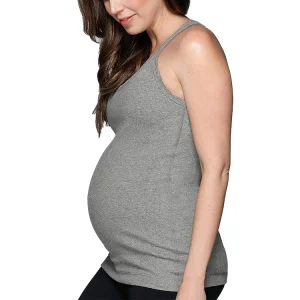
In the United States and Canada, maternity apparel is frequently worn as multi-functional athleisure. Consumers value versatile designs that transition easily from light exercise to casual wear. Products like the OEM Wholesale Pregnant Clothing Bamboo Cotton Maternity Tank Top require reinforced cross-stitching and high-stretch hemlines to handle regular wear, frequent washing, and moderate physical activity.
Europe: Certified Organic and Nursing-Friendly Designs
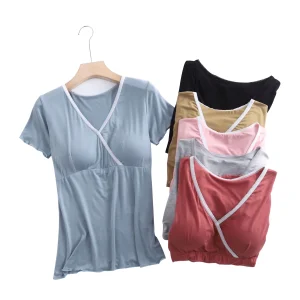
European markets place a high priority on sustainability, ecological traceability, and practical nursing features. Products like the Cheap Summer Thin Modal Pregnant Women's Short-sleeved T-shirt Nursing Clothes Top are designed with dual-layered openings or hidden snaps, allowing the garment to serve during both pregnancy and postpartum nursing. Using certified organic cotton and Modal ensures these garments meet the regional preference for soft, eco-conscious fabrics.
Asia-Pacific: Lightweight and Protective Textiles
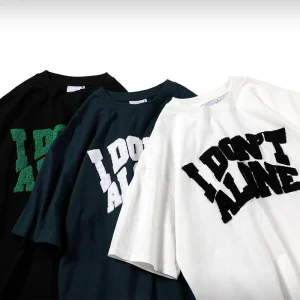
In hot, humid parts of Asia, lightweight fabrics are essential. Products like the Wholesale Custom Printed Logo Bamboo Fiber Women's Casual Summer T-Shirt feature lightweight knits (typically between 140 and 180 GSM) and materials that offer UV protection, helping to keep wearers comfortable and protected in sunny, warm climates.
5. Compliance Frameworks and Quality Assurance
For B2B buyers, verifying compliance is essential to mitigate regulatory risks and protect brand reputation. We maintain a robust set of certifications to verify our environmental claims and product quality.
Control Union Auditing
Our raw materials are certified through Control Union, confirming that our organic fibers are grown, harvested, and processed according to strict ecological guidelines.
Toxin-Free Guarantee
All dye cycles are verified AOX and heavy-metal-free, minimizing the risk of skin irritation or contact dermatitis for the wearer.
Physical Performance Audits
We test our fabrics for wash fastness, dimensional stability, pilling resistance, and tensile recovery to ensure long-lasting durability.
Maintaining these standards helps prevent typical quality issues, such as fabric shrinkage, color fading, and premature loss of elasticity. By investing in regular testing and certification, we provide our B2B partners with the assurance that their orders will meet expectations and perform reliably in the retail market.
6. Strategic Production Outlook: 2026 and Beyond
As the apparel industry moves toward greater circularity, the demand for sustainable, high-performing materials continues to grow. Our R&D team works closely with agricultural research centers to develop new fabric options, including pesticide-free bamboo-linen blends and naturally colored organic cotton that requires no dyeing. We are also exploring the use of biodegradable elastanes to create fully compostable maternity garments, helping to reduce textile waste and support a circular economy.