Premium circular knits, organic cotton blends, and bio-based garments engineered for global brand compliance.
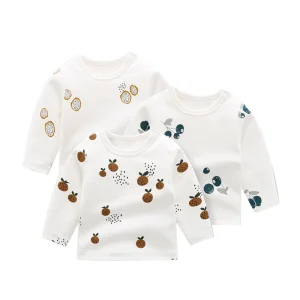
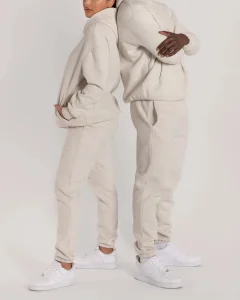
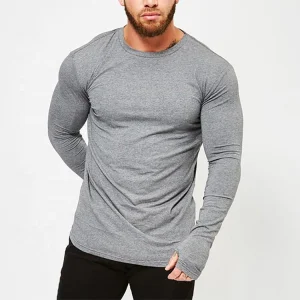
In the global infant apparel market, sourcing newborn baby long sleeve winter rompers demands an intricate balance of thermal efficiency, dermal safety, and scalable manufacturing. Neonatal physiology differs fundamentally from adults; newborns have a high surface-area-to-mass ratio and an underdeveloped thermoregulation system, rendering them highly susceptible to rapid environmental temperature fluctuations. Thus, B2B procurement managers and premium brand developers must seek manufacturers who construct garments that prioritize micro-climate stability without inducing sweat accumulation.
Through advanced structural knitting techniques and GOTS-certified raw materials, professional manufacturers like Ecogarments provide the international market with premium baby rompers that comply with rigid US CPSIA and EU REACH safety protocols. This whitepaper analyzes global procurement requirements, material innovations, technical roadmaps, and the macro-economic standards of the modern newborn apparel supply chain.
The global babywear industry is undergoing a paradigm shift. Modern parents demand transparency, sustainability, and sensory comfort. High-volume synthetic polyester fleece fabrics, historically used for cold-weather garments, are losing market share due to microplastic shedding and poor breathability. Instead, global purchasing organizations are shifting their sourcing to organic bamboo fiber, modal, and organic cotton hybrid weaves.
Bamboo-derived viscose fibers are highly sought after due to their natural thermal property: the micro-gaps in the fiber structure assist in thermal insulation by trapping air during cold weather, while allowing hot vapor to escape to prevent rashes. As a result, the demand for bamboo cotton blended newborn winter rompers has grown exponentially. Advanced manufacturing facilities have responded by scaling up circular knitting machines capable of creating dense, double-faced jersey and interlock knits with gram weights ranging from 280 GSM to 350 GSM, perfect for winter microclimates.
"The integration of organic materials is no longer a marketing trend; it is a clinical and ecological necessity. Infant skin is up to 30% thinner than adult skin, making chemical toxicity in dyes and cheap synthetic fabrics a significant safety hazard for global retailers."
Premium winter rompers require precise engineering to ensure infant safety. Procurement teams evaluating manufacturers must audit their manufacturing processes based on three critical standards:
1. Chemical Safety (Dyes & Auxiliaries): The dyestuffs used must be completely AOX and toxin-free. Heavy metals, formaldehydes, and alkylphenol ethoxylates (APEOs) often found in conventional textile finishing processes must be eliminated. Modern plants achieve this by partnering with certified chemical suppliers and auditing their raw materials under the Control Union scheme.
2. Mechanical Safety (Trim Controls): Hardware such as two-way zippers, snap buttons, and drawstrings must meet rigorous tension thresholds. For example, snap fasteners must resist a minimum pull force of 90 Newtons to prevent choking hazards. Two-way zippers must feature fabric zipper guards to protect the infant's delicate neck and chin skin.
3. Ergonomic Utility: Winter rompers require designs that simplify diaper changes while minimizing exposure to cold air. This is achieved through the integration of custom-designed, asymmetrical two-way zipper tracks, fold-over scratch-proof mittens, and footie extensions that adapt to the baby’s growth.
Providing custom OEM/ODM solutions built on modern facilities, eco-conscious materials, and reliable supply chains.
Our extensive experience in green textile manufacturing ensures smooth global compliance, reliable quality control, and minimal waste.
Featuring over 1,000 advanced apparel machines. This state-of-the-art facility optimizes production flow, reducing lead times for high-volume orders.
From dynamic fabric sourcing, prototyping, and layout adjustments to dedicated photography and professional model shoots, we streamline your product launch.

At Ecogarments, our commitment stretches far beyond typical manufacturing limits. We care deeply about our apparel, the children who wear them, and the communities involved in making them. We believe that true corporate success is measured not solely in profit margins, but in the positive, lasting impact we have on our society and our planet.
We are passionate. We are pure. We challenge ourselves and our partners to minimize our collective carbon footprint. We continuously think outside the box, investing in state-of-the-art circular manufacturing infrastructure to build a highly sustainable, robust, and ethical babywear production line.
Combining ecological responsibility with modern textile science.

As an eco-conscious clothing manufacturer, we prioritize organic, natural, and biodegradable fibers. We actively avoid harsh synthetics, plastics, and non-certified chemical treatments to protect infant health and reduce landfill waste.
Our premium infant range, specifically the Newborn Baby Long Sleeve Winter Romper collection, utilizes heavy double-interlock bamboo-cotton knits that naturalize insulation and airflow.
Large stock of raw materials and optimized logistics ensure predictable prices and fast deliveries even during peak winter season surges.
Fully traced processing with Control Union certifications, proving our environmental compliance in every production run.
Sourcing high-volume infant garments internationally presents complex logistics, import taxes, and quality assurance demands. For major B2B distributors, department stores, and online stores, a reliable manufacturing partner must provide more than raw products. We offer end-to-end supply chain integration:
Our One-Stop ODM/OEM service provides comprehensive product development packages. This includes CAD-based prototyping, digital pattern scaling, customized fabric blending, and tailored packaging design. Our professional, in-house photography teams produce clean product models and flat-lay photos, enabling you to launch marketing campaigns immediately.
Our supply chains are structured to minimize delays. We coordinate with shipping networks to offer transparent delivery options across North America, Europe, Australia, and Asia. Whether you require sea shipping with customs clearance support, air freight for tight timelines, or direct-to-warehouse logistics, our operations team ensures full regulatory compliance.
Catering to global B2B apparel buyers, brands, and department store chains with optimized workflows.


We continually push standard manufacturing boundaries to design quality, sustainable garments that help brands meet their carbon-neutral goals.


Supported by a dedicated R&D team and professional photographers. We manage patterns, sizing, grading, video capture, and high-res product photos.


All fabrics are processed under Control Union certifications. Our dyestuffs are AOX and toxic-free, meeting rigorous export regulations.


With over 12 years in eco-friendly textiles, our stable bamboo/cotton supply chains feed a 4,000m² factory layout built to scale.


Get ahead of the market with monthly catalog updates, featuring popular styles, new colors, and modern babywear silhouettes.


From catalog selection to warehouse arrival, our customer success team supports your business with updates, order tracking, and custom designs.
As babywear brands scale, staying competitive requires adopting modern fabric technologies. Ecogarments is leading the industry's transition into high-performance, sustainable fabric engineering:
Our R&D labs are piloting biodegradable botanical fibers treated with zinc-oxide nanoparticles. This technology delivers long-lasting antimicrobial benefits and UV protection without using irritating chemicals. This structure is ideal for winter sleepwear, helping protect sensitive skin from seasonal dryness and heat rashes.
Additionally, we are exploring thermal body-mapping. By altering the stitch density across the chest, back, and limbs of infant rompers, we can optimize heat retention without adding excess weight. This ensures baby garments remain lightweight, allowing ease of movement while maintaining critical body temperature.
Essential purchasing answers for brand directors, product developers, and procurement managers.
Our standard MOQ for custom infant rompers varies by fabric and customization needs. For stock colors and standard bamboo-cotton fabrics, we offer lower, flexible MOQs to help emerging brands test the market. For custom dye colors, specialized knit designs, or custom prints, typical MOQs range from 500 to 1,000 pieces per style. Contact our sales department to receive a direct quote tailored to your project.
All our organic textiles are fully certified by the Control Union under GOTS (Global Organic Textile Standard) and OCS (Organic Content Standard). We provide formal transaction certificates (TCs) for every production run, verifying the journey of the fiber from its organic source to the final product. Additionally, our processing facilities operate under clean wastewater and zero-toxin dyestuff protocols.
For cold-season baby wear, we recommend fabric weights between 260 GSM and 320 GSM in a double interlock or brushed jersey knit. This provides the ideal thickness to trap heat while remaining highly breathable. For extreme winter conditions, we offer multi-layer quilted cotton rompers with organic cotton fill, providing high thermal insulation ratings (Tog values) without needing synthetic fills.
Yes, we offer complete private label options. This includes custom neck labels (printed or woven tags), biodegradable polybags, FSC-certified cardboard hangtags, and branded retail boxes. Our packaging designs avoid single-use plastics to support clean supply chains.
Our typical payment structure is a 30% deposit upon order confirmation, with the remaining balance due before shipment or upon presentation of the Bill of Lading. Prototyping takes 7 to 10 working days. Bulk production is typically completed in 30 to 45 days, depending on order size and complexity. We export globally, coordinating shipping by sea, air, and express freight to fit your timelines.
Stay up to date with the latest developments in sustainable textiles and green home goods.
The zero-waste movement has evolved from a niche trend into a global necessity. Households worldwide are rethinking every item in their cupboards, from food storage containers to drinking vessels. In the quest for a truly sustainable kitchen, bamboo fiber cups have taken center stage as a staple...
For millions of people around the world, the morning routine starts with a hot cup of coffee on the way to work. Unfortunately, this convenient habit often comes with a heavy environmental price tag: single-use takeaway paper cups lined with plastic. If you are looking to green up your daily comm...
In today's fast-paced world, the environmental impact of single-use plastics has become an undeniable crisis. Millions of plastic cups end up in landfills and oceans every day, taking hundreds of years to decompose. As consumers become more conscious, the global movement toward "Plast...
From organic activewear to comfortable loungewear, discover our premium B2B products.