1. The Physiology of Maternity Wear: Addressing the User Intent of Expectant Mothers
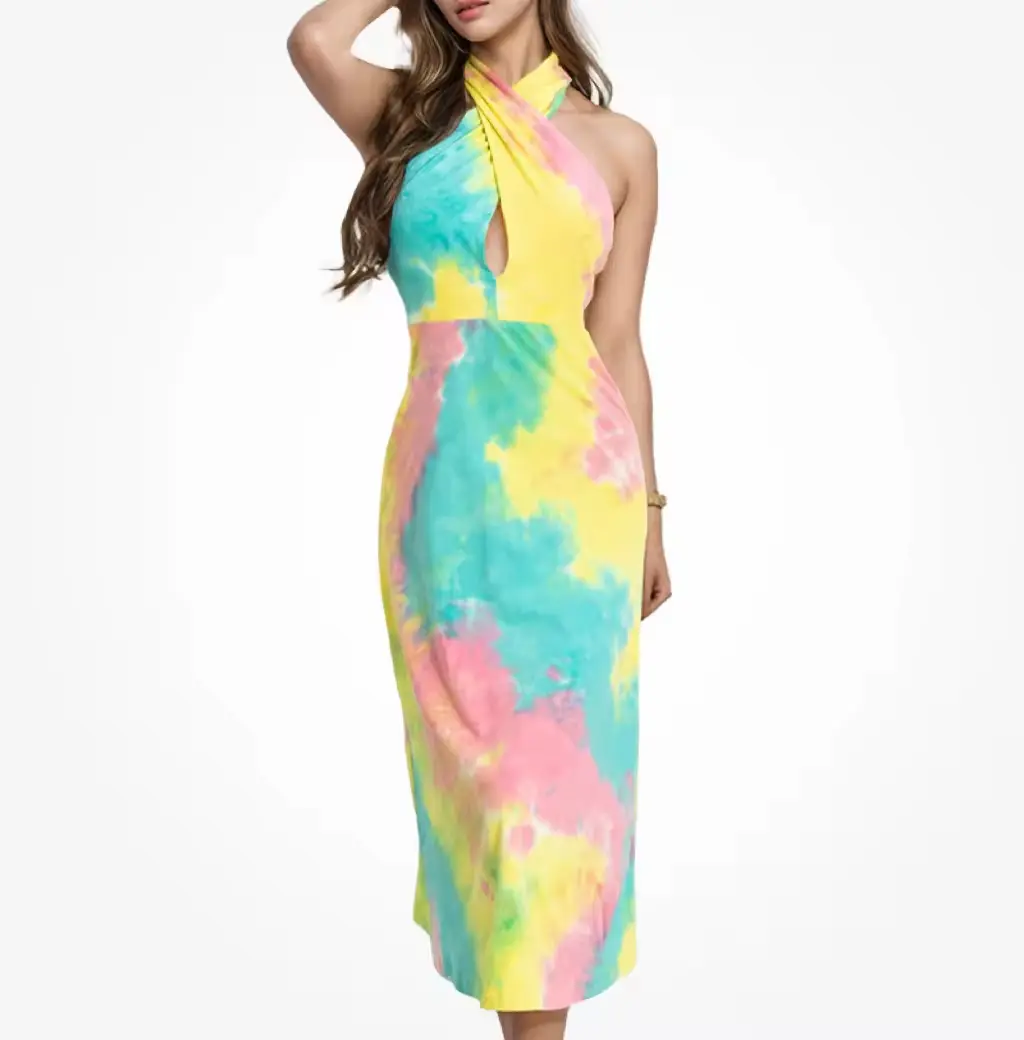
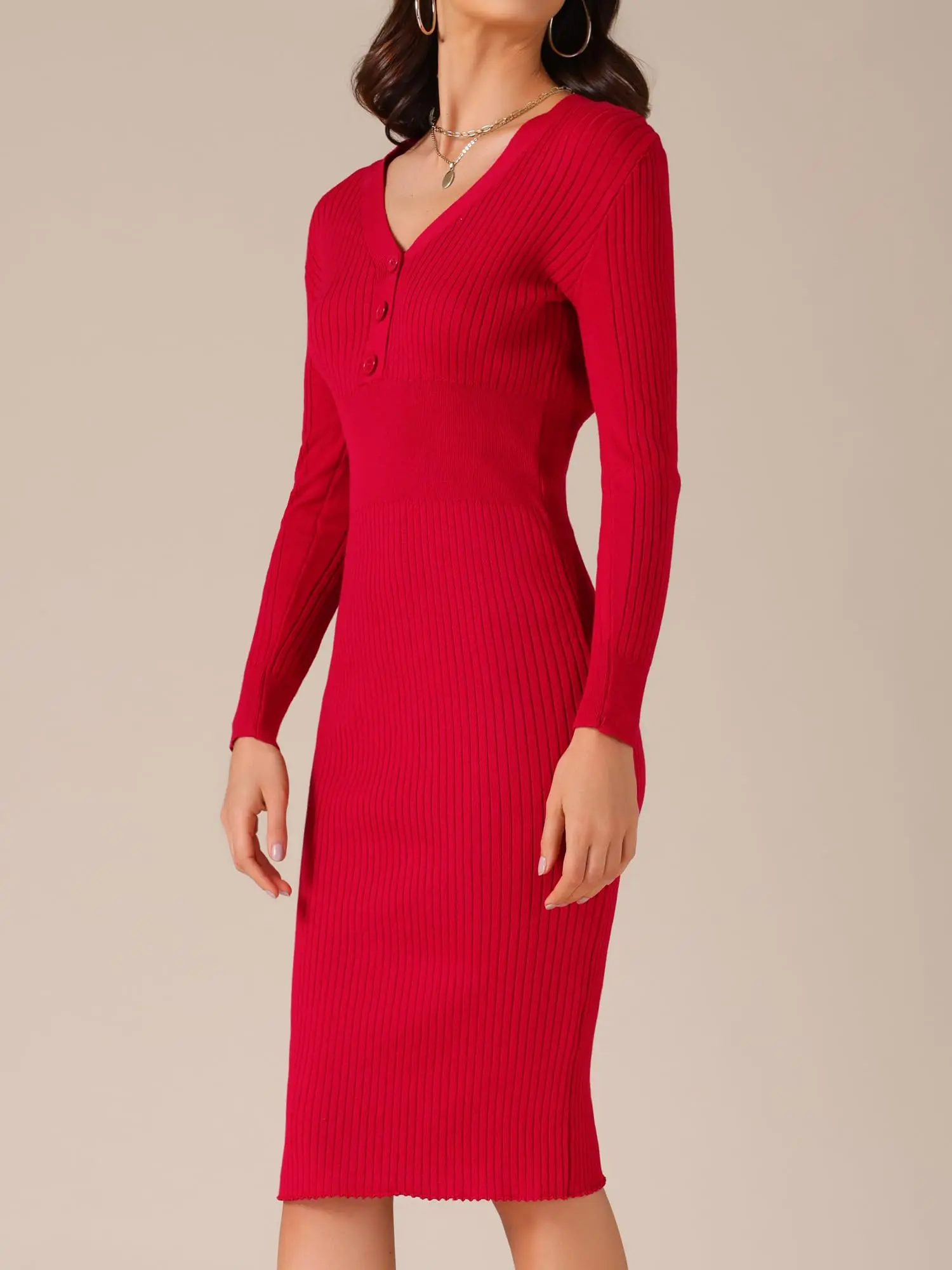
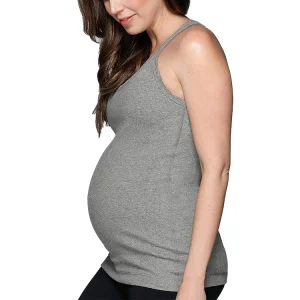
Designing and manufacturing garments for pregnant individuals requires a comprehensive understanding of human physiology during gestation. The maternal body undergoes profound changes: basal body temperature increases due to heightened metabolic rates, sweat gland activity spikes, skin sensitivity elevates, and posture undergoes redistribution of mass. For international apparel brands, sourcing from a competent maternity clothing supplier demands more than aesthetic design; it requires precise material engineering.
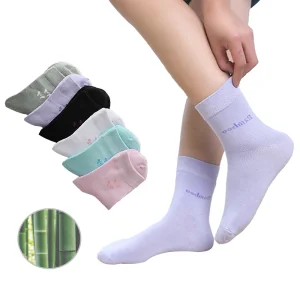
During the second and third trimesters, the expanding abdominal region puts stress on standard textiles. Traditional synthetics trap moisture and restrict micro-vascular circulation, leading to gestational pruritus and general physical discomfort. Excellent maternity garments utilize fibers with exceptional tensile recovery rates, allowing 360-degree stretch without retaining tension. This stretchability must be balanced with breathability. Natural organic yarns such as bamboo viscose and organic cotton exhibit natural moisture-wicking properties, pulling perspiration away from the skin and permitting rapid evaporation. By focusing on these core physiological challenges, brand procurement teams can source products that maximize wearability, ensuring repeat purchases and long-term customer retention.
2. Our Environmental Protection Philosophy & Technical Commitments

Sustainable Growth & Ethical Manufacturing: At Ecogarments, we believe that long-term commercial success in the global textile trade is inextricably linked to the ecological footprint we leave behind. The maternal care industry must reflect the care and preservation of the world we bring new life into. We actively challenge our business partners, designers, and suppliers to take absolute responsibility for their environmental practices. We build commercial systems that show eco-consciousness is compatible with excellent profit margins.
Our fabrics are sourced from plants that require minimal water footprint and no synthetic fertilizers. Our dyeing methods utilize closed-loop machinery, which filters and recycles water, reducing environmental effluent levels. Our commitment to chemical safety means all finishing treatments are free from toxic formaldehyde, heavy metals, and plastic-based stabilizers. This guarantees that our maternity clothing is clean, hypoallergenic, and completely safe for expectant mothers.