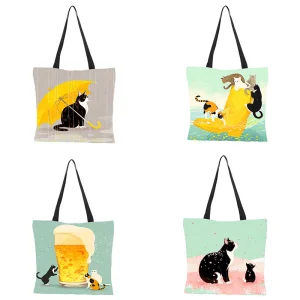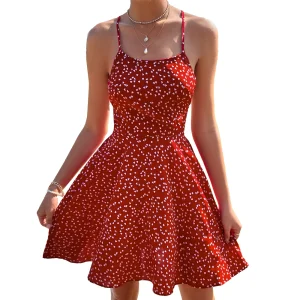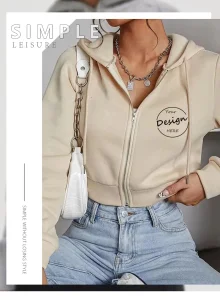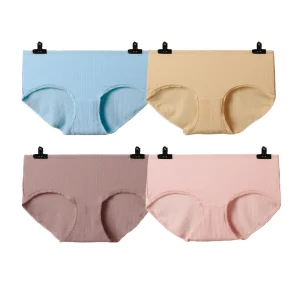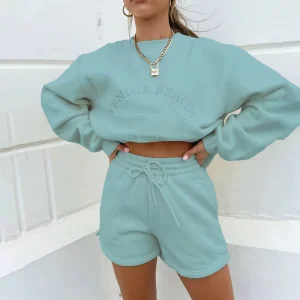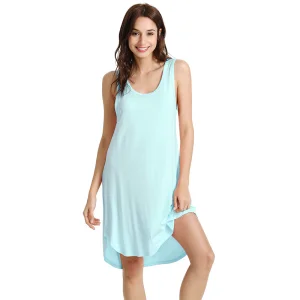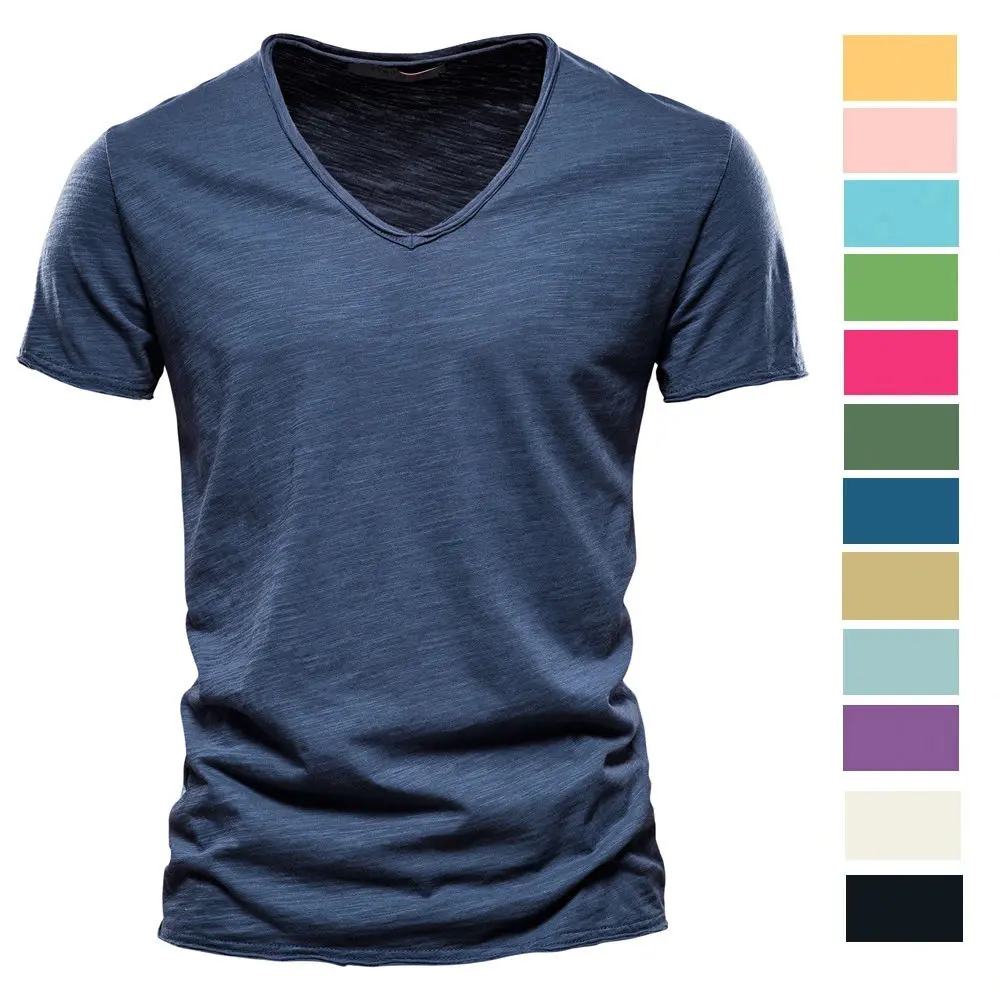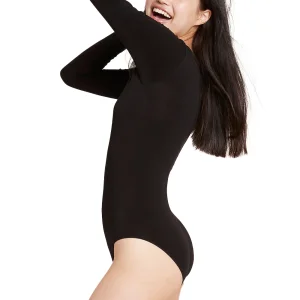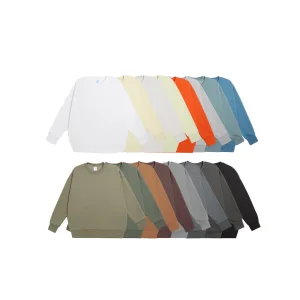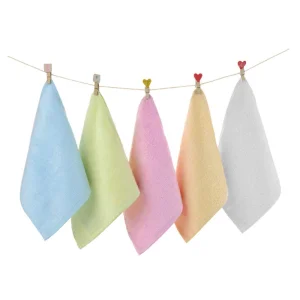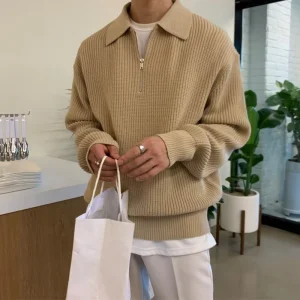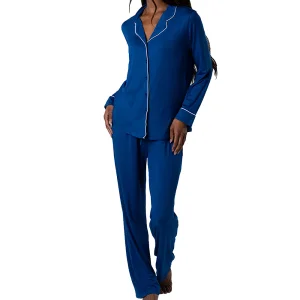
High-performance textiles, customized fitments, and advanced bamboo formulations curated directly from our leading clean-room production floors.
The global apparel landscape is undergoing a systemic paradigm shift. In the era of the conscious consumer and digital workplace models, the demarcation line between traditional nightwear and outdoor casual apparel has permanently blurred. The modern home top dress represents the ultimate synthesis of ergonomic tailoring and sustainable fabric engineering. No longer restricted to the private domain, premium lounge dresses and home apparel demand structural performance: thermoregulation, mechanical stretch, anti-microbial capabilities, and a verified circular lifecycle.
The commercial home top dress market has witnessed a compound annual growth rate (CAGR) of 7.8% over the past five years, expected to reach a global valuation of $18.4 billion by 2028. This growth is predominantly driven by two massive shifts in user intent: the growth of "smart-casual" professional work environments and a skyrocketing consumer resistance to synthetic, petroleum-derived fibers. Geographically, North America and Northern Europe remain the largest import markets for premium organic home dresses, with demand concentrated on high-GSM (Grams per Square Meter) weights that ensure non-transparency, durability, and natural drape.
Industrial buyers and global sourcing directors are actively restructuring their procurement portfolios to mitigate geopolitical risks. This has catalyzed a migration from single-source manufacturing setups to highly integrated vertical factories capable of turning raw cellulose raw materials into high-fashion garments under one roof. The competitive standard is no longer defined merely by cost-per-unit, but by overall carbon offset metrics, supply chain clarity, and certification validation.
China’s domestic textile manufacturing infrastructure has evolved from a labor-intensive model to a highly digitized, automated smart grid. Leading plants, like our 4,000-square-meter modern facility, utilize IoT-driven loom systems and AI-powered pattern matching software. This digital infrastructure dramatically minimizes fabric scrap—reducing textile waste by up to 18% compared to traditional manual layouts.
Furthermore, the vertical integration of the raw material pipeline in China allows for real-time adjustments to raw yarns, dye recipes, and knitting densities. Whether working with modal, organic cotton, or specialized bamboo-viscose fibers, our manufacturing lines maintain zero chemical variance. The integration of high-speed sorting and automatic cutting machines enables a fast-turn response time, allowing global brands to launch responsive collections in response to shifting seasonal trends without risking massive inventory deadstock.
The modern consumer requires apparel that adapts fluidly across distinct micro-environments. Home top dresses designed by Ecogarments are engineered for three core localized scenarios:
The future of home apparel lies in circularity and functional finishes. Industry trends indicate that by 2030, over 70% of premium loungewear imports will require standard zero-plastic certification. Plant-based color dyes and natural enzymes are replacing traditional harsh chemicals, ensuring the fabric remains hypoallergenic and completely biodegradable. We are actively investing in regenerating bamboo cellulose yarn and post-consumer textile recycling loops to offer fully closed-loop supply options to enterprise clients.

At Ecogarments, we care deeply about apparel, the people who wear them, and the dedicated craftspeople who construct them. We believe that true success is not measured solely in balance sheets, but in the positive impact we deliver to our communities and our fragile planet.
We are passionate. We are pure. We challenge ourselves and our partners to take direct responsibility for our ecological footprint. We constantly strive to think outside the traditional framework to build a lasting business case for sustainable, high-quality apparel.
As an apparel manufacturer, we prioritize natural and organic raw materials, eliminating microplastics and hazardous synthetic processing chemicals.
More than 10 years of export and high-precision production experience in apparel markets globally.
Equipped with over 1000 computerized knitting, cutting, and finishing apparatuses for smooth throughput.
From CAD conceptualization to yarn development, sizing charts, private labeling, and custom colorways.
Specializing in certified GOTS organic cotton, soft bamboo viscose, hemp fibers, and premium modal silks.
Extensive fiber and blank reserves ready to insulate your business from rising textile material fluctuations.
Dedicated in-house pattern-makers updating cutting-edge styles, and modern cuts month-on-month.
Over 12 years of experience handling logistics, quality inspections, and material compliance for world-class labels.

We bridge the gap between design and minimal environmental impact. Our operations optimize water consumption and utilize non-toxic color processes.

Our creative support goes beyond production. We provide access to high-end video, product close-ups, and studio imagery to accelerate your online market entry.

Certified raw sourcing networks monitored by Control Union. Every production run undergoes safety evaluations to guarantee 100% skin safety.

A state-of-the-art facility processing organic crops into refined yarns. Our team of textile experts ensures consistency across every garment panel.

We follow changing garment trends in real-time. Clients gain access to trend predictions and color-forecasting dashboards quarterly.

We manage your supply line from freight forwarding to custom clearances. Our post-sales team monitors your inventory requirements proactively.
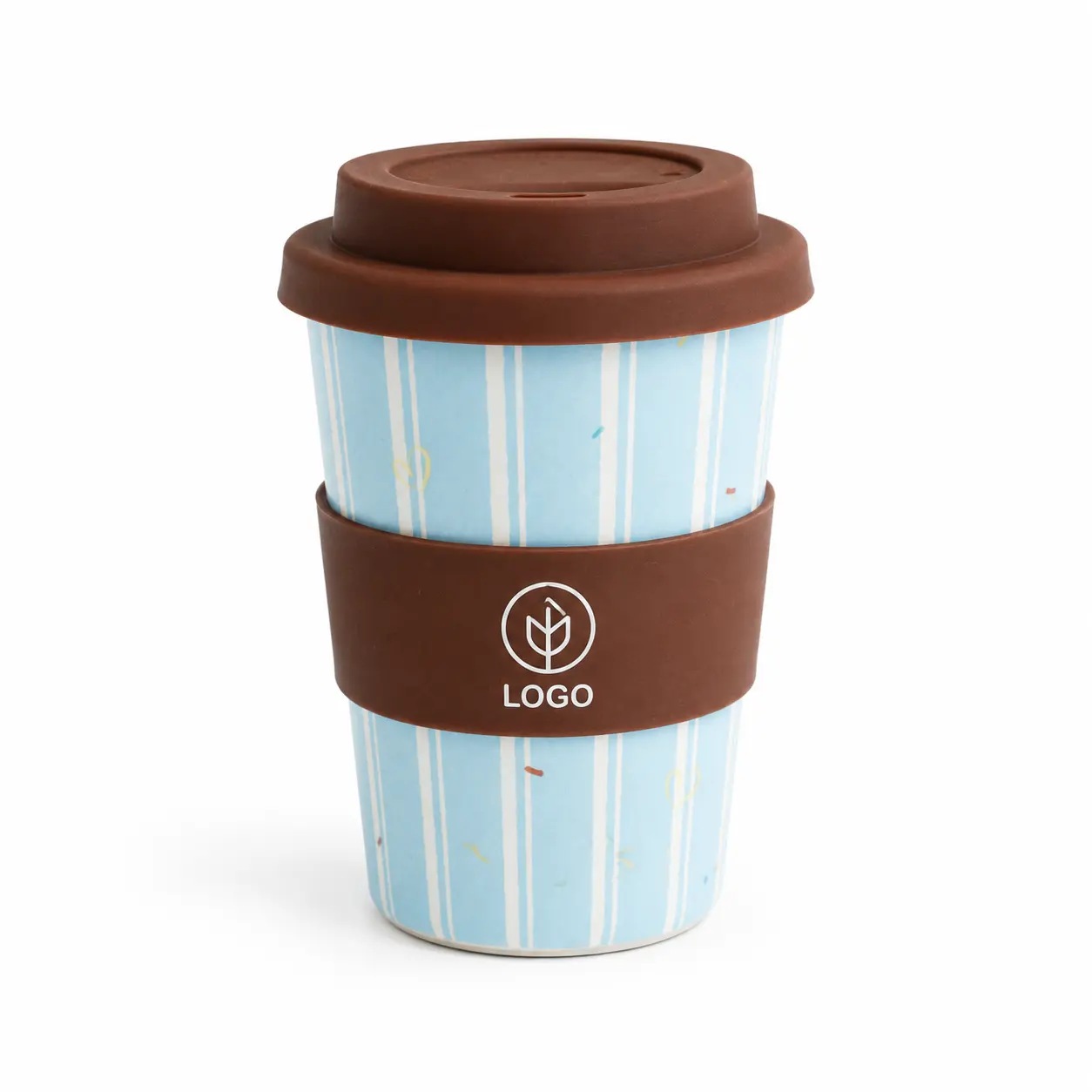
Constructed with ultra-dense raw bamboo fibers. Complete absence of toxic chemical sealants or petroleum bases.
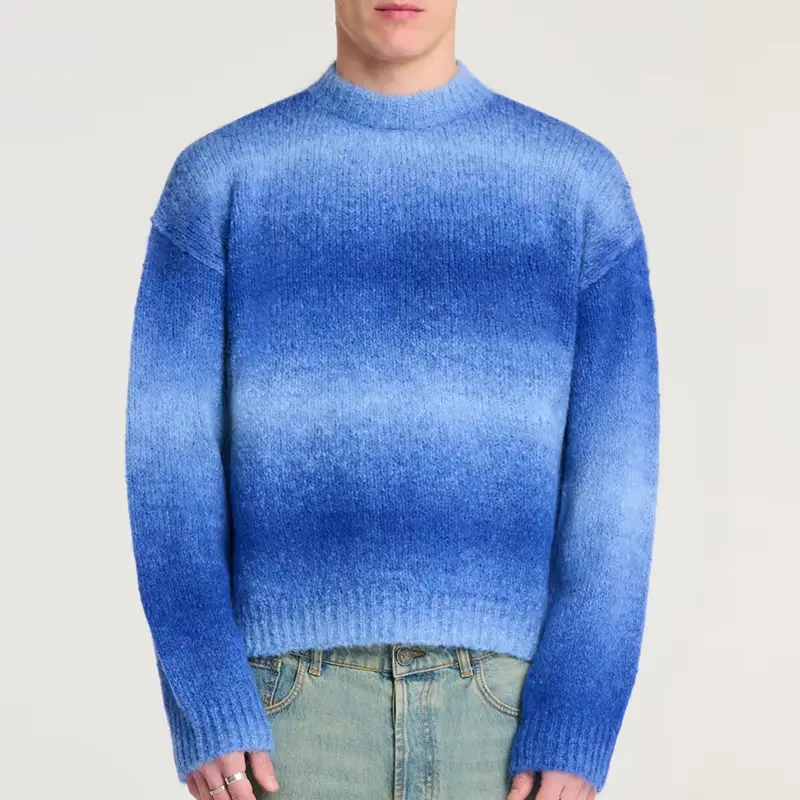
Crafted from high-grade animal hairs to ensure exceptional thermal retention properties and comfortable, lightweight wear.
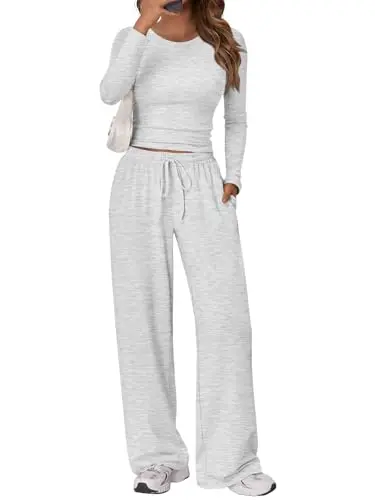
Draping structure engineered for effortless flexibility. Highly resistant to fiber relaxation and laundry shrinkage.
For professional enterprise buyers, identifying the optimal home top dress manufacturer requires looking beyond superficial catalog styling. It requires a detailed evaluation of fabric composition and weaving techniques. Below is our manufacturing analysis comparing materials used in luxury and daily home wear.
Every batch of fabric leaves our dyeing partner verified as zero-formaldehyde. Our color match testing utilizes digital spectrophotometers to maintain color consistency across dye lots. We match precise Delta E tolerances specified by European high-fashion brands, ensuring color consistency across multi-tiered delivery routes.
The zero-waste movement has evolved from a niche trend into a global necessity. Households worldwide are rethinking every item in their cupboards, from food storage containers to drinking vessels. In the quest for a truly sustainable kitchen, bamboo fiber cups have taken center stage as a staple...
For millions of people around the world, the morning routine starts with a hot cup of coffee on the way to work. Unfortunately, this convenient habit often comes with a heavy environmental price tag: single-use takeaway paper cups lined with plastic. If you are looking to green up your daily commute...
In today's fast-paced world, the environmental impact of single-use plastics has become an undeniable crisis. Millions of plastic cups end up in landfills and oceans every day, taking hundreds of years to decompose. As consumers become more conscious, the global movement toward...
Key technical operational answers designed to help procurement directors make informed factory decisions.
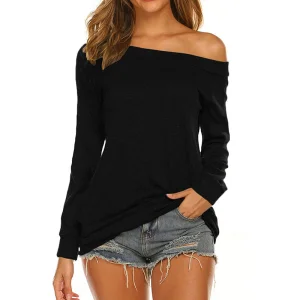
Browse additional garment categories, bath accessories, and customized loungewear lines engineered for export.