Whitepaper: Industrial Dynamics and Technical Standards of Premium Maternity 3/4 Pants Manufacturing
In the contemporary B2B landscape, the global apparel industry is undergoing an unprecedented shift toward niche, ergonomic, and sustainable wear. Among these segments, the market for maternity apparel has evolved from basic utility to high-end functional sportswear and athleisure. The demand for 3/4 pants for pregnant women (alternatively labeled as capris or cropped maternity leggings) has surged significantly. This document acts as an industrial guide, assisting global sourcing directors, retailers, and brand owners in navigating the supply chain, engineering dynamics, and sustainable standards governing the manufacture and export of premium maternity pants.
Information Gain Insight: The modern maternity 3/4 pant is no longer just a loose-fitting garment. In 2026, it is an engineered medical-comfort system that stabilizes the core, minimizes pressure on the lumbar spine, regulates dermic temperature, and adjusts dynamically to all three trimesters of pregnancy.
1. Global Economic Trends and Market Opportunities
The global maternity wear market size was valued at approximately USD 21.5 Billion in 2023 and is projected to expand at a compound annual growth rate (CAGR) of over 5.4% from 2024 to 2030. The 3/4 pant format—often extending past the knee to the mid-calf—is uniquely popular due to its versatility across indoor, outdoor, leisure, and professional settings. Crucial factors driving this segment include:
- Increased Prenatal Activity: A rising percentage of expecting mothers engage in prenatal yoga, pilates, and low-impact workouts, driving demand for athletic 3/4 maternity wear.
- Changing Demographics: With older average ages of pregnancy globally, expectant mothers possess higher disposable income, shifting purchasing patterns toward high-quality, long-lasting premium fabrics.
- Extended Usability Cycles: Innovative engineering allows contemporary maternity pants to adapt to the postpartum body, effectively doubling the product's lifespan.
2. Advanced Material Science & Technical Design Requirements
From a manufacturing standpoint, developing maternity pants requires detailed attention to textile science and physical structural engineering. The physiological changes experienced during pregnancy demand fabrics that reduce pressure while providing structural support.
Ergonomic Support Systems
Maternity 3/4 pants generally employ one of three waist structures: Over-the-Belly (OTB), Under-the-Belly (UTB), or Mid-Rise Drawstring panels. Among these, the OTB format remains the market leader in the B2B sector. Manufacturers utilize high-elasticity knit zones (often incorporating up to 12% Spandex/Elastane) to mimic abdominal bands, reducing lower back strain without compressing the uterine area.
Sustainable Raw Material Matrix
Premium exporters rely on natural and organic fibers, moving away from toxic chemical dyes and synthetic fibers. Under-belly perspiration can cause contact dermatitis during pregnancy due to elevated skin sensitivity. The table below highlights the performance metrics of fibers commonly sourced by industry leaders like Ecogarments.
| Fabric Compound | Moisture Absorption | Hypoallergenic Index | Tensile Elasticity | Eco-Footprint Certification |
|---|---|---|---|---|
| Organic Bamboo Viscose | High (Excellent breathability) | Premium (Natural anti-bacterial) | Moderate-High (Great recovery) | FSC / Control Union / OEKO-TEX |
| Organic Cotton / Lycra | Moderate-High | High (Soft texture) | High (Excellent retention) | GOTS / OCS Certified |
| Micro-Modal | Very High | High | Moderate | Lenzing Standard |
| Recycled Polyester Blend | Low-Moderate (Wicking treated) | Moderate | Very High | GRS (Global Recycled Standard) |
3. Quality Standards, Certification, & Global Compliance
To successfully export maternity apparel to key consumption markets like the European Union, North America, and East Asia, manufacturers must comply with strict chemical, physical, and labeling regulations. Navigating these requirements demands a professional, compliant supply chain.
- Oeko-Tex Standard 100: Ensures the fabric is free from harmful chemicals, heavy metals, and formaldehydes, which is essential for sensitive skin.
- GOTS (Global Organic Textile Standard): The leading global standard for organic fibers, tracking the supply chain from harvesting to labeling.
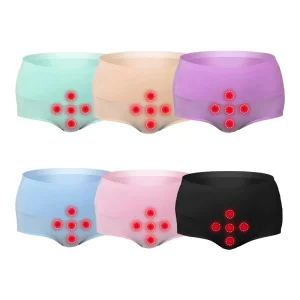
- CE Certification & Regulation: Essential for products incorporating therapeutic elements, such as magnetic components or targeted compression panels.
- CPSIA Compliance: Ensures chemical limits for lead and phthalates are met for products destined for North America.
4. Technical Roadmap & Future Trends in Maternity Wear
As the apparel sector integrates technological innovations, maternity clothing is evolving beyond simple garments to include performance and sustainability-driven designs. B2B buyers looking to stay ahead of market curves should consider these emerging product trends:
Smart Adaptive Compression Zones
Future iterations of maternity 3/4 pants will feature variable knit structures. By utilizing computer-guided circular knitting machines, we can program localized, varying compression levels within a single panel. This provides higher support at the lower pelvis and lower back, while offering high stretch across the midsection.
Thermo-Regulating Bamboo-Cotton Blends
Pregnant women often experience significant changes in body temperature. The natural micro-pores of bamboo fiber, combined with organic long-staple cotton, create an air chamber structure that naturally balances body temperature. This provides cooling in warm conditions and insulation when temperatures drop.
Circular Supply Chains
With global ESG initiatives gaining traction, top-tier brands require fully circular product lifecycles. We are actively designing fabrics that use single-polymer blends or easily separable yarn combinations, facilitating post-consumer recycling.