As we look ahead to 2026, the "Kids Clothing" industry is poised for exciting transformations. Emily Carter, a renowned expert in children's fashion, notes, “Embracing sustainability will redefine how we approach Kids Clothing.” This sentiment reflects a growing emphasis on eco-friendly materials and ethical production processes in the market.
Trends indicate a shift towards vibrant colors and playful designs that resonate with the younger generation. Parents are seeking clothing that not only looks good but also feels good. The desire for comfort is gaining momentum. Many kids prefer outfits that allow freedom of movement.
However, with these trends come challenges. Balancing style and sustainability is no easy task. Brands must reflect on their sourcing practices and societal impact. The focus on Kids Clothing cannot neglect practicality. It is essential for garments to withstand wear and tear. As we navigate through these trends, the Kids Clothing industry must strive for a balance that caters to both aesthetics and ethical considerations.
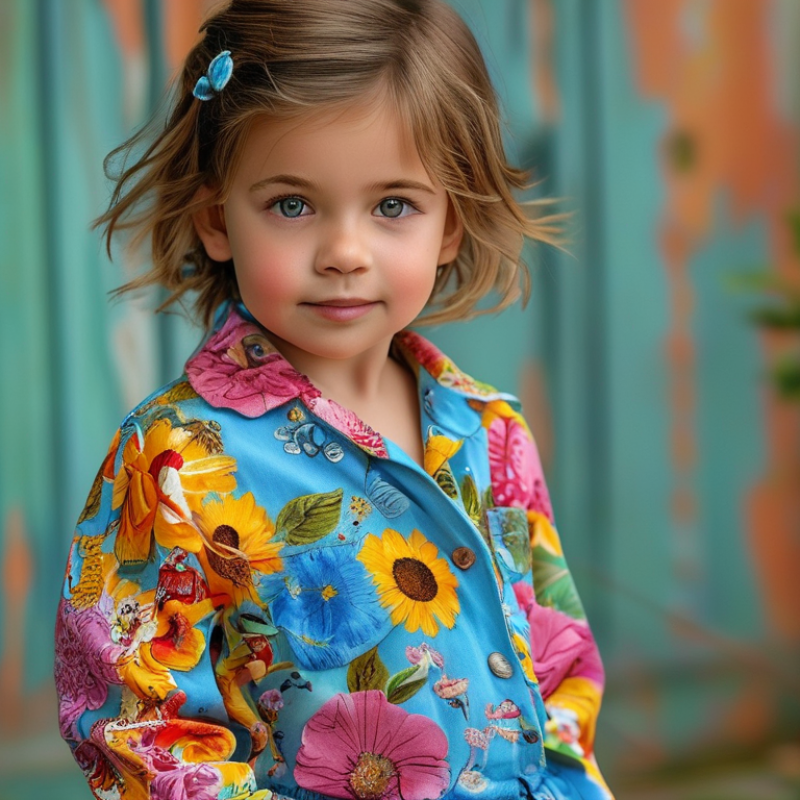
As we look toward 2026, children's apparel is set to embrace vibrant colors and new patterns. The focus will be on shades like sunny yellows, deep blues, and rich earthy tones. These colors not only evoke joy but also connect children to nature. Playful patterns inspired by abstract art and whimsical themes will dominate the market. Think large polka dots, bold stripes, and stylized animal prints that ignite imagination.
Creating a wardrobe that embraces these trends can be a fun challenge. Consider mixing different patterns for a unique look. Pairing striped tops with polka dot skirts can create a playful outfit. Selecting clothing that allows for movement is crucial. Comfort remains key in children's fashion, as they explore and play.
Don’t overlook the importance of sustainability. Parents are increasingly seeking eco-friendly options. Fabrics made from organic cotton and recycled materials will become mainstream. When shopping, look for brands that prioritize these values. It's a good way to promote awareness in kids about environmental concerns. Embracing these techniques will allow you to adapt to the evolving fashion landscape for children's clothing in 2026.
Sustainable fabrics are reshaping kids' fashion. By 2026, the demand for eco-friendly materials will soar. A report by Statista predicts that the global sustainable fashion market could reach $8.25 billion. This trend aligns with growing consumer awareness regarding environmental issues.
More parents seek organic cotton and recycled polyester for their children’s clothing. These materials are not only better for the planet but also safer for kids. Reports indicate that about 35% of parents prioritize sustainability in their buying decisions. However, navigating this market can be tricky. Not all brands clearly label their products as sustainable.
Consider opting for local brands that prioritize ethical practices. This often means shorter supply chains and reduced carbon footprints. Also, check for certifications like GOTS or OEKO-TEX, which can guide responsible purchases. While it's inspiring to embrace sustainable choices, remember that not every option is perfect. Focus on gradual changes rather than an all-or-nothing approach. Every small step counts in promoting a healthier planet for future generations.
This chart illustrates the projected growth in different sustainable fabric types used in children's clothing by 2026. As environmental consciousness increases, more brands are likely to shift towards eco-friendly materials.
In 2026, the landscape of kids' clothing will be deeply influenced by technological innovations. Parents will find smart fabrics that monitor health. Imagine clothing that tracks temperature and even hydration levels. This kind of technology can ensure children are safe and comfortable throughout their activities.
Sustainability will play a crucial role. Expect to see more clothing made from recycled materials. Beyond just sustainability, these materials may come with built-in features like UV protection. It's impressive how fabrics can evolve to meet the needs of our kids.
Here are a few things to consider when choosing clothing for children. Look for options that prioritize comfort and functionality. Check if the clothing has easy-to-use fasteners and breathable fabrics. These aspects can make dressing easier for kids. Also, keep an eye on brands that focus on ethical practices. Clothes produced with care often reflect better quality and safety standards.
In 2026, children's fashion reflects diverse cultural influences. Designs will merge traditional motifs with modern aesthetics. For example, colorful patterns from South Asian textiles can inspire playful outfits. This blend of cultures promotes a global identity among kids, making fashion an avenue for self-expression.
Parents increasingly seek clothing that tells a story. Children want pieces that connect to their heritage while embracing current trends. This is a shift from the past, where trends often prioritized uniformity. Today, kids play a vital role in choosing what they wear. Their voices resonate in the fashion space, pushing brands to innovate.
Challenges remain as brands navigate these cultural dynamics. Understanding the significance behind traditional designs is crucial. Often, clothing risks becoming a mere aesthetic, losing its cultural essence. Striking a balance between trendiness and respect for heritage is key. This ongoing conversation shapes a thoughtful approach to children's fashion, fostering greater appreciation for cultural diversity.
| Trend | Description | Cultural Influence | Popular Colors | Age Group |
|---|---|---|---|---|
| Sustainable Fashion | Focus on eco-friendly materials and production processes. | Environmental awareness and activism. | Earth tones, greens, and neutrals. | 4-12 years |
| Tech-Integrated Clothing | Garments with embedded technology for interactive experiences. | Tech culture and innovation. | Bright colors, neon accents. | 6-14 years |
| Gender-Neutral Styles | Clothing designed to be worn by any gender. | Cultural shifts toward inclusivity and acceptance. | Pastels, monochromes, and playful prints. | 3-10 years |
| Heritage-Inspired Designs | Clothing that incorporates traditional patterns and styles. | Nostalgia and pride in cultural heritage. | Vibrant colors, bold patterns. | 5-15 years |
| Athleisure | Casual wear that combines athletic and leisure styles. | Health and fitness trends. | Bold colors, sporty designs. | 4-12 years |
In 2026, social media will play a crucial role in shaping kids' fashion trends. A recent report indicated that over 70% of parents engage with kids' fashion content on platforms like Instagram and TikTok. This highlights how influential visual content is in driving purchasing decisions. For instance, children now influence 85% of family buying decisions. With eye-catching videos and dynamic images, social media creates a vivid representation of current trends.
However, not all trends are positive. Many platforms can foster unrealistic beauty standards and promote fast fashion. Reports show that nearly 60% of children feel pressured to dress like popular influencers. This raises important questions about the impact of social media on young minds. Parents often express concern about their kids' self-esteem linked to online portrayals.
Moreover, sustainability is becoming a hot topic in kids' fashion discussions. Recent data suggests that 55% of parents are more inclined to support brands that prioritize eco-friendly practices. As a result, small brands with a strong social media presence are gaining traction. They promote unique, sustainable items that resonate well with the values of modern parents. The challenge remains: how to balance trendiness with ethical considerations in a fast-paced digital world.
: Expect vibrant colors like sunny yellows, deep blues, and earthy tones. These colors connect kids to nature.
Pair striped tops with polka dot skirts for a playful look. Experiment with different designs for uniqueness.
Kids need to move freely while exploring. Comfortable clothing enhances their play and overall experience.
Look for options made from organic cotton or recycled materials. These choices promote environmental awareness in kids.
Smart fabrics will monitor health metrics like temperature. This technology ensures children remain safe during activities.
Look for easy fasteners and breathable fabrics. These details make dressing kids less stressful for parents.
Expect large polka dots and bold stripes to trend. Whimsical animal prints will also inspire imaginative outfits.
Choose brands that practice ethical manufacturing. Clothes made with care usually have better quality and safety standards.
The article "Top Kids Clothing Trends for Global Buyers in 2026" explores the dynamic landscape of children's fashion with a focus on emerging colors and patterns that are anticipated to dominate kids' apparel. As sustainability continues to be a major concern, the use of eco-friendly fabrics will significantly influence trends, making thoughtful material choices a priority for consumers and manufacturers alike.
Technological innovations, such as wearable technology and smart textiles, are also set to reshape the future of kids clothing, enhancing functionality and comfort. Furthermore, cultural influences and global interconnectedness are driving diverse fashion choices, reflecting a variety of styles and traditions. Social media plays a crucial role in this evolution, enabling trends to spread rapidly among young audiences and their parents. Overall, the insights from these facets collectively illustrate the exciting future of kids clothing in 2026.
