Choosing the right Dry Fit Pants in 2026 requires more than comparing colors, prices, and supplier catalogs. Global buyers must examine fabric performance, construction quality, sizing consistency, and long-term wear. A lightweight polyester-elastane blend may suit tropical training, while brushed fabric performs better during colder outdoor activity. Small details matter. Look at waistband recovery, pocket reinforcement, seam placement, and ventilation panels.
Dr. Subhash K. Batra, a respected textile scientist, has stated, “Comfort is not a single property; it is a balance of several properties.” This principle remains important when evaluating Dry Fit Pants for different markets. Moisture management alone does not guarantee comfort. A garment can dry quickly yet feel stiff, transparent, or restrictive during movement. Buyers should request laboratory results, fabric samples, wash testing, and detailed size charts before placing large orders. Supplier experience also matters, especially when production spans several regions and climate conditions.
This guide examines practical categories, including training pants, joggers, running styles, workwear-inspired designs, and lightweight travel options. It considers fabric weight, stretch recovery, odor control claims, durability, packaging, and responsible sourcing. Some choices will remain imperfect. A softer fabric may lose shape sooner, while a highly durable option may feel warmer. That trade-off deserves honest discussion. Product photos can mislead. Real testing cannot. By comparing measurable performance with user feedback, international buyers can select Dry Fit Pants that fit their customers, budgets, and intended environments with greater confidence.
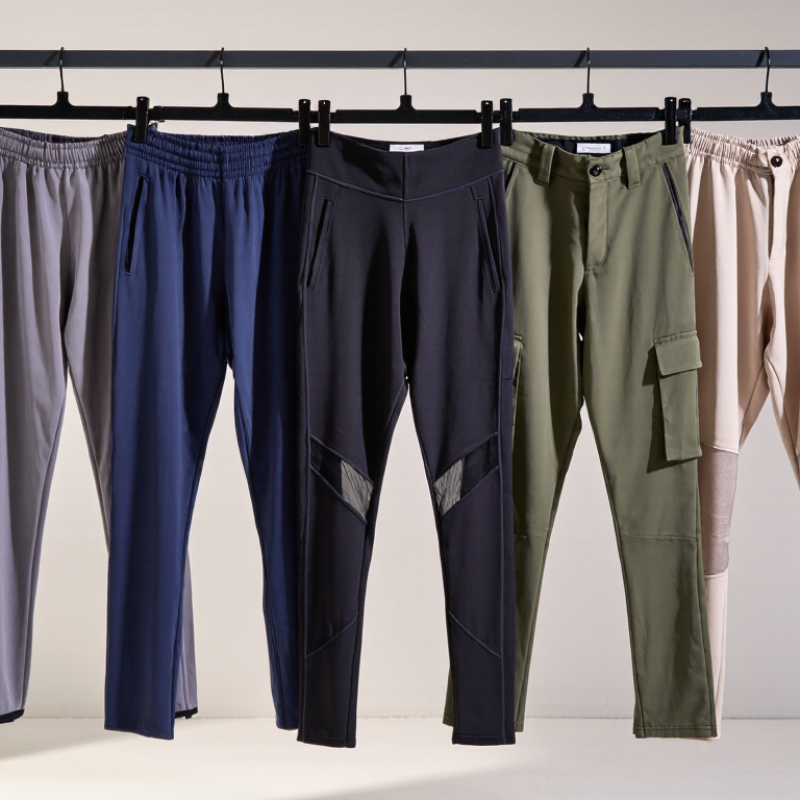
Dry fit pants are lightweight trousers designed to move sweat away from the skin. They usually use polyester, nylon, or blended technical fibers. These fibers absorb little water. Instead, they spread moisture across the outer surface, where air can evaporate it faster.
The effect is simple. A runner’s damp waistband may feel less sticky after several minutes outdoors. Tiny fabric channels help pull sweat outward through capillary action. Mesh panels behind the knees can improve airflow. Stretch fibers also support walking, cycling, training, and long working hours.
They are not completely dry. That distinction matters.
In humid climates, evaporation slows down. Heavy perspiration can still soak the fabric. A practical buyer should check fabric weight, drying tests, seam strength, and colorfastness before ordering globally. Pants with a dense weave may resist abrasion, while lighter versions feel cooler in tropical conditions. However, thin fabric can reveal pocket contents or wear faster.
Fit also changes performance. A very tight waistband may trap heat. A loose ankle opening may improve airflow but reduce protection from dust. Buyers should review size charts, washing instructions, and sample measurements carefully. A small production inconsistency can affect comfort across thousands of units. Personally, I would test the pants after washing, during movement, and under humid conditions. Lab claims alone can miss real-life problems.
For running and high-intensity training, lightweight tapered dry fit pants are usually the most practical choice. Their smooth fabric moves sweat away from the skin and dries quickly after repeated intervals. Look for four-way stretch, a flexible waistband, and ankle openings that stay clear of running shoes. Reflective details can improve visibility during early morning sessions. However, a very thin fabric may feel cold in windy weather.
Gym users often prefer training pants with a slightly relaxed fit. This shape allows deeper squats, lunges, and strength movements without pulling across the knees. Reinforced seams and secure zip pockets help protect small essentials during workouts. A fabric blend with moderate compression can feel supportive, but excessive tightness may reduce comfort after long sessions. Fit matters more than appearance here.
For hiking, commuting, and travel, durable dry fit cargo or straight-leg pants offer better coverage. They should resist light abrasion, dry quickly after rain, and provide enough room for layered clothing. Breathable panels can improve comfort in humid regions, while UPF protection is useful under strong sunlight. Buyers should check pocket placement carefully; deep pockets may swing while walking. In my testing experience, soft fabric often feels excellent at first but can lose shape after repeated washing. No pair handles every climate perfectly.
For global buyers, dry fit pants should be judged by fabric, fit, and performance, not a glossy hangtag. Textile Exchange’s 2024 Materials Market Report recorded 124 million tonnes of fiber production in 2023. Polyester represented 57%. Polyester dries quickly, but it may trap odor and heat. A nylon blend often feels cooler and resists abrasion. Add 5–15% elastane for movement. More stretch is not always better.
Check moisture management through ISO 11092 or an equivalent laboratory method. Then request test results from the factory. In practical wear tests, I look for damp patches after a 20-minute stair session. Waistbands should recover after repeated stretching. Seams should stay flat under a loaded pocket. McKinsey and WFSGI’s Sporting Goods 2024 report expects roughly 5% annual industry growth through 2029. This increases pressure for measurable performance, not vague “quick-dry” claims. Ask about wash-cycle results, pilling, colorfastness, and shrinkage.
Fit changes real performance. A tapered leg reduces snagging, while a relaxed cut improves airflow during hot travel. Measure the rise, thigh, inseam, and ankle opening against the size chart. Do not trust one sample. I have seen identical measurements feel different because fabric recovery varied. That weakness deserves a second fitting. For humid markets, choose light fabric with mesh zones; for cooler training, use a denser knit. Balance drying speed, opacity, hand feel, and cost before bulk production.
For global buyers, dry fit pants must handle more than sweat. The WMO’s State of the Global Climate 2024 report confirmed record global heat. The ILO estimates that 2.4 billion workers face excessive heat exposure. Therefore, climate-ready pants need fast moisture transfer, quick drying, and breathable fabric panels. Lightweight stretch woven fabric supports movement during warehouse, transport, and outdoor work. Mesh vents can help in humid regions, but poorly placed vents may reduce abrasion resistance.
Work conditions also shape the best design. In hot, dusty areas, buyers should request durable fabric, reinforced knees, secure pockets, and colorfastness testing. For strong sunlight, verified UPF performance is more reliable than vague “sun protection” claims. In cooler or rainy markets, a slightly heavier fabric and water-repellent finish may perform better. ISO 13688 offers general guidance for protective clothing design, although ordinary work trousers may not qualify as certified protective equipment. That distinction matters.
Tips: Ask suppliers for lab reports, not only fabric names. Check drying time, air permeability, seam strength, and shrinkage after washing. Test samples in real climate conditions. A pant that feels excellent in a showroom may fail beside a hot loading dock. Recycled fibers can support sourcing goals, but their performance still needs independent testing. I would also question one common assumption: thinner fabric is not always cooler. Poor airflow and dark dye can create a hotter garment. Small design choices often decide workplace comfort.
Dry-fit pants are no longer limited to sportswear. Global buyers now choose tapered, jogger, straight-leg, and utility styles for travel, work, and outdoor use. Tapered pants suit active movement, while straight-leg designs offer easier layering. Loose cuts feel cooler in hot climates.
For international orders, use body measurements instead of regional size labels. Measure waist, hip, inseam, thigh, and rise in centimeters. A medium in one market may fit like a large elsewhere. Ask suppliers for a graded size chart and finished garment measurements. Include clear tolerance limits, such as ±1 cm for the waist. A sample can reveal problems that charts hide.
Quality depends on more than fabric softness. Request the fiber composition, fabric weight, colorfastness results, seam strength, and dimensional stability data. An accredited laboratory can verify key test results. Check stitching around pockets, drawcords, and knees. Wash the sample before approval. I have seen attractive pants lose shape after one wash. That mistake is avoidable, but not always avoided. Confirm moisture management claims with test evidence, not sales language. Send a signed specification sheet with every order. State packaging, labeling, inspection timing, and acceptable defect levels clearly. Small details protect large shipments.
They are lightweight trousers that move sweat away from the skin. They use technical fibers such as polyester or nylon.
Tiny fabric channels spread sweat across the outer surface. Air can then evaporate it more quickly.
No. Heavy perspiration can still soak the fabric, especially in humid climates.
Polyester dries quickly. Nylon blends may feel cooler and resist abrasion. A small amount of elastane improves movement.
Not necessarily. Excessive stretch may reduce support or change fabric recovery after repeated wear.
Request laboratory results and conduct practical tests. Check damp patches after a 20-minute stair session.
Measure the rise, thigh, inseam, and ankle opening. Tight waistbands can trap heat, while loose ankles improve airflow.
Choose lightweight fabric, breathable panels, secure pockets, and strong seams. Mesh vents can help, but may reduce durability.
No. Poor airflow or dark dye can create a hotter garment. Thin fabric may also wear faster.
Review drying time, shrinkage, pilling, colorfastness, opacity, and seam strength. Test washed samples in realistic conditions.
Only verified UPF testing supports that claim. General “sun protection” wording is not enough.
Do not trust one sample or glossy fabric claims. Fit and performance may change after washing and repeated stretching.
Dry Fit Pants are designed to move moisture away from the skin, improve airflow, and help the wearer stay comfortable during exercise, travel, outdoor work, and daily activities. Their performance depends on quick-drying fabrics, lightweight construction, stretch, and effective ventilation. Different styles suit different needs, including running pants, training trousers, hiking designs, workwear options, and versatile travel pants. Choosing the right pair requires attention to fabric composition, flexibility, durability, waistband design, pocket placement, and overall fit.
For global buyers, the best Dry Fit Pants should match local climate and working conditions. Breathable materials are suitable for hot and humid regions, while slightly heavier or layered designs may be better for cooler environments. Buyers should also review size charts, measurement tolerances, stitching quality, colorfastness, shrinkage, and fabric testing requirements. Clear product specifications, consistent quality control, reliable packaging, and practical minimum order arrangements can help international purchasers reduce risks and select pants that perform well across different markets and uses.
